



Table of Contents
- Why Coffee Beans Go Stale: The Four Enemies
- Best Coffee Storage Containers and Methods
- How Long Do Coffee Beans Stay Fresh and Storage Location Matters
- Freezing Coffee Beans: When and How to Do It Right
Last Updated: August 20, 2026
Why Coffee Beans Go Stale: The Four Enemies
☕ Coffee freshness isn't magic, it's chemistry. The moment beans are roasted, they begin losing the volatile compounds that create flavor, aroma, and complexity. Understanding what causes this degradation is the first step to keeping coffee beans fresh.
Four factors accelerate staling: air (oxidation), moisture (humidity), heat, and light. Each one attacks your beans differently, and they often work together to speed up deterioration.
Oxidation happens when oxygen molecules interact with the oils and compounds in roasted beans. This process is relentless, it starts the moment roasting ends. Moisture is equally destructive. Coffee beans are porous, and they absorb humidity from the air. When moisture enters, it triggers chemical reactions that flatten flavor and create staleness. Heat speeds up every chemical reaction that degrades quality. Even small temperature swings stress the beans and accelerate oxidation. Light exposure, especially UV rays, breaks down the aromatic compounds responsible for the coffee's character.
The real challenge? These enemies work simultaneously. A bean stored in a warm, humid kitchen near a window faces all four threats at once. That's why proper storage requires addressing each threat specifically.
Best Coffee Storage Containers and Methods
The original packaging from specialty roasters often beats expensive alternatives. Most premium roasters use bags with a one-way degassing valve, a small vent that lets carbon dioxide escape (which beans release for 7-14 days after roasting) while blocking oxygen from entering. This design is remarkably effective.
If you're transferring beans to a different container, choose one with these characteristics: airtight seal, opaque material (glass or ceramic, not clear plastic), and minimal headspace. Headspace matters because air in the container oxidizes your beans just as efficiently as exposure to the atmosphere.
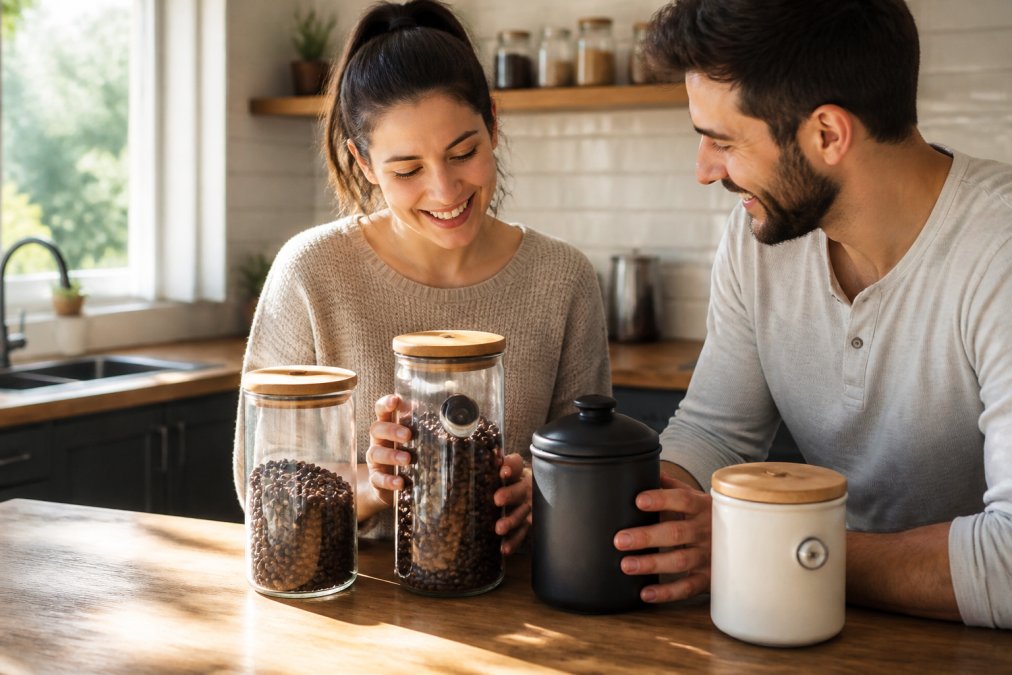
Vacuum-sealed containers work well for short-term storage (2-3 weeks). For longer periods, they can create pressure that damages bean integrity. Nitrogen-flushed containers, where nitrogen gas replaces oxygen inside, are excellent but require specialized equipment most home brewers don't have. The simplest approach: use the original bag, seal it tightly after each use, and store it properly.
Keep beans in a cool, dark place. A pantry or cupboard away from the stove works better than a countertop. The refrigerator is tempting but problematic, condensation forms when cold beans warm up, introducing moisture that accelerates staling. Many coffee enthusiasts avoid refrigeration for this reason, though some argue that if beans are sealed in an airtight container before chilling, the risk diminishes.
How Long Do Coffee Beans Stay Fresh and Storage Location Matters
Peak flavor typically lasts 2-4 weeks after the roast date (check your bag). After that, the beans don't become unsafe, they simply lose complexity and brightness. The aroma fades first, followed by subtle flavor notes.
Whole beans stay fresher longer than pre-ground coffee because grinding dramatically increases surface area exposed to oxygen. A whole bean might taste good for a month; the same bean, ground, degrades noticeably within days.
Storage location shapes longevity. A sealed bag in a cool pantry keeps beans fresher for 4-6 weeks. The same bag on a sunny kitchen counter? Expect noticeable quality loss within 2-3 weeks. Temperature fluctuations matter too, a stable 65-70°F is ideal. A storage location that swings between 50°F and 75°F stresses the beans and accelerates oxidation.
Humidity levels vary by region and season. In humid climates, sealed containers become even more critical. If you live in an area with high moisture (coastal regions or during summer), check your storage containers occasionally for condensation inside. If you see it, your seal may be failing or beans are being exposed to temperature swings that cause moisture to form.
Freezing Coffee Beans: When and How to Do It Right
Freezing is controversial among coffee professionals, but it works when done correctly. The science: freezing slows chemical reactions that cause staling. A frozen bean oxidizes far more slowly than one at room temperature.
The catch? Freezer burn and condensation are real risks. Freezer burn occurs when moisture in the bean's structure evaporates and refreezes, damaging cell walls. Condensation happens when frozen beans warm up, water droplets form on the surface, introducing moisture.
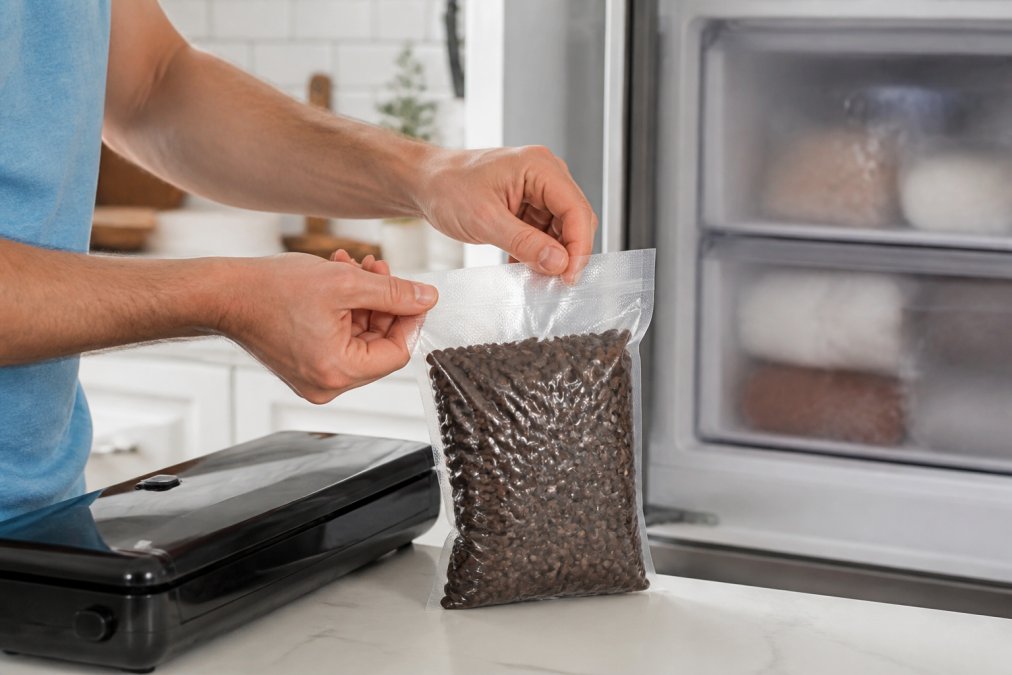
To freeze successfully: divide beans into small portions (enough for 1-2 weeks of brewing), seal each portion in an airtight, vacuum-sealed bag or container, and freeze immediately after purchase. When you need beans, remove only one portion and let it come to room temperature while still sealed, this prevents condensation. Don't refreeze thawed beans.
Frozen beans typically stay fresh for 3-4 months, longer than room-temperature storage. This approach works well for people who buy in bulk or want to extend the life of beans from specialty roasters. However, most coffee enthusiasts prefer keeping beans at room temperature in proper containers, it's simpler and the flavor window is shorter anyway.
The debate between freezing and room-temperature storage often comes down to lifestyle. If you brew several cups daily, room-temperature storage in a sealed container is ideal. If you brew occasionally or buy expensive, limited-edition roasts, freezing extends your options.
Keeping coffee beans fresh at home comes down to understanding your enemy: oxidation, moisture, heat, and light all work to flatten flavor. The solution isn't complicated. Use sealed, opaque containers, store in a cool, dark place, and grind just before brewing.
When you order from Chilled Iguana Coffee Co., your beans arrive fresh-roasted. Our premium, ethically sourced beans are packaged to preserve those volatile compounds that make specialty coffee worth the effort, delivered straight to your door so you can experience the full, tropical-inspired coffee journey we're known for. Start with a fresh bag and store it right, and you'll taste the difference that proper storage makes.
Frequently Asked Questions
How long do coffee beans stay fresh after opening?
Whole coffee beans stay fresh for 2-4 weeks after opening when stored in an airtight container away from heat and light. The roast date matters more than the purchase date, check the bag for roast date, not expiration. Lighter roasts peak within 2 weeks, while darker roasts maintain quality slightly longer. Once ground, beans lose aroma and flavor compounds within minutes, so grind just before brewing for peak flavor.
What is the best coffee storage container?
The best containers are opaque, airtight vessels with one-way degassing valves. These allow carbon dioxide released by fresh beans to escape without letting oxygen in. Glass jars with rubber seals work well if kept in a dark cabinet. Avoid clear containers that expose beans to light, and skip standard Ziploc bags, they don't create a true airtight seal. The original bag from roasters often features a one-way valve designed specifically for this purpose.
Should I freeze coffee beans to keep them fresh longer?
Yes, freezing extends shelf life significantly, frozen beans stay fresh for 3-4 months when properly sealed. Use airtight, vacuum-sealed bags to prevent freezer burn and condensation. Freeze whole beans only, never pre-ground coffee. When ready to use, remove only what you need and return the rest immediately to prevent temperature fluctuations. Let frozen beans reach room temperature before opening the bag to avoid moisture absorption from condensation.
Does humidity affect how fresh coffee beans stay?
Yes, humidity is critical. High moisture levels accelerate oxidation and promote mold growth, while very dry air can make beans brittle. Ideal storage humidity is 50-65%. In humid climates, use airtight containers with desiccant packs or store in the refrigerator rather than a warm pantry. In dry climates, standard airtight containers work well at room temperature. Monitor your storage environment and adjust based on your local climate conditions.
This article was written using GrandRanker