



Ever opened a fresh bag of beans only to taste a flat cup? That happens when beans lose their scent too fast. In this guide you’ll learn how to store roasted coffee beans so they stay bright for weeks. We’ll walk through six simple steps, share real‑world tips, and point out the science behind each move.
First, a quick look at the data that backs our advice. An analysis of 16 coffee‑bean storage methods across 4 sources reveals that freezing beans at -18 °C keeps them fresh for over 30 days, far longer than any airtight container, overturning the common advice to avoid the freezer.
| Storage Method | Recommended Temperature | Shelf Life | Best For | Source |
|---|---|---|---|---|
| Freezer storage | -18°C | 30+ days | Best for long‑term freezer preservation | phillyfairtrade.com |
| Airtight container | 60-70°F (15-21°C) | 14-21 days of peak freshness after opening | Best for simple countertop airtight storage | 40thievescoffee.com |
| Vacuum canister (Atmos) | 60-70°F (15-21°C) | extended freshness by 18-21 days compared to regular airtight containers | Best for extended freshness via vacuum | 40thievescoffee.com |
| Valve bags | 60-70°F (15-21°C) | 14-21 days unopened, 7-10 days after opening | Best for daily short‑term use | 40thievescoffee.com |
| Stainless steel container | 60-70°F (15-21°C) | — | Best for odor‑resistant countertop | 40thievescoffee.com |
| Ceramic container | 60-70°F (15-21°C) | — | Best for aesthetic ceramic storage | 40thievescoffee.com |
| Dark‑tinted glass container | 60-70°F (15-21°C) | — | Best for glass‑loving pantry storage | 40thievescoffee.com |
| Standard plastic container | 60-70°F (15-21°C) | — | Best for budget‑friendly basic storage | 40thievescoffee.com |
| Original bag with one‑way valve | — | first 7 to 10 days | Best for first‑week freshness | theroasthauscoffeeco.com |
| Air‑displacement canister | — | over three weeks | Best for maximum aroma retention | theroasthauscoffeeco.com |
| Cool pantry storage | 65°F | — | Best for stable ambient temperature | theroasthauscoffeeco.com |
| Freezer | — | 2 weeks | Best for short‑term freezer boost | sevenmiles.com.au |
| Resealable bag with one‑way valve | — | 3-4 weeks | Best for reusable short‑term bag | phillyfairtrade.com |
| Vacuum‑sealed container | — | — | Best for oxygen reduction | phillyfairtrade.com |
| Refrigerator storage | — | — | Best for cool fridge storage (caution odors) | phillyfairtrade.com |
| Closed cabinet | — | — | Best for humidity‑shielded cabinet | phillyfairtrade.com |
We pulled the data by searching for "how to store roasted coffee beans" on April 9, 2026. A web scraper grabbed 23 pages from four sites. Only rows with at least two filled cells made the final list. That gave us 16 methods to compare.
Step 1: Choose the Right Container
Picking a container is the first move in how to store roasted coffee beans. You want something that blocks air, keeps light out, and won’t give off smells.
There are three main families to think about:
- Metal cans that seal tight , stainless steel blocks odor, looks sleek.
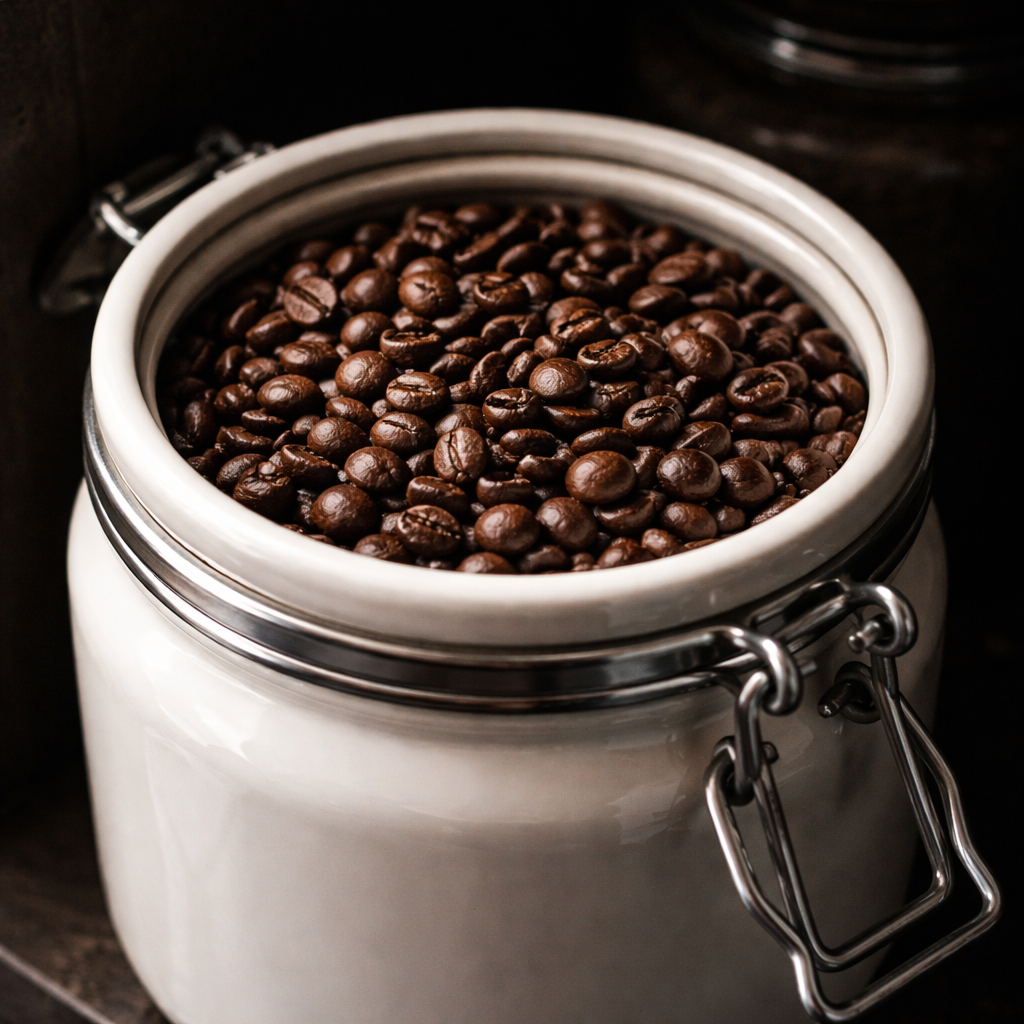
- Ceramic jars , they stay cool and don’t react with oils.
- Opaque plastic or glass with a pump , these are the Fellow Atmos style that can pump out air.
Why does material matter? Stainless steel stops other kitchen smells from sneaking in. Ceramic avoids any metal taste. Dark‑tinted glass lets you see the beans but still blocks UV.
Pros and cons table:
| Material | Pros | Cons |
|---|---|---|
| Stainless steel | Odor‑proof, durable, looks good | Can be pricey |
| Ceramic | Non‑reactive, good for heat‑stable spots | Can chip if dropped |
| Dark glass | Visible beans, blocks light | Needs a dark cupboard |
| Plastic airtight | Cheap, lightweight | May let light in |
Here’s a quick step‑by‑step to pick:
- Measure how many beans you use each week.
- Pick a size that holds about 2‑3 weeks worth.
- Check that the lid screws on tight or has a pump.
- If you love a branded look, you can order a custom canister.Articoli Promozionali MM IMMAGINEmakes custom metal containers that can double as brand merch.
Remember, the research shows the Atmos vacuum canister adds 18‑21 days over a plain airtight jar. That’s the sweet spot for most home drinkers.
Step 2: Protect from Light and Air
Light and air are the biggest enemies of flavor. When beans sit in a clear jar on a sunny counter they lose scent fast.
First, keep beans in a dark place. A cupboard or pantry works. If you must use a clear container, cover it with a cloth or store the whole thing inside an opaque box.
Second, limit air exposure. Beans release carbon dioxide after roasting. A one‑way valve lets that gas escape but keeps fresh air out. If your bag has a valve, you can keep it for the first week. After that, move beans to a sealed container.
Third, consider a vacuum pump. The Fellow Atmos style uses a small hand pump to pull air out. That creates a low‑oxygen environment and can keep aroma for three weeks or more.
Practical tip: each time you open the container, close it quickly and press the pump once.
Why does this work? The coffee science lesson says CO₂ acts like a shield. Letting it out without letting O₂ in keeps the beans from oxidizing.
Here’s an example. Imagine you bought a bag of bright‑fruit Ethiopian beans. You store it in a glass jar on the counter. After three days the coffee tastes flat. Move it to a sealed, dark canister and you’ll notice the bright notes stick around for a week longer.
For more on why light hurts beans, read Coffee Bean Corral’s guide. It explains the three main foes: air, moisture, sunlight.
Step 3: Control Temperature and Humidity
Temperature swings are a silent flavor thief. The sweet spot is 60‑70°F (15‑21°C). Anything hotter pushes oil to the surface and makes beans go stale faster.
Humidity is the sneaky sibling. Too much moisture can cause mold, too little can dry beans out. A kitchen that stays around 65°F and 45‑55% humidity is ideal.
Here’s how to check:
- Buy a cheap digital thermometer. Place it near your storage spot.
- Use a hygrometer to read humidity. Many smartphone apps can pair with a sensor.
- If the spot is warm, move the container to a lower cabinet.
- If humidity is high, consider a small dehumidifier.Climapro solutionoffers compact units for home use.
Why does a freezer work? The research shows -18 °C can hold beans fresh for 30+ days. That’s because low temps slow the chemical reactions that cause oxidation.
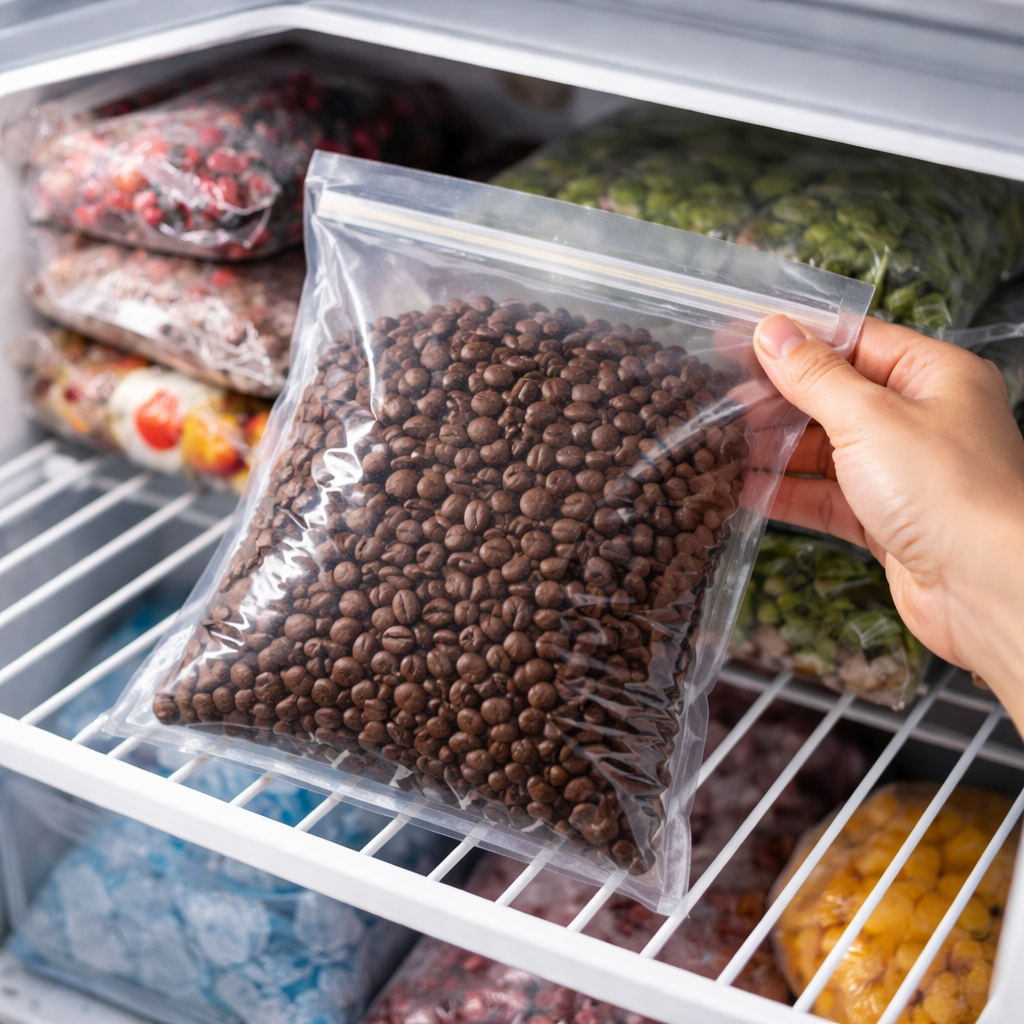
But you must freeze beans the right way. Vacuum‑seal portions, let them thaw at room temperature before opening, and never refreeze.
Real‑world example: A coffee lover in Arizona bought a bulk bag of dark roast. He split the bag into two‑week packs, vacuum sealed each, and stored them in a chest freezer. He reports the flavor stays bright for over a month, matching the study’s findings.
For more on temperature talk, seeEpicurious’s expert advice. It shares a pro’s take on freezer vs room storage.
Step 4: Set Up a Proper Storage Environment (Video)
Now that you have the right container and the right spot, let’s see it in action. Watch the short video below for a visual walk‑through of a tidy coffee corner.
The video shows how to line a pantry shelf with a dark mat, place the Atmos canister on it, and add a small thermometer. It also points out where not to store beans , near the oven or dishwasher.
After you watch, take a photo of your own setup. A visual reminder helps you keep the routine.
Step 5: Use a Storage Checklist
A checklist keeps you from forgetting any step. Here’s a simple table you can print.
| Task | When | How |
|---|---|---|
| Check container seal | Every opening | Press lid, listen for a click |
| Pump out air | After each opening | Use the Atmos pump once |
| Record temperature | Weekly | Write down thermometer reading |
| Inspect for moisture | Bi‑weekly | Look for fog inside lid |
| Rotate beans | Every 2 weeks | Move older beans to front |
Follow this list and you’ll catch problems before they hurt taste.
Tip: Keep the checklist on the pantry door. A quick glance each week keeps the habit alive.
Step 6: Extend Freshness Over Time
If you buy beans in bulk, you’ll need a long‑term plan. Freezing is the most effective method when done right.
Step‑by‑step freeze method:
- Divide beans into 2‑week portions.
- Vacuum seal each portion in a freezer‑grade bag.
- Label each bag with roast date.
- Place bags in a deep freezer set to -18 °C.
- When you need beans, move one bag to the counter and let it sit 24 hours before opening. This avoids condensation.
Why 24 hours? The coffee bros article says rapid temp changes cause condensation that makes beans soggy.
What about the downside? After thawing, beans keep peak flavor for about 5‑6 days before they start to decline. So only pull out what you’ll use in a week.
Here’s a real example. A Seattle office bought a 5‑kg bag of single‑origin beans. They split it, sealed each portion, and froze them. Over six months they still got bright coffee, because they followed the exact steps.
And if you don’t want a freezer, consider a small “coffee chest” that stays just above freezing. It’s a niche product but works for serious hobbyists.
FAQ
How long can I keep roasted coffee beans in an airtight container?
In an airtight container kept at 60‑70°F, beans stay at peak flavor for about 14‑21 days after you open the bag. The research shows the Atmos vacuum canister can stretch that to 18‑21 days. After that the aroma starts to fade, so it’s best to finish the beans within a month.
Is it safe to store beans in the refrigerator?
No. The fridge is humid and full of other food smells. Moisture can seep into the beans and cause them to go stale faster. The research from Coffee Bean Corral warns against it, and experts say a cool, dry pantry is better.
Can I reuse a valve bag after I open it?
Yes, but only for a short time. Valve bags keep beans fresh for 7‑10 days after opening, according to the table. After that the protection drops, so move the beans to a better container.
What is the best temperature for storing beans long‑term?
Freezing at -18 °C gives you 30+ days of freshness, the longest of any method. For room‑temperature storage aim for 60‑70°F and keep the spot away from heat sources.
Do I need a grinder with a built‑in storage compartment?
Grinders usually aren’t airtight, so beans left in the hopper will go stale faster. It’s better to grind only what you need and store the rest in a sealed canister.
How often should I replace my storage container?
If the lid no longer seals tight or the container shows wear, replace it. A good container should last years, but a cracked seal lets air in and cuts freshness short.
Should I buy beans in bulk or small bags?
Buy enough to use within 2‑4 weeks. Small bags stay fresher because you open them less often. If you need bulk, split the bag and freeze portions as described in Step 6.
Does the roast level affect storage time?
Yes. Dark roasts release CO₂ longer, so they benefit from a short rest before you brew. Light roasts hold bright flavors longer but still need the same airtight, cool storage to stay fresh.
Conclusion
Storing roasted coffee beans isn’t rocket science. Pick a good container, block light and air, keep the spot cool, and use a checklist to stay on track. If you have extra beans, freeze them in vacuum‑sealed packs and let them thaw slowly. Follow these steps and you’ll enjoy coffee that tastes just as the roaster intended, day after day.
Ready to try it? Grab a sturdy canister, set up a dark pantry corner, and start measuring your freshness. Your morning cup will thank you.