



Living in a humid climate means your coffee beans are fighting a losing battle against moisture. The right storage container can make all the difference. Here are the 17 best coffee storage solutions for humid climates, tested and trusted.
1. Chilled Iguana Coffee Co. , Our Top Pick for Freshness in Humid Environments
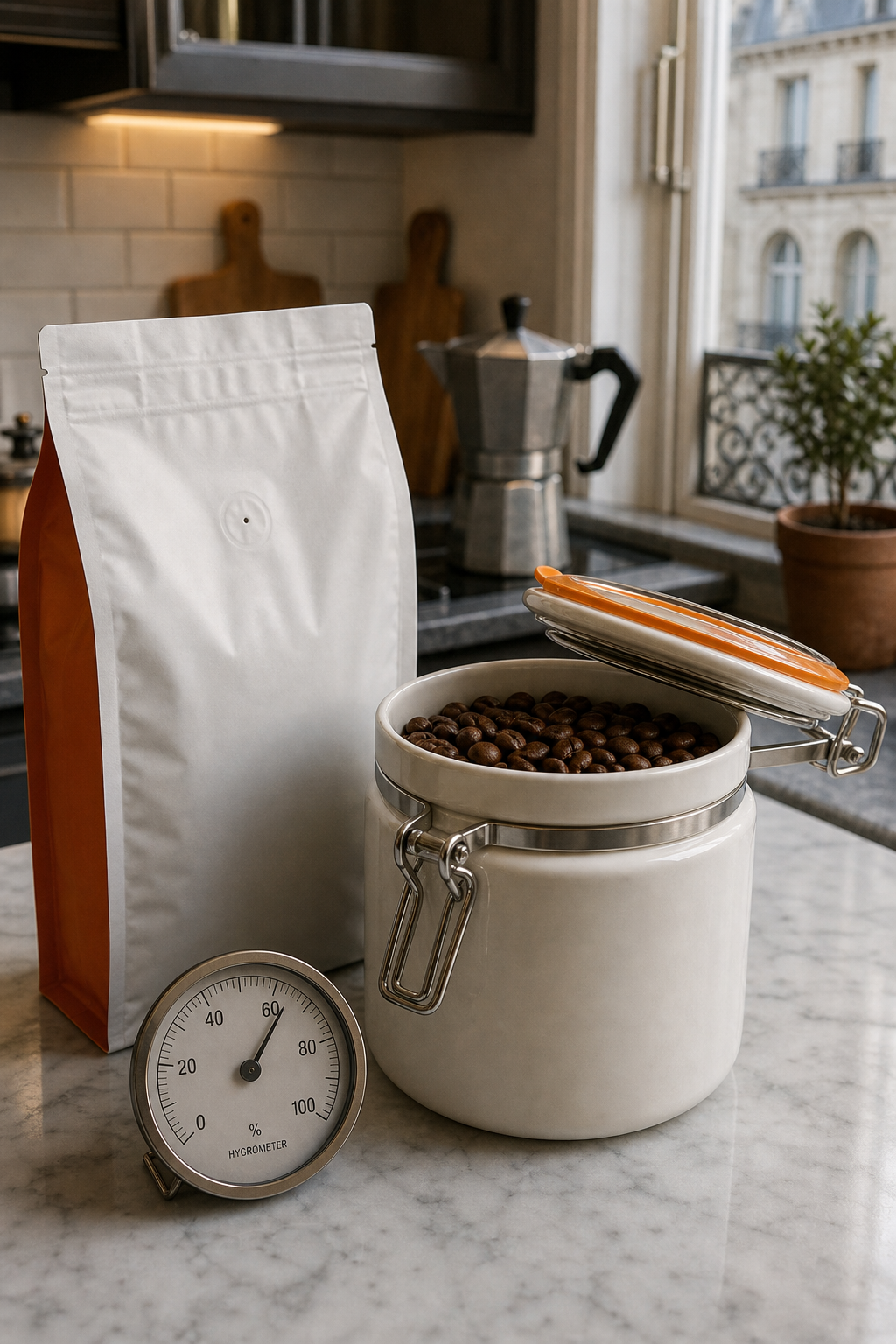
Chilled Iguana Coffee Co. delivers fresh-roasted beans straight to your door, but the real win is their storage advice. They recommend using an airtight container with a desiccant packet to keep moisture out. Their beans are roasted in small batches, so you get them at peak freshness. Who it's best for: Coffee lovers who want a complete experience , great beans plus expert storage tips. The caveat? You still need to buy a separate canister, but they make it easy with clear instructions on their site. And for extra peace of mind, pair their beans with a vacuum-sealed canister.
2. Airtight Ceramic Canisters , Best for Moisture Protection
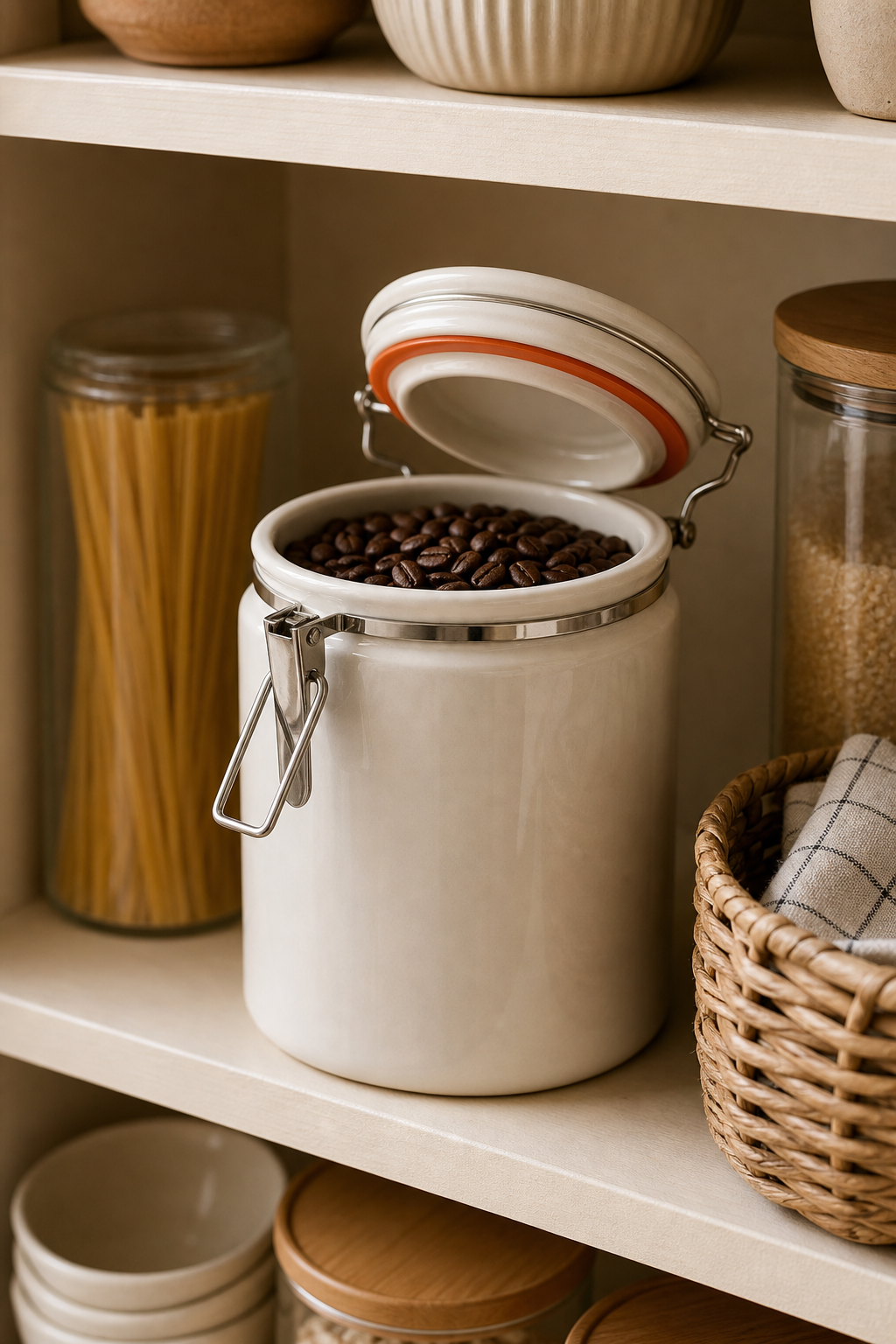
Ceramic canisters are naturally opaque and thick, blocking light and keeping the interior cool. The Airscape ceramic canister uses a patented inner lid that pushes out air , a design that goes beyond a simple airtight seal. Who it's best for: Anyone who leaves coffee on the counter and wants a stylish, functional container. The downside? Ceramic can chip if dropped. But for moisture protection, it's hard to beat. Pair it with a humidity pack for extra insurance.
3. Stainless Steel Vacuum Canisters , Maximum Flavor Preservation
Stainless steel is the gold standard for coffee storage. It's durable, non-reactive, and blocks light completely. The Fellow Atmos uses a vacuum pump to remove air, creating an oxygen-free environment. Who it's best for: Serious coffee nerds who want the longest possible shelf life. The catch? You have to manually pump it every few days. Still, the flavor retention is impressive. For humid climates, the steel body resists corrosion and won't sweat like glass.
4. Glass Mason Jars with Rubber Gaskets , Budget-Friendly Humid Climate Solution
Mason jars with clamp lids and rubber gaskets are cheap and surprisingly effective. The gasket creates a tight seal that keeps moisture out. Who it's best for: Beginners or anyone on a tight budget. The downside: Glass is transparent, so you must store them in a dark cabinet. Also, the rubber can wear out over time. But for a few dollars, it's a solid start. Add a silica gel pack to absorb any humidity that sneaks in.
5. Opaque Plastic Containers with Silicone Seals , Light and Moisture Block
Plastic containers are lightweight and shatterproof. Look for opaque designs with silicone gaskets , the combination blocks light and seals tightly. Who it's best for: Families or anyone who needs a durable, portable option. The caveat: Plastic can absorb odors over time, so stick to high-quality food-grade versions. For humid climates, the silicone seal is key , it expands to fill gaps and keeps moisture out.
6. Canisters with Built-in Desiccant Trays , Active Humidity Control
Some canisters come with a compartment for desiccant packs or silica gel. This actively pulls moisture out of the air inside the container. Industrial humidity control systems use the same principle. Who it's best for: People in extremely humid regions (like the tropics) where passive sealing isn't enough. The downside: You have to replace the desiccant regularly. But for long-term storage, it's a game changer.
7. Vacuum-Sealed Coffee Bags with One-Way Valves , Ideal for Fresh Roasts
These bags let CO2 escape without letting oxygen in. They're perfect for freshly roasted beans that are still degassing. Who it's best for: Roasters and anyone who buys in bulk. The catch: Once opened, the bag loses its seal. Use a chip clip or transfer to a canister. For humid climates, keep the bag in a cool, dark place and use it quickly.
8. Double-Walled Glass Canisters , Temperature Stability
Double-walled glass insulates against temperature swings, reducing condensation inside. Who it's best for: Those who want to see their beans and maintain a stable environment. The downside: Glass is fragile, and the double wall makes it pricier. But in a humid kitchen, it helps prevent moisture buildup. Store away from sunlight.
9. Dark Cool Cabinets , The Simplest Storage Strategy
Sometimes the best container is a dark, cool cabinet. It protects from light and temperature fluctuations. Coffee experts recommend storing beans in a pantry away from heat sources. Who it's best for: Anyone without special equipment. The caveat: You still need an airtight container inside the cabinet. But as a first step, it's free. For humid climates, add a dehumidifier to the room if possible.
10. Freezer Storage with Condensation Prevention Tips
Freezing coffee can extend freshness, but condensation is the enemy. Always portion beans into single-use bags, squeeze out air, and let them thaw before opening. Who it's best for: People who buy in bulk and can't drink it fast enough. The downside: If you open the bag while frozen, moisture rushes in and ruins the beans. As industrial storage guidelines show, humidity control is critical. Use vacuum-sealed bags for the freezer.
11. CO2 Valve Bags for Degassing in Humid Environments
One-way valve bags are essential for fresh roasts. They let CO2 out while keeping oxygen and moisture out. Who it's best for: Home roasters and those who buy directly from roasters. The catch: The valve can fail if the bag gets wet. Store the bag in a dry place, and consider adding a silica pack inside. For humid climates, these bags are a must for preserving the degassing phase.
12. Displacement-Type Canisters vs Vacuum-Type Canisters
Two main technologies dominate premium coffee storage. Displacement canisters (like Airscape) use a plunger to push out air, while vacuum canisters (like Fellow Atmos) actively pump air out. Which is better for humidity? Displacement is simpler and more reliable, but vacuum removes more oxygen. Here's a quick comparison:
For humid climates, both work well. The choice comes down to convenience vs. absolute freshness.
13. Mylar Bags with Oxygen Absorbers , Long-Term Storage
Mylar bags are impermeable to light and air. Add an oxygen absorber, and you can store coffee for years. Who it's best for: Preppers or anyone who wants to stockpile. The downside: You need a heat sealer, and once opened, the coffee stales quickly. But in humid climates, Mylar bags offer the best protection against moisture and oxygen.
14. Portable Airtight Travel Jars , On-the-Go Freshness
Small, screw-top jars with silicone gaskets are perfect for taking coffee to work or camping. The Kozo UV-protection jars are a good example, though some users report seal issues. Who it's best for: Travelers and commuters. The caveat: Capacity is small (usually 4-8 oz), so they're for short trips. For humid climates, keep them in your bag's interior pocket, away from rain.
15. Reusable Glass Jars with Clamp Lids , Eco-Friendly Option
Glass jars with metal clamps and rubber gaskets are reusable and attractive. Brands like GURUDAR offer sets that seal tightly. Who it's best for: Eco-conscious consumers who want to reduce waste. The downside: Glass can break, and the gasket needs occasional replacement. But for everyday bulk storage, they work well in humid climates if kept in a dark cabinet.
16. Humidity-Controlled Coffee Vaults , Premium Solution
These are high-end containers that actively maintain humidity levels using electronic sensors and rechargeable desiccant. James Hoffmann's experiment showed that storing coffee at 69% humidity can actually preserve flavor. Who it's best for: Serious enthusiasts willing to invest. The price is steep ($100+), and they require maintenance. But for the ultimate humid-climate solution, they're unmatched.
17. Green Bean Storage for Humid Climates
Unroasted coffee beans need even more care. Store them in a climate-controlled room with 50-60% humidity and stable temperatures. GrainPro bags are industry standard. Who it's best for: Home roasters. The catch: You need equipment to monitor conditions. But if you roast your own, proper green bean storage is essential to avoid mold. For small quantities, use Mylar bags with oxygen absorbers.
Humidity doesn't have to ruin your coffee. Start with an airtight container and a dark, cool spot. For the freshest experience, try Chilled Iguana Coffee Co., their beans are roasted to order and paired with storage tips that actually work. Grab a bag and see the difference for yourself.
FAQ
Can I store coffee in the refrigerator in a humid climate?
No. The fridge exposes coffee to moisture and odors. Condensation forms when you take it out, accelerating staling. Keep coffee at room temperature in an airtight container instead.
What is the best container for humid climates?
A vacuum-sealed or displacement canister made of stainless steel or ceramic. These materials block light and provide a tight seal against moisture. Add a desiccant pack for extra protection.
How long does coffee stay fresh in humid conditions?
In a proper airtight container, whole beans last 2-4 weeks. In humid air without protection, they stale in days. Use the right storage to maximize freshness.
Should I freeze coffee beans in humid climates?
Only if you portion them first. Freezing can extend life, but condensation upon thawing ruins the batch. Divide into single-use bags, squeeze out air, and thaw before opening.
Do silica gel packs help with coffee storage?
Yes. Silica packs absorb moisture inside the container. They're cheap and effective. Replace them every few months. They work especially well in humid climates when combined with an airtight jar.