



Table of Contents
- What Makes Specialty Coffee Different
- Breaking Down the Cost: What You're Actually Paying For
- Benefits of Fresh Roasted Coffee at Home
- How to Brew Specialty Coffee at Home
Last Updated: August 29, 2026
What Makes Specialty Coffee Different
Specialty coffee is a measurable standard, not just marketing. The difference between a $3 bag of grocery store beans and a $17 single-origin bag comes down to how beans are grown, processed, and roasted.
Specialty-grade coffee starts with farming. Quality-focused growers plant at higher altitudes where the climate forces plants to develop complex flavor compounds. Beans are then processed using specific methods, washed, natural, or honey process, each creating distinct flavor profiles. This is where tasting notes like caramel, berry, citrus, or chocolate come from: the bean's development, not additives.
A specialty roaster roasts in small batches and prints the roast date on the bag. Grocery store coffee often sits in warehouses for months, losing flavor weekly. Specialty Coffee Association standards define specialty-grade based on cupping scores and defect limits. Most commercial coffee never reaches that threshold.
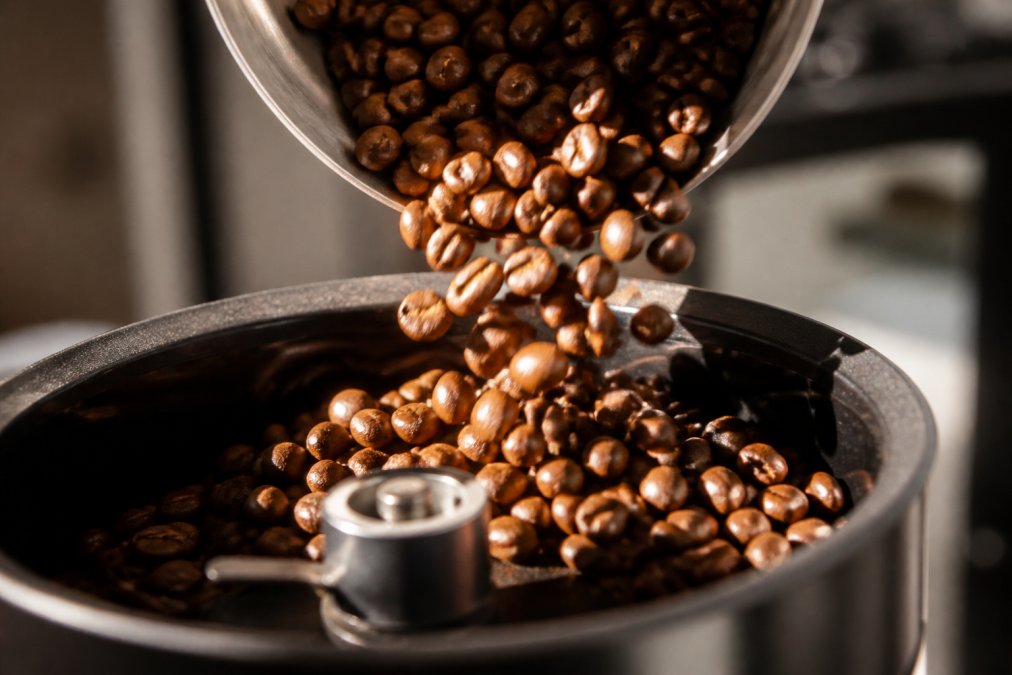
The real difference is control. Specialty coffee has a traceable supply chain from farm to cup.
Breaking Down the Cost: What You're Actually Paying For
Direct trade and fair pricing. Specialty roasters often buy directly from farmers, cutting out middlemen. Farmers get paid double or triple what commodity growers receive, intentionally built into the price.
Small-batch roasting. Specialty roasters work in 25-50 pound batches, adjusting heat and timing for each lot. This precision costs more in labor and equipment time than commercial roasting of thousands of pounds at once.
Sourcing and curation. Someone tastes dozens of coffees, visits farms, builds relationships, and selects only quality lots. That expertise isn't free.
Freshness guarantee. Specialty coffee loses quality fast. Roasters roast to order in small quantities and ship quickly, costing more than warehousing bulk commodity coffee for months.
Packaging and traceability. Specialty bags include roast dates, tasting notes, processing methods, altitude, and farm names. The bags themselves are higher quality than generic commodity labels.
When you break it down per cup, specialty coffee adds roughly $1 to $1.20 per serving, the actual premium for quality, freshness, and ethical sourcing.
Benefits of Fresh Roasted Coffee at Home
Flavor clarity. Stale coffee tastes flat and bitter. Fresh-roasted beans within 2-3 weeks of roasting have bright, distinct flavors that actually taste like something.
Better brewing results. Fresh beans release CO2 during degassing, affecting how water flows through grounds. Older beans don't degas properly, leading to weak coffee. Fresh beans work better with any brewing method.
Consistency. Buying the same single-origin coffee repeatedly means you know what to expect. Specialty roasters maintain flavor profiles across batches, unlike constantly-changing grocery store blends.
Ritual and engagement. Knowing your coffee came from a specific farm creates intentionality. For people working from home, this small ritual matters.
How to Brew Specialty Coffee at Home
You don't need expensive equipment. What matters is controlling three variables: water temperature, grind size, and brew time.
Start with the basics. A burr grinder and any brewing method, pour-over, French press, AeroPress, or drip machine, will work. Grind right before brewing; ground coffee oxidizes fast.
Water temperature. Brew between 195-205°F. Boiling water burns grounds and creates bitterness. Let boiling water cool for 30 seconds before pouring.
Grind size matters. Finer grinds for shorter brew times (espresso, pour-over), coarser grinds for longer times (French press). If coffee tastes sour, use a finer grind or longer brew time. If bitter, go coarser or faster.
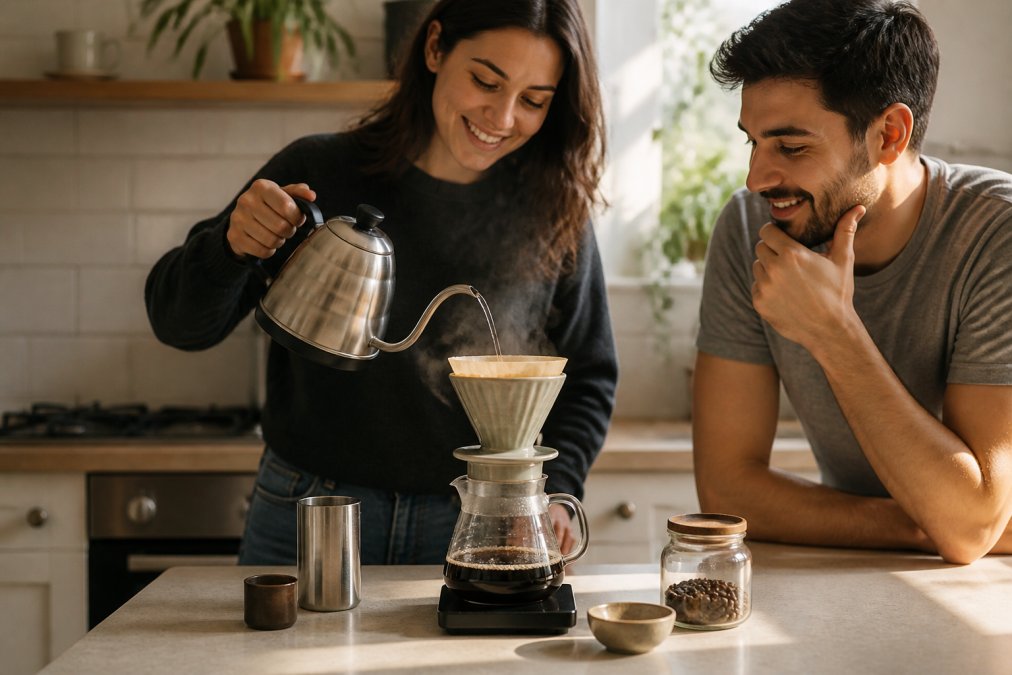
The simple formula. Use a 1:16 ratio of coffee to water by weight. One gram of coffee to 16 grams of water works across all brewing methods.
The gap between "coffee" and specialty coffee comes down to intention, from growing to roasting to brewing. Most people who try fresh-roasted specialty coffee once don't go back. At Chilled Iguana Coffee Co., customers who taste our Best Sellers Sample Pack discover the difference across six roasts and understand why stale grocery store beans waste their money. Start with a sampler, find what you like, and let fresh-roasted coffee from Chilled Iguana Coffee Co. become part of your routine.

Frequently Asked Questions
What is the difference between specialty coffee and regular grocery store coffee?
Specialty coffee comes from single-origin farms or carefully curated blends scored 80+ by the Specialty Coffee Association, while commercial-grade coffee is often a mix of lower-quality beans. Specialty beans are roasted fresh and retain complex flavor notes like citrus, caramel, and honey. Regular grocery store coffee is typically older, less traceable, and roasted for shelf stability rather than flavor complexity. The difference becomes obvious once you taste both side by side.
Does fresh roasted coffee really taste noticeably better?
Yes. Fresh roasted coffee peaks in flavor 3-14 days after roasting, when CO2 release and flavor compounds are optimal. Grocery store coffee is often months old, resulting in flat, stale flavors. The acidity, body, and aroma of specialty coffee are dramatically more vibrant when fresh. Most people notice the difference immediately, especially if they've been drinking older coffee their whole life.
How does the specialty coffee scoring system work?
The Specialty Coffee Association uses trained cuppers to score beans on a 100-point scale across categories like aroma, flavor, acidity, body, and aftertaste. Scores of 80-85 are considered specialty grade, 85-90 are excellent, and 90+ are exceptional. Each point increase represents measurable improvements in bean quality, processing, and terroir. This standardized system helps consumers identify genuinely superior coffee versus marketing hype.
This article was written using GrandRanker