



Table of Contents
- What Makes Specialty Coffee Different
- The Coffee Roast Date Importance
- How to Identify Specialty Grade Coffee
- Best Practices for Brewing Specialty Coffee
Last Updated: August 23, 2026
What Makes Specialty Coffee Different
Specialty coffee is a measurable distinction based on bean quality, sourcing transparency, and flavor complexity. Specialty-grade beans score 80 points or higher on the Specialty Coffee Association's cupping scale, while commodity coffee often scores in the 50s and 60s, the difference between beans selected for consistency and price versus beans selected for flavor potential (sca.coffee).
Single-origin specialty coffee tells you exactly where your beans came from. Grocery store blends mix beans from multiple countries and harvests, prioritizing consistency over character. Specialty roasters source directly from specific farms or cooperatives, so you know the altitude, processing method, and sometimes the farmer's name. This traceability connects you to the actual supply chain and usually means better farming practices.
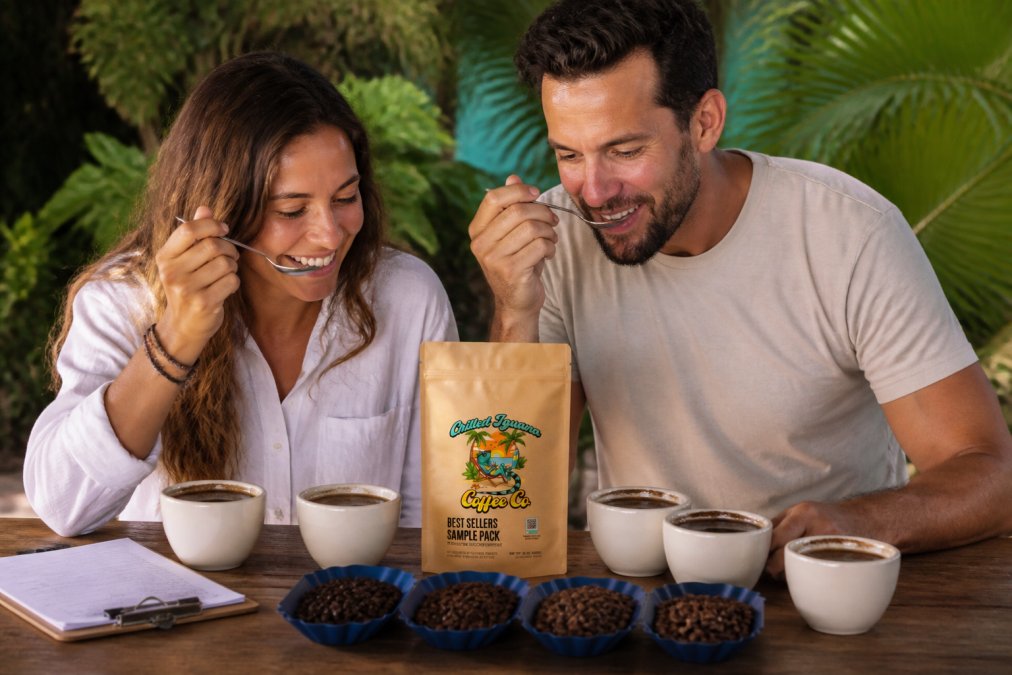
The Coffee Roast Date Importance
Roast date is everything. Coffee beans begin oxidizing the moment they're roasted, and that process accelerates over time. Most grocery store coffee has sat in warehouses and on shelves for weeks or months. Specialty roasters ship beans within days of roasting.
Fresh-roasted coffee undergoes degassing in the first 24-48 hours, where CO2 escapes and flavor develops (peer-reviewed research). A coffee that's been degassing for two weeks tastes dramatically different from one that's been degassing for two months. The longer the wait, the more delicate notes fade and stale flavors dominate.
When you brew grocery store coffee, you taste oxidation, that flat, bitter quality. With specialty coffee only a week or two old, you taste the actual bean: citrus, chocolate, berry notes. The aroma alone tells you the difference.
Chilled Iguana Coffee Co. roasts beans fresh and ships them quickly, so coffee arrives during that optimal flavor window. Single-origins like Costa Rica or Colombia retain all their bright, nuanced notes.

How to Identify Specialty Grade Coffee
Look for three things on the bag: roast date, single-origin designation, and cupping notes.
Roast date should be printed clearly. A legitimate specialty roaster always shows this because they're proud of freshness.
Single-origin means all beans come from one farm, region, or country. The bag should specify the region, altitude, and often the farm name or cooperative. This traceability separates specialty from commodity.
Cupping notes describe the flavor profile, terms like "citrus," "chocolate," "berry," and "acidity." These come from professional tasting and tell you what to expect.
| What to Look For | Specialty Coffee | Grocery Store Coffee |
|---|---|---|
| Roast Date | Printed on bag, within 2-4 weeks | Missing or vague |
| Origin | Single-origin or named blend | "Coffee blend" or unlisted |
| Flavor Notes | Specific (citrus, chocolate, berry) | Generic (smooth, bold) |
| Processing Method | Listed (washed, wet-hulled, etc.) | Usually absent |
| Altitude / Region | Specific details included | Not provided |
Best Practices for Brewing Specialty Coffee
Specialty coffee demands slightly more attention than grocery coffee because it's worth it. The goal is extraction: pulling the right amount of flavor without over-extracting (bitterness) or under-extracting (sourness).
Start with grind size. Finer grinds extract faster, coarser grinds extract slower. For drip machines, use medium grind. For French press, go coarser. For espresso, fine. Match grind to brew method so specialty coffee's complexity shows up.
Water temperature matters. Brew between 195-205°F (sca.coffee). Too hot extracts bitter compounds; too cool misses sweet, fruity notes. A simple kettle thermometer solves this.
Use fresh water. Coffee is 98% water, so water quality directly affects taste. Grind just before brewing, pre-ground coffee loses aroma within minutes. A burr grinder produces consistent particle size for consistent extraction.
Aim for 1 part coffee to 16 parts water as a baseline. Bloom your grounds for 30-45 seconds before full brewing by pouring just enough hot water to saturate them, then wait. This releases CO2 and improves extraction significantly.
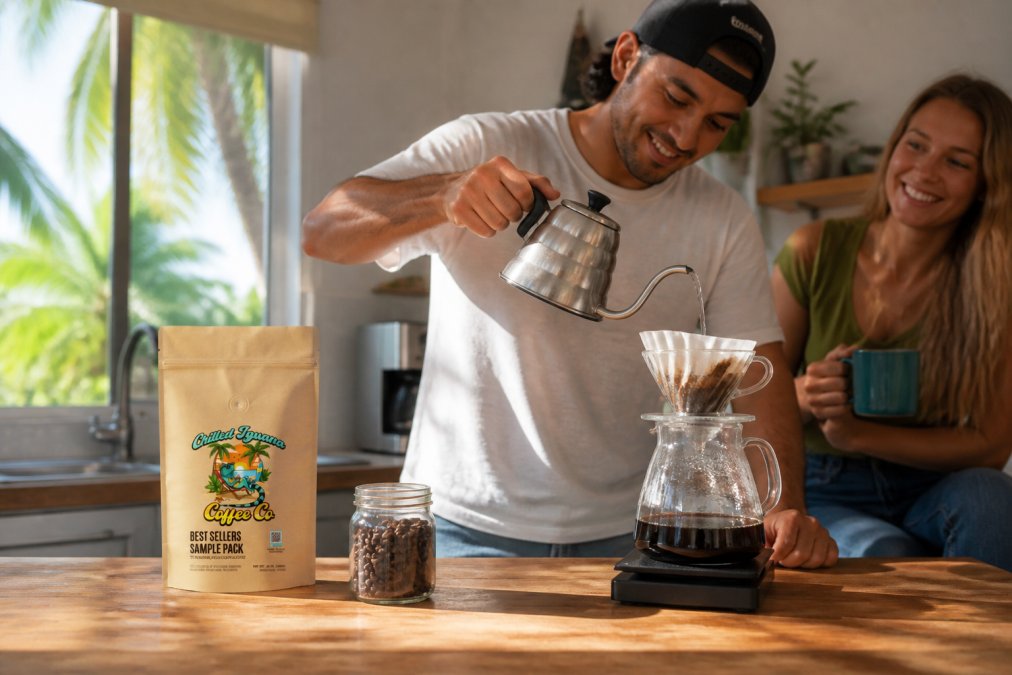
The Best Sellers Sample Pack from Chilled Iguana Coffee Co. is an excellent way to explore different single-origins and brewing styles. Each bag comes fresh-roasted, so you're tasting coffee at its peak.

Frequently Asked Questions
What defines specialty grade coffee versus commercial grade?
Specialty grade coffee scores 80 points or higher on a 100-point cupping scale, meaning it has no significant defects and displays distinct flavor characteristics. Commercial-grade coffee scores below 80 and often contains defects, stale beans, or inconsistent flavor. Specialty coffee emphasizes single-origin traceability, specific tasting notes like citrus or chocolate, and careful processing. Commercial coffee prioritizes volume and shelf-stability over flavor complexity, which is why grocery store coffee tastes flat or bitter.
How does the coffee roast date importance affect freshness and flavor?
Coffee begins to oxidize and lose flavor immediately after roasting. Specialty coffee roasters print roast dates on bags so you know exactly when beans were processed. Beans roasted within 2-4 weeks deliver peak flavor, aroma, and bloom during brewing. Grocery store coffee often lacks roast dates or sits on shelves for months, causing oxidation that produces stale, bitter notes. Fresh-roasted specialty coffee maintains vibrant acidity, complex notes, and aromatic oils that grocery alternatives simply cannot match.
Will specialty coffee taste noticeably better if I use a basic coffee maker?
Yes. Specialty coffee's superior bean quality, freshness, and flavor profile shine even in simple brewers. A basic drip machine will produce a cleaner, brighter cup than grocery store coffee because the beans contain more desirable compounds. However, specialty coffee truly excels when paired with best practices for brewing specialty coffee, such as grinding fresh, using correct water temperature (195-205°F), and proper brew time. Even a basic setup benefits dramatically from switching to specialty beans.
The real difference between specialty coffee and grocery coffee comes down to freshness, sourcing, and flavor complexity. Once you taste fresh-roasted, single-origin specialty coffee brewed properly, grocery store coffee becomes noticeably flat. Explore Chilled Iguana Coffee Co.'s curated selection of fresh-roasted specialty beans sourced from around the world, each bag arrives at your door ready to deliver the brightness, nuance, and character that makes specialty coffee worth the choice.
This article was written using GrandRanker