



Table of Contents
- Check Third-Party Coffee Certifications List
- Understand Fair Trade vs Direct Trade Coffee
- Review Supply Chain Transparency and Traceability
- Best Practices for Ethical Coffee Consumption
Last Updated: August 24, 2026
How to verify ethical coffee sourcing matters more than ever. Coffee lovers want assurance their purchase supports fair practices, environmental stewardship, and farmer livelihoods. But marketing claims and certification logos can be confusing. Here's how to cut through the noise and verify ethical coffee sourcing.
Check Third-Party Coffee Certifications List
Third-party certifications are your first checkpoint for verifying ethical coffee sourcing. Major certifications include Fair Trade Certified, Rainforest Alliance, UTZ Certified, and organic certifications (fairtrade.net). Fair Trade focuses on minimum prices and direct farmer cooperatives (fairtrade.net). Rainforest Alliance emphasizes environmental sustainability and biodiversity (rainforest-alliance.org). UTZ targets supply chain transparency. Organic certification confirms the absence of synthetic pesticides and fertilizers.

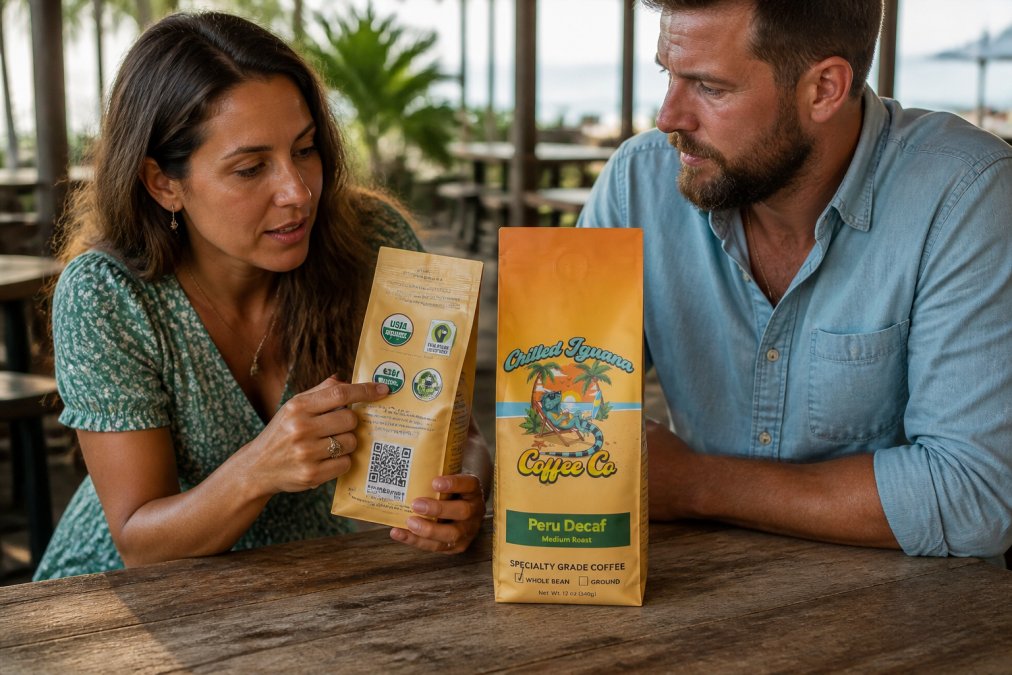
When evaluating coffee, verify the certification logo on the bag by visiting the certifying organization's website and searching for the farm or cooperative name in their public database. Counterfeit certifications exist, so cross-reference producer information with the certifier's records.
Understand Fair Trade vs Direct Trade Coffee
Fair Trade and Direct Trade represent two different philosophies for ethical sourcing.
Fair Trade emphasizes structured minimum prices and cooperative relationships. Farmers receive at least a floor price plus a social premium for community projects. The strength is predictability; farmers know their minimum payment regardless of market fluctuations.
Direct Trade cuts out middlemen. Roasters buy directly from specific farms at prices above commodity rates, emphasizing personal relationships and transparency. You can often trace coffee to the exact farm and farmer. The trade-off is that Direct Trade claims are harder to verify independently since there's no standardized certification body.
If you want guaranteed minimum prices and cooperative support, Fair Trade delivers. If you want maximum transparency and direct farmer relationships, Direct Trade offers that, but research the roaster's credibility carefully.
Review Supply Chain Transparency and Traceability
Supply chain transparency separates genuine ethical commitments from marketing when verifying ethical coffee sourcing.
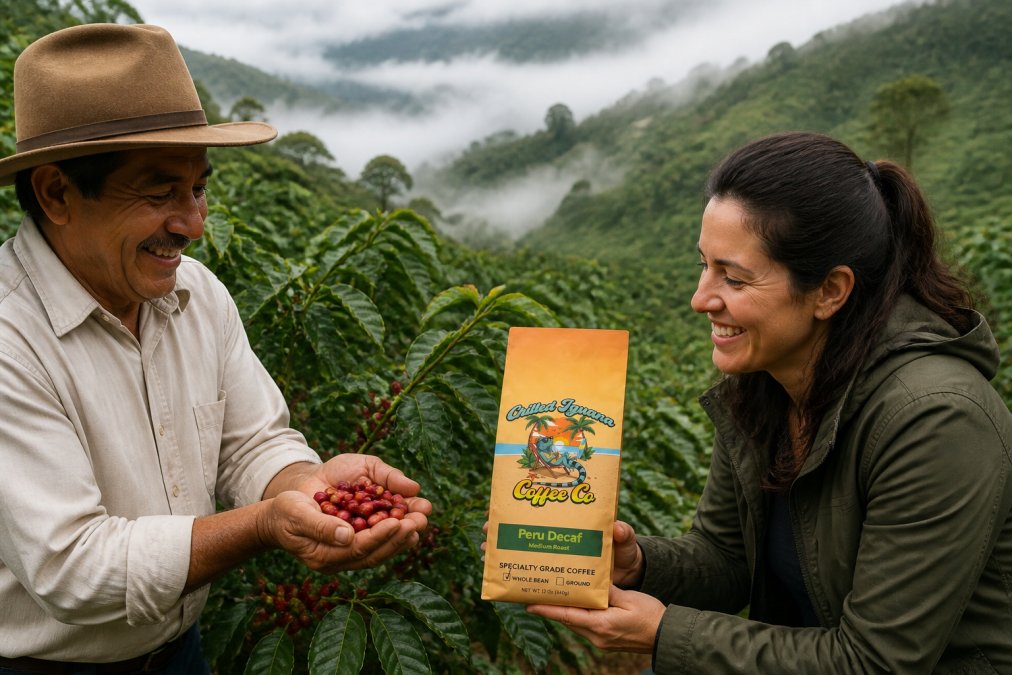
Check if the roaster publishes transparency reports detailing where beans come from, which farms supplied them, what prices were paid, and what environmental practices were used. Specific information like "beans from Cooperativa Agricola de Servicios Norandino in Peru's Piura region" demonstrates actual traceability. Vague statements like "sourced responsibly from Central America" reveal nothing.
Look for QR codes on coffee bags linking to supply chain information. Ask roasters directly: Can they name specific farms? What prices did they pay per pound? Roasters committed to ethical sourcing welcome these questions. The strongest signal is annual impact reports showing farmer payments, environmental metrics, and community investments.
Best Practices for Ethical Coffee Consumption
Once you've verified ethical coffee sourcing, your consumption choices matter too.
Buy directly from roasters rather than retail intermediaries to support supply chains more effectively. Rotate between different origins and roasters to strengthen the market for responsible sourcing. Store beans properly in an airtight container away from light and heat, and brew within two weeks of purchase.
Verifying ethical coffee sourcing takes effort, but it's the only way to ensure your purchase supports the practices you care about. Look beyond logos to transparency reports, ask roasters direct questions about their supply chains, and understand the difference between Fair Trade and Direct Trade models. When you're ready to purchase beans you can trust, Chilled Iguana Coffee Co. brings ethical sourcing directly to your doorstep. Our single-origin selections like Costa Rica beans from micro farms in Alajuela and Colombia coffee from smallholder farmers in Medellin come with full supply chain transparency, so you know exactly where your coffee comes from and how it supports farmer livelihoods. Start your ethical coffee journey with Chilled Iguana Coffee Co.

| Certification Type | Focus Area | Best For |
|---|---|---|
| Fair Trade Certified | Minimum prices and cooperative support | Guaranteed farmer payments |
| Rainforest Alliance | Environmental sustainability | Biodiversity protection |
| UTZ Certified | Supply chain transparency | Traceability verification |
| Organic Certification | Chemical-free farming | Health-conscious consumers |
Frequently Asked Questions
Q: What is the difference between Fair Trade and Direct Trade coffee?
A: Fair Trade coffee involves third-party certification and a minimum price guarantee set by Fair Trade organizations, ensuring farmers receive fair compensation through established standards. Direct Trade means roasters work directly with farmers or small cooperatives, often paying premium prices above commodity market rates. Direct Trade offers more control over relationships but lacks independent verification, while Fair Trade provides audited compliance. Both aim to improve farmer livelihoods, but through different verification models.
Q: What are the most reliable third-party certifications for ethical coffee?
A: Look for Fair Trade Certified, Rainforest Alliance, UTZ Certified, and Organic certifications as the most established third-party verifications. Each has specific audited compliance standards for labor conditions, environmental stewardship, and farm-gate pricing. Some roasters display multiple certifications, indicating they meet higher sustainability thresholds. Check the certification body's website to verify the coffee producer is actually listed in their directory, as greenwashing exists in the industry.
Q: How can I tell if a coffee brand is actually paying farmers a living wage?
A: Request or look for the roaster's transparency report, which should detail the price paid to farmers for green beans. Compare this against the commodity market price for that region and year. Ethical roasters openly share farm names, cooperative details, and pricing structures. If a roaster cannot or will not share this information, that's a red flag for supply chain transparency.
This article was written using GrandRanker