



Table of Contents
- What Makes Coffee Ethically Sourced
- Fair Trade Coffee Certification Standards Explained
- Direct Trade vs Fair Trade Coffee: Which Matters More
- How to Identify Sustainable Coffee Brands When Shopping Online
Last Updated: August 18, 2026
What Makes Coffee Ethically Sourced
When you buy ethically sourced coffee beans online, you're making a choice that extends far beyond flavor. Ethical sourcing means the farmers who grew your beans received fair compensation, worked under safe conditions, and farmed in ways that protect the environment. It's the difference between supporting exploitative supply chains and supporting real people building sustainable livelihoods.
The core of ethical sourcing rests on three pillars: fair wages for farmers, environmental stewardship, and supply chain transparency. Many coffee farmers in developing regions have historically been paid prices that barely cover production costs. Ethical sourcing flips this equation, it ensures growers receive living wages and stable income, which allows them to invest in their families and communities.
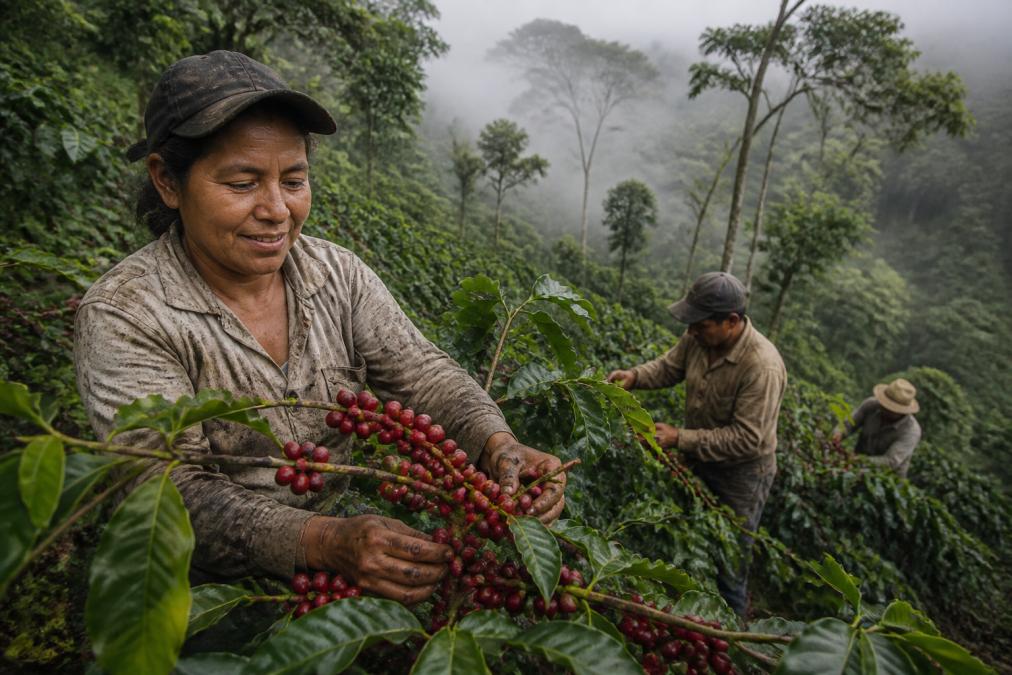
Environmental stewardship is equally critical. Sustainable agriculture practices, shade-grown cultivation, organic farming methods, and pesticide-free soil management, protect biodiversity and preserve soil health for future generations. When you choose ethically sourced coffee, you're supporting small-scale farmers who prioritize the land alongside their harvest.
At Chilled Iguana Coffee Co., we source exceptional beans from all over the world with these principles in mind. Transparency in the supply chain means you can trace your coffee back to the specific cooperatives and micro-farms that grew it. This traceability builds trust and ensures accountability at every step from farmer to cup.
Fair Trade Coffee Certification Standards Explained
Fair trade certification serves as a third-party guarantee that coffee meets specific ethical and environmental standards. When you see a fair trade label on a bag of beans, it signals that independent auditors have verified the producer's practices.
Fair trade standards require that cooperatives and small-scale farmers receive a minimum price floor for their coffee, protecting them from market volatility. Beyond price, fair trade certification mandates safe working conditions, prohibits child labor, and requires environmental compliance. Producers must invest a portion of their earnings into community development projects, schools, healthcare facilities, clean water systems, decided by the farmers themselves.
The certification process involves regular inspections and documentation. Farmers must maintain records showing labor practices, pesticide use, and environmental management. This accountability creates real consequences for violations and genuine incentives for improvement.
Direct Trade vs Fair Trade Coffee: Which Matters More
Direct trade and fair trade represent different approaches to ethical sourcing, each with distinct advantages. Understanding the difference helps you make informed choices when you buy ethically sourced coffee beans online.
Fair trade certification is the more established model. It relies on standardized criteria, third-party auditing, and price floors that protect farmers from market crashes. Fair trade works best for larger cooperatives and established supply chains where multiple intermediaries exist between farmer and roaster.
Direct trade cuts out middlemen entirely. Roasters work directly with individual farms or small farmer groups, often visiting the origin to build relationships and negotiate prices. Direct trade typically results in higher prices paid to farmers, sometimes 2-3 times the fair trade minimum, because there's no certification body taking a cut and no price negotiation through layers of traders.
The trade-off: direct trade offers deeper relationships and potentially higher farmer income, but it's harder to verify at scale. You're relying on the roaster's integrity and their direct connection to the farm. Fair trade offers standardized verification and consistent standards across thousands of producers, but the certification process can feel bureaucratic.
Many specialty roasters, including Chilled Iguana Coffee Co., use direct relationships with origin partners to source premium single-origin beans. This approach allows us to know exactly where each batch comes from and to pay farmers what their exceptional quality deserves.
How to Identify Sustainable Coffee Brands When Shopping Online
Identifying truly ethical coffee online requires reading beyond marketing language. Here's how to separate genuine commitment from greenwashing.
Check for specific origin information. Ethical brands name the farm, cooperative, or region with precision. "Colombian coffee" is vague. "Coffee from Cooperativa Agricola de Servicios Norandino in Cajamarca" tells you exactly where your beans came from. When you buy ethically sourced coffee beans online, demand specificity, it signals real traceability.
Look for third-party certification. Fair trade logos, organic certification, or bird-friendly certification provide independent verification. These labels cost money and require ongoing compliance, so their presence suggests genuine commitment. Be skeptical of brands that claim ethical sourcing without any external verification.
Read the roaster's sourcing statement. Credible roasters explain their sourcing philosophy publicly. Do they visit farms? Do they pay above fair trade minimums? Do they work with the same partners year after year? Brands committed to ethical sourcing invest in these relationships and talk about them openly.

Research the roaster's transparency. Visit their website and look for supply chain details. Ethical brands publish information about their farmers, their pricing practices, and their environmental impact. If a roaster is vague or defensive about where their coffee comes from, that's a red flag.
Check for community investment. Many ethical coffee companies reinvest profits into origin communities. Look for mentions of school programs, healthcare initiatives, or farmer training programs. This demonstrates long-term commitment beyond the transaction.
When shopping for ethically sourced coffee online, start with roasters that publish detailed sourcing information and maintain consistent relationships with their origin partners. Chilled Iguana Coffee Co. sources from micro-farms in regions like Costa Rica and Peru, with beans like our Peru Decaf from Cooperativa Agricola de Servicios Norandino and our Colombia offering bright citrus notes from sustainable small-scale growers.

Buying ethically sourced coffee beans online is one of the most direct ways to support sustainable agriculture and fair wages for the farmers who make specialty coffee possible. The best approach combines checking for specific certifications, researching roaster transparency, and choosing brands that maintain long-term relationships with their origin partners. Chilled Iguana Coffee Co. brings that commitment to your doorstep with fresh roasted beans sourced from ethical producers worldwide, explore our Best Sellers Sample Pack to experience the difference ethical sourcing makes in every cup.

Frequently Asked Questions
How can I verify if a coffee brand is truly ethically sourced?
Look for third-party certifications like Fair Trade USA or Rainforest Alliance on the packaging. Check the roaster's website for supply chain transparency, ethical brands name their growers and regions. Ask about their sourcing practices directly; legitimate companies provide detailed information about farmer relationships and pricing. Brands like Chilled Iguana Coffee Co. source from cooperatives and micro-farms with documented traceability, allowing you to confirm ethical practices before purchasing.
What certifications should I look for when buying ethical coffee?
Fair Trade USA and Fair Trade Certified are the most recognized standards in the U.S., ensuring fair wages and environmental stewardship. Rainforest Alliance focuses on biodiversity and sustainable agriculture. Organic certification confirms pesticide-free farming. Bird-friendly certification protects shade-grown coffee ecosystems. Some roasters pursue carbon-neutral or carbon offset programs. Direct trade relationships, while not always certified, often mean higher farmer payments than Fair Trade minimums. Check multiple certifications on a single bag for the strongest ethical commitment.
What's the difference between Fair Trade and Direct Trade coffee?
Fair Trade works through cooperatives and third-party auditors to ensure minimum prices and working conditions across supply chains. Direct Trade bypasses middlemen, allowing roasters to buy directly from farms and often pay higher prices per pound. Fair Trade provides broader oversight and certification; Direct Trade offers more transparency but less standardized verification. Fair Trade protects small-scale farmers through guaranteed minimums; Direct Trade rewards quality and relationships. Both approaches support ethical consumption, but they work differently, Fair Trade is standardized globally, while Direct Trade varies by roaster.
Why should I pay more for ethically sourced coffee when grocery store coffee is cheaper?
Ethically sourced coffee ensures farmers earn living wages, supporting their families and communities rather than perpetuating poverty. It protects soil health and biodiversity through sustainable agriculture practices that avoid harmful pesticides. You receive fresher beans, specialty roasters roast in small batches and ship quickly, delivering superior flavor compared to mass-produced alternatives sitting on shelves for months. The higher price reflects actual production costs when farmers are paid fairly, environmental stewardship is implemented, and quality is prioritized. The taste difference is noticeable, especially for home baristas.
This article was written using GrandRanker