



Table of Contents
- Can Basic Coffee Machines Brew Specialty Beans?
- Best Grind Size for Drip Coffee Machines
- Coffee to Water Ratio for Drip Machines
- How to Brew Better Coffee at Home with Basic Equipment
Last Updated: August 30, 2026
Can Basic Coffee Machines Brew Specialty Beans?
Yes, basic coffee machines can brew specialty beans, but they won't unlock their full potential without technique. A standard drip machine lacks the precision controls that bring out nuanced flavors in single-origin and specialty-grade coffee. Grind size, water temperature, contact time, and dose-to-water ratio all matter. Get these wrong, and even premium beans taste flat or bitter.
At Chilled Iguana Coffee Co., you don't need expensive equipment to enjoy specialty coffee. This guide walks you through exactly how to maximize specialty beans in a standard drip machine. 🏝️
Best Grind Size for Drip Coffee Machines
The ideal grind size for drip machines is medium, like sea salt or coarse sand. This allows water to extract flavor compounds without pulling out excessive bitterness.
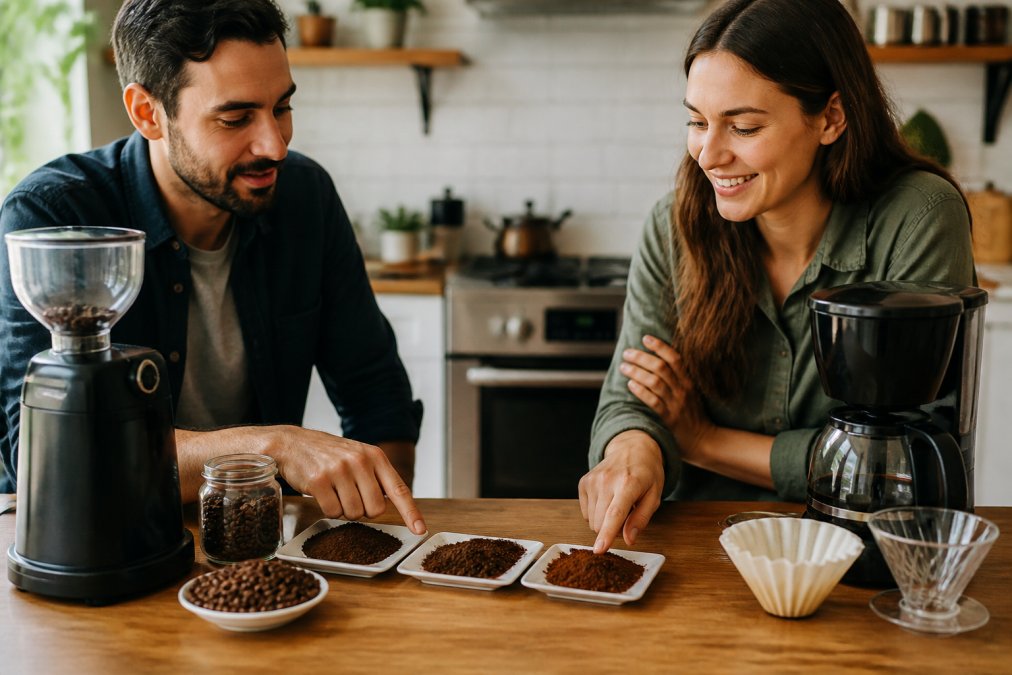
Water flows through the filter basket at a fixed rate. Too fine causes over-extraction and harsh taste. Too coarse causes under-extraction and sour, thin coffee.
A burr grinder (manual or electric) gives you consistent particle size. Blade grinders create uneven chunks and powder, leading to inconsistent extraction. For light roasts, grind slightly finer than medium to pull out their bright, fruity notes.
Coffee to Water Ratio for Drip Machines
The standard starting point is 1:16, one part coffee to 16 parts water by weight. For specialty beans, many brewers find 1:15 or 1:14 delivers better flavor clarity, especially with lighter roasts.
Use a basic kitchen scale to eliminate guesswork. Test 1:16 first. If the result tastes thin or sour, shift to 1:15. If it tastes bitter, move to 1:17. Small adjustments create noticeable differences with specialty beans.
How to Brew Better Coffee at Home with Basic Equipment
Brewing specialty beans in a basic drip machine comes down to controlling grind size, water temperature, and contact time.
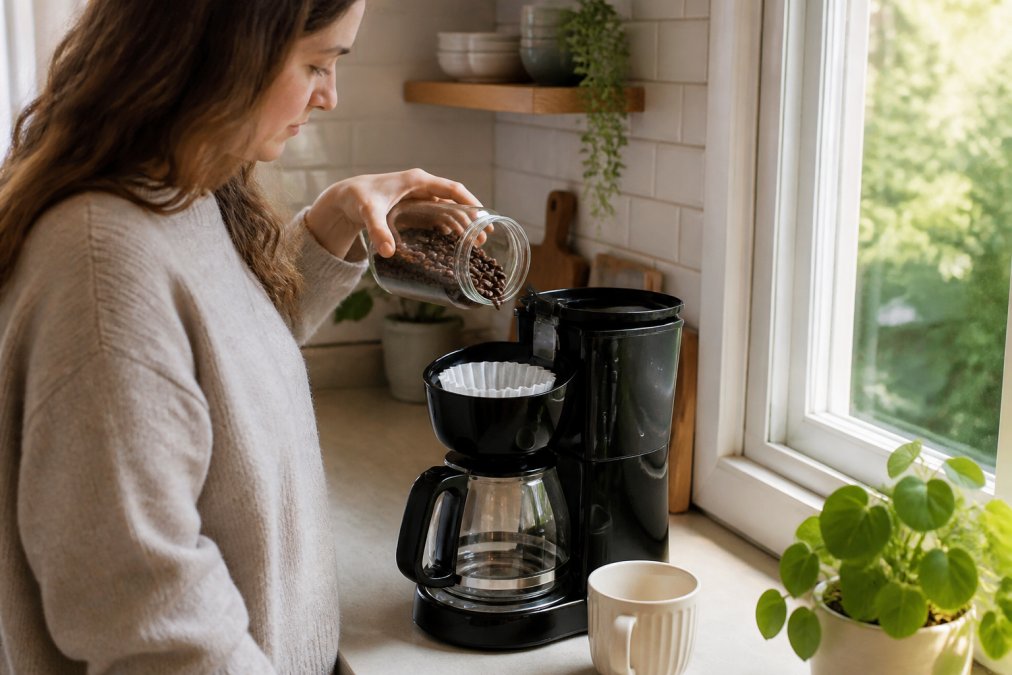
Step 1: Start with freshly roasted beans. Check the roast date on the bag, it should be within the last 2-3 weeks.
Step 2: Grind immediately before brewing. Use a burr grinder and aim for medium grind (medium-fine for light roasts).
Step 3: Use filtered water. Tap water contains minerals and chlorine that interfere with extraction. Use water just off the boil (195-205°F).
Step 4: Dial in your ratio. Measure grounds and water. Start at 1:16 and adjust based on taste. Sour means under-extracted (try 1:15 or finer grind). Bitter means over-extracted (try 1:17 or coarser grind).
Step 5: Brew and taste immediately. Coffee deteriorates once brewing finishes.
| Variable | Your Control | What It Affects |
|---|---|---|
| Grind size | Full control | Extraction speed and flavor balance |
| Water temperature | Limited (use filtered water just off boil) | Solubility and extraction completeness |
| Contact time | Indirect (through grind size) | How much flavor gets pulled out |
| Dose-to-water ratio | Full control | Strength and flavor intensity |
| Water quality | Full control (use filtered water) | Clarity and mineral interference |
Brewing specialty coffee at home doesn't require espresso machines or pour-over rigs. A basic drip machine, a burr grinder, filtered water, and attention to grind size and ratio deliver genuinely excellent results. The real difference between mediocre and exceptional coffee comes down to freshness and technique, not equipment.
Start with beans roasted within the last two weeks. Chilled Iguana Coffee Co.'s Best Sellers Sample Pack gives you five different specialty roasts to dial in your technique with beans that actually taste like something. You can get the Best Sellers Sample Pack for $22.99 at https://chillediguanacoffeeco.com/products/best-sellers-sample-pack-6bean-cowboy-breakfast-peru-mexico-bali.

Frequently Asked Questions
Can you brew specialty beans in a basic drip coffee maker?
Absolutely. Basic drip machines can extract excellent flavor from specialty beans when you control three variables: grind size, water temperature, and coffee-to-water ratio. The key difference between specialty and commodity coffee is the bean itself, the origin, processing, and roast profile, not the machine. A standard drip maker with fresh, properly ground specialty beans will deliver noticeably better flavor than grocery store coffee, even without expensive equipment.
What grind size works best for basic drip coffee machines?
Medium grind is ideal for drip machines. This size balances extraction and contact time. Too fine (like espresso grind) causes over-extraction and bitterness; too coarse (like French press) leads to under-extraction and sourness. A burr grinder gives you consistency, which matters more than the grind size itself. Grind immediately before brewing to preserve the aroma and oils in specialty beans.
How do I know if my basic machine can handle light roasts?
Light roasts have lower solubility than dark roasts, meaning they require slightly hotter water and longer contact time to extract properly. Most basic drip machines brew at 195-205°F, which is adequate. The real limitation is basket design, some machines have shallow baskets that don't allow water to saturate the grounds fully. If your machine has a standard-depth filter basket and you use medium grind with the right coffee-to-water ratio, light roasts will brew successfully.
This article was written using GrandRanker