



Got a bag of Florida Keys coffee and want to know what the notes really mean? Follow these five steps and you’ll read the flavor story like a pro.
Step 1: Learn the Flavor Profile of Florida Keys Coffee
Florida Keys blends aim for bright citrus, tropical fruit and a whisper of sea‑salt. The beans usually come from high‑altitude Arabica farms in Central America or the Caribbean, then roasted to let those island vibes shine.
When you open the bag, look for descriptors like orange zest, mango, pineapple or a light salty finish. Those words aren’t marketing fluff , they point to the natural compounds that survive the roast.
To train your nose, start by sniffing the dry grounds. Ask yourself: do I smell citrus? Do I catch a hint of caramel? Then brew a small cup and note how the aroma changes once the water extracts the oils.
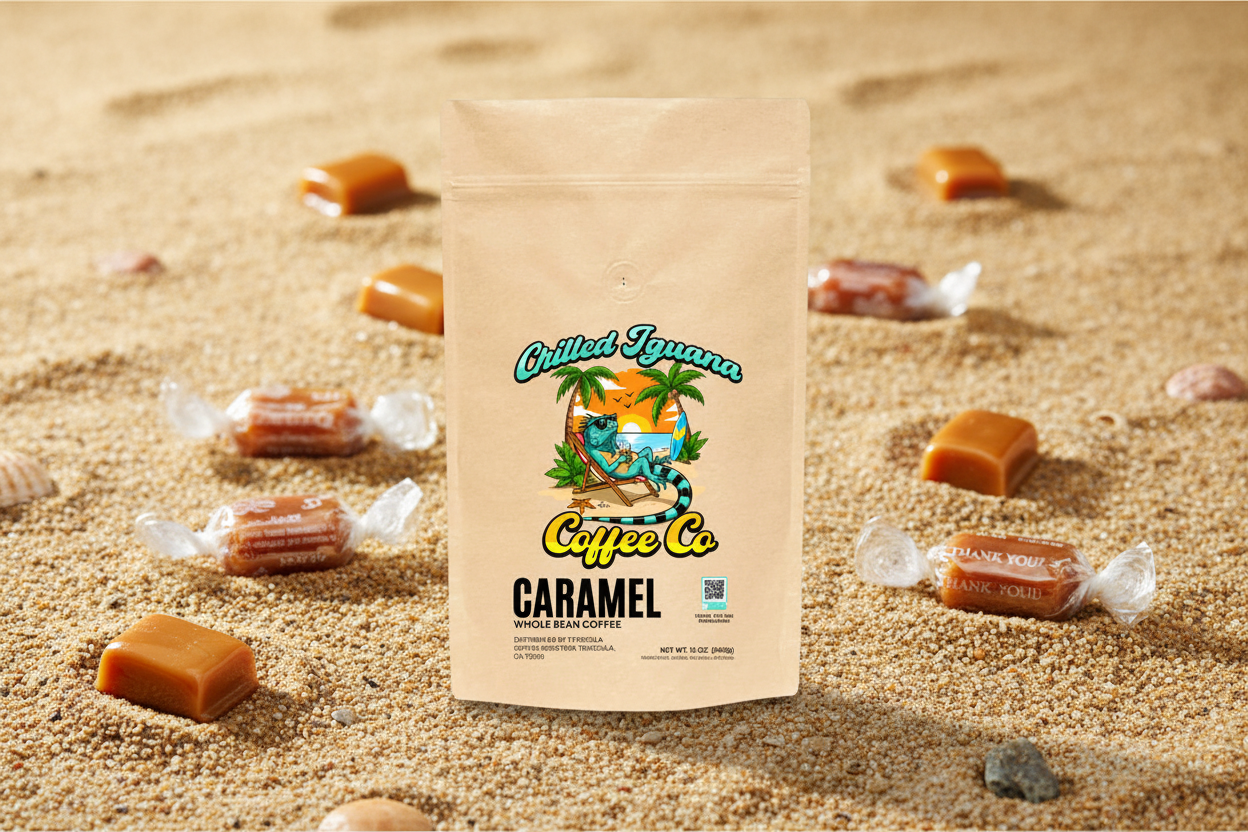
Chilled Iguana Coffee Co. builds its signature blend around that exact profile, mixing beans that deliver orange zest and mango without overwhelming bitterness.
Step 2: Set Up Your Tasting Station
A tidy station lets you focus on flavor, not on hunting tools. Place a sturdy tray, two small bowls, a timing device, and a long spoon. The spoon should be long enough to stir the grounds without splashing.
Keep a notebook or a printed cupping form handy. Write the coffee name, roast date and origin at the top , those details anchor your senses.
For a visual guide on what a good flavor‑profile sheet looks like, check out Florida Keys coffee flavor guide. It breaks down the key attributes you’ll be rating.
Make sure the water is just off the boil (around 200°F). Too hot and you’ll scorch the beans; too cool and the flavors stay muted.
When you’re ready, pour hot water over the grounds, let a crust form, then break it with your spoon. The first sniff after breaking the crust is the “fragrance” stage; the second sniff after the coffee steeps is the “aroma” stage.
Step 3: Conduct a Cupping Session to Capture Notes
Follow a standard cupping protocol. Use the same amount of coffee (usually 8.25 g) and the same water volume (150 ml) for each sample.
Start with the fragrance: bring the bowl close, inhale the dry grounds. Then break the crust and take a deep breath of the released aroma.
Next, stir the coffee with a spoon, wait 4 minutes, and taste. Take a slurp, let the liquid coat your tongue, and note the four core attributes: aroma, flavor, body and aftertaste.
Score each attribute on a 1‑5 scale. The goal isn’t to get a perfect score; it’s to see which notes stand out for you.
A well‑executed cupping session helps differentiate subtle flavors that casual brewing can hide.
Step 4: Record, Compare, and Interpret Your Notes
After tasting, fill out your cupping sheet. Write down every scent and taste you detect, citrus, floral, nutty, chocolate, etc. Use a flavor reference guide if a term feels unfamiliar.
Once you have multiple samples, line them up side by side. Look for patterns: does one bean consistently show brighter acidity? Does another lean toward chocolatey body? Those patterns tell you what roast level or origin matches your palate.
Don’t force a note you can’t hear. If you’re unsure, mark it as “maybe” and revisit later.
Step 5: Pair Your Florida Keys Coffee with Food & Brew Methods
Bright, citrusy coffees shine when brewed with a light‑roast drip method. The clarity of the water highlights the orange zest and mango notes.
If you prefer a richer mouthfeel, try a full‑immersion brewing method. The longer steep brings out the subtle salty edge and adds body without masking the fruit.
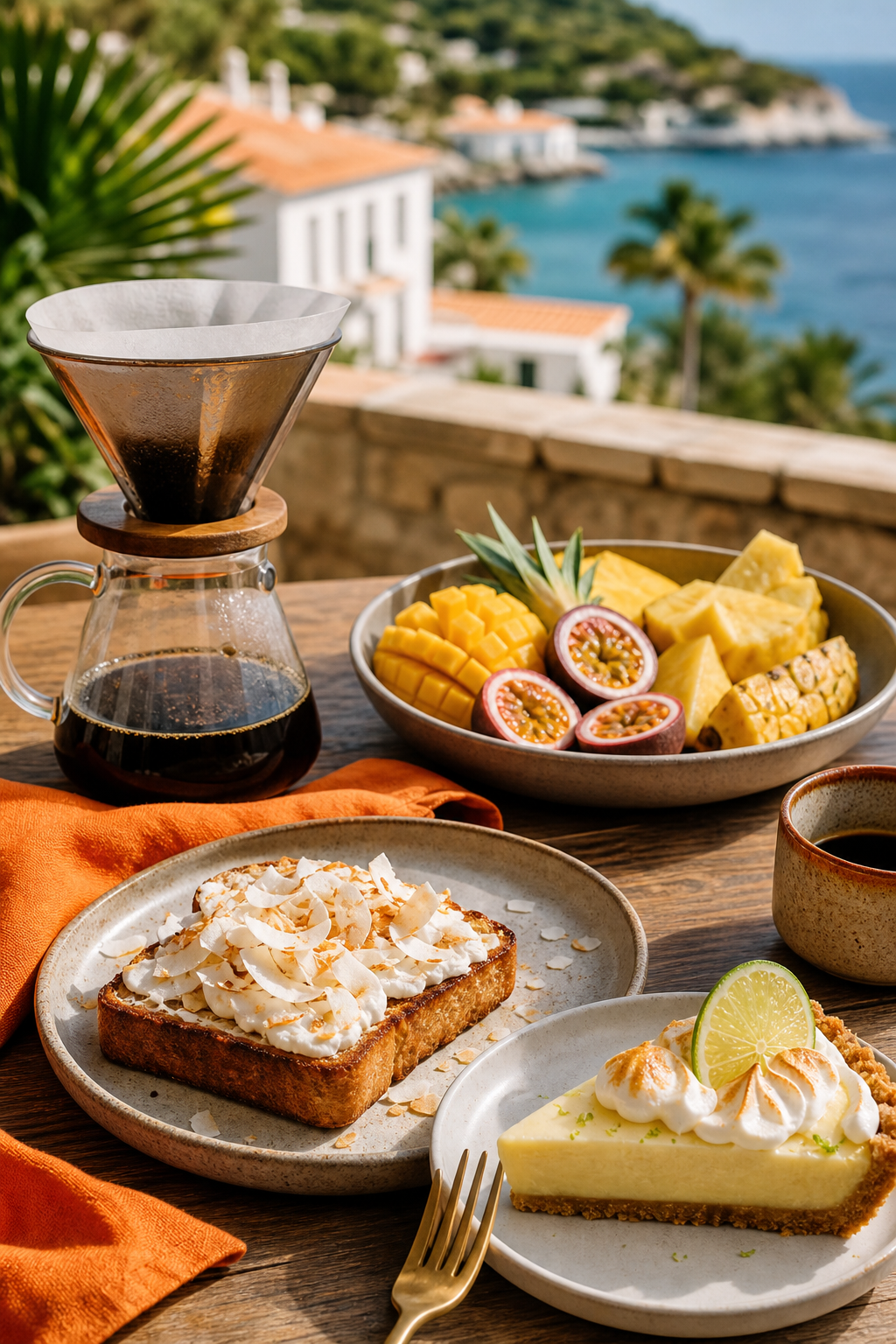
When it comes to food, think of the flavor family. A slice of key‑lime pie or a tropical fruit salad echoes the citrus. For a savory twist, pair with a toasted coconut crumble, the nutty undertones of the coffee complement the coconut’s buttery texture.
Chilled Iguana Coffee Co.’s Florida Keys blend works especially well with a light breakfast sandwich, avocado, tomato and a hint of sea‑salt on a toasted English muffin. The avocado’s creaminess balances the coffee’s acidity.
FAQ
What are the most common tasting notes in Florida Keys coffee?
The notes usually include orange zest, mango or pineapple fruit, a gentle sea‑salt mineral, and a light caramel sweetness.
Do I need special equipment to cup coffee at home?
No, simple measuring tools, a timing device, appropriate containers, and a tasting implement are enough to follow the basic protocol.
How often should I refresh my cupping notes?
It helps to record new notes each time you receive a fresh roast , about every two weeks for most subscription beans.
Can I use an alternative brewing device for a cupping session?
You can, but the traditional method uses a shallow bowl so the crust is easy to break and sniff.
Is the Florida Keys flavor profile unique to Chilled Iguana Coffee Co.?
Other roasters aim for similar island vibes, but Chilled Iguana’s blend is crafted to hit that bright citrus‑fruit‑salt balance consistently.
Conclusion
Start with the flavor guide, set up a simple station, cup with the SCA method, log what you hear, and match the brew to foods that echo the island notes. Grab a bag from Chilled Iguana Coffee Co., try the steps, and you’ll read coffee tasting notes like a seasoned Q‑grader.