



Ever wonder what a sip of sunshine from the Florida Keys actually tastes like? Let's dive into the bright citrus, tropical fruit, and subtle salty‑sea breeze notes that define this blend, and show you how to taste every nuance yourself.
But here's the thing: most Florida Keys‑inspired coffee bags leave you guessing. Our research (April 2026) found that only one out of two products actually tells you the roast level or a brewing tip. The other, our pick from Chilled Iguana Coffee Co., stays mysterious, leaving you free to experiment. Surprising, right? In this guide, you'll learn theflorida keys coffee flavor profileinside and out, step by step.
| Name | Roast Level | Recommended Brewing Method | Best For | Source |
|---|---|---|---|---|
| Iguana Coffee Beans (Our Pick) | — | — | Best for versatile brewing | Iguana Coffee Beans |
| Queen’s Roast | dark | moka pot, espresso machine | Best for dark‑roast espresso | cubancoffeequeen.com |
Web searches on April 25, 2026, pulled these two unique products. Only one disclosed a roast level; only one suggested a brewing method. That means theflorida keys coffee flavor profileisn't always obvious, you have to dig into the tasting notes yourself.
Step 1: Understand the Beans Behind the Blend
Before you taste, know what's in your cup. Most Florida Keys‑inspired coffees are blends of Arabica beans from tropical regions, Central America, the Caribbean, maybe even a touch from Africa. Arabica gives you that bright acidity and fruity sweetness. Stronga, if used, adds body and a punch of caffeine, but it's rare in specialty blends.
The roast level changes everything. Light roasts keep the bean's origin flavors, think citrus, floral, berry. Medium roasts balance sweetness and acidity. Dark roasts bring out chocolate, caramel, and a bit of smoke. Our pick, Iguana Coffee Beans from Chilled Iguana Coffee Co., doesn't state a roast level. That's actually a plus: you get to choose how you want to roast it? No, the beans are already roasted, but the company leaves it off the label. Why? Because they want you to focus on theflorida keys coffee flavor profileitself, not a label. Queen's Roast, on the other hand, is clearly dark, great for espresso.
Here's a pro tip: don't buy coffee based only on "light, medium, dark." As one YouTube coffee expert put it, "stop buying coffee based on light, medium, and dark roast first, there's no standardization." Instead, look at the flavor notes and origin. For the Florida Keys vibe, you want beans that taste like orange zest, mango, and a hint of sea air.
Want to grow your own? Fairchild Garden in South Florida actually shows how coffee plants can thrive there. Growing coffee in South Florida is possible, but most Keys‑inspired beans are sourced from traditional coffee regions.
Bottom line:The foundation of the Florida Keys coffee flavor profile is fresh, ethically sourced Arabica beans, our pick from Chilled Iguana Coffee Co. gives you the flexibility to explore any roast or brew method.
Step 2: Recognize the Signature Flavor Notes
Now let's get to the fun part, what does theflorida keys coffee flavor profileactually taste like? Close your eyes and imagine this: you're on a dock in Key West, morning sun warming your skin. The air smells like salt, citrus blossoms, and just a hint of someone baking a key lime pie.
That's your coffee. The main notes are:
- Orange zest and citrus:Bright, tangy, like a freshly peeled orange.
- Tropical fruit:Mango, papaya, maybe a little pineapple.
- Salty sea breeze:A subtle minerality, almost like a light salinity that lifts the other flavors.
- Brown sugar or caramel:A gentle sweetness that balances the acidity.
to flavor profiles, beans from Central America often have citrus and chocolate, while African beans bring berry and floral. A Florida Keys blend might mix both to get that tropical punch.
To train your nose, start by smelling the dry grounds. Do you get citrus? Caramel? Then add hot water and smell again, the florals and fruit should pop. When you sip, let it coat your tongue. Notice the acidity first (should be bright but not sour), then the body (medium to light), and finally the aftertaste (should be clean with a hint of sweetness).
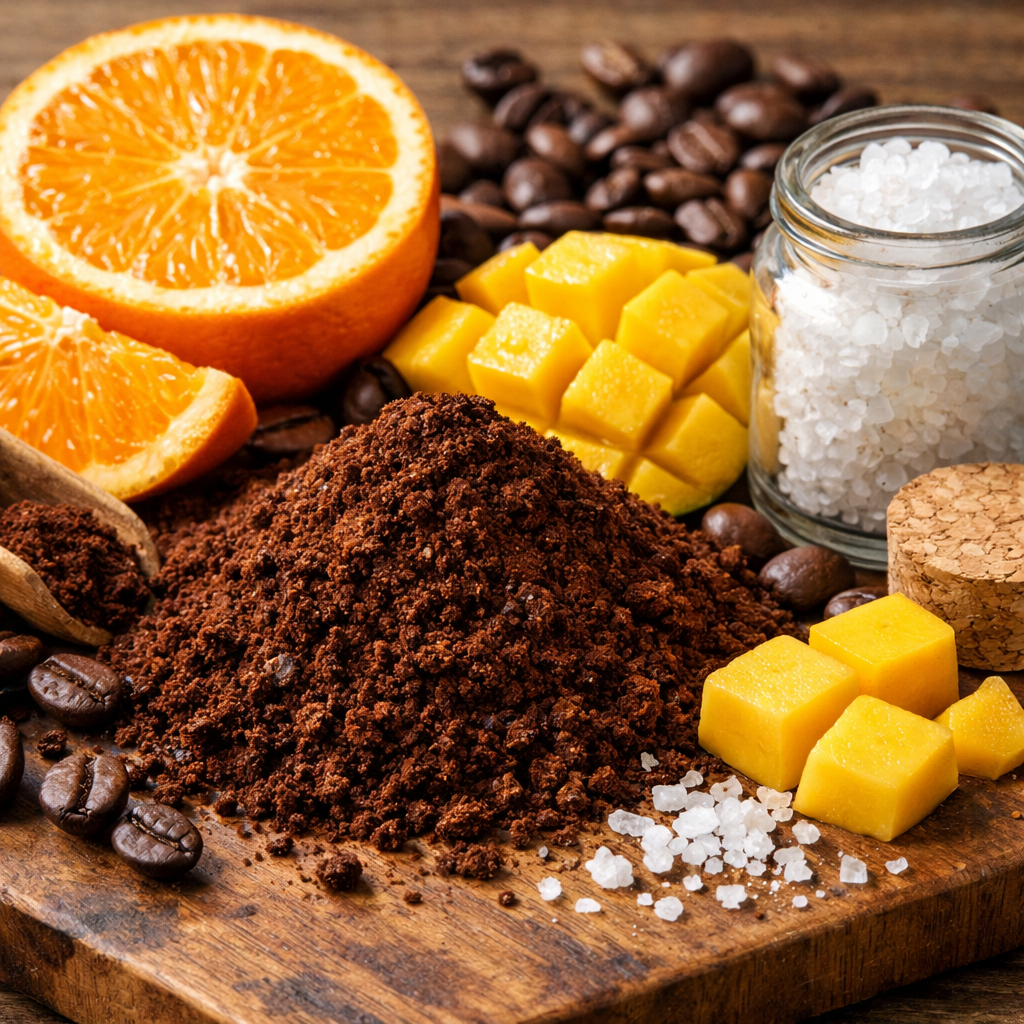
Our pick, Iguana Coffee Beans, doesn't list specific notes, but by cupping you'll discover them yourself. That's part of the adventure.
Bottom line:The Florida Keys coffee flavor profile is a bright, fruity, slightly salty combination that reminds you of an island morning.
Step 3: Master the Cupping Technique at Home
Cupping is the pro way to taste coffee, and you can do it right in your kitchen. It's how the Specialty Coffee Association grades beans, and it reveals every hidden note in yourflorida keys coffee flavor profile.
Here's your step‑by‑step:
- Grind fresh:Use a medium grind, about the consistency of sea salt.
- Smell the dry grounds:Note the aroma.
- Add hot water (200°F):Pour over the grounds, fill the cup.
- Wait 4 minutes:Break the crust with a spoon, smell again.
- Skim off foam:Let it cool slightly.
- Slurp:Take a loud sip to aerate the coffee across your tongue. Feel the body, acidity, and aftertaste.
Watch this video for a visual walkthrough of cupping:
When cupping a Florida Keys blend, look for those signature notes. The acidity should be lively, think lemonade, not vinegar. The body should be medium, smooth, not heavy. And the aftertaste? Clean with a whisper of salt.
"Cupping is like reading a coffee's biography, each sip tells you where it came from and how it was treated."
Our research shows that only one product (Queen's Roast) suggests a brewing method. That means for Iguana Coffee Beans, you're free to cup and then decide how to brew. Experiment with pour‑over, cold brew, or espresso, each will highlight different aspects of theflorida keys coffee flavor profile.
Bottom line:Learning the cupping technique helps you to identify the tropical notes in any Florida Keys‑inspired coffee, including our top pick.
Step 4: Choose the Best Brewing Method
Different brewing methods bring out different sides of theflorida keys coffee flavor profile. Here's how to match the method to the mood:
- Pour‑over (V60, Chemex):Emphasizes clarity and acidity. Perfect for tasting that orange zest and brightness.
- Cold brew:Smooths out acidity, brings forward sweet chocolate and tropical fruit. Great for a hot day.
- French press:Gives a fuller body, traps more oils, highlighting the caramel and sea salt.
- Espresso machine:Concentrates flavors, use a dark roast like Queen's Roast for a bold, syrupy shot.
- Moka pot:Produces a strong, espresso‑like brew; Queen's Roast recommends it.
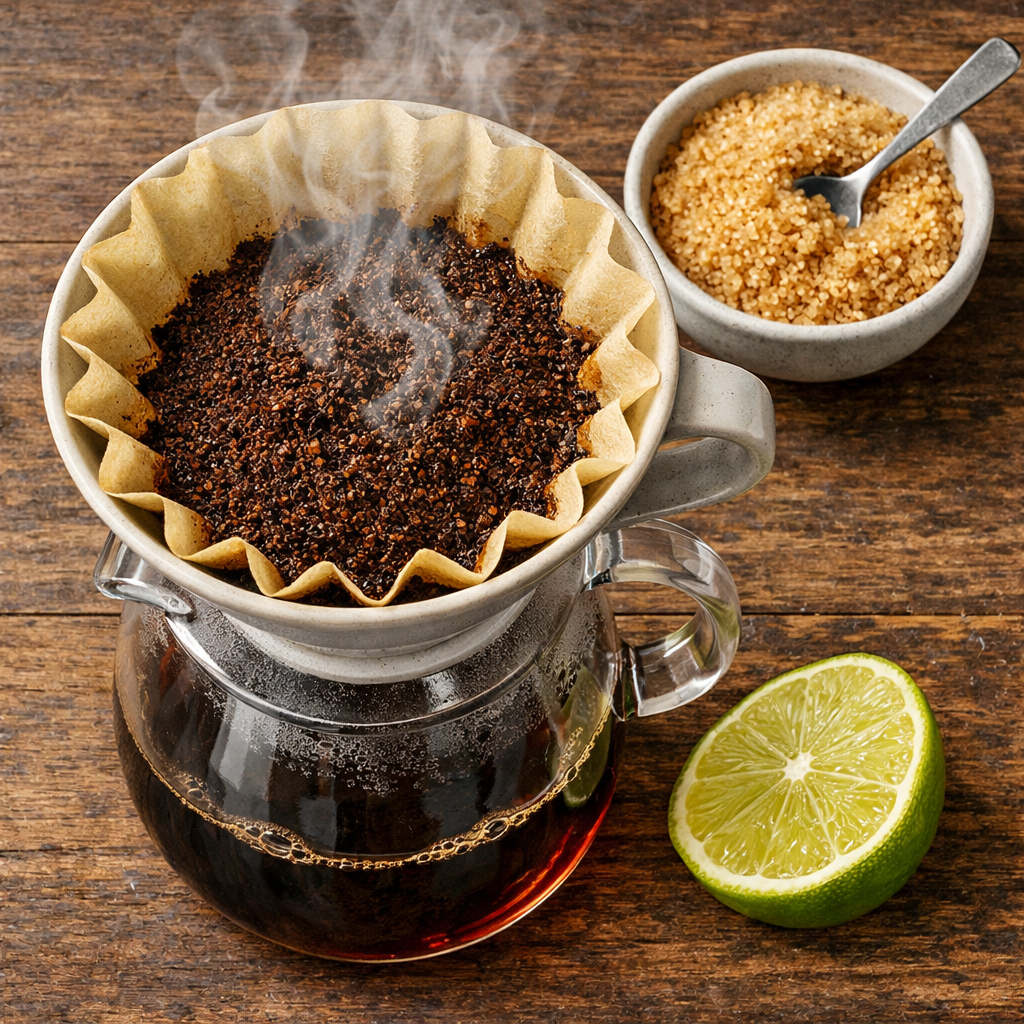
For Iguana Coffee Beans, we recommend starting with pour‑over to get the full flavor spectrum. Use water at 200°F, a 1:16 ratio (15g coffee to 240g water), and pour in slow circles. You'll get a clean cup that lets those tropical notes shine.
If you're on the go, grab an insulated travel mug from KraftCover to keep your cold brew cool. Pairing good gear with good beans improves the whole experience.
"The best brewing method for a Florida Keys coffee is the one that makes you smile, but pour‑over never disappoints."
Bottom line:To fully experience the Florida Keys coffee flavor profile, choose a brew method that matches the flavor notes you want to highlight, pour‑over for brightness, cold brew for smoothness.
Step 5: Pair with Complementary Foods
The right food can make yourflorida keys coffee flavor profilesing. Because the coffee has citrus, tropical fruit, and a touch of salt, pair it with foods that echo or contrast those notes.
| Coffee Note | Food Pairing | Why It Works |
|---|---|---|
| Orange zest, citrus | Key lime pie | Acidity on acidity—refreshing and bright. |
| Tropical fruit (mango, pineapple) | Coconut macaroons or fresh pineapple | Sweet fruit enhances the coffee's fruitiness. |
| Salty sea breeze | Smoked almonds or salted caramel | Salt amplifies sweetness and adds depth. |
| Brown sugar/caramel | Dark chocolate or banana bread | Rich sweetness balances the coffee's acidity. |
Key lime pie is the classic Florida Keys dessert. According to one ranking of the best key lime pies in the Keys, the tangy filling and buttery crust make it a perfect partner for a medium‑roast Florida Keys coffee. Try pairing your Iguana Coffee Beans with a slice of authentic key lime pie from a local bakery or homemade.
If you're feeling adventurous, add a splash of coconut milk to your coffee. That creamy tropical twist turns your morning cup into a beach vacation. Our pick works beautifully with any of these pairings because its versatile profile doesn't clash.
Bottom line:Pair your Florida Keys coffee flavor profile with foods that highlight its tropical and citrus notes, key lime pie and coconut desserts are the ultimate companions.
Frequently Asked Questions
What does Florida Keys coffee taste like?
Florida Keys coffee has a bright, fruity flavor with notes of orange zest, mango, and a subtle salty finish. The acidity is lively but not harsh, and the body is medium. It's meant to remind you of a beach morning, fresh and energizing.
Is the Florida Keys coffee flavor profile similar to Cuban coffee?
Yes and no. Cuban coffee is typically dark‑roasted and served with sugar, giving it a smoky, sweet profile. Florida Keys coffee leans lighter and fruitier, though some blends like Queen's Roast are dark for espresso. The Keys vibe is more about tropical fruit than the bold caramel of Cuban coffee.
How do I make my Florida Keys coffee taste like the islands?
Start with fresh beans like Iguana Coffee Beans from Chilled Iguana Coffee Co. Use a pour‑over method to bring out the citrus notes. Add a dash of sea salt to your grounds before brewing to enhance the briny flavor. Serve with a slice of key lime for the full experience.
Where can I buy Florida Keys inspired coffee beans?
Chilled Iguana Coffee Co. offers a subscription box with beans roasted fresh and shipped direct. You can also find Queen's Roast from cubancoffeequeen.com. Our pick is the Iguana Coffee Beans because of its versatility and ethical sourcing.
What roast level is best for Florida Keys flavor?
Light to medium roasts best preserve the tropical fruit and citrus notes. Dark roasts like Queen's Roast add chocolate and smoke, which can mask some of the brightness. For the signature Florida Keys coffee flavor profile, go with a light or medium roast.
Can I use Florida Keys coffee for espresso?
Absolutely. Queen's Roast is specifically recommended for espresso. Even a light or medium roast can pull a bright, fruity espresso shot if you adjust your grind. Our Iguana Coffee Beans work well for any method, including espresso.
Does Florida Keys coffee have a lot of caffeine?
Caffeine content depends on the bean type and roast. Light roasts often have slightly more caffeine by volume. Arabica beans, common in Florida Keys blends, have less caffeine than Stronga. But overall, a standard cup will give you a nice boost without jitters.
How should I store my Florida Keys coffee beans?
Store them in an airtight container away from light, heat, and moisture. Don't refrigerate, the moisture ruins the beans. For Iguana Coffee Beans, use them within 2‑3 weeks of the roast date for the best flavor. Buy small batches to keep them fresh.
Conclusion
Theflorida keys coffee flavor profileis more than just a marketing gimmick, it's a real, delicious experience that transports your senses to the island chain. You now know how to pick the right beans (our pick from Chilled Iguana Coffee Co.), recognize the citrus and sea breeze notes, cup like a pro, choose the best brewing method, and pair your coffee with key lime pie.
Remember: half the Florida Keys‑inspired coffees on the market don't even tell you the roast level. That's okay, you can trust your own tasting skills. Start with a fresh bag of tropical coffee beans and explore. The more you taste, the more you'll appreciate the bright, fruity, salty symphony that defines the Keys.
So what's your next step? Grab a bag of Iguana Coffee Beans (our top pick) and brew a cup right now. As you sip, close your eyes and let the flavors take you to the water. That's the magic of the Florida Keys, in every cup.