



Ever wondered why a bag of beans from Key West can cost twice as much as the same roast you grab in Miami? It's not just the sea air. The Florida Keys have a unique coffee scene, with small roasters, seasonal demand, and shipping costs that all affect the price. In this guide, you'll learn exactly how to find the best Florida Keys coffee beans price. We'll walk through current price ranges, compare local roasters, factor in seasonality and shipping, and help you calculate the true cost for your home or shop. By the end, you'll know how to get the freshest beans without overpaying.
Step 1: Understand the Current Price Range for Florida Keys Coffee Beans
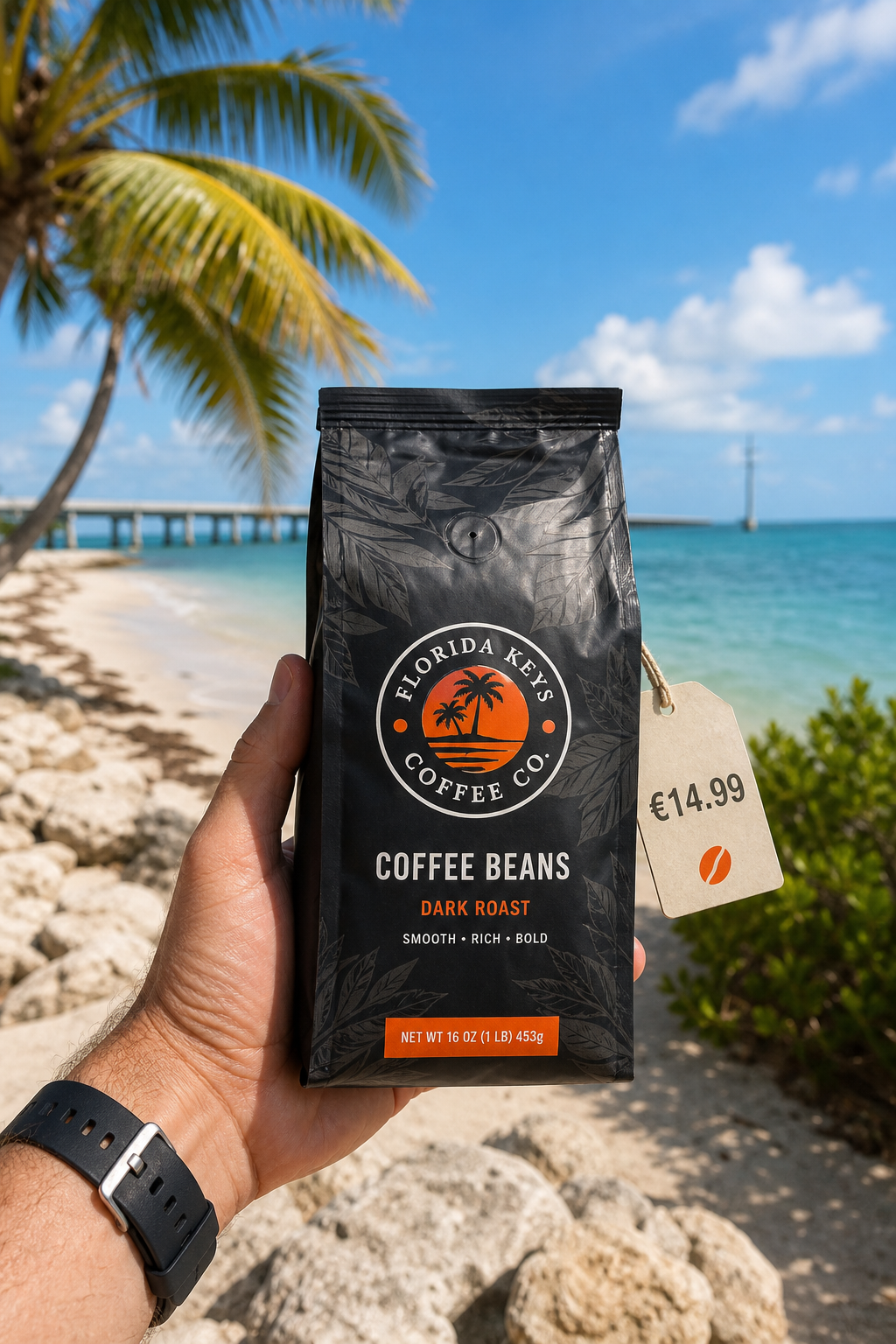
Before you start shopping, you need a baseline. The price of coffee beans in the Florida Keys has gone up a lot lately. According to a report from Patch, the average cost for a pound of ground coffee in the U.S. hit $9.14 in September 2025, up 41% from the year before. Specialty coffees that rely on specific beans cost even more. For the Keys, local roasters often charge between $12 and $20 for a 12-ounce bag of whole beans. That's higher than national averages because of the extra logistics of getting beans to the islands.
But that's just the start. The Drink Project notes that a standard 12-ounce bag of ground coffee ranges from $6 to $25, depending on brand and quality. Whole beans run from $8 to $30 for the same size. In the Keys, you're almost always paying at the higher end of that range. Why? Because most beans are shipped in from the mainland, and tourism season drives demand up. When snowbirds flood in, prices can spike another 10-15%.
To get a clear picture, look at the price per ounce. A $16 bag of 12 ounces comes to about $1.33 per ounce. Compare that to bulk buys: a 5-pound bag at $80 is $1.00 per ounce. That's a 25% savings. But you also have to consider freshness. If you can't use 5 pounds before the beans go stale, you're wasting money. So the best price isn't always the lowest per ounce, it's the price that matches your consumption rate.
Also watch for seasonal pricing. In the Keys, winter is peak tourist season. Roasters often raise prices because they can. Summer sees fewer tourists, but the heat and humidity make shipping beans without damage harder. Some roasters offer discounts in the off-season to keep volume up. Signing up for a roaster's newsletter can alert you to these sales.
One more thing: don't forget taxes. Florida has a 6% sales tax on food products, but prepared foods are taxed at 8.5%. Coffee beans sold as groceries are taxed at 6%. If you buy from a local shop, your total will include that. Online orders from outside Florida might not charge sales tax, but you'll pay shipping, more on that in Step 3.
Now, what about the beans themselves? Not all beans are created equal. A single-origin Ethiopian bean can cost $22 per bag, while a blend might be $16. The price reflects the growing region, processing method, and rarity. For the Keys, many roasters use blends because they need consistency across batches. You'll pay a premium for single-origin because it's a direct link to a farm.
To sum it up: expect to pay $14 to $22 for a 12-ounce bag of Florida Keys coffee beans. That's higher than the national average, but you're getting freshness and local character. If you want to save, buy in bulk or during the off-season. And always check the roast date, fresh beans are worth the extra dollar.
Step 2: Compare Local Roasters and Their Specialty Blends
Now that you know the price range, it's time to compare the actual roasters. The Florida Keys have several local players, each with their own blends and price points. Here's a table that breaks down typical per-pound costs from different sellers. Note that prices change with season and bean origin.
As you can see, there's not a huge spread. Most local roasters price between $15 and $18 per 12-ounce bag. That's about $20 to $24 per pound. But the price per cup is what matters. A 12-ounce bag yields about 24 cups of coffee, so each cup costs between $0.63 and $0.75 for the beans alone. That's cheaper than a coffee shop drink.
When comparing, don't just look at price. Look at the blend. Baby's Coffee has a strong Cuban influence, which means a darker roast with a heavy body. Key Largo Joe offers a light to medium roast with citrus notes. Chilled Iguana Coffee Co. has a wide variety, including single-origin like Bali Blue and flavored options like Cinnamon Hazelnut. Their Florida Keys Blend is a medium roast with hints of tropical fruit and a touch of saltiness, a nod to the sea breeze.
For coffee shop owners, consistency is key. You need a bean that tastes the same batch after batch. That's why many shops use a custom blend from a roaster. Chilled Iguana, for example, offers wholesale pricing for businesses. If you're opening a new shop, ask for samples. Roast a batch and test it cold, hot, with milk, and without. A slightly higher per-pound cost is worth it if it makes your drinks sell better.
Also consider the roasting style. Dark roasts are common in the Keys because they stand out in iced drinks and specialty lattes. Lighter roasts highlight acidity and origin flavor, which appeals to third-wave coffee fans. The price is usually the same across roast levels, so pick based on your palate.
Finally, check if the roaster offers a subscription. Chilled Iguana Coffee Co. has a subscription delivery option that can save you 10-15% per bag. Plus, you get fresh beans without remembering to order. That's a great way to lock in a good price and avoid seasonal spikes.
For more on the flavor profile of Florida Keys coffee, check out this tasting guide from Chilled Iguana Coffee Co.
Step 3: Factor in Seasonality and Shipping Costs
Seasonality hits the Florida Keys harder than most places. In winter, the population doubles with tourists. Coffee demand surges, and roasters sometimes can't keep up. That means higher prices and longer lead times. In summer, demand drops, but so does supply, some roasters roast less frequently to avoid overstock. The sweet spot is spring and fall, when weather is pleasant and crowds are moderate.
Shipping costs are a big factor for both roasters and buyers. Most coffee beans come to the Keys from the mainland via truck and then ferry or bridge. That adds $1 to $3 per bag in transportation. If you're ordering online from outside the Keys, shipping can be $5 to $10 for a single bag. Some roasters offer free shipping over $50 or $75. That's why buying in bulk or with a subscription saves money.
For delivery time, expect 3-7 days for ground shipping to the Keys. Florida's heat and humidity mean beans can degrade faster in transit. Look for roasters that use foil-lined bags with one-way valves. Those keep out oxygen and protect against temperature swings. Always check the roast date, order beans roasted within the last week for maximum freshness.
If you're a shop owner, factor these costs into your COGS (cost of goods sold). A bag that costs $16 plus $2 shipping becomes $18. With a 30% coffee cost target, you'd need to sell that bag as drinks for $60 in retail value. Use a spreadsheet to track every variable cost, as recommended by the YouTube coffee business experts. Even small changes in shipping or seasonal surcharges can eat into your margin.
Tourism seasonality also affects the beans you can get. Some roasters source seasonal single-origin beans that are only available at certain times. For example, a Costa Rica honey process might be available only in winter. That's a selling point, customers love limited editions. But it also means you can't rely on that bean year-round. Have a backup blend that's always in stock.
One more thing: if you're buying beans as a gift or for an event, plan ahead. Holiday shipping in December can take two weeks. Order at least a month early to avoid disappointment. And remember, the best price isn't always the cheapest, it's the most reliable supply at a fair cost.
Step 4: Choose the Best Storage Solutions to Keep Beans Fresh
You've found a great price and fresh beans, now keep them that way. Poor storage ruins flavor fast. In the Keys' humid climate, beans can go stale in a week if left in a paper bag. Here's what works: an airtight container with a one-way valve. Glass or ceramic are best because they don't absorb odors. Avoid clear containers that let light in. A dark, cool pantry is ideal, not the fridge or freezer, those cause condensation that speeds staling.
The GMISUN coffee container is a popular option. It's a glass jar with a wooden lid and rubber seal. It comes with labels and a stainless steel scoop. The key is the airtight seal. If you use a container without a seal, beans oxidize quickly. For bulk storage, use vacuum-sealed bags. You can also buy a vacuum sealer for home use, just portion beans into weekly amounts.
According to Wikipedia's article on coffee storage, exposure to oxygen, moisture, heat, and light are the main enemies. Store beans in a cool, dark cabinet away from the stove or dishwasher. Never store them in the fridge, it introduces moisture. Freezing is okay only if you seal the bag completely and use within a month. Better to buy smaller bags more often.
For coffee shop owners, invest in climate-controlled storage. A sealed bin with a dehumidifier can extend bean life by weeks. Rotate your stock: oldest beans in front, newest in back. And always save the roast date. Some roasters print it on the bag; others use a sticker. If not, ask for it. Fresh beans taste better and yield a higher extraction, so you use less per shot.
Another pro tip: grind only what you need. Whole beans stay fresh longer than ground. If you buy pre-ground, use it within two days. For whole beans, grind within 15 minutes of brewing for the best flavor. Invest in a good burr grinder, it's worth the extra cost for consistent particle size.
By keeping beans fresh, you maximize the value you get per bag. A stale bag is money wasted, no matter how good the price. So factor storage into your total cost. If a cheaper bean goes stale faster, the more expensive bean that stays fresh longer is actually cheaper per cup.
Step 5: Calculate the Cost for Your Coffee Shop or Home
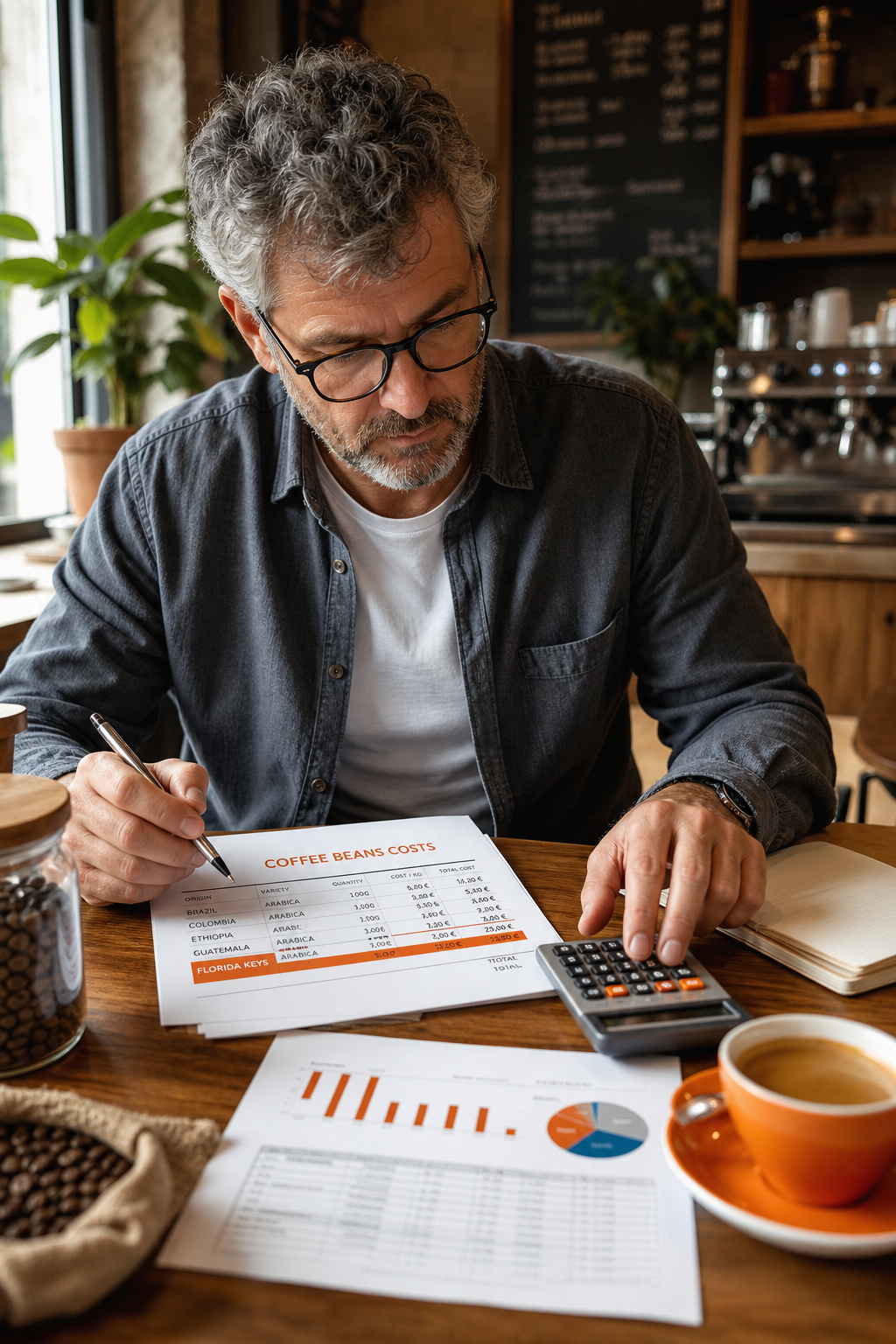
Now we put it all together. For home brewers, the calculation is simple: find your weekly consumption. A 12-ounce bag makes about 24 cups. If you drink two cups a day, that's 12 days per bag. At $16 per bag, that's $1.33 per day for beans. Add $0.10 for water and electricity, $0.20 for milk or cream, your daily coffee cost is under $1.70. Much cheaper than a cafe.
For coffee shop owners, the math is more detailed. First, calculate the cost per shot. A typical double shot of espresso uses 18-20 grams of beans. At $16 per 12-ounce bag (340 grams), that's $0.94 per ounce, so a 0.7-ounce shot costs about $0.66. If you sell a latte for $5.00, your bean cost is about 13% of the drink price. But don't stop there. Factor in shipping, storage loss (about 5%), and any discounts. Your target should be a 20-30% beverage cost.
Use a spreadsheet to track all costs, as demonstrated in the YouTube video from UpFlip. List every ingredient, including cups, lids, and sleeves. These small costs add up. If your coffee bean price goes up by $2 per bag, that's a 12.5% increase. Can you raise drink prices? Or switch to a blend that's $1 cheaper? Run the numbers before making changes.
For financing a new shop, consider a loan to cover initial inventory. AMTEX Loan offers financing solutions for small businesses, which can help manage cash flow when you're buying beans in bulk. That way, you can take advantage of lower per-pound prices without stressing your bank account.
Finally, don't forget retail markup if you sell bags to customers. A typical margin is 50-60%. If you buy at $16, sell at $24-26. That's a good profit while still being competitive. Many customers are happy to pay a premium for local roasted beans with a story. The Florida Keys brand is strong, use it.
By calculating every cost, you can confidently set your prices and know you're making a profit. The best Florida Keys coffee beans price for you is the one that fits your budget, ensures quality, and keeps your customers coming back.
Frequently Asked Questions
What is the average price of Florida Keys coffee beans in 2026?
The average price for a 12-ounce bag of locally roasted whole beans is between $14 and $18. That's about $1.17 to $1.50 per ounce. Bulk bags (2-5 pounds) are cheaper per ounce, often dropping to $0.80-$1.00 per ounce. Prices vary by roaster, blend, and season. Expect to pay more for single-origin or limited-edition roasts.
Why are coffee beans more expensive in the Florida Keys?
Shipping costs are the main driver. Beans must be transported over the Overseas Highway or by sea, adding $1-3 per bag. Also, the Keys' tourism season spikes demand, allowing roasters to charge more. The small-batch roasting model used by most local roasters costs more than mass production. Finally, the higher cost of living in the Keys is passed on to consumers.
Does buying in bulk really save money on Florida Keys coffee beans?
Yes, if you consume the beans while they're fresh. A 5-pound bag of beans might cost $80, which is $1.00 per ounce versus $1.33 per ounce for a 12-ounce bag. That's a 25% savings. However, whole beans start losing flavor after two weeks. If you don't use 5 pounds in three to four weeks, you're better off buying smaller bags more often. Some roasters offer vacuum-sealed bulk bags that last longer.
What are the best local roasters in the Florida Keys for price and quality?
Baby's Coffee in Key West has a long-standing reputation and offers a dark Cuban-style roast at around $17 for 12 oz. Key Largo Joe offers lighter roasts with a citrus profile for about $15.50. Chilled Iguana Coffee Co. provides a wide range, from tropical blends to single origins, all fresh roasted. Their Florida Keys Blend is popular and priced at $16.99.
How does shipping affect the price of Florida Keys coffee beans?
Shipping adds a significant cost, especially for small orders. A single bag can cost $5-10 to ship. Many roasters offer free shipping on orders over $50. If you're ordering from outside the Keys, always compare the total after shipping. Local delivery options are sometimes available from roasters themselves. For frequent buyers, a subscription often includes free or reduced shipping.
What is the best way to store Florida Keys coffee beans to maintain freshness?
Use an airtight container in a cool, dark place. Glass or ceramic containers with a one-way valve are ideal. Avoid the fridge or freezer, as moisture ruins the beans. If you must freeze, portion the beans into individual weekly amounts and seal tightly. For short-term use, keep the beans in the original bag with a piece of tape on the valve if it's open. Grind just before brewing.
Are there seasonal discounts on coffee beans in the Florida Keys?
Yes, many roasters offer discounts during the off-season (summer) to keep sales steady. Some also have holiday sales or clearance on previous season's roasts. Signing up for email newsletters is the best way to learn about these deals. Additionally, some roasters offer a loyalty program or subscription that gives a per-bag discount.
How can coffee shop owners calculate the best bean price for their budget?
Start by calculating your cost per shot or cup. Track all variables: bean cost, shipping, storage loss, and waste. Aim for beverage costs of 20-30% of retail price. Use a spreadsheet to update costs quarterly. Negotiate with roasters for wholesale pricing, typically 15-20% off retail. Consider locking in a contract with a roaster to avoid price fluctuations.
Conclusion
Finding the best Florida Keys coffee beans price isn't just about the lowest number on the tag. It's about balancing cost with freshness, shipping, storage, and your personal consumption habits. Start by understanding the current price range, expect $14-$18 for a 12-ounce bag. Compare local roasters like Baby's Coffee, Key Largo Joe, and Chilled Iguana Coffee Co. to find a blend that suits your taste and budget. Don't forget to factor in seasonality, shipping costs, and storage methods. For shop owners, calculate your COGS down to the gram using a spreadsheet. And remember, a slightly higher price is worth it if the beans are fresh and flavorful. Your morning cup will thank you.
If you're ready to try some fresh-roasted beans, consider a subscription from Chilled Iguana Coffee Co. to lock in a great price and get tropical vibes delivered to your door. Start your day the Keys way.