



Want a cup that feels like a sunrise over the Keys? You can brew beans that taste like orange zest, mango, and a salty sea breeze. Follow these five steps and you’ll be sipping island vibes at home.
Step 1: Identify the Florida Keys Flavor Profile
The Keys are known for bright citrus, tropical fruit, and a whisper of sea‑salt. Those notes show up as a lively acidity, sweet mango‑like fruit, and a clean finish that reminds you of a light breeze. Florida Keys Coffee Flavor Profile: A Tasting Guide breaks the profile down into orange zest, mango, and a subtle mineral edge.
Start by tasting a few single‑origin coffees. Look for beans that already have citrus or stone‑fruit notes. Ethiopian Yirgacheffe, for example, often carries lemon and bergamot tones that line up with the Keys vibe. If you smell a hint of sea‑salt on the dry grounds, that’s a good sign you’re on the right track.
Next, write down the three core sensations you want: bright acidity, tropical fruit sweetness, and a light briny finish. Keep that list handy as you move through the next steps. It will act like a compass when you compare beans.
According to Wikipedia’s coffee tasting guide, the primary flavor descriptors, acidity, body, and aftertaste, are the lenses professionals use to match a cup to a target profile. Use those lenses to judge each sample against your Keys checklist.
When you’ve pinned down the flavor direction, you can move on to choosing beans that actually deliver it.
Step 2: Choose Beans That Match Those Notes
Now that you know the flavor map, look for beans that sit near it on the taste spectrum. Light‑roasted Arabica from Central America often carries citrus and clean acidity. A Colombian or Guatemalan bean can add a mellow caramel base without drowning the fruit.
Blend options work well, too. Mixing a bright Ethiopian with a smooth Costa Rican can give you the orange‑zest pop and the mango‑like body you need. Keep the roast level light to preserve those delicate notes.
When you order, check the cupping notes on the bag. Look for words like "lemon", "citrus", "tropical" or "sea‑salt". If the description mentions a bright, clean finish, you’re probably close.
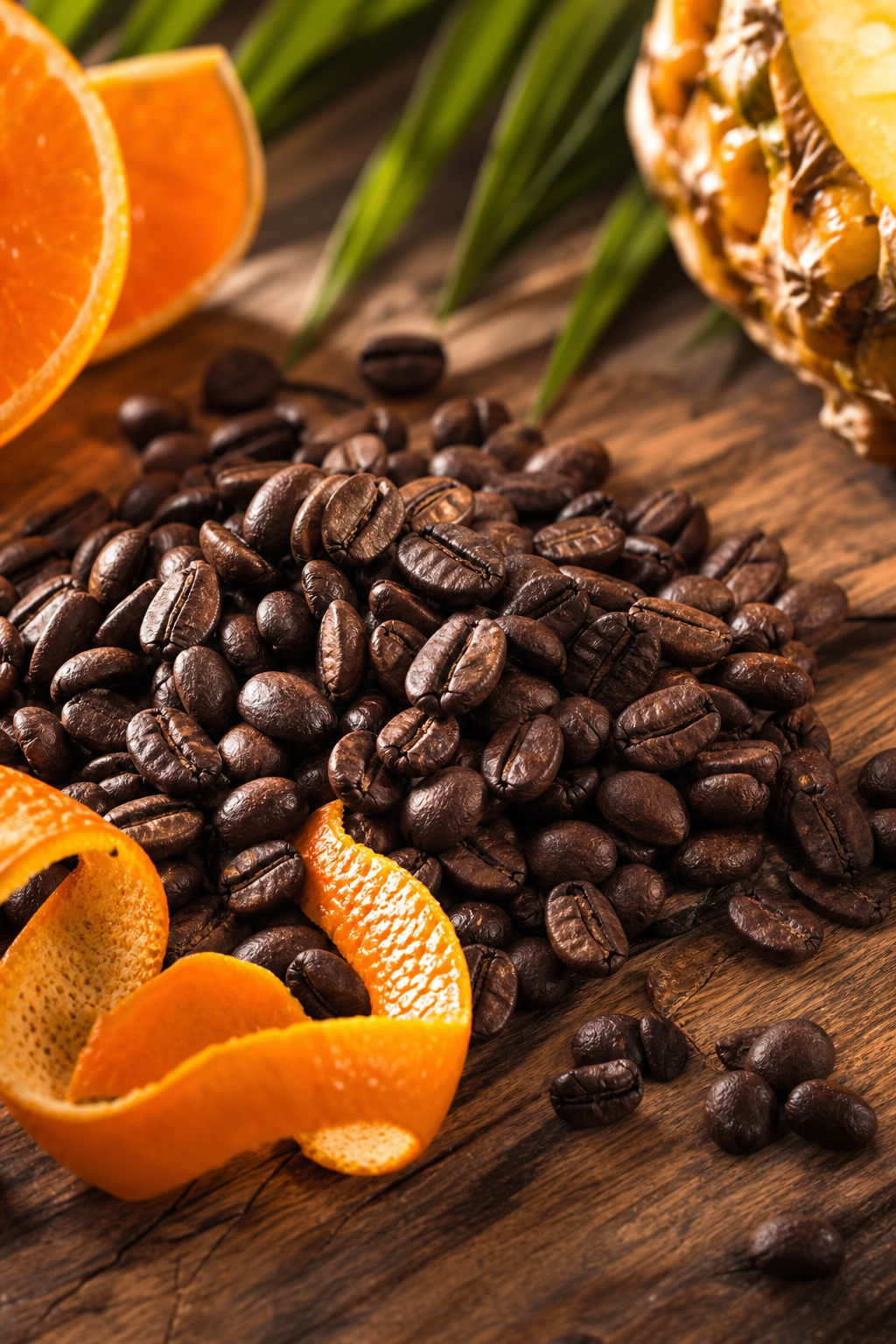
Chilled Iguana Coffee Co. offers a blend called “Iguana Coffee Beans” that hits these marks. The beans are ethically sourced Arabicas roasted just enough to let the natural fruit shine. They’re a reliable starting point if you want a ready‑made Keys experience.
Pro Tip: Store beans in an airtight container away from light. Freshness preserves the citrus spark that can fade in a week.
Step 3: Roast to Enhance Key Flavors
Roasting is where you pull the island out of the bean. Aim for a light to light‑medium roast (around 380‑410°F). That range keeps the natural acidity bright while adding a subtle caramel sweetness that mimics the Keys’ sunrise glow.
If you roast at home, start with a small batch. Heat the beans for 9‑10 minutes, listening for the first crack. Stop shortly after the crack when the beans are still light brown. Over‑roasting will mute the citrus and introduce bitter notes that clash with the sea‑salt idea.
During the roast, you can experiment with a pinch of sea salt on the bean surface. The salt helps accentuate the mineral edge without making the coffee salty.
After roasting, let the beans rest for at least 12 hours. This rest period lets CO₂ escape and the flavors settle, giving you a cleaner cup that highlights the tropical notes.
USDA data shows that freshly roasted coffee retains up to 30% more aromatic compounds than beans that sit for weeks USDA. That extra aroma is what makes the Keys taste pop.
Once the beans are ready, you can move to brewing.
Step 4: Brew for Maximum Brightness
The brewing method can either lift or dull the bright profile you’ve crafted. Pour‑over is the easiest way to showcase acidity and clarity. Use a medium‑fine grind, about the texture of sea salt.
Heat filtered water to 200°F (just below boiling). Wet the grounds lightly first (the bloom) for 30 seconds, then pour in a steady spiral. Aim for a 1:15 coffee‑to‑water ratio; that gives enough body without muting the citrus.
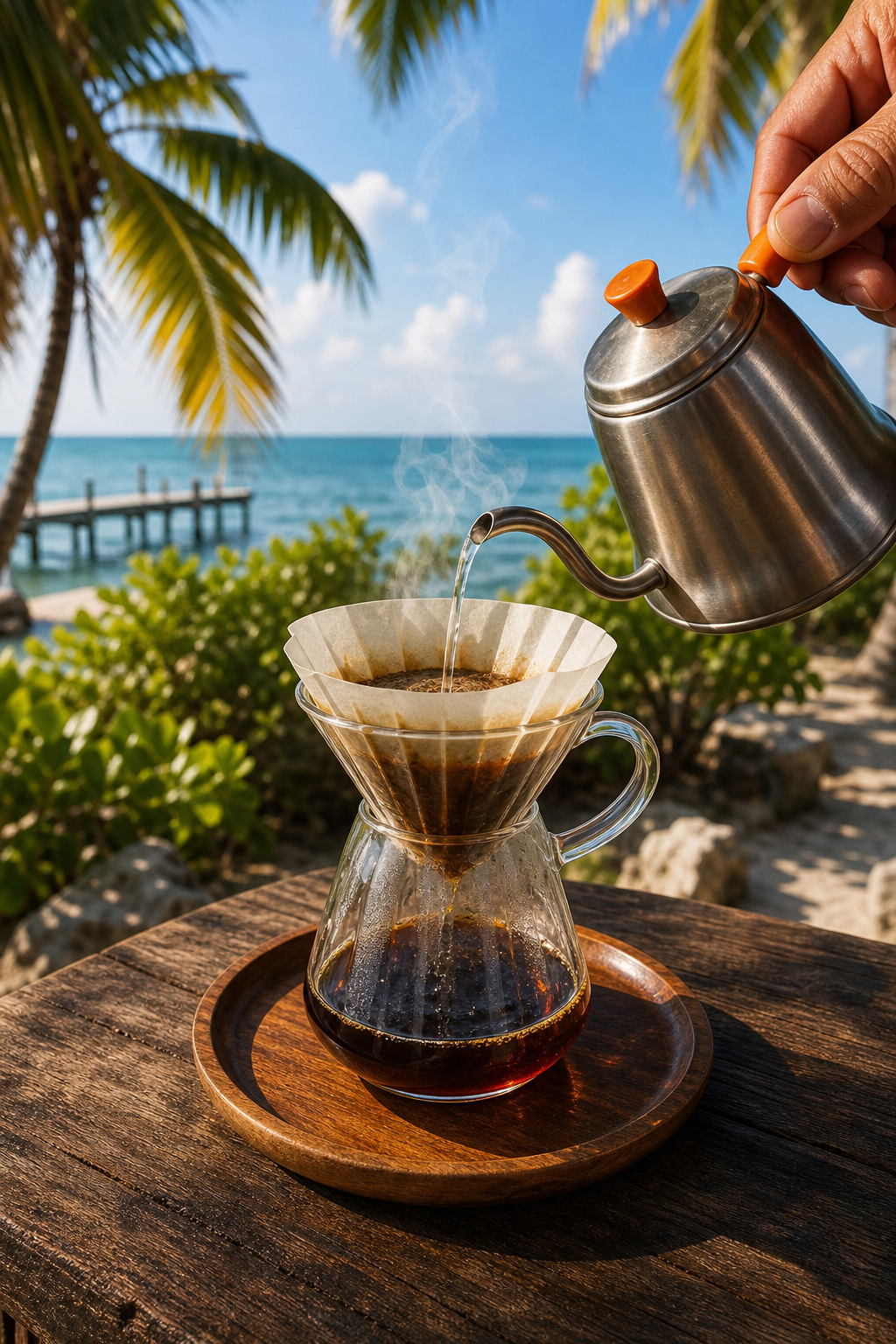
Cold brew works, too, but you’ll need a higher coffee‑to‑water ratio (1:8) and a longer steep (12‑18 hours) to pull out the fruit without bitterness. After filtering, dilute with water or milk to taste.
Key Takeaway: A clean, bright brew method like pour‑over preserves the citrus zest and tropical fruit notes you’re after.
When you sip, the first thing you should notice is a lively acidity, think lemonade, not vinegar. Follow that with a smooth mango‑like body, and finish with a clean, slightly salty aftertaste.
Step 5: Pair and Serve Like the Keys
Presentation can boost the island feeling. Serve the coffee in a clear glass so the golden hue shows. Add a thin slice of key‑lime or a dash of orange zest on top; the oils enhance the citrus aroma.
If you like a little sweetness, drizzle a spoonful of light brown sugar or a splash of coconut milk. Both echo the tropical sweetness found in the Keys without overpowering the brew.
Enjoy the cup with a light breakfast, think fresh fruit, toasted coconut, or a buttery croissant. The food’s flavors will echo the coffee, making the whole experience feel like a beachfront brunch.
Chilled Iguana Coffee Co. even offers a subscription box that delivers fresh beans straight to your door, so you never run out of that island vibe. Sign up, and you’ll get a new batch every month, each roasted to keep the flavor bright.
FAQ
What flavor notes define a Florida Keys‑style coffee?
The defining notes are bright citrus (orange zest or lemon), tropical fruit sweetness (mango or papaya), and a subtle mineral or sea‑salt finish. Those three combine to mimic the breezy, sun‑kissed taste of the islands.
Can I use dark roast beans for a Keys flavor?
Dark roasts tend to hide the delicate citrus and fruit notes you need. You can add a splash of citrus syrup, but a light or light‑medium roast gives the most authentic taste.
Do I need special equipment to brew this style?
No special gear is required. A simple pour‑over dripper, a kitchen scale, and a kettle that lets you control water temperature are enough to bring out the bright profile.
How often should I roast beans to keep the flavor fresh?
Roast in small batches every two weeks or order a subscription that delivers freshly roasted beans within a week of roasting. Freshness preserves the citrus sparkle that fades after a few weeks.
Is the Florida Keys flavor profile suitable for iced coffee?
Yes. Brew a strong concentrate with a 1:8 ratio, chill it, then serve over ice with a wedge of orange or a pinch of sea salt. The cold temperature highlights the bright acidity and keeps the tropical fruit notes crisp.
Conclusion
If you want a cup that tastes like a Florida sunrise, start with Chilled Iguana Coffee Co.’s blend, roast light, brew with a pour‑over, and finish with a citrus garnish. Order the beans today and brew tomorrow for an instant island escape.