



Ever wonder why some cafés in the Florida Keys always serve coffee that tastes like a vacation? It's not magic. It's the beans. In this guide, you'll learn exactly how to buy Florida Keys coffee beans wholesale. We'll cover everything from figuring out your volume to storing beans fresh. By the end, you'll know how to pick a supplier that fits your business.
Step 1: Determine Your Volume and Quality Requirements
Before you reach out to any roaster, you need to know how much coffee you go through. Grab a notebook and track your usage for a week. Count every cup and every bag. For a small café, that might be 20 pounds per week. For a busy shop, it could be 50 or more. Knowing your number helps you avoid ordering too much or too little.
Quality matters just as much as quantity. There are two main grades: commercial and specialty. Commercial beans are cheaper. They often come from large farms and can have defects. Specialty beans score 80 or higher on the Specialty Coffee Association's 100-point scale. They taste cleaner and more complex. If you want that Florida Keys vibe, go specialty. The flavor will make your customers come back.
Think about your menu. Do you serve espresso drinks, drip coffee, or both? Espresso usually needs a darker roast with a rich crema. Drip coffee can be lighter and brighter. Some roasters, like Chilled Iguana Coffee Co., offer blends that work for both. Their 6 Bean Blend is a dark roast that holds up well in espresso and has deep chocolate notes for drip. Consider a best-sellers sample pack to test before you commit to a large order.
Don't forget about consistency. When you find a bean you love, you want it to taste the same every batch. Ask potential suppliers how they ensure roast consistency. Do they use a sample roaster? Do they cup every batch? A good roaster will have quality control procedures. This keeps your customers happy and your reputation solid.
Finally, think about future growth. If you plan to expand, choose a supplier that can scale with you. Some have minimums that are too high for a startup but others will work with you. Ask upfront about their flexibility. Starting small and increasing later is better than being locked into a huge minimum.
Step 2: Identify Reputable Florida Keys Coffee Roasters
Now that you know your numbers, it's time to find who can supply you. "Florida Keys coffee beans wholesale" searches might bring up big national brands. But local or regionally inspired roasters often give better service and fresher beans. Look for roasters that source ethically and have a story that matches your brand.
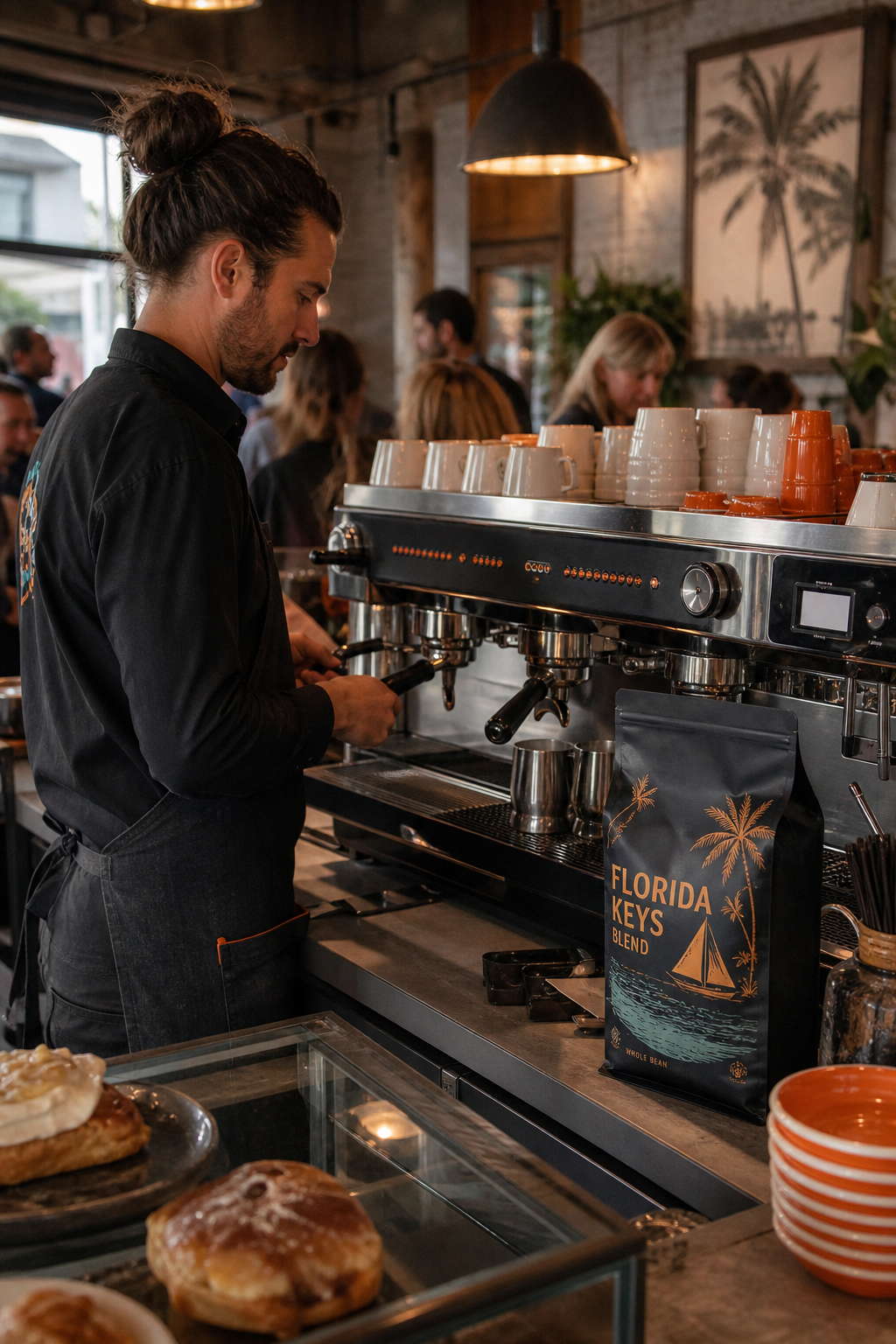
Start online. Search for roasters that mention the Florida Keys in their branding. Chilled Iguana Coffee Co. is a great example. Their whole identity is built around the Keys lifestyle. They offer fresh-roasted beans from around the world, and they emphasize ethical sourcing. That's exactly what you want for a wholesale partner.
Check their website for wholesale information. Some roasters hide pricing behind a login. That's normal. Fill out the form and ask for a sample. A reputable roaster will send you samples so you can taste before you buy. Don't skip this step. Coffee taste is subjective. What you think is amazing might not suit your customers.
Also check reviews and ask other café owners. Social media groups for coffee professionals are gold mines. Ask "Who do you buy from in Florida?" Real experiences matter more than flashy marketing. Look for comments about reliability, shipping speed, and how the roaster handles problems.
Visit the roastery if you can. Being close means faster delivery and the chance to build a personal relationship. But don't rule out roasters farther away if they offer great support. Many send brand ambassadors to help with training. The YouTube channel Artisti Coffee Roasters points out that training and support are just as important as the coffee itself. Find a partner who invests in your success.
Step 3: Compare Bean Origins and Roast Levels
Not all coffee beans are the same. Where they come from affects the flavor big time. For a Florida Keys vibe, you want beans that taste bright and fruity. Think citrus, tropical fruit, maybe a hint of chocolate. That's why many Keys-inspired blends use beans from Central America, the Caribbean, and Africa.
Chilled Iguana Coffee Co. sources beans from various regions worldwide, then blends them to create that island flavor. Their Florida Keys Coffee Flavor Profile: A Tasting Guide explains how to recognize notes of orange zest and sea salt. For wholesale, you want a profile that fits your menu. A medium roast is the most versatile. It works for both drip and espresso. Dark roasts are bold and smoky, perfect for iced coffee or lattes.
Ask your supplier about origin breakdown. If you're after a single-origin coffee, like Peru or Colombia, you can highlight that on your menu. Single-origin beans often tell a story and justify a higher price. Blends are more consistent because the roaster can adjust the recipe to maintain flavor year-round.
Roast levels aren't standardized, as Ethan Chlebowski explains in his coffee guide. One roaster's "light" might be another's "medium." Always go by the flavor description, not just the label. When cupping samples, look for sweetness, acidity, body, and aftertaste. A well-balanced coffee should have no off-putting bitterness or sourness.
Wikipedia's coffee roast page notes that darker roasts have less caffeine by volume due to density loss. So if you want a stronger caffeine kick, light roast might actually deliver more. But for milk-based drinks, dark roast stands up better.
Consider offering both a single-origin and a signature blend. That gives customers a choice. Your wholesale supplier should have options for both. Chilled Iguana Coffee Co. has single-origins like Colombia and Costa Rica alongside their house blend. A sample pack can help you decide.
Step 4: Review Wholesale Pricing and Order Minimums
Pricing is where things get tricky. Many roasters don't list prices on their site. You have to create an account or call. That's intentional , they want to talk to you first. But it's also a barrier. When you call, ask these questions: What's the price per pound? What's the minimum order? Is there a discount for larger quantities? How often can I order?
According to Royal Coffee, a green coffee importer, specialty green beans cost anywhere from $4 to $7 per pound wholesale. Roasted beans will be higher because of the roasting cost and weight loss. Expect to pay $8 to $14 per pound for roasted specialty coffee in wholesale quantities. That's a good benchmark.
Minimums vary widely. Some roasters require 20-pound minimums. Others are flexible and offer starter packs. Chilled Iguana Coffee Co. doesn't list wholesale minimums on their site, but their subscription model shows they're willing to work with small businesses. Ask directly.
Don't only focus on the price per pound. Factor in shipping costs, especially if the roaster is far away. Free shipping thresholds can save you a lot. Also ask about packaging. Some roasters use vacuum-sealed bags that keep beans fresh longer. That adds value.
One tip: compare two or three quotes side by side. A roaster that charges $1 more per pound but offers free training and branded cups might actually be the better deal. The intangibles matter.
Finally, ask about the payment terms. Net 30 is common for established businesses. Smaller roasters might require prepayment. Clarify this before you place your first order. Also confirm the roast schedule. You want beans roasted and shipped within a few days, not sitting on a shelf for weeks.
Step 5: Ensure Sustainability and Ethical Sourcing
Today's coffee drinkers care about where their coffee comes from. It's not just about taste. They want to know that farmers were paid fairly and that the environment was protected. When you buy Florida Keys coffee beans wholesale, you carry that responsibility too.
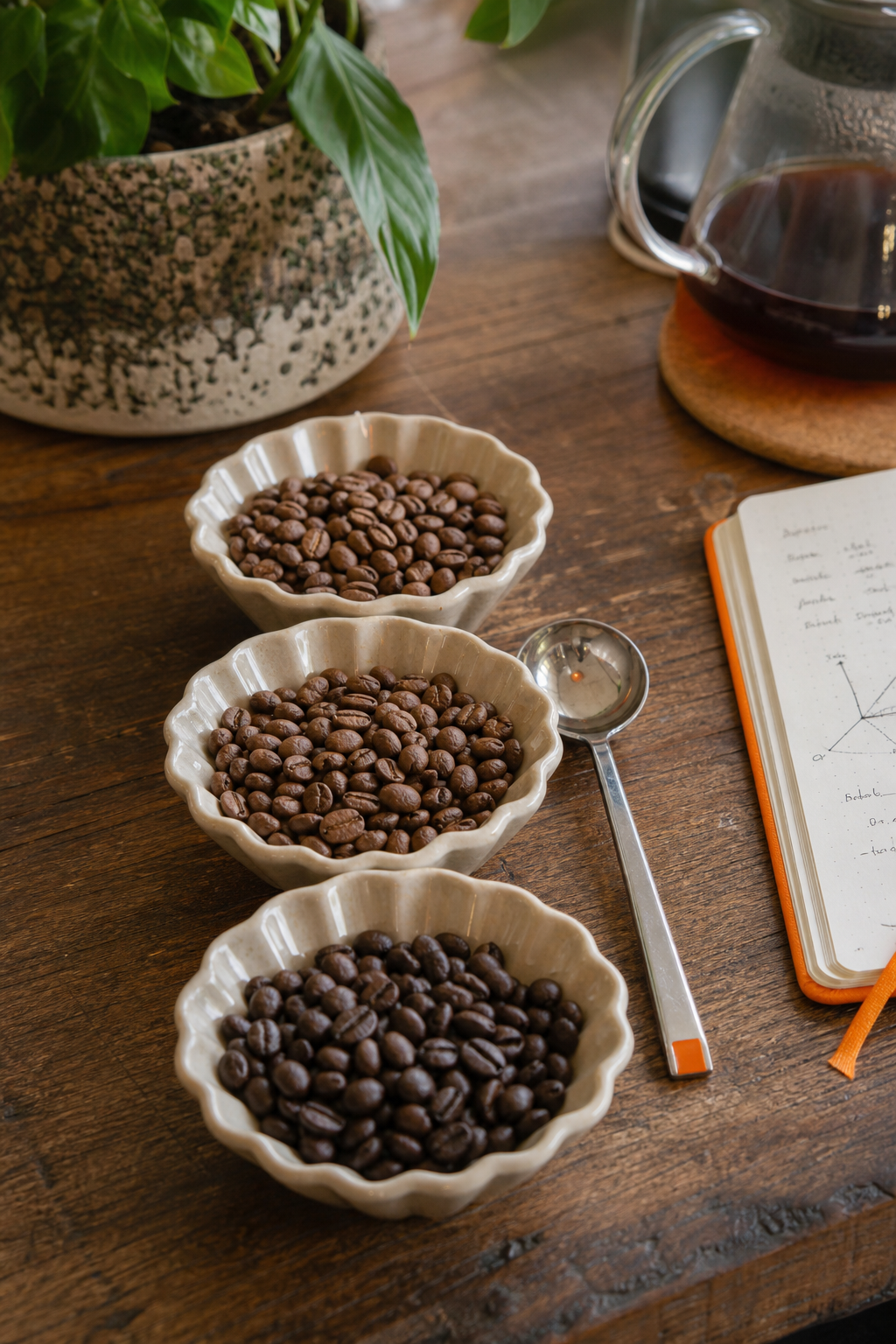
Look for certifications. Fair Trade ensures farmers get a minimum price. Organic means no synthetic pesticides. Rainforest Alliance protects biodiversity. Bird Friendly certification (from the Smithsonian Migratory Bird Center) guarantees shade-grown coffee that provides bird habitat. Not all certifications are equal, but they're a starting point.
Chilled Iguana Coffee Co. emphasizes ethical sourcing in their marketing. They partner with small farms and roast to order. That's a good sign. Ask your potential supplier for details: Which farms do they buy from? How do they verify practices? A transparent supplier will share this info willingly.
Direct trade is often better than certifications alone. In direct trade, the roaster builds a relationship with the farmer and pays well above commodity price. This supports quality and sustainability. The resource Current Crop Roasting's sustainable sourcing guide explains that direct trade allows roasters to have a bigger impact. Ask if your supplier does direct trade.
Also consider the bean's origin. Coffees from Peru and Colombia often come from small family farms. Supporting them supports rural livelihoods. Some roasters have impact reports on their website. If they don't, ask for one.
Finally, think about your own business. If you promote your coffee as ethically sourced, you can charge more and attract customers who care. It's a win-win. But you need proof. Don't make claims you can't back up. Work with a roaster that provides documentation.
Step 6: Secure Your Order and Manage Storage
You've chosen your supplier and agreed on the terms. Now it's time to place the order. Set up an account on their wholesale portal or work directly with a sales rep. For first orders, some roasters require a signed agreement. Read the fine print, especially about returns and cancellation policies.
Shipping is the next concern. Ask if they use insulated shipping and if they ship on certain days to avoid weekend delays. Freshly roasted coffee needs to rest for a few days before it's fully flavorful, but you want it to arrive soon after roasting. A reasonable lead time is 3-5 business days from roasting to delivery.
Once the beans arrive, storage is key. Coffee's enemy is oxygen, moisture, heat, and light. Transfer the beans to an airtight container. Keep them in a cool, dark place. Never put them in the fridge or freezer , that introduces moisture and can kill the flavor. Use a one-way valve bag if possible.
Plan your inventory. Order only what you can use in 2-3 weeks for maximum freshness. If you have a high volume, order more frequently. Some roasters offer a subscription-like wholesale program where they send you a set amount every week or two. That simplifies things.
Train your staff on proper storage and rotation. Use a "first in, first out" system. Label each bag with the roast date. When you open a new bag, write the date on it. This prevents using stale beans. Consistency matters every day.
Finally, build a relationship with your supplier. Talk to them regularly. Give feedback on the coffee. They want you to succeed. A good roaster will help you dial in your recipe and even create a custom blend for your shop. That's the ultimate goal of wholesale: a partnership that grows together.
Frequently Asked Questions
What's the typical minimum order for wholesale coffee in the Florida Keys?
Minimum orders for Florida Keys coffee beans wholesale depend on the roaster. Some require 20 pounds per variant, while others offer flexible starter packs. Chilled Iguana Coffee Co. doesn't state a minimum on their site, but their subscription model suggests they cater to businesses of all sizes. Always ask directly.
Can I get samples before committing to a large order?
Yes, reputable roasters almost always provide samples. For Florida Keys coffee beans wholesale, a sample allows you to taste the flavor profile and see if it suits your menu. Some charge a small fee, but many offer free samples for potential wholesale clients. Don't buy blind.
How do I know if a coffee is ethically sourced?
Look for certifications like Fair Trade, organic, or Rainforest Alliance. Also ask the roaster about their direct trade relationships. For Florida Keys coffee beans wholesale, Chilled Iguana Coffee Co. highlights ethical sourcing in their marketing. Transparency is key: good suppliers will tell you the farm name and region.
What roast level is best for a café in the Florida Keys?
Medium roast is the most versatile for Florida Keys coffee beans wholesale. It works for both drip and espresso. Dark roast suits cold brew and iced drinks. Light roast is excellent for pour-over. Many roasters offer a house blend that's medium-dark. Sample a few to see what your customers prefer.
How should I store wholesale coffee beans to keep them fresh?
Store beans in an airtight container away from light, heat, and moisture. Do not refrigerate. Use within 2-3 weeks of roasting for peak flavor. If you buy large volumes, order more frequently rather than storing for months. Freshness is the most important factor for Florida Keys coffee beans wholesale.
Can I get a custom blend or private label for my café?
Many roasters offer private label or custom blends. For Florida Keys coffee beans wholesale, Chilled Iguana Coffee Co. may create a signature blend for your business. You can then sell it under your own brand. This builds customer loyalty and gives you a unique offering. Ask your supplier about customization options.
How often can I order wholesale coffee beans?
Most roasters allow weekly or biweekly orders. Some have a set roast schedule, like every Monday and Thursday. For Florida Keys coffee beans wholesale, ask about their production cycle. You want beans that are roasted and shipped within a few days. Avoid suppliers that roast in huge batches and hold inventory.
What's the difference between single-origin and blend for wholesale?
Single-origin beans come from one specific region and have unique flavor notes. Blends combine beans from multiple origins to create a consistent, balanced taste. For Florida Keys coffee beans wholesale, a signature blend is often the anchor of a menu. Single-origins offer variety and a story to tell customers.
Conclusion
Buying Florida Keys coffee beans wholesale doesn't have to be complicated. Start by knowing your volume and quality needs. Then find a roaster that shares your values. Compare origins and roast levels through samples. Check pricing and minimums carefully. Make sure they practice ethical sourcing. Finally, manage your order and storage to keep that fresh island flavor.
Your choice of supplier affects every cup you serve. Improve your time. Ask questions. Taste everything. The right partner will help your business grow. Chilled Iguana Coffee Co. is a great example of a roaster that combines Florida Keys inspiration with quality and ethics. Whether you run a café, a food truck, or a boutique store, fresh beans make all the difference.
Now it's your turn. Use the steps here to evaluate suppliers. Request samples. Build a relationship. Your customers will taste the effort. And that's what turns a good café into a favorite spot.