



Want a coffee that feels like a beach sunrise? You can make that vibe in your kitchen. This guide walks you through every step to brew tropical coffee at home, from picking beans to serving the final drink. Follow along and you’ll taste bright fruit, smooth body, and a hint of island spice without leaving your porch.
Step 1: Choose the Right Tropical Coffee Beans
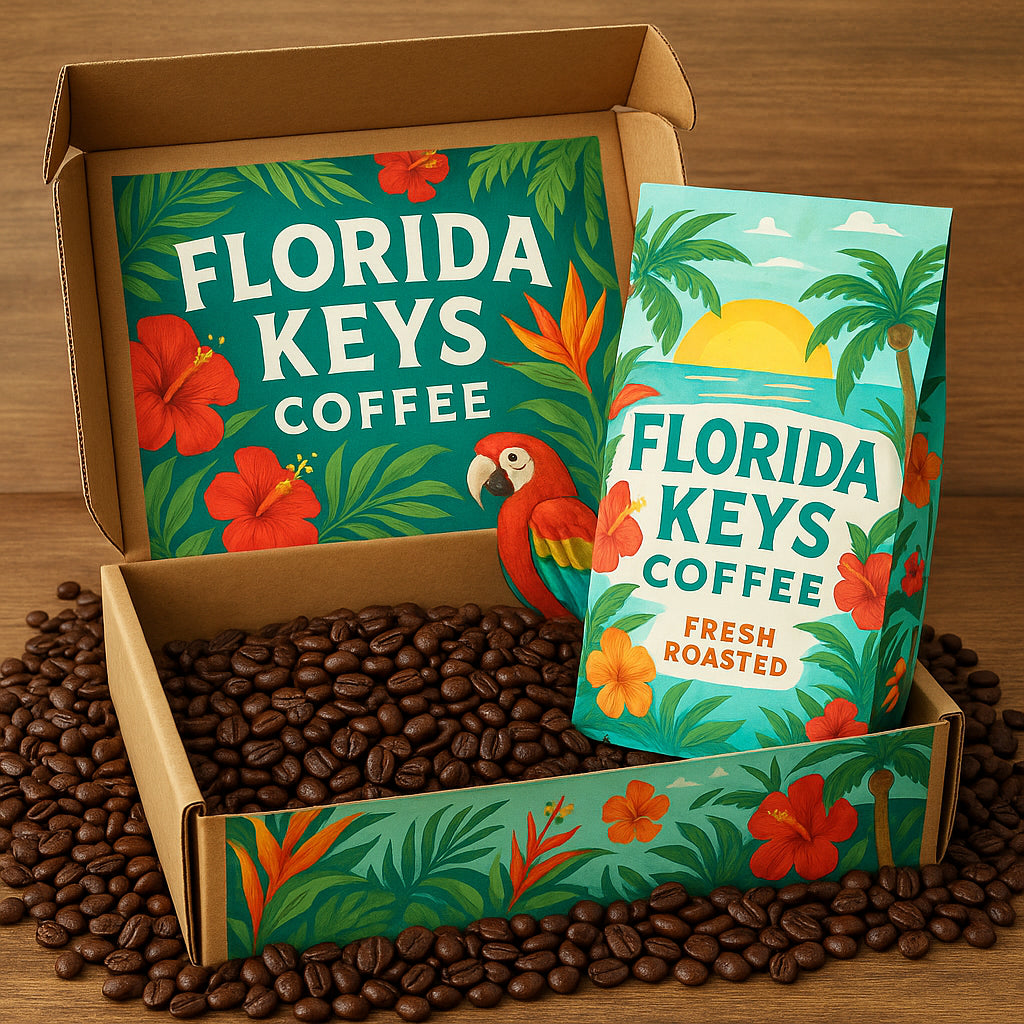
The foundation of any good cup is the bean. Look for beans that are fresh, ethically sourced, and marketed with tropical flavor notes. Florida Keys Coffee Flavor Profile: A Tasting Guide points out that fresh roasted beans give the brightest fruit and citrus taste. When you open a bag, check the roast date , beans roasted within the last two weeks hold the most aroma.
Origin matters, too. Beans from Ethiopia, Kenya, or the Hawaiian islands often carry natural fruit and floral tones that echo a tropical setting. The research from Onyx Coffee Lab describes a blend called Tropical Weather that mixes washed and natural Ethiopian beans for berries, plum, and sweet‑tea notes. Those flavors match what you’d expect from a beach‑side brew.
Pay attention to the processing method. Washed beans tend to be cleaner and highlight acidity, while natural‑processed beans keep more fruit sugars, giving a sweeter sip. If you love a bright cup, start with a washed Ethiopian or a Hawaiian medium roast. If you prefer a sweeter profile, try a natural‑processed blend.
Buy whole beans whenever possible. Whole beans stay fresh longer than pre‑ground coffee, and you can grind just before brewing to lock in aroma. A burr grinder will give you even particles, which is key for consistent extraction.
Bottom line:Pick beans that are fresh, have clear fruit notes, and match your flavor preference for the best tropical coffee.
Step 2: Prepare Tropical‑Infused Water
Water is the second most important ingredient after the bean. Use filtered water that tastes clean; tap water with chlorine can mute the bright notes you’re after. If you want a subtle island twist, add a hint of natural flavor to the water before brewing.
One easy method is to steep a few slices of fresh pineapple, a strip of orange peel, or a few sprigs of mint in the water for 10‑15 minutes. Then strain the water and bring it to the right temperature (195‑205°F). The fruit infusion adds a gentle sweetness that pairs well with the coffee’s natural acidity.
Temperature control matters. Too hot water can extract bitter compounds, while too cool water leaves the cup weak. A kitchen thermometer or a kettle with temperature settings helps you stay in the sweet spot.
Measure the water accurately. For a standard 1:16 coffee‑to‑water ratio, 30 g of coffee needs about 480 g (ml) of water. Adjust the amount if you prefer a stronger or milder brew.
Bottom line:Use clean, filtered water with a light fruit infusion and keep the temperature steady for a balanced brew.
Step 3: Brew Using a French Press
The French press is a simple tool that gives a full‑bodied cup while keeping the coffee oils that add mouthfeel. Start by heating your infused water to just off the boil, then let it sit for 30 seconds to hit the 195‑205°F range.
While the water rests, grind your beans to a coarse size, about the texture of sea salt. A burr grinder will give you the most even grind, which avoids over‑extraction.
Place the grounds in the bottom of the press, then pour the hot water over them, making sure every grain is wet. Give the mixture a gentle stir to break up any clumps. Put the lid on with the plunger pulled all the way up.
Set a timer for four minutes. During this steep time, the coffee releases its oils and flavor compounds. After four minutes, press the plunger down slowly and evenly. If you press too fast, you might force fine particles through the filter, creating a gritty cup.
Once pressed, pour the coffee into your mug right away. Letting it sit in the press can cause over‑extraction and bitterness. Taste the cup and note how the tropical fruit notes shine through the richer body.
According to Wikipedia’s French press entry, the immersion method preserves more of the coffee’s natural oils, which is why many tropical blends taste richer when brewed this way.
Bottom line:A four‑minute steep in a French press brings out full flavor and smooth body for tropical coffee.
Step 4: Add Flavor Enhancements
Now that you have a solid base, it’s time to add island‑inspired flavors. A splash of macadamia milk adds a buttery note that matches the coffee’s natural sweetness. If you like a bit of spice, a pinch of cinnamon or a tiny piece of vanilla bean works well.
For a truly tropical twist, try adding a drizzle of pineapple juice or a splash of coconut water. Start with one tablespoon and taste; you can always add more. Some people enjoy a thin slice of orange or a few fresh berries as a garnish , they add aroma and a pop of color.
If you prefer a cold drink, pour the fresh brew over ice, then stir in a spoonful of vanilla syrup and a dash of coconut milk. The cold temperature highlights the bright fruit notes while the milk smooths the edge.
Remember to keep the additions balanced. Too much milk can mute the coffee’s acidity, while too much juice may turn the drink into a fruit punch. Aim for a ratio of about 1 part milk or juice to 4 parts coffee.
Bottom line:Light, tropical add‑ins like macadamia milk, pineapple, or cinnamon lift the coffee’s island character without hiding the beans.
Step 5: Serve and Store Your Tropical Coffee
Presentation adds to the experience. Use a clear glass mug so you can see the coffee’s color and any garnish. For an iced version, fill a tall glass with ice, pour the brew, then add a splash of coconut milk and a wedge of lime.
When you’re not drinking the whole batch, store the leftover coffee properly. The ultimate guide to storing coffee recommends an airtight, opaque container kept in a cool, dark pantry. Avoid the fridge because moisture can spoil the beans.
Whole beans last longer than ground coffee, so keep beans whole until you’re ready to brew. If you’ve already brewed a batch, refrigerate the coffee in a sealed jar and consume it within three days for the best flavor.
For longer storage, you can freeze coffee concentrate in ice‑cube trays. When you need a cold drink, just pop a cube into a glass of water or milk. This method keeps the flavor fresh for up to two months.
Bottom line:Serve with bright garnish, and keep coffee away from light, air, and moisture to lock in island notes.
Step 6: Compare Brewing Variables
Different methods bring out different parts of the bean. Below is a quick comparison of the main variables you can tweak.
Cold brew shines when you want a smooth, low‑acid cup that feels like a tropical smoothie. It extracts fewer bitter compounds, which is why many coffee lovers say it brings out hidden fruit flavors. The Wikipedia entry on cold brew coffee confirms that the long steep time in cold water extracts sugars more gently.
Pour‑over gives the clearest cup. By controlling flow rate and using a medium‑fine grind, you can highlight the bright citrus and floral notes that come from washed Ethiopian beans. This method is great when you want to taste each nuance.
The French press, as we saw earlier, keeps more oils for a richer mouthfeel. It’s ideal if you enjoy a cup that feels like a warm beach breeze.
Bottom line:Choose cold brew for smoothness, pour‑over for clarity, or French press for body , each method highlights a different tropical facet.
FAQ
What water temperature is best for tropical coffee?
Aim for 195‑205°F (90‑96°C). This range extracts the bright fruit notes without pulling out bitterness. If you don’t have a thermometer, bring water to a boil, then let it sit for about 30 seconds before pouring.
Can I use regular tap water?
Tap water can work, but chlorine or mineral content may dull the coffee’s flavor. A simple charcoal filter or bottled water ensures a clean taste, letting the tropical notes shine.
How long can I keep brewed tropical coffee?
Store the brewed coffee in an airtight glass jar in the refrigerator and drink it within three days. After that the bright fruit flavors start to fade and the coffee can become flat.
Is cold brew really smoother?
Yes. Because cold water extracts fewer acidic compounds, the cup feels smoother and sweeter. That’s why many baristas recommend cold brew for beans with strong fruit notes.
Do I need a burr grinder?
A burr grinder gives a consistent particle size, which is key for even extraction. Blade grinders create uneven pieces that can lead to over‑ or under‑extracted coffee, masking the tropical flavors.
What’s a good garnish for a tropical coffee?
Fresh lime or orange zest, a slice of pineapple, or a few berries work well. They add a fragrant aroma and a visual cue that matches the island vibe.
Can I add sweeteners?
Yes, but add them after tasting the coffee. Light syrups like honey or agave keep the drink from becoming too cloying. A small amount can balance the acidity without covering the fruit notes.
How do I keep beans fresh longer?
Store beans in an opaque, airtight container in a cool pantry. Avoid the fridge or freezer unless you split the beans into small portions and seal them tightly.
Now you have a full roadmap to brew tropical coffee at home. Start with fresh beans, use clean water, pick the brewing method that fits your mood, and finish with a splash of island flavor. Whether you sip it hot at sunrise or cold on a hot afternoon, the cup will carry the bright, fruity spirit of a tropical beach.
Ready to try it? Grab a bag of ethically sourced beans, set up your water, and follow the steps. You’ll be surprised how easy it is to bring a taste of the tropics into your daily routine. And if you love the experience, consider a subscription from Chilled Iguana Coffee Co. , they deliver fresh, island‑inspired beans right to your door, so you never run out of that beach vibe.