



Tropical flavors can make coffee taste bright, creamy, or sharply sweet. But the best match depends on the flavor's main note, not its beach theme. Use these steps to pair mango, coconut, pineapple, citrus, banana, and other warm-weather flavors with coffee or tea.
A review of eight pairings from three web sources found one useful surprise: only two of four Hawaiian-origin coffees included coconut. Hawaiian coffee doesn't always mean coconut. Your brew method may shape the result just as much as the bean.
Step 1: Identify the Tropical Flavor's Main Character
Start your coffee and tea pairing with tropical flavors by naming the strongest note in the food or drink. Don't treat “tropical” as one flavor. Mango has a soft, ripe sweetness. Pineapple brings sharp acid. Coconut adds fat and cream. Citrus gives lift.
Smell the ingredient first. Then taste a small amount on its own. Ask what stays on your tongue after you swallow. That last note often decides the pairing.
- Mango: soft, peach-like sweetness with a mellow finish.
- Pineapple: bright acid with a tangy edge.
- Coconut: creamy, nutty, and mildly sweet.
- Banana: ripe sweetness with a thick, almost pastry-like feel.
- Citrus: fresh acid with a clean scent.
- Passion fruit: sharp tartness with a strong floral aroma.
Next, mark the flavor as either an echo or a contrast. An echo repeats a note. For example, coconut cream beside a nutty coffee can feel round and calm. A contrast puts two different notes together. Pineapple beside a low-acid, chocolate-toned coffee can make the fruit seem brighter.
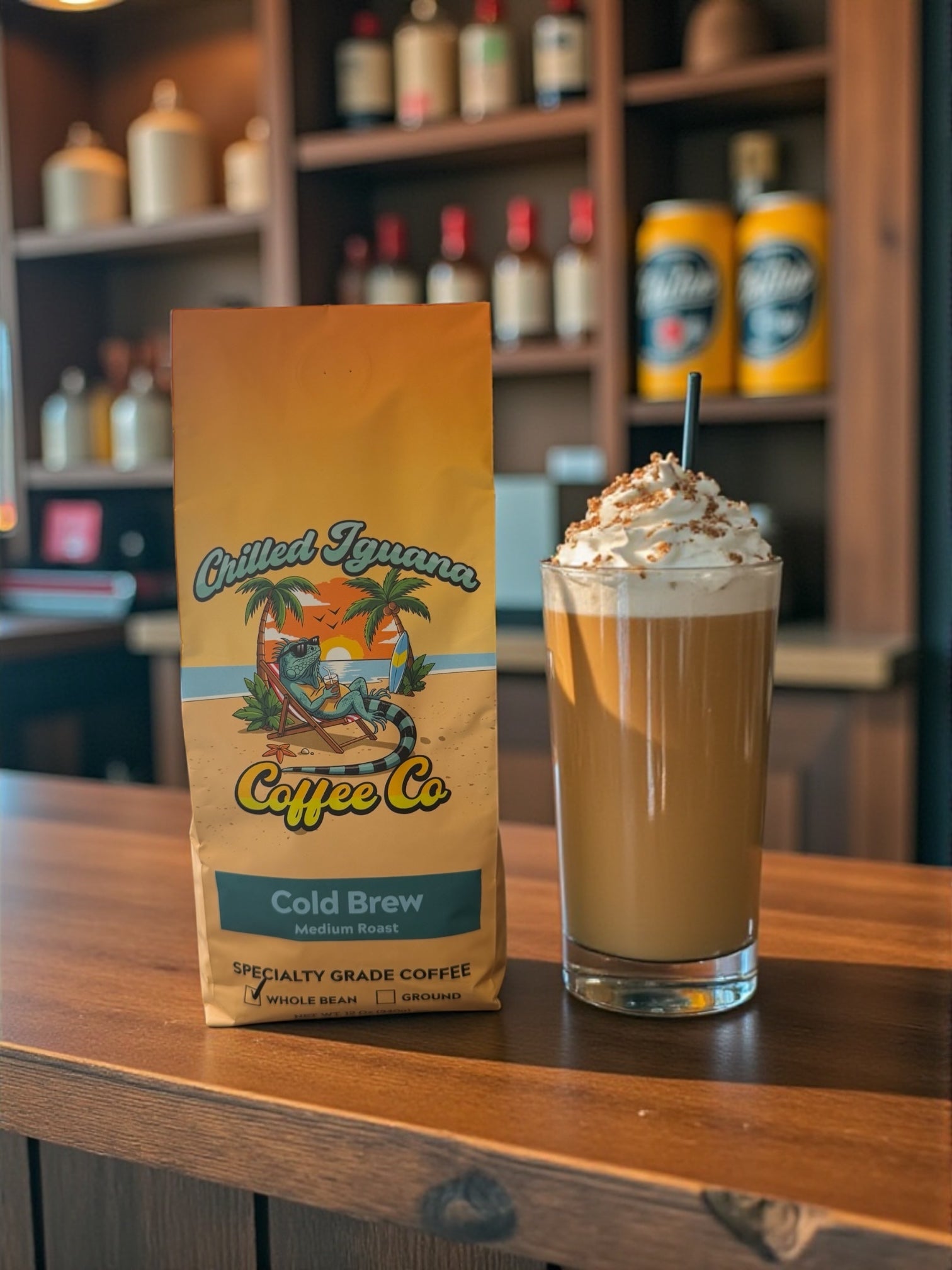
The flavor guide from Chilled Iguana Coffee Co.'s Florida Keys coffee tasting guide uses this same kind of check. It separates acidity, body, aroma, and aftertaste instead of calling the whole cup “tropical.” That makes your test easier to repeat.
Write down one main note before you brew. If you list six flavors at once, you won't know which one drove the result.
Step 2: Choose a Coffee or Tea Base That Complements It
Choose the base after you name the tropical note. In coffee and tea pairing, tropical flavors need a base with enough strength to stay present, but not so much roast or tannin that it buries the fruit.
Think in broad groups first:
- Bright coffee: suits citrus, pineapple, and passion fruit when you want a lively cup.
- Nutty or caramel coffee: fits coconut, banana, mango, and pastry-style desserts.
- Deep coffee: works with grilled pineapple or dark chocolate, but can hide delicate fruit.
- Black tea: gives tropical fruit a firm, dry frame.
- Green tea: can keep citrus and floral notes light.
- Herbal tea: works when you want the fruit to lead the drink.
Coffee and tea are different starting points. Coffee comes from roasted coffee seeds, while true tea comes from the leaves of Camellia sinensis. Coffee is a brewed drink made from roasted coffee beans. True tea comes from the leaves of Camellia sinensis. The distinction matters because coffee tends to bring roast, body, and bitterness. Tea can bring tannin, grass, flowers, or spice.
For coconut, begin with a medium body and a nutty or vanilla note. For pineapple, try a cleaner cup with enough acid to meet the fruit without turning sour. For mango, choose a mild base that lets the fruit's soft sweetness stay in front.
Chilled Iguana Coffee Co. gives you a useful way to test this at home because its catalog includes several roast styles and flavored coffee profiles. Start with one base, not a full shelf. A small side-by-side test tells you more than a long flavor description.
Tea can be the better choice when coffee tastes too heavy. A light green tea with mango may feel crisp. An herbal infusion with citrus can keep the finish clean. The right choice depends on the texture you want in the final sip.
Step 3: Balance Sweetness, Acidity, Body, and Aroma
Balance is the working skill behind coffee and tea pairing with tropical flavors. Check four parts of the cup: sweetness, acidity, body, and aroma. If one part dominates, adjust the base or the serving style.
Match sweetness
Sweet fruit can make bitter coffee taste harsher. Pair ripe mango or banana with a coffee that has nut, caramel, vanilla, or cocoa notes. Those flavors make the match feel connected.
If the pairing tastes flat, add a small sweet element to the food rather than loading the drink with syrup. A sweeter dessert can soften a dark roast. A less sweet fruit dish may suit a naturally mild coffee.
Control acidity
Acid on acid can taste fresh, but it can also become sharp. Pineapple with a bright coffee needs care. If the cup tastes sour, switch to a smoother base or serve it cold. If the fruit seems dull, use a brighter brew or add citrus zest to the food.
Watch body and aroma
Body is how heavy the drink feels. Coconut cream and banana bread need enough body to avoid a thin match. Citrus and passion fruit often work better with a lighter drink.
Aroma can change the first impression. Vanilla, toasted nut, and floral scents may make tropical fruit seem sweeter before you taste it. This is why a coconut pairing can feel dessert-like even when the fruit itself is subtle.
Use a simple score from one to five for each part. You don't need lab gear. A notebook is enough. Record the first sip, the middle of the cup, and the aftertaste. Tropical notes may show up late, especially in a chilled drink.
Step 4: Build and Test a Tropical Pairing Flight
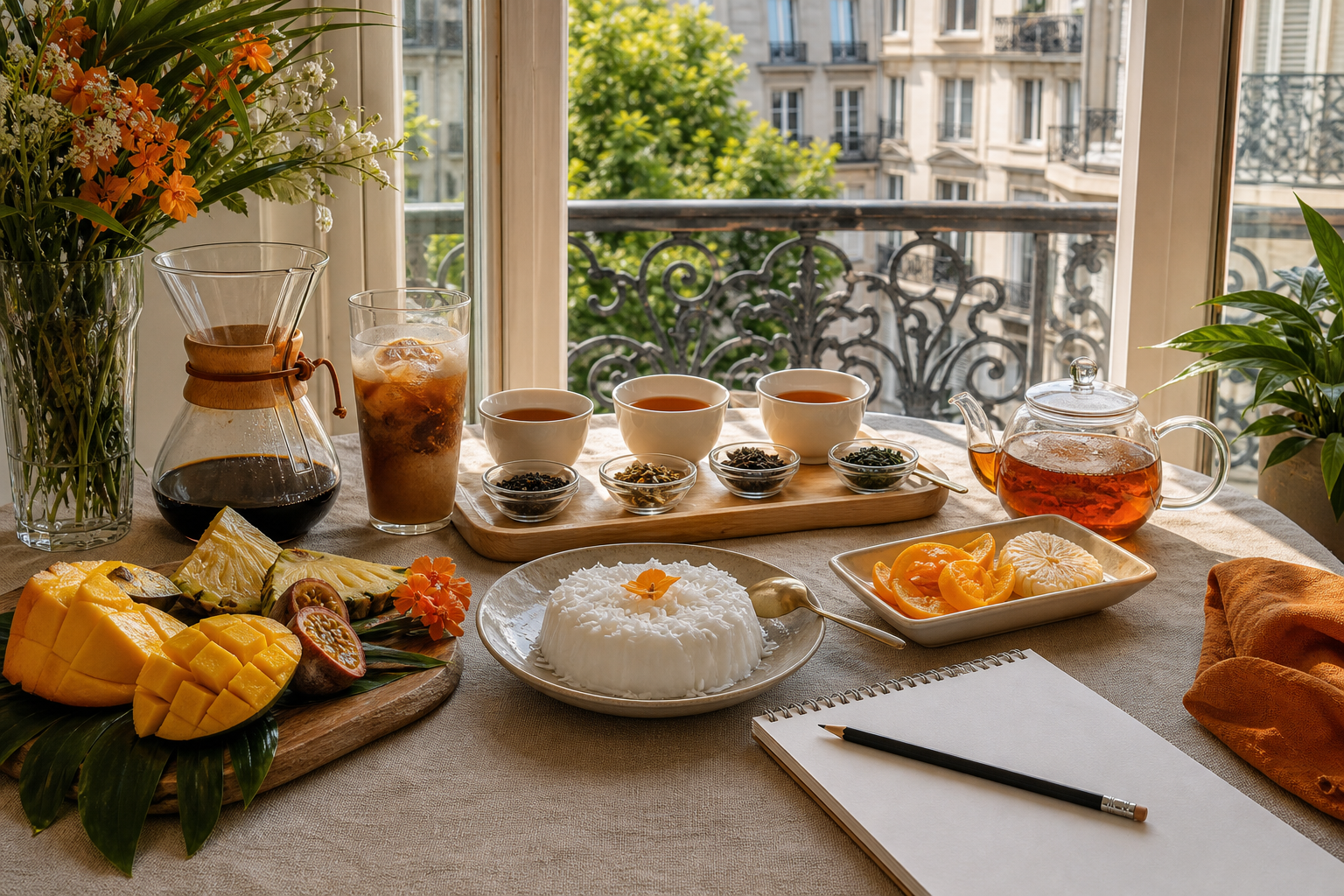
Build a small flight instead of betting on one pairing. This gives your coffee and tea pairing with tropical flavors a clear test plan. Keep the fruit or dessert constant while you change the drink.
Choose three bases. For example, use one bright coffee, one nutty coffee, and one tea. Then choose one tropical food with a clear main note. Coconut cream, mango slices, pineapple, or banana bread all work as test foods.
Serve the drinks in the same type of cup. Keep the food portions similar. Taste the base alone first. Then take a bite of the food and sip again. Look for a better finish, not a louder first taste.
Research on eight tropical coffee pairings found that two Hawaiian blends shared the same cold-brew preparation instructions. That repeated method suggests cold brew can suit sweet, creamy Hawaiian profiles. But don't assume every tropical coffee should be cold brewed.
A nitrogen-infused coffee uses a different preparation style. The draft method can change texture and soften the way fruit notes arrive. A French press brings more weight to a cup, while cold brew usually gives a smoother impression. Match the method to your goal.
One comparison from the review is especially useful. Coconut Cream Pie 100% Hawaiian Coffee suits a French press, while Hawaiian Toasty Banana Nut Cream suits cold brew. Both have vanilla and nut cues, yet the method changes the texture. That is a reminder to test the drink, not just its label.
Step 5: Adjust the Recipe and Serve It the Right Way
Make one small change after each tasting. In coffee and tea pairing, tropical flavors can vanish when the drink is too hot, too strong, too cold, or too diluted.
Make one change at a time
If pineapple tastes too sharp, use a smoother coffee or chill the drink. If mango disappears, reduce the strength of the base or choose a more fragrant tea. If coconut feels heavy, serve a lighter brew or add a crisp fruit element.
Don't change the coffee, food, ice, and sweetener all at once. You won't know what fixed the problem. Write down each change beside your tasting score.
Choose the serving style
- Serve bright fruit pairings slightly cool when heat makes the acid seem harsh.
- Use a warm cup for coconut and banana desserts when you want more aroma.
- Add ice only after the drink tastes balanced, since melting ice will thin it.
- Keep milk or cream modest at first because it can cover floral fruit notes.
- Use a clear glass for iced drinks so the flight is easy to compare.
For a home tasting, pour small samples and give each one a few quiet sips. Smell before tasting. Then focus on the finish. A pairing that starts softly but ends sweet may work better than one that shouts tropical fruit at the first sip.
Chilled Iguana Coffee Co. is a sensible place to start if you want Florida Keys-inspired coffee alongside tea for repeat tests. Once you find a pairing you like, a coffee subscription can help you keep the same base on hand while you refine the food match.
Serve the flight with a glass of water. It clears the palate between samples. Keep strong citrus or very sweet desserts for the later rounds because they can affect what you taste next.
FAQ
What coffee goes best with tropical fruit?
A mild or nutty coffee often goes best with sweet tropical fruit such as mango, banana, and coconut. Bright coffee can suit pineapple or citrus when the acidity stays balanced. For coffee and tea pairing with tropical flavors, start with the fruit's strongest note, then choose a drink that echoes it or gives a clean contrast.
Does coconut pair better with coffee or tea?
Coconut can work with both, but coffee usually gives it more body. Choose a nutty or vanilla coffee for a dessert-style match. Tea works well when you want a lighter result. A French press may suit a rich coconut dessert, while a chilled tea can keep the finish fresh.
Is cold brew good with tropical flavors?
Cold brew is good with tropical flavors that have soft sweetness or cream, such as banana, coconut, and vanilla. It can also reduce the sharp feel of some fruit pairings. Test it beside a warm brew because cold temperature may mute aroma even while it smooths the cup.
What tea pairs well with mango?
Green tea or a mild herbal tea pairs well with mango because both let its soft sweetness lead. A strong black tea may add useful depth, but it can cover the fruit. In coffee and tea pairing, tropical flavors like mango need a base that stays quiet enough for the aroma to show.
How do I test a coffee and tropical fruit pairing?
Test the base alone first, then taste it with the fruit. Keep the food amount and serving temperature steady while you change one drink variable. Rate sweetness, acidity, body, aroma, and finish. This simple flight shows whether the match improves the cup or only makes one note louder.
Conclusion
Start with the tropical ingredient's main character, then test one coffee and one tea beside it. For a first flight, compare a nutty coffee, a bright coffee, and a mild tea with coconut or mango. Keep notes, change one variable at a time, and let the winning pairing guide your next order from Chilled Iguana Coffee Co.