



Table of Contents
- What Causes Bitter Coffee Taste at Home
- Coffee Grind Size Chart for Beginners
- Ideal Water Temperature for Coffee Brewing
- How to Clean Coffee Maker to Remove Bitter Taste
- Frequently Asked Questions
Last Updated: September 4, 2026
What Causes Bitter Coffee Taste at Home
A bitter coffee taste in your morning cup usually comes from over-extraction, where hot water pulls too many bitter compounds from the grounds. This happens when your grind is too fine, water is too hot, or the brew sits too long. At Chilled Iguana Coffee Co., we roast beans fresh for a reason: stale coffee loses its natural sweetness and turns harsh, so starting with fresh roasted beans makes every other fix easier.
Most home setups fall into one of three traps: grinding too fine, brewing too hot, or letting coffee sit on the burner. The good news? Each has a simple fix you can apply before your next brew.
Coffee Grind Size Chart for Beginners
Grind size is the single biggest lever you control. A standard drip machine needs a medium grind, roughly like granulated sugar. Espresso needs fine, like table salt, while French press needs coarse, like breadcrumbs. If your coffee tastes bitter, your grind is likely too fine for the method, which means water struggles to pass through, over-extracting the grounds.
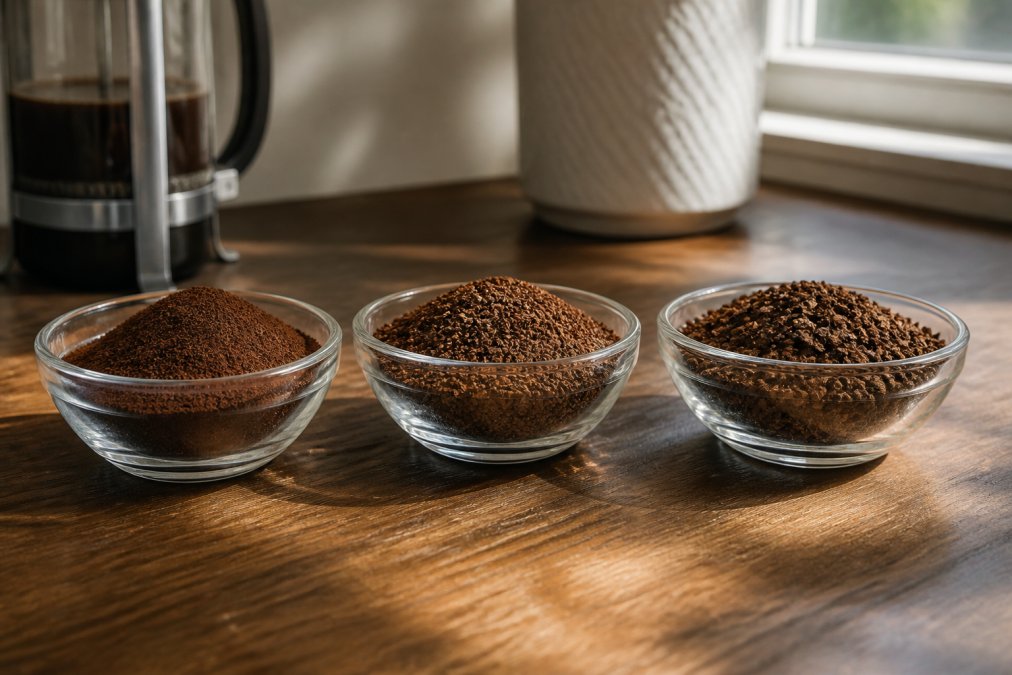
A common mistake is using a blade grinder, which chops beans unevenly and leaves both powder and chunks. A burr grinder gives you consistent particle size, which matters more than the price tag. Start with a slightly coarser grind and adjust until the bitter aftertaste fades.
| Brew Method | Grind Size | Looks Like | Fix If Bitter |
|---|---|---|---|
| French Press | Coarse | Breadcrumbs | Go coarser |
| Drip Machine | Medium | Granulated sugar | Go coarser |
| Pour-Over | Medium-Fine | Sand | Check pour speed |
| Espresso | Fine | Table salt | Check dose |
Ideal Water Temperature for Coffee Brewing
Water temperature directly controls how much you extract from the coffee grounds. The ideal range sits between 195°F and 205°F. Boiling water, at 212°F, scorches the grounds and pulls out harsh, bitter tannins that ruin the flavor profile. If your water is bubbling vigorously, let it rest for about 30 seconds before pouring.
Many enthusiasts overlook that hotter water also increases caffeine content and solubility of bitter compounds. If you do not have a gooseneck kettle with temperature control, simply letting a full boil sit for 30 seconds usually lands you in the right zone. This single adjustment eliminates most bitter coffee taste at home without changing anything else.
How to Clean Coffee Maker to Remove Bitter Taste
Old coffee oils and residue buildup in your brewing equipment turn every fresh batch bitter, no matter how good the beans are. A layer of rancid oils coats the carafe, basket, and internal lines, and each new brew picks up that stale flavor. Cleaning your coffee maker monthly removes the residue that fresh water and soap cannot touch.
Run a solution of equal parts white vinegar and water through a full cycle, then follow with two cycles of plain water. For pour-over cones and French presses, soak removable parts in warm soapy water and scrub with a soft brush. Pay special attention to the showerhead and basket, where coffee oils collect fastest.
Fresh beans matter more than any technique. Even perfect brewing cannot fix coffee that sat on a shelf for months. That is why we roast in small batches and ship fresh to your door, so you taste the roast profile the roaster intended. For a smooth introduction to better home brewing, try our Best Sellers Sample Pack, which includes single-origin Peru and Bali beans alongside house blends.

Bitter coffee usually means over-extraction, and the fix is rarely complicated. Adjust your grind coarser, cool your water slightly, and clean your equipment on a regular schedule. When you start with fresh roasted beans from Chilled Iguana Coffee Co., you will taste the difference immediately. Our specialty-grade coffee is roasted in small batches and delivered to your door, so every cup carries the full flavor profile without the bitter edge. Get started with Chilled Iguana Coffee Co. and bring the laid-back Florida Keys vibe to your home brewing ritual.
Frequently Asked Questions
How do I know if my coffee is over-extracted?
Over-extracted coffee tastes excessively bitter with a harsh, unpleasant aftertaste. This happens when hot water contacts the grounds too long, pulling out excessive tannins and bitter compounds. If your brew tastes harsh or burnt, reducing your brewing time and adjusting grind size coarser can help reduce bitterness.
What's the ideal water temperature for coffee brewing?
The best water temperature for coffee is between 195°F and 205°F (90-96°C). Water hotter than 205°F over-extracts the grounds, creating bitter flavors. Water cooler than 195°F under-extracts, leaving sour notes. Use a thermometer or let boiling water cool for 30 seconds before brewing. Temperature control directly impacts whether your coffee tastes balanced or bitter.
Can I fix bitter coffee taste with better beans?
Yes. Lower-quality beans or over-roasted coffee can contribute to bitterness. Specialty-grade, freshly roasted beans like those from Chilled Iguana Coffee Co. can offer cleaner flavor profiles. A medium or light roast also tends to produce less bitterness than dark roasts. Upgrading your beans can be a good starting point for reducing bitterness.
This article was written using GrandRanker