



Table of Contents
- What Makes Single Origin Coffee Worth Seeking Out
- Top Single Origin Coffee Beans by Region and Flavor
- How to Brew Single Origin Coffee for Maximum Flavor
- Single Origin vs Blend Coffee: What's the Real Difference
Last Updated: August 16, 2026
What Makes Single Origin Coffee Worth Seeking Out
Single origin coffee beans come from a specific region, farm, or cooperative, not blended from multiple sources. Every cup carries the distinct fingerprint of that place: its altitude, soil, climate, and processing tradition.
A Colombian coffee grown on volcanic loam at 1,300 meters tastes completely different from a Sumatran coffee processed using wet-hulling methods in the highlands of Aceh. That difference is why serious coffee enthusiasts learn about terroir, cupping scores, and roast dates.
At Chilled Iguana Coffee Co., we source exceptional beans from specific origins so you experience the real complexity that makes specialty coffee worth the investment. Beans arrive fresh-roasted with the roast date printed on the bag, freshness matters more than most people realize.
Top Single Origin Coffee Beans by Region and Flavor
Costa Rica, Sweet, Balanced, Fruit-Forward
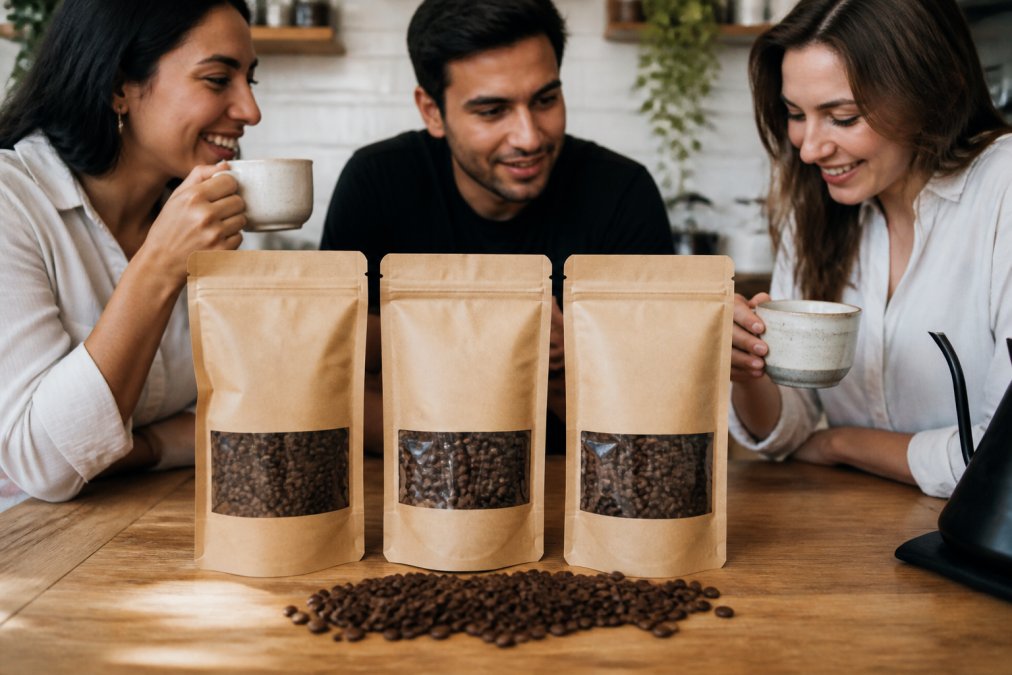
Costa Rican coffees hit a sweet spot for people exploring single origin for the first time. Volcanic soil and high altitude amplify sweetness and clarity. Our Costa Rica offering from micro farms in Alajuela showcases notes of sweet apple, raisin, and honey on a medium roast. The Caturra and Catuai varietals grown at 1,300-1,445 meters produce a bright, balanced cup with medium acidity and smooth body. This origin works with any brewing method, pour-over highlights fruit tones, French press rounds out body, and even standard drip machines pull good results.

Specialty Coffee Association cupping standards
Colombia, Bright Citrus, Berry, Chocolate Finish
Colombian coffees occupy a middle ground: more complex than most Central American origins, but still accessible. Smallholder farmers in Medellin grow Castillo, Caturra, Colombia, and Typica varieties on volcanic loam at 1,300-1,500 meters. The fully washed process and solar drying preserve clarity while preventing rain damage. The result is pronounced dried-orange top notes, berry-forward mid-palate, and rounded chocolate finish. Bright but balanced acidity makes this coffee work beautifully in pour-over or AeroPress to showcase citrus clarity, or as espresso to emphasize chocolate sweetness and body.
Sumatra, Deep, Earthy, Syrupy Body
Indonesian coffees from Sumatra represent a departure from the fruit-and-brightness profile of Central American origins. The giling basha (wet-hulling) processing method, combined with high altitude and volcanic soil, creates a signature syrupy body and forest-floor earthiness. Our Sumatra offering from the Takengon plateau in Aceh carries dark chocolate and dried-fruit notes through a long finish. Medium acidity and dense mouthfeel make this coffee ideal for French press or cupping, where body and complexity fully develop.
| Origin | Tasting Notes | Altitude | Best Brewing Method | Body |
|---|---|---|---|---|
| Costa Rica | Sweet apple, raisin, honey | 1,300-1,445 m | Pour-over, drip, French press | Medium |
| Colombia | Dried orange, berry, chocolate | 1,300-1,500 m | Pour-over, AeroPress, espresso | Medium |
| Sumatra | Dark chocolate, dried fruit, earthy | 1,100-1,600 m | French press, immersion | Syrupy |
How to Brew Single Origin Coffee for Maximum Flavor
The brewing method you choose directly shapes which flavors emerge from your beans. Single origin coffee has enough complexity that technique matters.
Start with Water Quality
Water makes up 98% of your cup. Heavily chlorinated or mineral-heavy tap water mutes the delicate flavors that make single origin special. Many coffee enthusiasts use filtered or bottled water. Water temperature should sit between 195-205°F, too hot extracts bitterness, too cool leaves the cup thin and sour.
Grind Size and Consistency
Grind size determines extraction speed. Finer grinds extract faster (espresso and AeroPress), while coarser grinds extract slower (French press and immersion). Burr grinders produce more consistent results than blade grinders.
Pour-Over and Drip
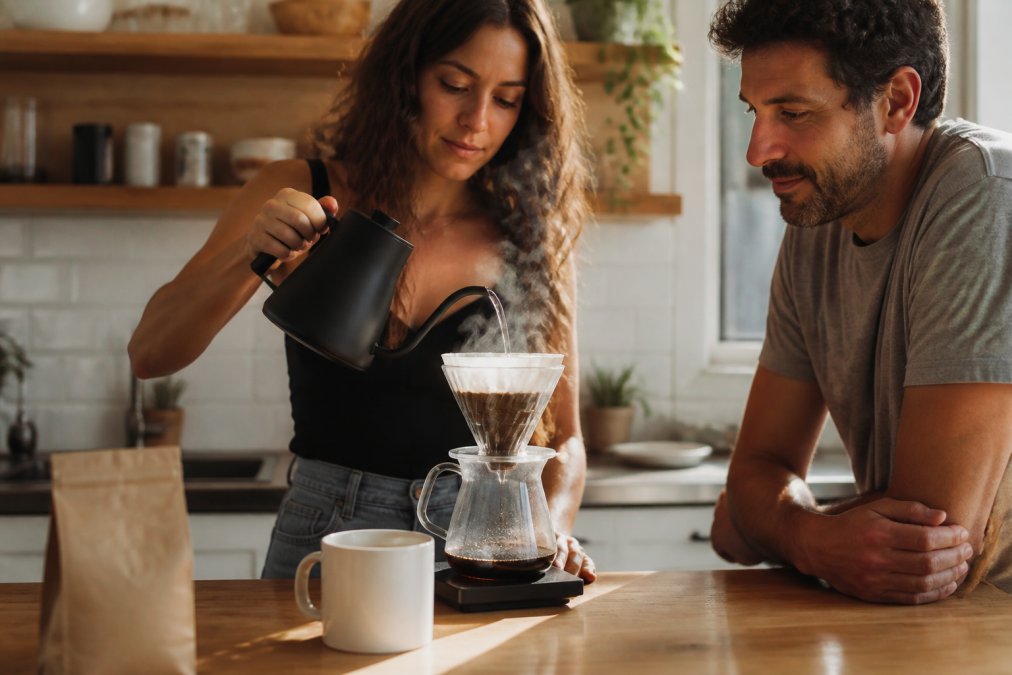
Pour-over methods (Chemex, V60, Melitta) give you control over water temperature, pour rate, and bloom time. Bloom for 30-45 seconds, then pour slowly in circular motions. The entire brew should take 3-4 minutes. This method highlights clarity and acidity, ideal for bright, fruit-forward origins like Costa Rica and Colombia.
French Press
Immersion brewing extracts more oils and body than pour-over methods. Use a coarser grind and steep for 4 minutes. Press slowly to avoid sediment. This method suits coffees with heavier body and earthy notes, like Sumatra, where you want full mouthfeel and complexity.
Espresso
Espresso demands precision. Use a medium-fine grind, tamp evenly, and pull a shot in 25-30 seconds. Single origin espresso reveals different flavors than filter brewing, more body, more sweetness. Colombian coffees work well as espresso because chocolate and fruit notes intensify under pressure.

Single Origin vs Blend Coffee: What's the Real Difference
A blend combines beans from multiple origins to create a consistent flavor profile year-round. A single origin comes from one region or farm, so the flavor profile shifts with each harvest season and processing decisions.
Why Choose Single Origin
Single origin coffee reveals the specific character of a place. You taste the altitude, soil, and processing method. Single origin coffees tend to score higher on the Specialty Coffee Association cupping scale because quality control is tighter. Traceability matters, you know where the beans came from, often down to the exact elevation and varietal.
Why Blends Still Matter
Blends offer consistency. A well-crafted blend tastes the same year-round because the roaster adjusts bean ratios to compensate for harvest variations. For everyday drinking, blends work well. For exploration and discovery, single origin is where the real conversation happens.
Specialty Coffee Association brewing guidelines
The Freshness Factor
Both single origin and blend coffee depend on freshness, but single origin reveals staleness more obviously. A stale single origin tastes like nothing, the delicate fruit notes vanish, leaving only bitterness. This is why roast dates matter so much for specialty coffee. Look for beans roasted within 2-4 weeks of purchase.
Coffee freshness and flavor retention research
The best single origin coffee beans are the ones that match your brewing method, your palate, and your commitment to the ritual. Whether you're drawn to the brightness of Costa Rica, the balance of Colombia, or the depth of Sumatra, start with fresh-roasted beans from a transparent source and brew with intention.
Chilled Iguana Coffee Co. offers a curated selection of single origin coffees, Costa Rica, Colombia, and Sumatra, all roasted fresh and delivered to your door. Each origin is chosen for its distinct character and sourced with direct relationships to farmers and cooperatives.
Frequently Asked Questions
What makes single origin coffee better than blends?
Single origin coffee comes from one specific region or farm, allowing you to taste the unique characteristics of that terroir, the soil, altitude, and climate that shape flavor. You'll experience distinct tasting notes like floral, citrus, or chocolatey profiles that reflect where the beans grew. Blends mix beans from multiple origins to create consistency and balance, but single origin coffees let you explore the complexity and personality of a specific place. If you want to discover what makes specialty coffee special, single origin is where to start.
How do I choose the best single origin coffee for my taste?
Start by identifying your flavor preferences. If you enjoy bright, fruity cups, look for coffees from high-altitude regions with washed processing, like those from Colombia with citrus and berry notes. If you prefer deeper, earthier profiles, try natural or wet-hulled processed coffees like Sumatra with dark chocolate and syrupy body. Check the roast date to ensure freshness, and consider your brewing method. Pour-over and AeroPress highlight clarity and acidity, while French press brings out body and sweetness. Reading the tasting notes and processing method will guide you toward single origin beans that match your palate.
How should I store single origin coffee beans to keep them fresh?
Store whole beans in an airtight container away from light, heat, and moisture, a cool, dark cupboard is ideal. Keep the roast date visible and use beans within 2-3 weeks for peak freshness and flavor complexity. Avoid the freezer, which can introduce moisture, and grind just before brewing to preserve the volatile compounds that create those nuanced tasting notes. If you're ordering specialty single origin coffee online, choose a roaster that ships quickly after roasting so the beans arrive at their peak.
Does single origin coffee have more caffeine than blends?
Caffeine content is determined by the arabica or robusta species and brewing method, not whether the coffee is single origin or blended. A single origin arabica has roughly the same caffeine as a blended arabica, about 95 mg per 8 oz cup. What differs is flavor intensity and complexity. Single origin coffees often taste more vibrant and pronounced because you're tasting one origin's full character, which might feel more 'caffeinated' in terms of sensory experience, but the actual caffeine is comparable.
What's the difference between light and dark roast single origin beans?
Light roasts preserve the origin's natural acidity and fruit-forward tasting notes, you'll taste more floral, citrus, and berry characteristics. Dark roasts develop deeper, roasted flavors like chocolate, caramel, and earth, which can mask some of the origin's delicate notes. Medium roasts, like many specialty single origin coffees, strike a balance: they highlight the origin's character while adding smoothness and body. Choose based on your preference: light for clarity and brightness, dark for boldness, medium for approachability and balanced complexity.
This article was written using GrandRanker