



Ever tried a coffee that feels like a spice market in one sip? It can happen, even if you are just starting out. This list shows eight easy pairings that let you see how coffee and tea can work together without any guesswork. You’ll learn why each match fits a beginner’s palate, how to brew each side, and when to enjoy the combo.
1. Bali Blue Coffee + Masala Chai , Bold Meets Spice
Bali Blue Moon is a medium‑dark roast grown on the volcanic slopes of Kintamani, Bali. The beans are hand‑picked, wet‑hulled, and roasted to bring out dark chocolate, molasses, and brown sugar notes. The full body and low acidity make it a sturdy base for the bold spices of masala chai.
Masala chai blends black tea with cardamom, cinnamon, ginger, and clove. The spice mix cuts through the coffee’s chocolate depth and adds a warm, aromatic lift. When you brew the coffee using a French press and steep the chai spices in hot water, the two flavors mingle without one drowning the other.
Why this works for beginners: the coffee’s sweetness balances the chai’s bite, while the spice notes give a clear flavor cue. You can taste each element and still feel the drink is smooth.
- Grind the coffee medium‑coarse for a French press.
- Use a 1:15 coffee‑to‑water ratio (15 g coffee to 225 g water).
- Steep the chai spices for 4‑5 minutes in 200 °F water, then pour the coffee over the spiced tea.
Try it on a chilly morning. The warmth of the spices will wake you up, and the coffee’s body will keep you alert for the day ahead.
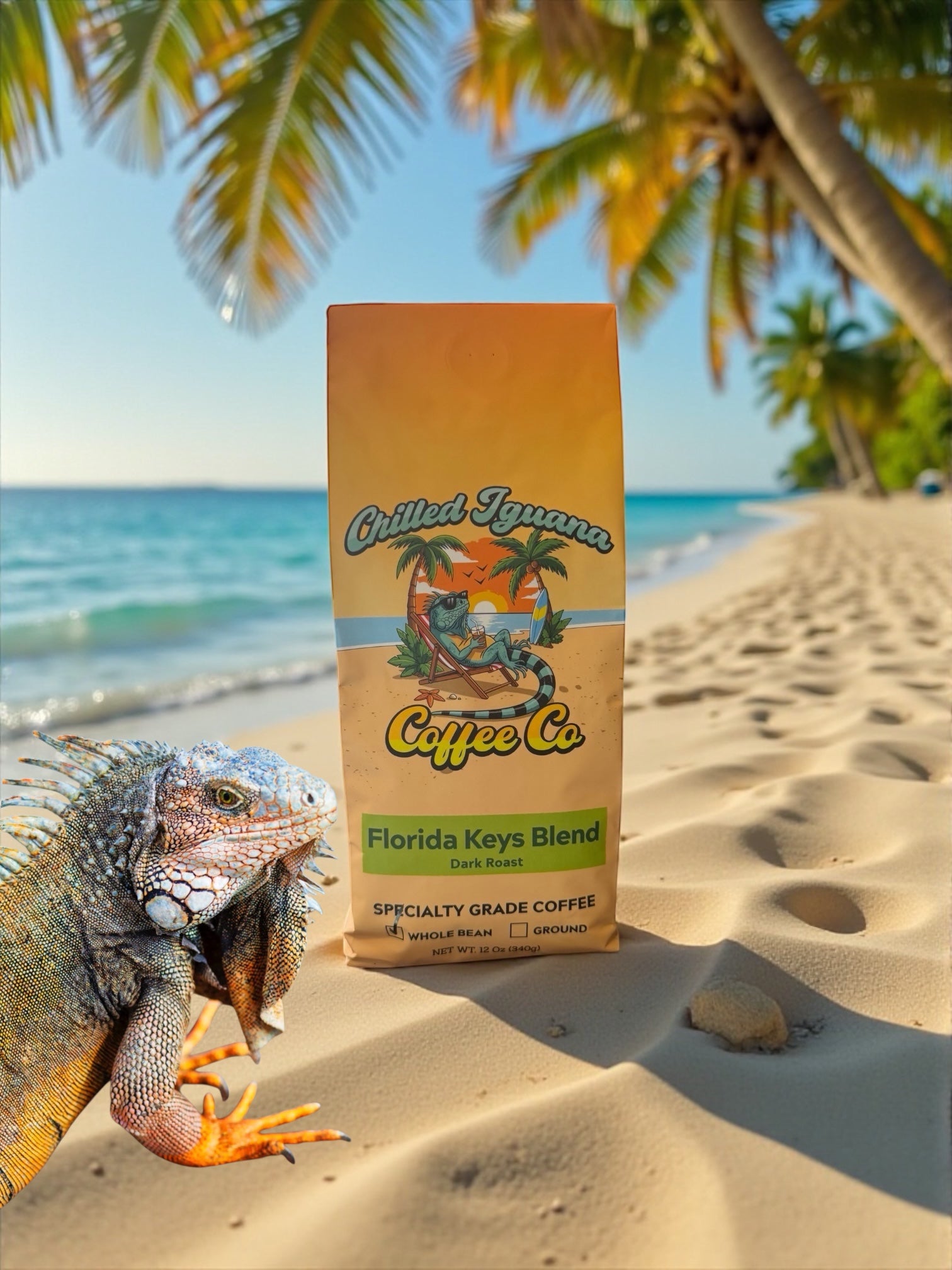
2. Blonde Coffee + Earl Grey Tea , Light and Floral
Our Blonde Coffee is a light‑roasted blend from Central America and Africa. It offers bright citrus notes, a clean finish, and a gentle body. Because the roast is light, the coffee won’t overpower the delicate bergamot flavor in Earl Grey.
Earl Grey tea is black tea scented with bergamot oil, giving it a citrus‑floral aroma. When you combine the two, the coffee’s bright acidity mirrors the bergamot’s zest, while the tea adds a smooth backdrop.
To make the pairing, brew the coffee as a pour‑over (200 °F water, 1:16 ratio) and steep the Earl Grey for 3 minutes. Then, pour the coffee over the brewed tea and stir gently.
This combo is perfect for a late‑afternoon pick‑me‑up. The light coffee lifts your mood, and the tea’s floral scent feels calming.
- Use a fine‑medium grind for the pour‑over.
- Let the tea cool slightly before adding coffee to keep the bergamot bright.
- Add a splash of milk if you like a creamier finish.
For more tips on tasting coffee, check out Florida Keys Coffee Flavor Profile: A Tasting Guide. It walks you through how to spot citrus and caramel notes, which helps you see why this blend works.

3. Cowboy Blend Coffee + English Breakfast Tea , Strong and Malty
Cowboy Blend mixes dark and medium roasts, giving it cocoa, caramel, and vanilla tones. The blend is built for a strong sip that can stand up to a hearty tea.
English Breakfast tea is a strong black tea blend from Africa and India. It has a malty depth that matches the coffee’s chocolate notes.
Start by pulling a short espresso shot (30 ml) from the Cowboy Blend. Then, brew a strong cup of English Breakfast (use a 1:12 ratio). Combine the two in a mug, and add a dash of milk if you like.
The result is a bold, full‑bodied drink that feels like a breakfast treat. The coffee’s crema adds a silky texture, while the tea’s malt gives a lingering sweetness.
When you sip, notice how the coffee’s bitterness is softened by the tea’s malt. This balance makes the combo approachable for new drinkers who might find straight espresso too harsh.
- Use a dark roast for a stronger espresso base.
- Steep the tea for 4 minutes to extract full malt flavor.
- Optional: sprinkle a pinch of cinnamon for extra warmth.
According to Wikipedia’s coffee entry, dark roasts develop richer bitter compounds that pair well with strong black teas, confirming why this match works.
4. Breakfast Blend Coffee + Apple Cider Rooibos , Morning Fruit Fusion
Breakfast Blend is a medium‑roast coffee with smooth, clean notes. It’s meant to be easy on the palate, making it a safe partner for flavored teas.
Apple Cider Rooibos is an herbal tea that blends rooibos with cinnamon, orange peel, and licorice root. It is caffeine‑free and has a sweet‑spicy apple flavor.
Combine them by brewing the coffee as a cold brew (1:15 ratio, 12‑hour steep) and steeping the rooibos for 7 minutes in hot water. Then, mix equal parts of each over ice.
The cold brew’s smooth body lets the rooibos’ fruit and spice shine, while the coffee adds a subtle depth that keeps the drink from feeling like just a sweet tea.
Serve this combo at a weekend brunch. The caffeine from the coffee gives you a lift, while the rooibos keeps the flavor light and festive.
For more on rooibos, see Apple Cider Rooibos product page. It lists the exact spice blend and brewing temperature.
5. French Vanilla Coffee + Jasmine Tea , Sweet and Fragrant
French Vanilla Coffee from Chilled Iguana is a medium roast infused with real vanilla beans. The flavor is sweet, buttery, and smooth, with a creamy finish.
Jasmine tea is green tea scented with jasmine blossoms, giving it a floral aroma and a light, slightly sweet taste.
To pair them, brew the coffee using a drip maker (1:17 ratio) and steep the jasmine tea for 2‑3 minutes. Then, pour the coffee over the tea and stir.
The vanilla’s sweet creaminess matches the jasmine’s floral lift, creating a drink that feels both indulgent and refreshing.
- Use filtered water for both brews to keep flavors clean.
- Keep the jasmine steep short to avoid bitterness.
- Add a dash of honey if you want extra sweetness.
According to Wikipedia’s tea article, scented teas like jasmine have aromatic compounds that blend well with sweet dairy‑like notes, which explains the harmony here.
How to Create Your Own Coffee and Tea Pairings
Making your own combos can be fun, and you don’t need a lab. Follow these simple steps to experiment safely.
Pick a coffee base
Start with a coffee whose roast level you understand. Light roasts are bright and acidic; medium roasts are balanced; dark roasts are bitter and chocolatey. The Chilled Iguana house blend is a dark‑roast that works for espresso, French press, or a syrupy filter brew, giving you flexibility.
Select a tea type
Look at the tea’s flavor family. Black teas bring malt and strength, green teas bring grass and herb, and herbal teas add spice or fruit. Choose a tea that either mirrors or contrasts the coffee’s profile.
Match the strength
Keep the coffee‑to‑tea ratio about 1:1 by volume if both are brewed strong. If one is milder, adjust the ratio so the flavors stay balanced.
Test with small batches
Mix 30 ml of coffee with 30 ml of tea. Taste, note the dominant notes, and tweak. Add a spice, a splash of milk, or a sweetener if needed.
Consider the occasion
For a morning boost, choose a coffee with higher caffeine and a tea that’s not too heavy. For an evening unwind, pick a decaf coffee or a herbal tea.
Keep a notebook. Write down the coffee roast, tea type, brew method, and your tasting notes. Over time you’ll .
Frequently Asked Questions
What is the easiest way to start mixing coffee and tea?
Begin with a light‑roasted coffee and a mild black tea like English Breakfast. Brew each separately, then combine equal parts in a mug. The flavors are familiar, so you can focus on how they interact without being overwhelmed by strong bitterness or spice.
Can I use instant coffee for these pairings?
Yes, instant coffee works, especially if you’re short on time. Choose a plain instant blend without added flavors. Dissolve it in hot water, then add your brewed tea. The result may be less nuanced, but it still gives you the basic coffee‑tea experience.
Do the pairings increase caffeine too much?
Mixing coffee and tea does raise caffeine levels. A typical coffee shot has about 80 mg, while a cup of black tea adds 40‑70 mg. If you’re caffeine‑sensitive, try a decaf coffee or a caffeine‑free herbal tea like rooibos.
How do I store coffee and tea to keep flavors fresh?
Store coffee beans in an airtight container away from light and heat. Use a one‑way valve if possible. Keep tea in a dry, sealed jar, away from strong odors. Fresh beans and tea retain volatile oils that give flavor depth.
Can I add milk or sweeteners to these combos?
Absolutely. Milk softens bitterness, while a touch of honey or maple syrup can highlight fruit notes. Add them after you mix coffee and tea so you can taste the base first and adjust to your liking.
Are there health benefits to mixing coffee and tea?
Both drinks contain antioxidants. Coffee offers chlorogenic acids, while tea provides catechins. When you blend them, you get a mix of these compounds, which may support heart health and improve alertness. However, watch total caffeine intake.
Conclusion
These eight pairings show that coffee and tea can be friends, not foes. By matching roast level, flavor notes, and brewing strength, beginners can create drinks that feel both familiar and exciting. Start with the combos above, note what you like, and then experiment using the simple steps in the deep‑dive section. The Chilled Iguana house blend gives you a versatile coffee base, while the brand’s tea selections provide clear flavor cues.
When you find a match you love, you’ll have a go‑to drink for any time of day, whether you need a morning lift, an afternoon calm, or a cozy evening sip. So grab a bag of Bali Blue, a jar of Earl Grey, or a pouch of Apple Cider Rooibos, and start mixing. Your taste buds will thank you.