



Looking for a sip that feels like a sunrise on a beach? You can match bold coffee or smooth tea with bright tropical fruit and turn a regular cup into a mini vacation. In this guide you’ll learn eight pairings that mix beans, leaves, and island flavors for a fresh, fun experience.
1. Mango‑Passion Fusion , Bright, Fruity Harmony
Mango brings a lush sweetness that balances the citrus bite of passion fruit. When you pair that combo with a medium‑roast coffee, the bean’s body lifts the fruit’s juice without drowning it. The result is a drink that feels like a tropical sunrise.
Start with a medium‑roast drip or pour‑over. Add a splash of pure mango puree, then stir in a thin drizzle of passion‑fruit syrup. Top with a few thin mango slices for texture.
Why it works: medium roast coffee has enough acidity to echo mango’s tart side, while the darker notes let the passion fruit’s sharp zing pop. The coffee’s natural sugar blends with mango’s honey‑like flavor, creating a smooth finish.
Imagine a brunch setting where you serve this drink alongside a light coconut‑flour pancake. The pancake’s mild flavor lets the coffee‑fruit combo take center stage. If you want a cooler version, pour the brew over ice and add a splash of club soda for sparkle.
For more on tropical coffee profiles, see Florida Keys Coffee Flavor Profile: A Tasting Guide. This resource explains how bright roasts capture island fruit notes.
When you experiment, keep the fruit ratio low at first , about 10 ml of puree per 180 ml of coffee. Taste, then add a touch more if you like extra fruit punch.
Pro tip: Chill the mango puree before mixing. Cold fruit keeps the brew from warming too fast and preserves the bright aroma.

2. Coconut‑Cold Brew Blend , Creamy Island Chill
Cold brew already has a smooth, low‑acid profile. Adding coconut milk turns it into a creamy island drink that feels like a beach‑side breeze. The combo works best with a light‑roast coffee that keeps the flavor bright.
Make a cold brew concentrate using a 1:5 coffee‑to‑water ratio. After 12‑hour steep, strain and dilute 1:1 with chilled coconut milk. Add a dash of vanilla if you like extra sweetness.
Why it works: Light‑roast beans keep a citrus edge that pairs with coconut’s buttery mouthfeel. The low acidity of cold brew prevents the drink from tasting sour, while coconut adds a tropical fat that smooths the coffee’s edge.
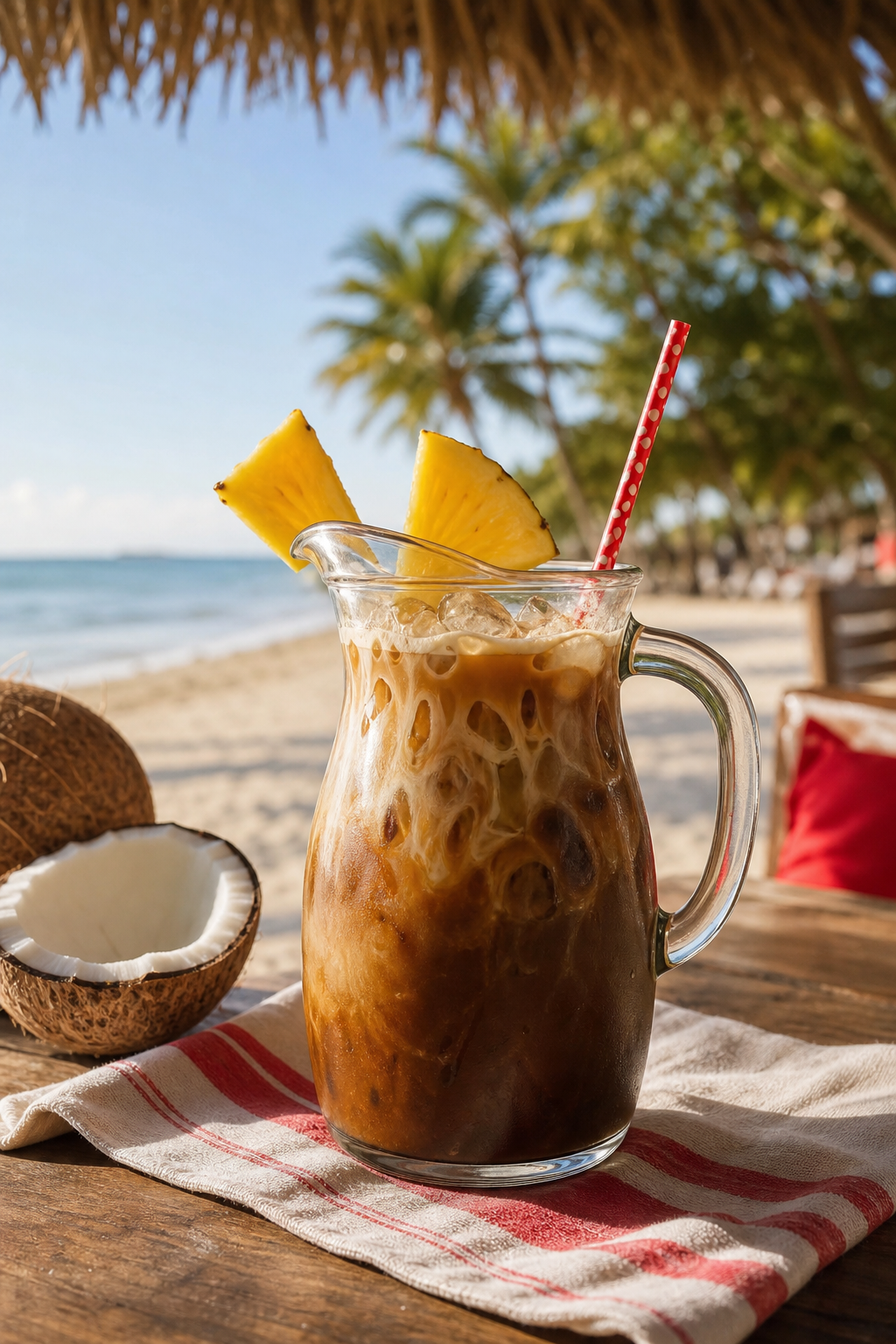
Think about serving this in a tall glass with a slice of pineapple on the rim. The pineapple’s tang cuts through the creaminess and makes each sip feel fresh.
For a quick reference on how coffee roast level changes flavor, check the guide from Wikipedia’s coffee roast article. It explains why light roasts pair well with fruit‑forward flavors.
Experiment with different coconut products. Full‑fat coconut milk gives the richest texture, while coconut water adds a lighter, more refreshing feel.
Pro tip: Shake the mixture gently before serving to blend the milk fully and create a frothy top.
3. Pineapple‑Matcha Spark , Zesty Green Boost
Pineapple’s bright acidity meets the earthy bite of matcha for a drink that wakes up the palate. Use a light‑roast coffee as a base, then add a matcha‑infused syrup and fresh pineapple juice.
First, brew a light‑roast pour‑over. In a separate shaker, mix 1 tsp matcha powder with hot water, then add 15 ml simple syrup. Combine the matcha mixture, pineapple juice, and coffee in equal parts. Serve over ice.
The matcha’s vegetal notes complement pineapple’s tropical tartness, while the coffee adds depth that prevents the drink from tasting like a fruit punch.
If you’re a tea lover, swap the coffee for a strong brewed green tea and keep the same fruit‑matcha blend. The result is a lighter version that still packs a flavor punch.
Matcha’s benefits are well documented. See Wikipedia’s matcha page for details on its antioxidant profile.
For a brunch spread, serve the pineapple‑matcha spark alongside a citrus‑yogurt parfait. The creamy yogurt balances the drink’s zest.
Pro tip: Use fresh pineapple juice, not canned, to keep the flavor bright and avoid extra sugars.
4. Lychee‑Latte Twist , Sweet Floral Elegance
Lychee offers a subtle floral sweetness that pairs perfectly with a silky latte. Use a blonde‑roast coffee for a gentle base, then add lychee syrup and a splash of steamed milk.
Pull a single shot of blonde espresso. Stir in 20 ml lychee syrup, then pour steamed milk to fill the cup. Top with a light dusting of powdered lychee or a fresh lychee slice.
The blonde roast’s mild acidity lets the lychee’s floral notes shine without being overpowered.
Serve this drink with a light almond cake. The cake’s nutty flavor mirrors the lychee’s delicate sweetness and creates a balanced bite.
When you host a tea party, add a few extra lychee petals to the garnish. The visual appeal matches the drink’s elegant taste.
5. Dirty Chai‑Mango Mash , Spicy Sweet Fusion
Combine the warm spice of chai with the sweet bite of mango for a cozy yet tropical treat. Use a dark‑roast espresso as the “dirty” base, then blend in chai concentrate and mango puree.
Brew a double shot of dark espresso. In a small pot, heat chai tea with milk and a pinch of cinnamon. Mix the chai with 30 ml mango puree, then pour over the espresso. Stir and finish with a light foam.
The dark roast’s depth balances the chai’s spice, while mango adds a bright counterpoint that keeps the drink from feeling heavy.
Pair this mash with a slice of spicy ginger shortbread. The ginger echoes the chai spice, and the shortbread’s crumb holds the mango’s sweetness.
For those who prefer a non‑caffeinated version, swap the espresso for strong brewed black tea and keep the same chai‑mango blend.
Pro tip: Add a tiny pinch of cardamom to the chai mix for an extra layer of aroma that ties the flavors together.
What to Look For When Crafting Tropical Pairings
Creating a good tropical combo starts with three basics: roast level, fruit acidity, and texture balance.
Roast level.Light roasts keep the coffee bright and let citrus or pineapple shine. Medium roasts add body that supports mango or lychee. Dark roasts bring depth that can handle strong spices like chai.
Fruit acidity.Choose fruit that matches the coffee’s acidity. High‑acid fruits like pineapple pair with light roasts, while lower‑acid fruits like mango work with medium roasts. Passion fruit’s tartness can even hold up against a dark roast.
Texture.Milk, coconut, or foam adds creaminess that smooths sharp fruit notes. Syrups boost sweetness without overwhelming the brew.
Here’s a quick checklist you can use before you mix:
- Identify the coffee’s roast and flavor profile.
- Select a fruit with complementary acidity.
- Decide if you need a creamy element (milk, coconut, foam).
- Test with a small sip before scaling up.
When you follow these steps, you’ll avoid clashing flavors and get a drink that feels balanced.
Quick Reference: Roast, Tea Type & Fruit Match‑Up
Below is a handy matrix you can keep on your fridge. It matches roast strength or tea type with the fruit that works best.
Use this chart as a starting point. Feel free to swap fruits based on what’s in season.
Conclusion
These eight pairings show how coffee and tea can become a passport to the tropics. Whether you love the bright spark of mango‑passion, the smooth chill of coconut cold brew, or the floral lift of lychee latte, the right roast or tea type makes all the difference. Experiment with the checklist, use the quick‑reference chart, and don’t be afraid to add your own twist.
Ready for more ideas? for deeper dives into bean origins and brewing tricks.
Enjoy your island‑inspired drinks and let each sip transport you to sun‑kissed shores.