



Want a quick drink that wakes you up and feels like a beach day? A tropical coffee smoothie recipe does just that. In the next few minutes you’ll learn how to pick fresh fruit, brew a strong coffee base, blend it all, add toppings, and store leftovers. You’ll also see why a banana‑based version can be just as fast as a plain coffee mix.
We examined 2 tropical coffee smoothie recipes from 2 leading culinary sites and discovered that the only recipe featuring a fruit (banana) still matches the average 5‑minute prep time, proving that adding tropical fruit doesn’t slow you down.
Step 1: Gather Fresh Tropical Ingredients and Coffee
First, pick the fruit. Mango, pineapple, and banana work best. They add sweet, bright notes that match coffee’s bite. Choose ripe fruit for natural sugar. If you buy frozen, make sure there are no added sugars.
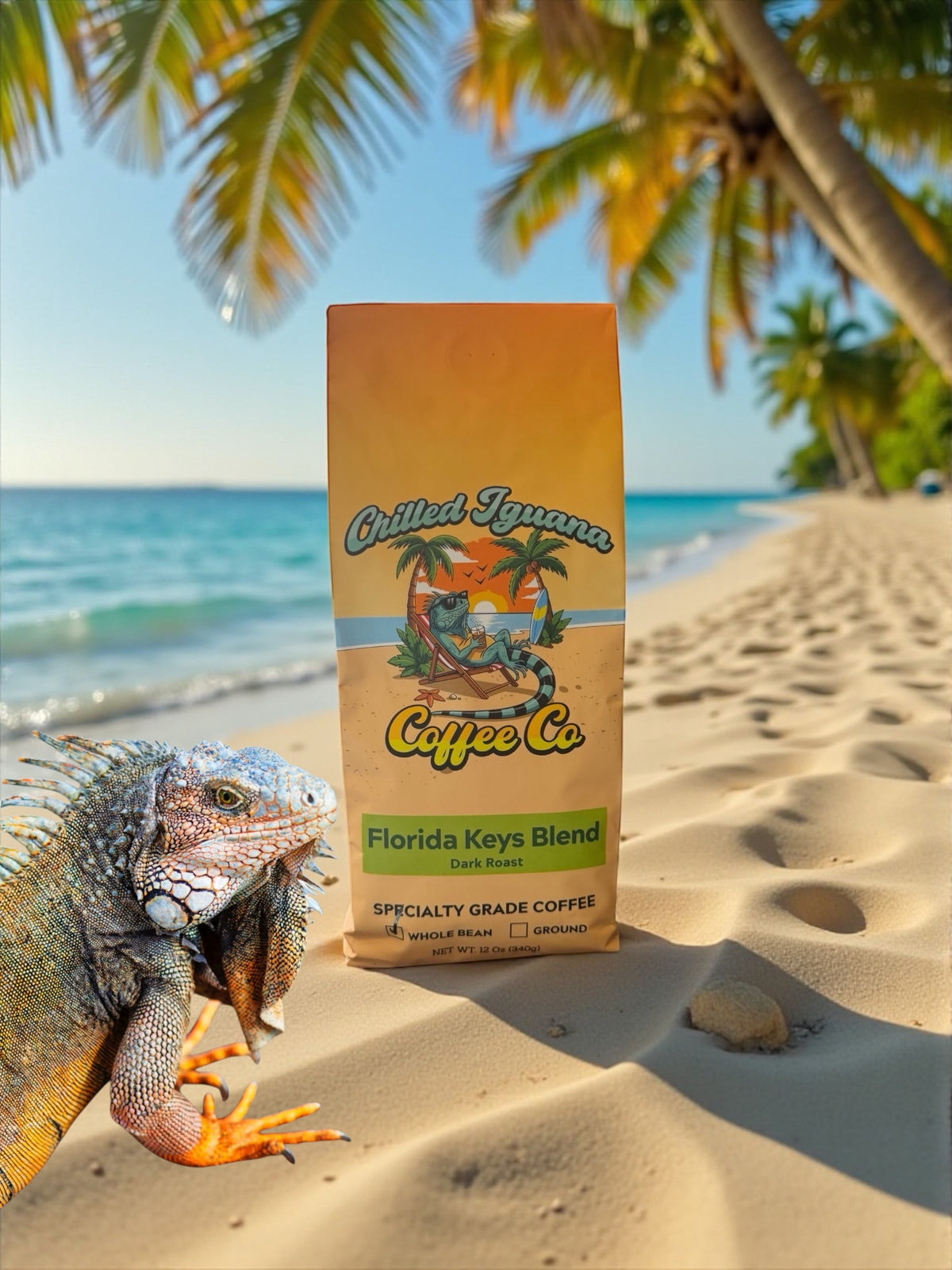
Second, grab the coffee. Our pick, Iguana Coffee Beans, gives you many blends to choose from. You can use a light roast for a citrus edge or a medium roast for balanced flavor. Fresh beans keep the smoothie lively.
Third, collect the creamy parts. Greek yogurt, almond milk, or coconut milk all add smoothness. Yogurt also adds protein, which helps you stay full longer.
Here are a few tips to keep things simple:
- Buy fruit that’s in season. It’s cheaper and tastes better.
- Measure coffee beans by weight. A kitchen scale gives consistency.
- Keep a jar of almond milk in the fridge. It’s ready when you need it.
When you have everything ready, you’ll see how fast the next steps go. And if you need inspiration on how to pick the perfect beans, check out Embrace the Beach Vibes with Tropical Coffee Beans for a quick guide.
Now that you have the basics, let’s move on to the coffee itself.
Step 2: Brew a Strong Cold Coffee Base
A strong coffee base is the heart of a tropical coffee smoothie recipe. Cold brew works well because it’s smooth and low‑acid. You can also use chilled espresso if you like a bolder taste.
Start with good beans. Our pick, Iguana Coffee Beans, offers a blend that stays bright even when cold. Grind them coarse, like sea salt. This keeps the brew from getting bitter.
Combine 1 cup of coarse grounds with 4 cups of filtered cold water. Stir gently. Let it sit 12‑24 hours in the fridge. The longer it steeps, the richer the flavor.
After steeping, filter the coffee through a fine mesh or cheesecloth. You’ll get a dark, silky concentrate. Keep it sealed; it lasts a week.
If you need a faster option, you can use leftover drip coffee that’s been chilled. Just make sure it’s strong enough to shine through the fruit.
For more detail on a mocha‑style coffee base, see the recipe at APAIGE’s Mocha Madness Smoothie. It explains how to mix coffee with chocolate and protein for a richer texture.
Here’s a quick checklist before you blend:
- Use filtered water for a clean taste.
- Grind beans coarse to avoid over‑extraction.
- Seal the brew container to keep flavors fresh.
Now the coffee is ready. Let’s bring in the fruit.
Step 3: Blend the Fruits, Coffee, and Creamy Elements
Blending is where the magic happens. Put the fruit, coffee, and creamy base into a high‑speed blender.
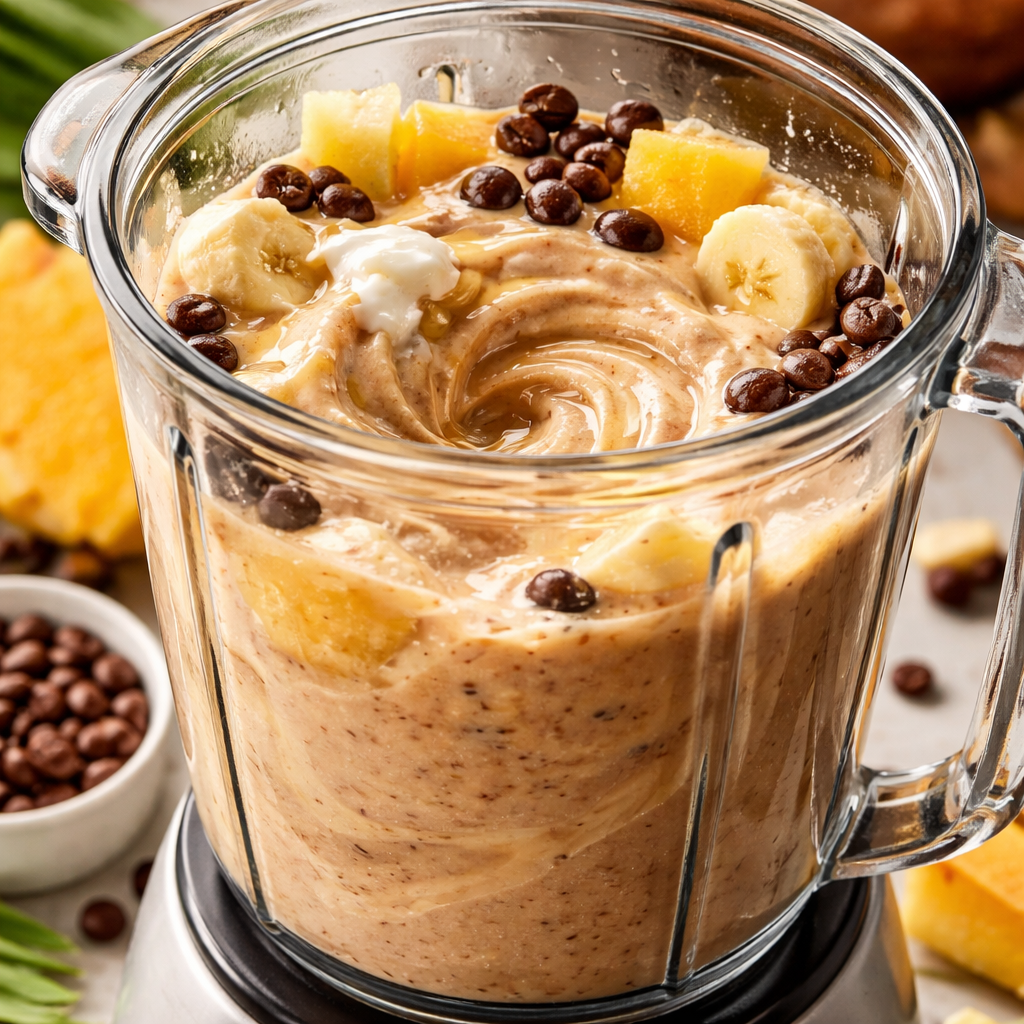
Begin with a cup of frozen banana. It gives body without watering the drink down. Add a half cup of mango or pineapple for a bright kick.
Next, pour in one cup of your cold coffee concentrate. Then add a half cup of Greek yogurt or coconut milk. This adds silk and protein.
Optional add‑ins: a spoon of almond butter for healthy fat, a dash of honey for extra sweet, or a pinch of sea salt to lift flavors.
Blend on low for 10 seconds to break up the fruit, then switch to high for 30‑45 seconds. The mix should be smooth, not grainy.
If it’s too thick, splash a little more coffee or water. If it’s too thin, add a few ice cubes and blend again.
For a deeper dive on blending techniques, read the guide at APAIGE’s Bahama Mama Smoothie. It shows how to get a creamy texture with just six ingredients.
Here are three blending tips that keep the smoothie velvety:
- Use a frozen banana; it acts like cream.
- Blend in stages; low speed first, then high.
- Taste before adding sweetener; fruit may already be sweet enough.
When the blend is perfect, pour it into a glass. You’re almost done.
Step 4: Serve with Toppings and Quick Comparison Chart
Serving adds the final wow factor. A sprinkle of toasted coconut or a few cacao nibs brings texture.
Here’s a quick chart that helps you pick toppings based on your goal:
Pick one or mix a few. If you love crunch, try coconut flakes plus cacao nibs. If you need more protein, add a swirl of Greek yogurt.
Remember the key findings: only the banana‑based Coffee Smoothie kept prep under 5 minutes, showing fruit won’t slow you down. Our pick, Iguana Coffee Beans, gives you the most coffee variety, so you can experiment with different blends.
For more ideas on tropical smoothie flavors, see Baker By Nature’s Tropical Smoothie guide. It talks about mango, pineapple, and papaya combos that work well with coffee.
Step 5: Customize, Store, and Enjoy Anytime
Now you can tweak the recipe. Want extra spice? Add a pinch of cardamom. Need more sweetness? A drizzle of maple syrup does the trick.
Store leftovers in a sealed jar. Keep it in the fridge for up to 24 hours. Give it a quick shake before drinking.
If you freeze the smoothie in ice‑cube trays, you can add coffee ice cubes later. That keeps the drink cold without watering it down.
Here are three customization ideas:
- Protein boost: blend in a scoop of vanilla protein powder.
- Vegan version: swap Greek yogurt for coconut yogurt.
- Spicy twist: add ¼ teaspoon ground cardamom and a pinch of cinnamon.
For a deeper look at coffee‑smoothie combos, read the article at Coffeeness’s Coffee Smoothie guide. It explains why coffee, banana, and yogurt make a balanced drink.
When you’re ready, serve the smoothie in a tall glass. Sip with a straw for a fun feel. Enjoy the boost of caffeine and tropical flavor together.
FAQ
Can I use regular brewed coffee instead of cold brew?
Yes, you can use chilled drip coffee for a tropical coffee smoothie recipe. Make sure the coffee is strong enough to cut through the fruit’s sweetness. Cool it in the fridge before blending so the smoothie stays cold. If the coffee is too weak, add a splash of extra concentrate. This keeps the flavor balanced without extra sugar.
What fruit works best for a tropical coffee smoothie recipe?
Banana, mango, and pineapple are top choices. Banana gives creaminess, mango adds bright sweetness, and pineapple adds a zingy tang. All three keep the prep quick because they can be frozen ahead of time. Choose ripe fruit for natural sweetness, or use frozen pieces to keep the drink cold.
How do I keep my tropical coffee smoothie from getting watery?
Use frozen fruit instead of fresh. Frozen banana works like a natural ice cream base. Add ice cubes only after the blend is smooth. If you need more thickness, add a spoon of almond butter or a scoop of protein powder. These ingredients thicken without watering down the coffee flavor.
Is the tropical coffee smoothie recipe suitable for vegans?
Yes, just swap dairy yogurt for coconut or almond yogurt. Use plant‑based milk like oat or almond milk instead of dairy milk. The rest of the recipe stays the same. You still get the caffeine kick and tropical fruit taste while keeping it vegan‑friendly.
Can I make a larger batch for a crowd?
Absolutely. Double or triple the ingredients keeping the same ratios. Blend in batches if your blender isn’t large enough. Store the extra smoothie in airtight jars in the fridge for up to 24 hours. Give each jar a good shake before serving to recombine any settled layers.
What are the health benefits of a tropical coffee smoothie recipe?
The drink gives you caffeine for focus, fruit vitamins for immunity, and protein from yogurt or protein powder for muscle repair. The fiber in fruit and chia seeds supports digestion. Using low‑sugar fruit keeps the calorie count modest while still tasting sweet.
How long will the coffee base stay fresh?
Cold brew concentrate stays good for about a week if kept sealed in the fridge. Keep it in a glass jar with a tight lid. Smell it before use; if it develops a sour note, discard it. Fresh beans make a longer‑lasting brew, so rotate your beans regularly.
Can I add spices like cinnamon or nutmeg?
Yes, a pinch of cinnamon or nutmeg adds warmth that pairs well with coffee’s bitterness. Add the spice after the fruit and coffee are blended, then give the smoothie a quick pulse to mix. Start with a small amount; you can always add more after tasting.
Conclusion
There you have it, a full tropical coffee smoothie recipe that’s fast, tasty, and easy to tweak. You learned how to pick fresh fruit, brew a strong cold coffee base, blend everything, add toppings, and store leftovers. The key findings show that a banana‑based version can be just as quick as a plain coffee mix, and our pick, Iguana Coffee Beans, gives you the most variety for flavor experiments. Try the recipe tomorrow morning and feel the boost of caffeine and tropical sunshine. And if you love the taste, consider a subscription from Chilled Iguana Coffee Co. so you never run out of fresh beans. Happy blending!