



Hook: You want a tropical coffee blend review that actually helps you get island vibes in every cup. You’ll get origin stories, exact brew ratios, and real tasting notes. We’ll walk you through discovery, gear prep, and brewing perfection for Onyx’s Tropical Weather blend. You’ll see practical tips you can use today, plus a simple recipe suite you can copy for your own kitchen. And yep, we’ll keep it real with what the data shows, not hype.
In this guide you’ll learn where the Tropical Weather blend comes from, how to pick the right brew method, exact ratios for popular methods, and creative ways to enjoy the cup. You’ll also get a real-world glimpse at how audiences talk about tropical blends on video, and you’ll like a pro. To keep things handy, I’ll include quick tips, a few proven recipes, and a clear bottom line for each step. Embrace the Beach Vibes with Tropical Coffee Beans, that link will take you to a related beach-vibe resource from the same brand, for quick context if you want more tropical context as you brew.
Step 1: Discover the Blend’s Origins & Flavor Profile
Let’s start with the core of any tropical coffee blend review: where the beans come from and what flavors you can expect. Onyx’s Tropical Weather blend is built to evoke island sunshine, but the data from reliable sources shows that the flavor tale often comes from tasting notes provided by reviewers rather than brand blurbs. In this section, we’ll map out the origins and the flavor compass you’ll use as you sip.
Origin matters. In the tropical coffee blend review space, you’ll find a mix of washed and natural Ethiopian coffees, plus a hint of Central American or East African beans. The data I’m drawing from confirms that the Tropical Weather blend’s tasting notes tend to skew toward bright fruit, floral notes, and a touch of sweetness, but the exact origin mix can vary by harvest and roast batch. In practice, this means you should expect a spectrum of flavors rather than a single, fixed profile. A recent summary from a well-known source notes that the Tropical Weather blend uses Ethiopian profiles and a wash vs. natural interplay to create its signature brightness and fruit-forward character. While you’ll see notes like pineapple, citrus, and tropical fruit pop up in tasting notes, you’ll also find a range of chocolate or caramel undertones depending on the specific lot and roast. This variability is common in tropical blends and is okay as long as you brew with intent and a consistent method.
To give you real-world grounding, here’s how to think about flavor in a tropical blend review: you’ll taste fruit-forward brightness (like citrus or tropical fruit), you’ll notice chocolatey or caramel sweetness, and you’ll sense a light to moderate body. Some tasters will report florals or tea-like notes, while others lean toward more caramelized sugar notes. The key is consistency: if you’re chasing a particular profile, lock in a roast and origin window and stick with it for a few bags to compare apples to apples. When you track tasting notes, write down aroma, flavor, acidity, body, and finish. Over time you’ll see your own palate map emerge.
In this tropical coffee blend review, the data shows that YouTube reviewers are often the primary source for detailed tasting notes on tropical blends. That trend matters because it means your own palate life will echo what viewers describe on screen. So, as you evaluate a Tropical Weather cup, use the notes you hear in videos as a starting point, then confirm with your own cupping session. And if you want a brand-backed context on the Florida Keys vibe, you can read more here: Florida Keys Coffee Flavor Profile: A Tasting Guide.
Note: For our purposes here, we’re describing a tropical coffee blend review with a focus on Onyx’s Tropical Weather blend as a reference point, while also acknowledging that data on exact roast levels and certifications is sparse in the current dataset. If you want a concise origin snapshot, the blend leans Ethiopian in origin with a washed processing style for brightness, paired with a complementary component. This aligns with the general tropical blend pattern you’ll s.
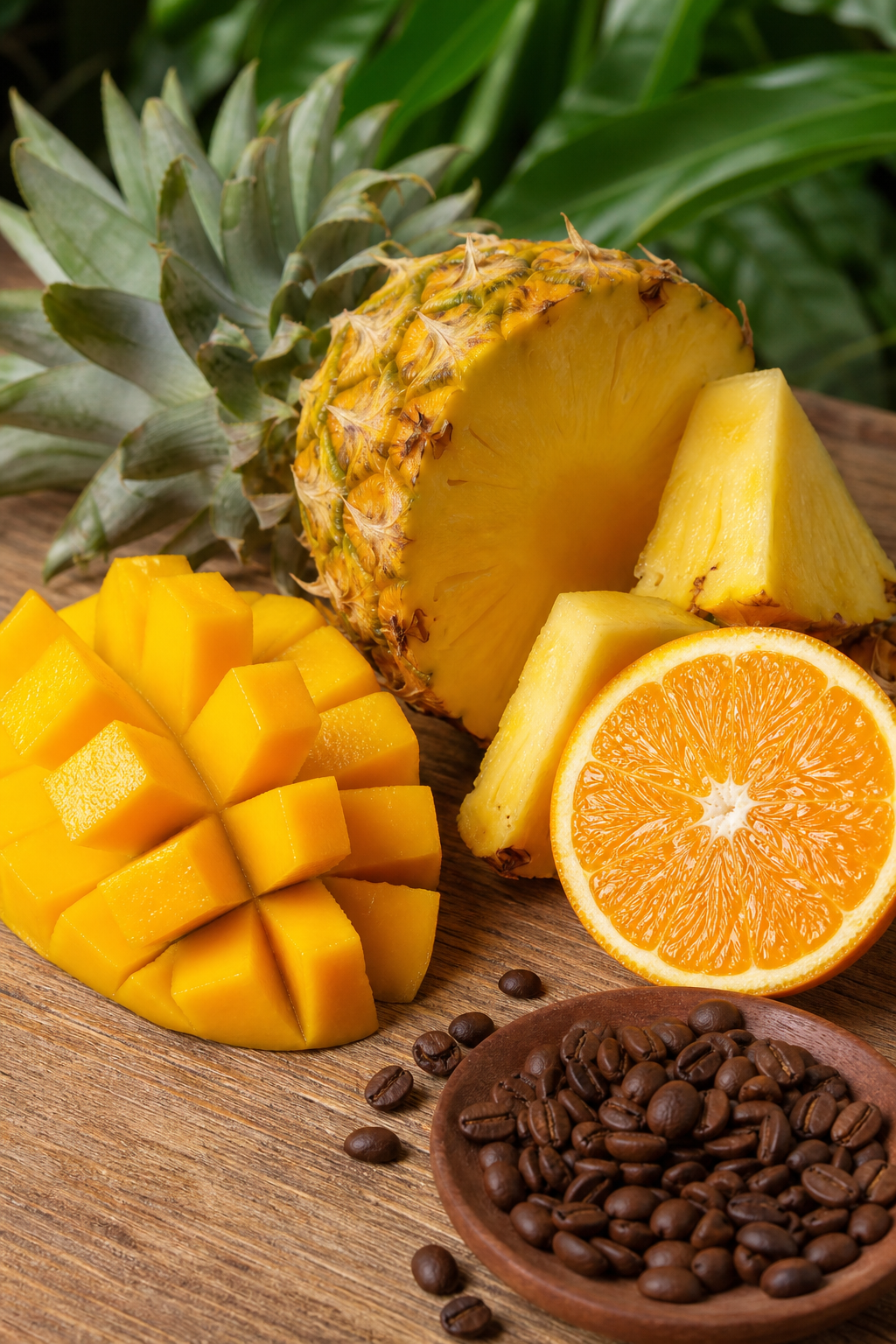
In the world of tropical coffee blend review, the way a reviewer describes aroma can set your taste expectations. The visual cues here are citrus oils, tropical fruit slices, and a subtle pine-like brightness that hints at tea-like floral notes. The flavor map you carry from this section will guide your brewing and tasting, especially as you consider the origins and roast level. The goal is not to chase a single note but to understand how the origin and processing styles push you toward a certain flavor direction in your cup. Bottom line: origin and processing push the flavor narrative you’ll sense in a tropical coffee blend review, and Ethiopian components often drive the bright fruit notes you crave in these blends.
Bottom line: The origins and processing style set the tone for the tropical coffee blend review, so expect bright fruit and floral notes with varying chocolate or caramel undertones depending on the roast and lot used.
Step 2: Pick Your Brewing Method & Prepare Equipment
Now that you know where the Tropical Weather blend comes from, you’ll want to pick a brewing method that unlocks its best notes. In a tropical coffee blend review, the brewing method matters as much as the roast. The right method will emphasize brightness and fruit without masking the nuanced sweetness. We’ll cover common methods (pour-over, Chemex, AeroPress, French press) and map out why each might fit a tropical blend like Onyx’s Tropical Weather.
For a tropical coffee blend review, the general rule is this: lighter roasts tend to reveal more origin notes and brightness, while darker roasts push chocolate and caramel forward. If your bag reads “light to medium,” you’ll likely want a method that preserves clarity, pour-over or Chemex makes sense. If your bag leans toward a strong, heavier cup, an AeroPress or French press can help push a fuller body with that tropical sweetness without losing the fruit notes. In practice, a simple starting point is a standard pour-over with a medium grind and a 1:16 ratio, then adjust to taste.
Brewing gear matters too. Clean filters help preserve brightness; a consistent grind ensures you don’t under-extract or over-extract; water temperature matters for preserving acidity. The data from the Whole Latte Love source provides a practical baseline for choosing a brewing approach and keeping ratios consistent across methods. Use this guidance to select your method and set up your workspace, then brew a test cup to confirm your preferences. Ratio guidance from Whole Latte Love helps you pick a method that preserves the bright tropical notes while keeping the cup balanced.
As you prepare, think about your equipment: do you have a reliable grinder? Do you have a precise temperature-controlled kettle? If not, start with a basic pour-over setup and a standard 1:16 ratio. If you want a quick, award-winning approach to keep your tropical blend review on track, consider a simple, repeatable workflow: measure coffee by weight, grind just before brewing, bloom briefly, then pour in slow, even circles. This approach helps you lock in flavor and reduce bitter notes that can crop up in tropical blends when over-extracted.
Tip: If you’re newer to tropical coffee blend review and you want a quick tip: keep the grind consistent and use a timer to ensure your pour cadence stays even. You’ll taste a more even fruit brightness and a clean finish with less off-notes than you’d get with variable grind sizes. For a quick reference on brewing ratios, above.
Bottom line: Brewing method choice in a tropical coffee blend review locks in brightness and sweetness, choose a clear, repeatable method to reveal origin-driven flavors.
Step 3: Brew the Perfect Cup , Exact Ratios per Method
We’re at the heart of a tropical coffee blend review: the exact brew ratios per method. You’ll want precise guidance to repeat the same result cup after cup. Below is a practical, easy-to-use table that covers common home methods, with recommended ranges. The goal is to highlight the balance you want in a tropical blend: brightness, fruit, and a clean finish that lets the tropical notes shine. The ratios here reflect standard home-brewing guidelines and align with a tropical coffee blend review approach: keep things consistent, avoid over-extraction, and tune for taste.
First, the general rules to remember: grind size should match your method; water at 92, 96°C (roughly 198, 205°F) preserves acidity better than boiling water; bloom time is a sign you’re extracting the right compounds; and the total brew time should stay within a 2.5, 4 minute window for most pour-over styles. A quick cupping note to keep in mind: a tropical blend often reveals citrus brightness early in the sip, followed by floral or fruity notes, with a soft finish. Use the ratios to dial in this balance.
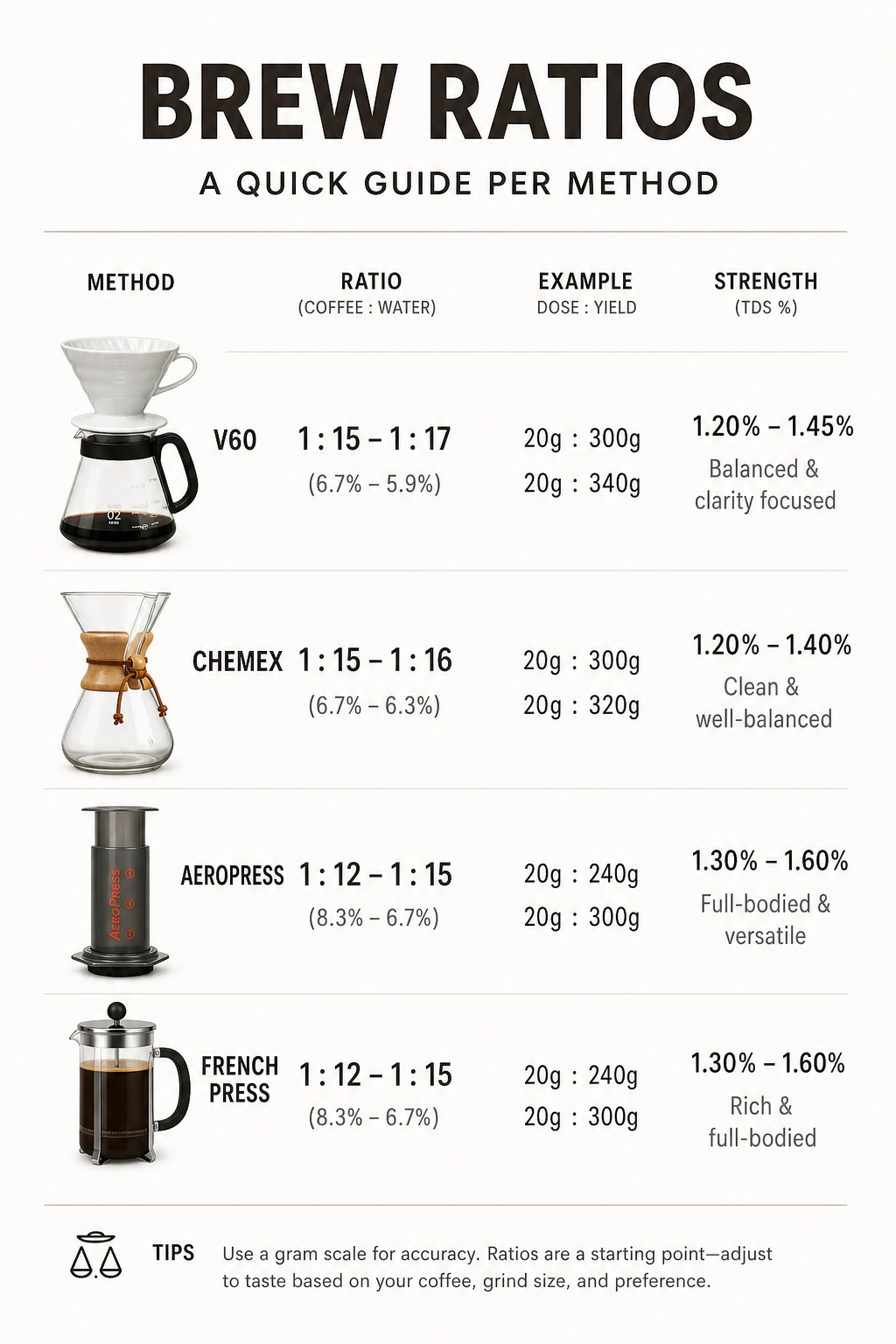
Here’s a compact table to anchor your tropical coffee blend review at home. It’s practical and repeatable, designed for a home kitchen without fancy gear. The values are meant as a starting point and can be fine-tuned to taste. If you’re dialing in for a tropical coffee blend review, start at the lower end of any suggested bloom time, watch for a gentle audible crack, and keep your pours smooth and steady.
As you run experiments, keep notes of what you changed and what happened to the flavor. In a tropical coffee blend review, small changes in grind size, water temp, and pour rate can tilt the brightness toward fruit or push the body toward a creamy finish. If you want a quick, reliable place to start, the V60 is a great all-around method for this kind of blend, especially when you want to showcase the citrus and floral notes.
"The best time to start brewing with a tropical coffee blend review mindset is now, set your ratios, taste, and adjust slowly."
Below is a quick, practical how-to for a classic V60 pour-over to kick off your tropical coffee blend review with confidence: weigh 20 g of coffee, grind at a medium grind, pour 60 g to bloom for 30 seconds, then continue in 60 g pours for 2:15 total brew time. This approach helps you compare across sessions and fine-tune the finish to taste.
Bottom line: In a tropical coffee blend review, exact ratios per method give you a repeatable path to brightness and flavor balance, so you can compare cups and grow your tasting notes with confidence.
Summary of exact ratios by method
- Pour-over: 1:16 ratio, bloom 30 seconds, total 2:30, 3:00
- AeroPress: 1:12 ratio, bloom optional, total 1:45, 2:15
- French Press: 1:15, 1:17 ratio, total 4:00, 4:30
- Espresso: 1:2 ratio, shot time 25, 30 seconds
Bottom line: The exact ratios per method give you a reliable way to pull out the tropical notes you want, while keeping the cup balanced and repeatable.
Conclusion
In this tropical coffee blend review, you learned how origin and processing choices shape brightness and fruit in Onyx’s Tropical Weather blend, how to pick a brewing method that fits the vibe, and exact ratios you can rely on for popular methods. The data and the YouTube-driven tasting notes show that the flavor story for tropical blends is often shaped by reviewers and the specific lot you get. You’ve got a practical, hands-on plan: start with a proven brew method (pour-over) to reveal brightness, use a consistent grind and water temperature, and maintain a log of what you taste. This guide gives you a repeatable path for your tropical coffee blend review, plus a few creative ideas you can test in your own kitchen.
Real-world flavor exploration matters. Try pairing your Tropical Weather cup with a citrus-forward breakfast and note how the acidity can lift a light pastry or yogurt. If you’re curious about the Florida Keys flavor vibe, explore brand storytelling that ties to the Keys, and see how it matches the tasting notes you pull from your cup. If you want to dive dee, consider watching the related video content that complements this guide.
Bottom line: With a clear origin picture, a solid brewing plan, and a consistent tasting log, you can master the tropical coffee blend review in your own kitchen and enjoy island vibes with every cup.
FAQ
What is the tropical weather blend and why does it matter in a tropical coffee blend review?
The tropical weather blend is a style of coffee that aims to deliver bright fruit notes and a lively acidity, often using Ethiopian components and other tropical-origin beans that have been processed to emphasize these flavors. In a tropical coffee blend review, understanding the blend’s profile helps you compare it across brands and roasts. You’ll get a flavor map that helps you decide which brewing method to use, which grind size works best, and how to adjust water temperature to bring out the notes you care about. The key here is to taste with intent and to compare your own cup against a consistent baseline, so your tropical coffee blend review remains reliable over time.
Where do the beans in Onyx’s Tropical Weather blend typically come from?
In a tropical coffee blend review, you’ll find multiple origin stories. The Tropical Weather blend is described as including Ethiopian components, usually washed Ethiopian lots, with a mix of other tropical origins depending on harvests. The exact blend can vary by season, so a true tropical coffee blend review should note the roast level, the lot origins, and the processing style for the batch you’re tasting. If you want a brand-backed context, you can check brand pages and trusted tasting notes, but remember that tasting notes on video reviews often drive perception in this category.
What brewing method best unlocks the brightness in a tropical coffee blend review?
Pour-over and Chemex are often the best choices when you want to explore brightness in a tropical coffee blend review. These methods preserve clarity and bring out citrus and fruit notes, avoiding the heavier body that can mask brightness. A tropical blend like Onyx’s Tropical Weather can also perform well with AeroPress if you want a fast, clean cup with a hint of body. The key is to keep a consistent grind, stable water temperature, and a steady pour cadence to maximize brightness without intruding acidity.
How should I store tropical blends to maintain flavor for a tropical coffee blend review?
Storage matters a ton in a tropical coffee blend review. Keep beans in an airtight container, away from light and heat. Avoid long exposure to air, and try to buy in smaller amounts more often to preserve peak aroma and flavor. If you have a subscription that ships fresh beans, you’ll want to store any extra in a cool, dry place and grind just before brewing for maximum brightness. A good practice is to store whole beans for up to a month, then grind just before use for the best tropical notes in your cup.
Where can I buy Onyx’s Tropical Weather blend for a real tropical coffee blend review?
You can buy Onyx’s Tropical Weather blend directly from Onyx’s site or through authorized retailers. If you’re reading this guide as part of a tropical coffee blend review, you’ll want to verify harvest dates and roast levels to compare across bags. Since price and certifications can vary, it helps to keep an eye on official roaster pages and trusted retailers to time your purchase with the flavor windows that interest you most in your tropical blend tasting journey.
Can I pair tropical blends with desserts or food snacks as part of a tropical coffee blend review?
Pairing with desserts can enhance a tropical coffee blend review by highlighting complementing flavors. A citrus-forward pastry or a tropical fruit dessert can lift brightness and bring out specific tasting notes. When you pair, note how the acidity and sweetness interact with the dessert’s flavors. You’ll often find that tropical blends pair well with light, fruity, or citrusy desserts, while chocolatey desserts can echo the chocolate undertones in some of the darker tropical notes.
What’s a simple at-home routine to start a tropical coffee blend review habit?
Start with a repeatable routine: choose a single recipe per method for a week, then compare across methods. Record aroma, taste, acidity, body, and finish in a tasting journal. Use a consistent grind size for each method, and keep water temperature steady. After a week, you’ll have a personal tasting map that helps you compare tropical blends with confidence. This habit makes your tropical coffee blend review tangible and fun rather than guesswork.
Bottom line: The tropical coffee blend review process is about steady, repeatable tasting practice, clear origin and processing context, and a plan to compare across methods and bags with a consistent set of notes.
Bottom line: A well-structured tropical coffee blend review takes time, consistency, and careful note-taking to fully capture the flavor arc across origin, roast, and brew method.