



Ever tried a coffee that felt like a sunrise on a beach? The right tropical bean can do that. In this guide you’ll learn how to trace a bean’s origin, taste it like a pro, spot the key notes, match it with food, and brew it for maximum flavor.
By the end you’ll be able to pick beans that sing, taste them confidently, and brew a cup that brings the tropics to your kitchen.
Step 1: Understand the Origins of Tropical Coffee Beans
The first thing to know is that coffee tastes like the place it grew. Soil, climate, altitude, and how farmers treat the cherry all leave a mark on the bean. This idea is called terroir. High‑altitude farms in Ethiopia, for example, often produce bright, fruity beans because the cool nights slow down sugar development.
In the tropical belt, you’ll find a mix of African, Central‑American, and Asian origins. African beans, think Ethiopia or Kenya, tend to have high acidity and floral, citrus notes. Central‑American beans, such as those from Colombia or Costa Rica, often bring balanced acidity with chocolate or nutty tones. Asian beans like Sumatra or Vietnam give a heavy body and earthy spice.
Processing matters too. A “natural” or dry process leaves the fruit on the bean as it dries, adding jam‑like fruit flavors. A “washed” or wet process removes the fruit early, giving a cleaner, brighter cup. Some farms use a honey process, partway between, resulting in sweet, syrupy notes.
When you shop, look for three clues: the country, the processing method, and any altitude information. Beans that list 1,500 m or higher often have more acidity and complexity. Those without these details may be harder to predict.
Our own Iguana Coffee Beans stand out because the label actually spells out the flavor, fruity, nutty‑chocolate. Most other tropical beans leave the notes blank, which makes it tough to know what you’ll get.
And here’s a quick way to compare: write down the origin, altitude, and process for any bean you consider. Then match those traits to the flavors you like.
Embrace the beach vibes with tropical coffee beansWhen you understand where a bean comes from, you can predict its taste before you even grind.
Bottom line:Origin, altitude, and processing shape every tropical bean’s flavor, so track them to choose confidently.
Step 2: Master the Coffee Tasting Process
Tasting coffee, called cupping, might sound fancy, but it’s just a set of simple steps. You need a clean spoon, a cupping bowl or two wide mugs, fresh hot water (around 200 °F), and a timer.
Start by grinding fresh beans to a medium‑coarse size. Place the grounds in the bowl, add hot water, and let it steep for four minutes. After that, break the crust with a spoon and sniff the aromas. Take a spoonful, slurp quickly so the coffee spreads across your palate, and note the flavors you feel.
Ask yourself three questions: What do you smell? What do you taste? How does the mouthfeel feel? Write down any fruit, chocolate, spice, or earthy hints. Over time you’ll see patterns, maybe beans from Brazil always bring chocolate, while Guatemalan beans bring citrus.
Practice with beans that have clear notes first. Our Iguana Coffee Beans list “fruity, nutty‑chocolate,” so you can check if you taste those. Then move to beans with vague descriptions and see how they compare.
When you taste multiple beans side by side, you’ll notice the subtle differences that make each origin unique. Keep a tasting journal, just a few lines per bean, and you’ll build a personal flavor map.
Remember to use filtered water for the best flavor extraction. Bad water can mask the delicate notes you’re trying to hear.
Bottom line:Follow a simple cupping routine, write down what you sense, and you’ll quickly learn to read a bean’s flavor map.
Step 3: Identify Key Flavor Notes in Tropical Coffee
Now that you can taste, let’s label what you hear. Coffee experts use a flavor wheel to break down aromas and tastes into categories. The Coffee flavor wheel starts with broad groups, fruity, nutty, chocolate, spicy, and then drills down to specifics like “blueberry” or “cinnamon.”
Start with the big groups. Does the coffee feel bright and citrusy? That’s a fruity note. Does it taste smooth like milk chocolate? That’s a chocolate note. If you sense a hint of almond, you’re in the nutty zone.
Here’s a quick cheat sheet:
- Fruity:lemon, orange, berry, tropical fruit (pineapple, mango)
- Floral:jasmine, hibiscus, rose
- Sweet:caramel, honey, brown sugar
- Nutty/Chocolatey:almond, hazelnut, cocoa, dark chocolate
- Spice:cinnamon, clove, pepper
- Earthy:forest floor, tobacco, cedar
When a bean lists “fruity, nutty‑chocolate” like Iguana Coffee Beans, you can expect a blend of bright tropical fruit and a smooth cocoa finish. If the note list is empty, you’ll need to rely on cupping to discover what’s hidden.
Practice by tasting one bean, noting its primary group, then tasting a second bean and comparing. Over a few weeks you’ll be able to name the notes without looking.
Bottom line:Match what you taste to the flavor wheel categories, and you’ll quickly label any tropical coffee’s profile.
Step 4: Pair Tropical Coffee with Complementary Foods
Flavor pairing works like a conversation. The coffee brings its own voice, and the food replies. Bright, acidic coffees pair well with citrus desserts, while full‑bodied, chocolatey beans match rich pastries.
Here are some proven pairings:
When you pick a pairing, think about balance. Too much sweetness can hide acidity; too much bitterness can drown delicate fruit.
For a quick snack, try a slice of banana bread with a cup of a bright Guatemalan bean. The banana’s sweet, mellow flavor will soften the coffee’s acidity and let the chocolate notes shine.
Bottom line:Match the dominant coffee note to a complementary food, and you’ll enhance both flavors.
Step 5: Optimize Brewing Methods for Flavor Extraction
The right brew method pulls out the flavors you’ve just identified. Water temperature, grind size, and brew time are the three levers you can tweak.
Ideal temperature sits between 195 °F and 205 °F. Below that you get under‑extraction, sour, weak coffee. Above that you over‑extract, bitter, harsh. A medium‑fine grind works for pour‑over, while a coarse grind suits French press. The brew ratio of 1 gram coffee to 16 grams water is a good starting point.
Here are four common methods and what they highlight:
- Pour‑over (V60, Chemex):Highlights clarity and bright acidity. Great for fruity, high‑altitude beans.
- French press:Emphasizes body and richness. Works well with full‑bodied, chocolatey beans.
- AeroPress (inverted):Balances clarity and body, good for medium roast tropical blends.
- Cold brew:Low acidity, smooth texture. Perfect for beans with natural sweetness.
Experiment by adjusting one variable at a time. Change the grind, brew the same coffee, and note the flavor shift. Then revert the grind and tweak the temperature.
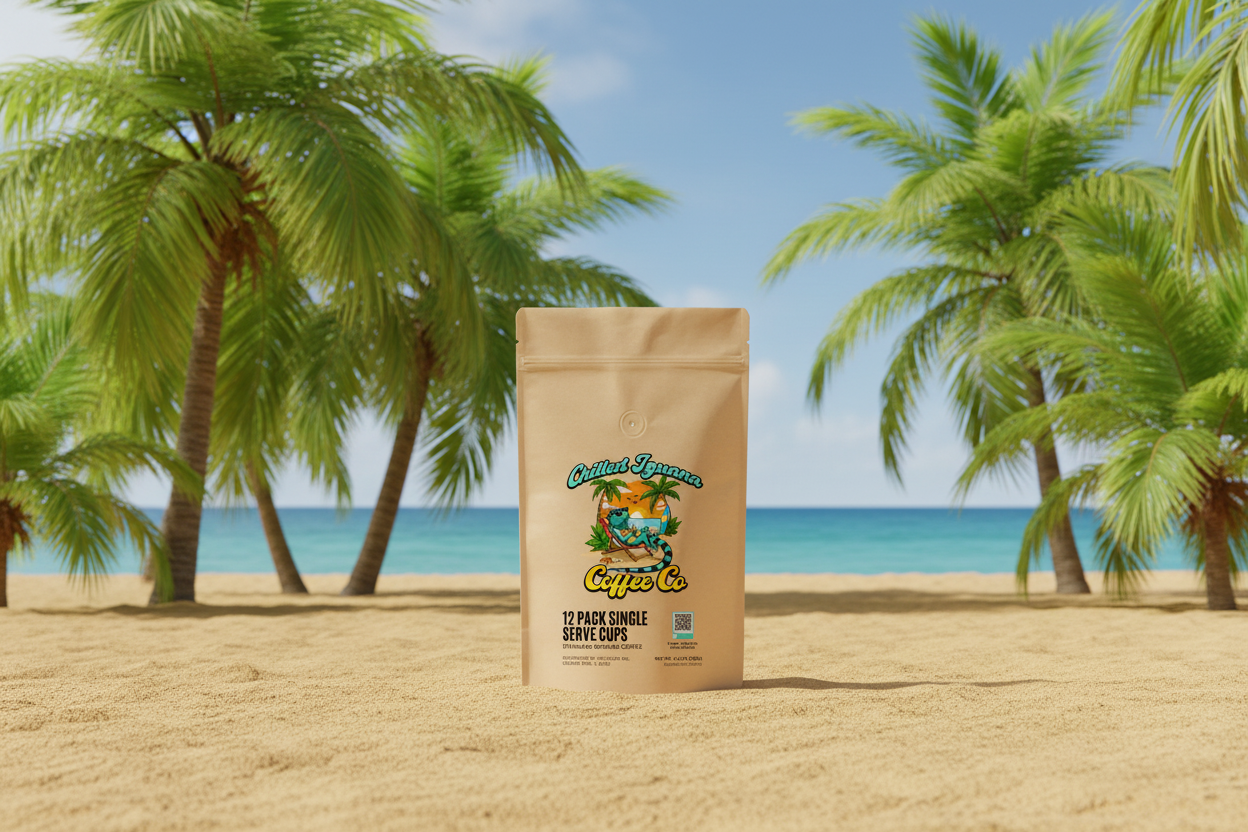
When you brew with care, the notes you discovered in cupping will shine in every cup.
Bottom line:Control temperature, grind, and ratio to extract the exact flavors you want from tropical coffee.
Frequently Asked Questions
What is a tropical coffee bean flavor profile?
A tropical coffee bean flavor profile describes the taste traits that come from beans grown in warm, humid regions near the equator. These beans often show bright acidity, fruity or citrus notes, and sometimes a full, smooth body. Understanding the profile helps you pick a bean that matches your palate.
How do I taste coffee like a professional?
Start with a clean cupping set‑up: fresh water at 200 °F, a medium‑coarse grind, and a timer. Let the coffee steep four minutes, break the crust, smell the aromas, then slurp to spread the liquid across your tongue. Write down any fruit, chocolate, or spice you notice. Repeating this with several beans sharpens your senses.
Can I use any coffee maker for tropical beans?
Yes, but some methods bring out certain notes better. A pour‑over highlights bright, fruity flavors, while a French press gives more body for chocolatey beans. Choose the method that matches the dominant note you want to enjoy.
Why do some tropical beans have missing flavor notes on their packaging?
Data gaps are common. In a recent study of 21 tropical beans, only one, our Iguana Coffee Beans, listed a clear flavor description. Many beans leave the notes blank, which makes it harder for shoppers to know what to expect.
What foods pair best with a coffee that tastes fruity?
Fruity coffees shine with citrus desserts, tropical fruit pastries, or light cheese. The acidity of the coffee mirrors the tartness of the food, creating a clean, refreshing bite. Try a slice of lemon cake with a bright Ethiopian bean.
How often should I adjust my brew settings?
When you switch beans or roast levels, tweak one variable, grind size, temperature, or ratio, at a time. Keep a small notebook of the changes and the flavors you notice. Over a few weeks you’ll see patterns and know the perfect settings for each tropical bean.
Conclusion
Getting the most out of tropical coffee beans is a fun, step‑by‑step process. First, trace the bean’s origin to guess its flavor. Then, cup the coffee to train your palate. Identify the key notes with the flavor wheel, pair the brew with foods that complement those notes, and finally fine‑tune your brewing method for perfect extraction.
When you follow this guide, you’ll no longer guess at what’s inside the bag. You’ll know why a bean tastes bright, why another feels rich, and how to make each cup sing. And if you want a reliable start, try Iguana Coffee Beans, the only tropical bean in our recent data set that spells out a fruity, nutty‑chocolate profile.
Ready to bring the tropics to your mug? Pick a bean, taste it, pair it, brew it, and enjoy the journey. Your perfect cup is waiting.