



Table of Contents
- Pour Over vs French Press: How Brewing Method Shapes Flavor
- Paper Filter vs Metal Mesh Filter: The Flavor Trade-Off
- Best Coffee Beans for French Press and Pour Over
- Frequently Asked Questions
Last Updated: September 25, 2026
Pour Over vs French Press: How Brewing Method Shapes Flavor
The pour over vs french press flavor differences come down to how water meets the coffee. Pour over percolates through a paper filter for a clean, bright cup; French press immerses grounds before a metal mesh filter separates them, leaving oils and micro-fines for full body.

That one difference, flow-through versus full submersion, drives body, sediment, acidity, and forgiveness.
At Chilled Iguana Coffee Co., we source exceptional beans from all over the world to ensure every cup delivers a superior, specialty-grade experience for coffee lovers everywhere.
Short version: pour over for clarity, French press for richness.
| Factor | Pour Over | French Press |
|---|---|---|
| Brewing style | Percolation | Immersion |
| Filter | Paper | Metal mesh |
| Mouthfeel | Light to medium | Full-bodied |
| Sediment | None | Some |
| Natural oils | Filtered out | Retained |
| Best for | Bright, delicate roasts | Bold, heavy roasts |
Paper Filter vs Metal Mesh Filter: The Flavor Trade-Off
The paper filter vs metal mesh filter choice is about what stays in your cup. Paper traps oils, sediment, and micro-fines for sharper acidity and clearer notes; metal mesh lets them through, which is why French press tastes thicker.
- Paper filter: cleaner, brighter, lighter body
- Metal mesh: heavier body, more richness, some sediment
- Cleanup: paper is toss-and-done; mesh needs a rinse
- Consistency: paper is forgiving; mesh rewards grind control
Best Coffee Beans for French Press and Pour Over
The best coffee beans for french press are medium to dark roasts with low acidity and heavy body, since immersion amplifies richness. For pour over, medium roasts with bright, clean notes shine, because the paper filter preserves acidity.
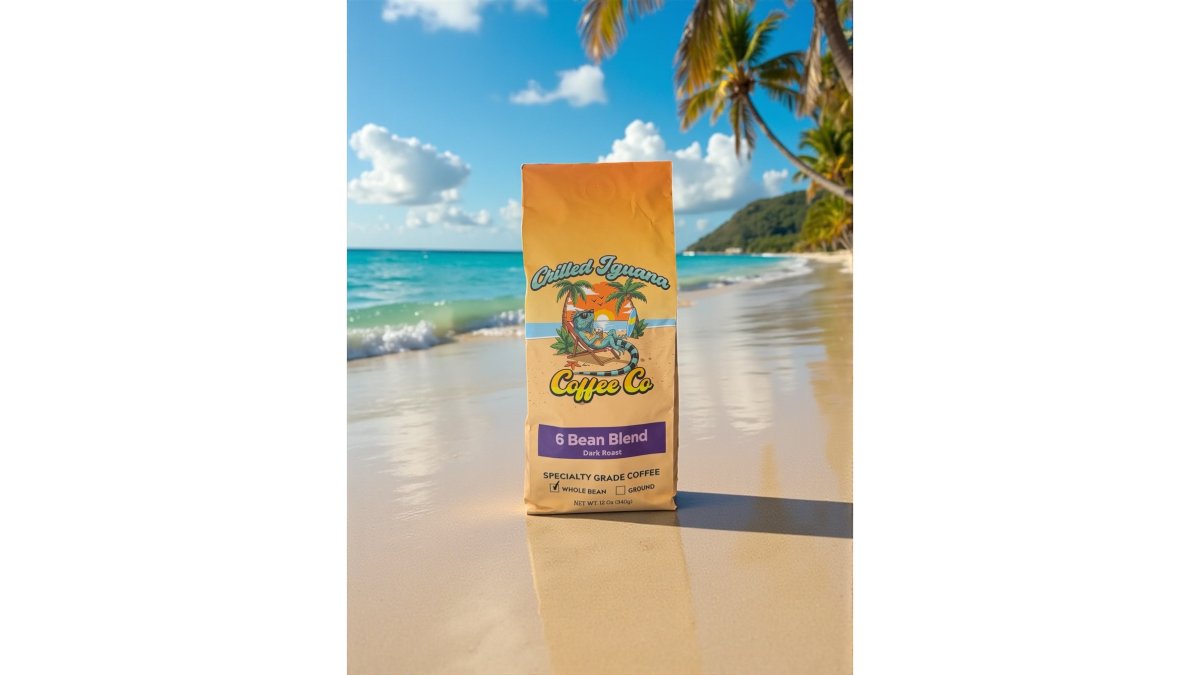
Our 6 Bean Blend is a dark roast built for French press and espresso, with chocolate, caramel, low acidity, and a cocoa finish. [For pour over, the Colombia medium roast brings dried orange, berry, and a smooth chocolate finish](/products/colombia-4) the paper filter keeps crisp. Not sure which camp you're in? The Best Sellers Sample Pack lets you explore a variety of our premium roasts.


Frequently Asked Questions
Which is healthier, French press or pour over coffee?
Pour over tends to be the lighter option because paper filters trap cafestol and kahweol, the oils linked to raised LDL cholesterol. French press uses a metal mesh filter that lets those oils and fine sediment through into the cup. If you drink several cups a day and watch your cholesterol, a paper-filtered pour over is the safer daily habit. Either way, both methods are simply coffee and water, so the bigger health factor is how much you drink and what you add.
Why does French press coffee taste so much better to some drinkers?
Immersion brewing keeps all the natural oils and micro-fines in the cup, which produces a full-bodied, rich texture that many people find more satisfying than a filtered brew. The long steep also pulls deeper chocolate, caramel, and earthy notes out of dark roasts. If you prefer weight and richness over brightness, French press will usually taste better to you. A coarser grind and a four-minute steep keep that richness from tipping into bitterness.
How does a paper filter vs metal mesh filter change the flavor?
A paper filter catches oils and fine particles, so you get a clean cup with sharper acidity and clearer fruit or floral notes. A metal mesh filter lets those oils and micro-fines pass through, adding body, sediment, and a rounder mouthfeel. Neither is better; they simply push the same beans in different directions. Try the same coffee through both filters to taste how much the filter, not the bean, is doing.
What are the best coffee beans for French press?
Medium and dark roasts hold up best because immersion brewing emphasizes body and sweetness. A dark roast like Chilled Iguana's 6 Bean Blend delivers chocolate and caramel notes with low acidity that shine in a French press, while a medium single origin such as Sumatra brings syrupy body and earthy depth. Grind coarse, use a 1:15 coffee-to-water ratio, and steep for about four minutes. Freshly roasted beans make the biggest difference of all.
The real challenge isn't picking a side, it's getting fresh beans that actually taste like something worth brewing. Chilled Iguana Coffee Co. roasts to order and ships specialty-grade coffee straight to your door, with single origins and blends suited to every method, plus sample packs if you want to experiment before committing. Get started with Chilled Iguana Coffee Co. and find the roast that makes your morning ritual worth slowing down for.