



Paradise Coast coffee beans aren’t just another bean on the shelf. They bring a taste of island sun to your kitchen. In this guide you’ll learn what makes these beans special, how they’re sourced and roasted in the USA, what flavors you can expect, how to brew the perfect cup, and where to buy them online or in‑store. Let’s dive in and see why coffee lovers rave about paradise in a cup.
What Makes Paradise Coast Coffee Beans Unique?
First, the beans come from places with great soil and cool nights. Those conditions give the beans a sweet, clean finish that you don’t get from mass‑market coffee. The growers pick each cherry by hand, then sort the beans for size and ripeness. That care shows up in every sip.
Second, the beans are roasted to order. Paradise Roasters roasts small batches in Hilo, Hawaiʻi, just before they ship. A fresh roast means the aroma stays bright and the flavor stays true. The roaster watches the beans as they turn, stopping at the exact moment the roast hits the perfect level.
Third, the beans are exclusive. They’re not grown in huge farms that flood the market. Instead, they come from small farms that grow limited lots each year. That rarity makes each lot a little story of its own.
Specialty roasters treat coffee like art. They look at the bean’s origin, its variety, and the way it was processed. Then they decide how long to roast it to bring out the best notes. Read how exclusive beans differ from regular joe for a deeper look.
When you taste Paradise Coast beans, you’ll notice bright acidity, a smooth body, and hints of fruit or chocolate that linger. Those flavors come from the volcanic soils of Hawaiʻi, the careful hand‑picking, and the exact roast time.
Here are three practical tips to spot a truly unique bean:
- Look for a clear origin story on the bag.
- Check the roast date , fresh is best.
- Seek beans that were processed by washed or natural methods, not generic blends.
Because the beans are exclusive, they often score high in coffee reviews. Paradise Roasters has earned 93‑97 points from Coffee Review over many years. That score reflects the care from farm to cup.
Finally, the beans carry a story. Each lot is linked to a farmer who grew the cherries on a volcanic slope. When you brew a cup, you’re tasting a piece of that land and the hands that tended it. Learn more about the farm origins and processing methods.
Sourcing and Roasting Practices in the USA
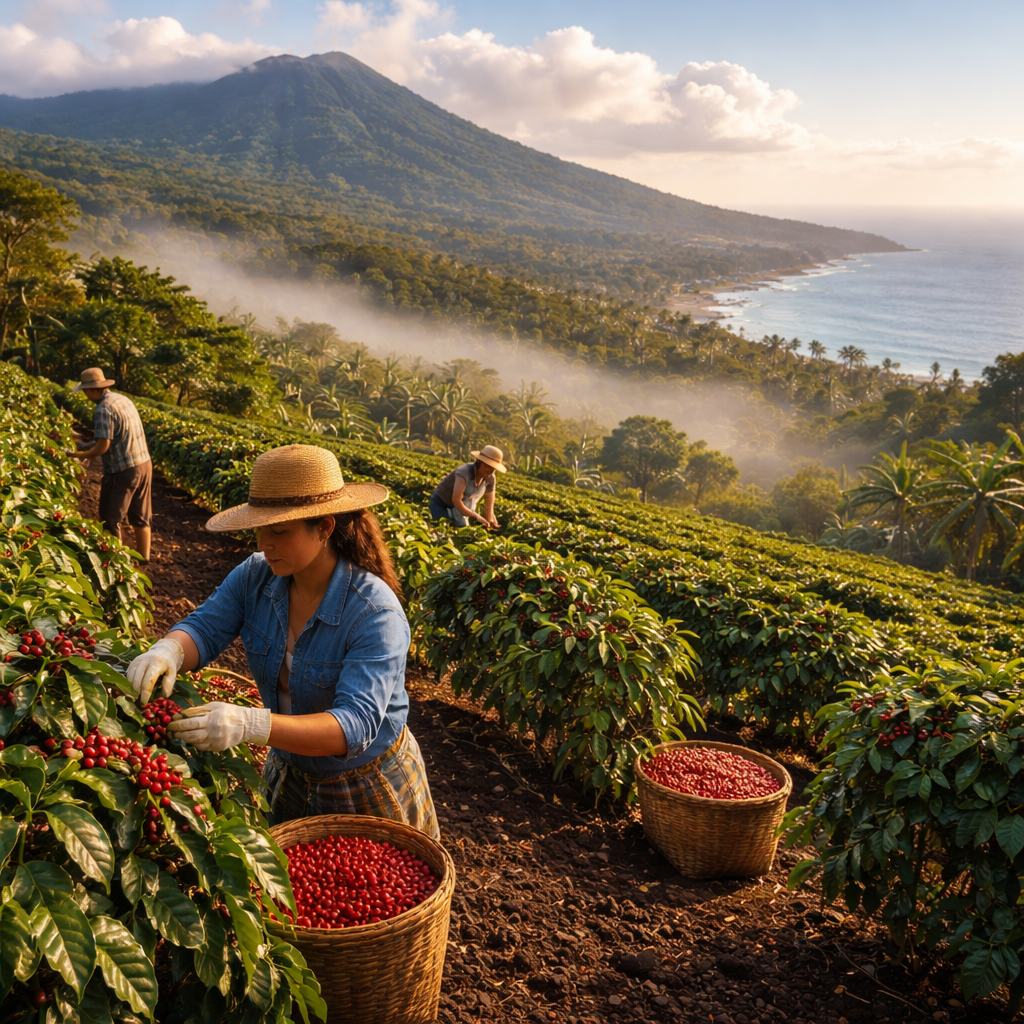
Paradise Coast beans start on Hawaiʻi’s volcanic slopes. The soil is rich in minerals, and the nights are cool. Those factors let the beans ripen slowly, which builds sweet flavor.
The roaster works directly with small farms. That means they can visit the fields, taste the cherries, and pick the best lots. Direct relationships also let them pay fair prices, which helps farmers keep the land healthy.
After picking, the beans go through a processing step. Some are washed, which removes the fruit skin and gives a clean taste. Others are natural, where the beans dry inside the fruit and pick up more fruit flavor. Both methods are used to match the desired cup profile.
Once processed, the beans travel to the Hilo roastery. There, they’re roasted in small batches. The roaster watches the color, smells the aroma, and listens for the crack. The goal is to lock in the sweet, bright notes that come from the volcanic soil.
Because the roast happens close to the source, the beans reach the U.S. market fast. That quick turnaround keeps the beans fresh when they arrive at retailers.
Below is a simple checklist to evaluate a coffee’s sourcing and roasting quality:
- Origin listed with region and farm.
- Processing method described (washed, natural, honey).
- Roast date printed on the bag.
- Small‑batch roast claim.
- Direct trade or fair‑price statement.
These points help you pick beans that are fresh and responsibly grown. See how Paradise Roasters describes their sourcing and roasting practices for a real‑world example.
When you buy Paradise Coast beans, you’re supporting farms that keep the soil healthy and the community strong. That matters as much as taste.
Flavor Profiles and Tasting Notes Compared Across Varieties
Paradise Coast offers several bean varieties. Each one brings a different taste map. Below is a quick table that shows the main notes you’ll find in three popular lots.
| Variety | Primary Notes | Body | Acidity |
|---|---|---|---|
| Kona Classic Medium | Sweet chocolate, light citrus | Medium | Bright |
| Kona Geisha Washed | Floral, jasmine, bright berry | Light | High |
| Specialty Robustas | Dark chocolate, caramel, nut | Full | Low |
The Kona Classic medium roast is balanced. It’s great for drip or pour‑over. The Geisha washed lot is more delicate, perfect for a light brew that shows floral aromas. The robusta line is bold and works well in espresso.
If you’re new to tasting, try this simple method: sniff the dry grounds, then take a small sip and let it sit on your tongue. Notice the first flavor, the middle body, and the finish.
To help you compare, here are three quick tasting steps:
- Smell the dry coffee. Look for fruit, chocolate, or spice.
- Take a small sip. Let it coat your tongue.
- Swallow and note the aftertaste. Is it sweet, bitter, or lingering?
When you know the notes, you can match the bean to your brew method. For example, a bright, acidic bean shines in a pour‑over, while a full‑bodied bean holds up in an espresso shot.
For more on how flavor changes with processing, read about specialty robusta flavors. It explains how honey and anaerobic fermentation bring out sweet notes.
And if you want a deeper dive into the Kona region’s unique taste, check out the Kona coffee profile page. It shows why volcanic soil matters.
One tip for home tasters: write down the notes you hear. Over time you’ll train your palate and pick the beans that fit your taste.
Pro tip: Pair a bright Geisha with a light roast and a clean filtered brew to hear the jasmine notes clearly.
Here’s a quick comparison of pros and cons for each variety:
- Kona Classic Medium , pros: balanced, versatile; cons: may be too mellow for espresso lovers.
- Kona Geisha Washed , pros: bright, floral; cons: delicate, needs careful brewing.
- Specialty Robustas , pros: rich, full; cons: can be bitter if over‑extracted.
When you know the strengths, you can pick the right bean for the right moment.
For a taste of the beans themselves, try Chilled Iguana’s Sweet Blend. It’s a good match for the bright notes of a Geisha roast.
How to Brew the Perfect Cup with Paradise Coast Beans
Brewing good coffee starts with fresh beans. Grind only what you need right before you brew. A coarse grind works for French press, a medium grind for drip, and a fine grind for espresso.
Next, use clean water. Filtered water gives the cleanest taste. Heat the water to about 200°F (93°C). Too hot pulls bitterness; too cool leaves it weak.
Measure your coffee. A good rule is 1 gram of coffee per 16 grams of water. Adjust up or down based on how strong you like it.
Now pick a brew method. Here are three simple guides:
Pour‑Over
Place a filter in the dripper. Rinse it with hot water. Add the ground coffee. Slowly pour water in a circular motion. Let it drip fully. The result is a clean cup that shows the bean’s bright notes.
French Press
Add coarse grounds to the press. Pour hot water. Stir gently. Put the lid on and wait four minutes. Press down slowly. You’ll get a fuller body that highlights chocolatey flavors.
Espresso
Use a fine grind. Tamp the coffee evenly. Brew for about 25‑30 seconds. A good espresso from a robusta lot will taste rich and smooth.
After brewing, let the coffee rest for a minute before tasting. This helps the aromas settle.
Here are five quick brewing tips:
- Grind just before brewing.
- Use water between 195‑205°F.
- Keep equipment clean.
- Store beans in an airtight container away from light.
- Experiment with brew time to find your sweet spot.
Want to see a step‑by‑step video? Below is a short guide that walks through a pour‑over with Paradise Coast beans.
When you follow these steps, you’ll notice the coffee’s body, acidity, and finish line up with the bean’s natural profile.
For more on tasting and brewing basics, read the beginner’s guide to tasting and brewing. It covers how grind size and water temperature affect flavor.
If you prefer a cold brew, use a coarse grind and steep for 12‑18 hours. Filter and serve over ice. The cold brew will bring out the bean’s natural sweetness without the acidity.
Finally, remember that coffee changes as it cools. A hot cup may taste bright, but a cooled cup can reveal deeper chocolate notes. Taste at both temps to get the full picture.
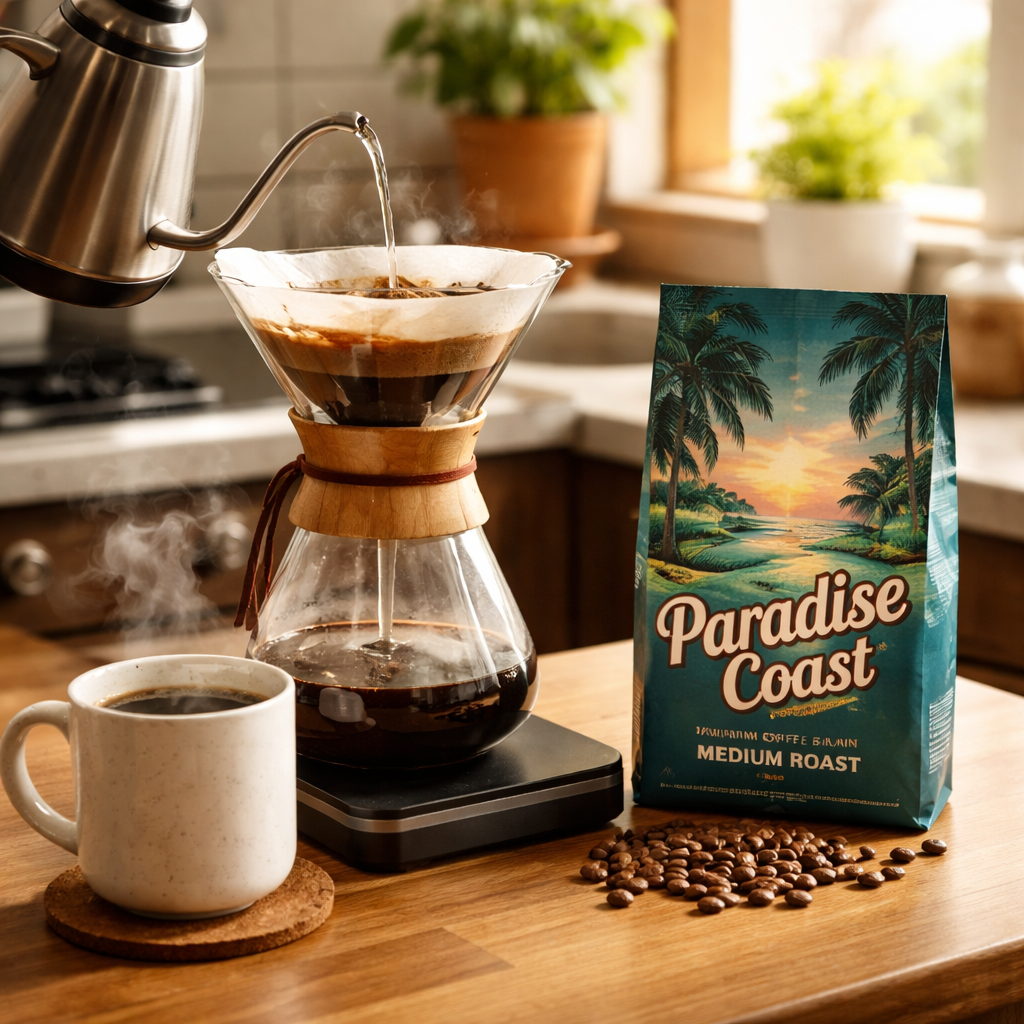
Enjoy the ritual. Each step adds a layer of flavor that makes the cup feel special.
Where to Buy Paradise Coast Coffee Beans in the USA (Including Online Options)
You can find Paradise Coast beans at a few specialty shops across the country, but the easiest way is to order online. Most roasters ship directly from their US facilities, so the beans arrive fresh.
Here are three reliable places to look:
- The official Paradise Roasters online store. They list each lot with its roast date and processing method.
- Selected boutique coffee retailers that carry limited‑edition island beans.
- Online marketplaces that partner with the roaster for direct‑to‑consumer shipping.
When you shop, check the product page for a clear roast date. That tells you how fresh the beans are.
Many sites also offer subscription plans. A subscription sends you a new bag every month, right after the beans are roasted. That way you never run out, and you get the beans at peak flavor.
Shipping is usually fast within the U.S. Some retailers even offer free shipping on orders over a certain amount. Look for those deals if you plan to buy in bulk.
To compare options, use this quick checklist:
- Roast date displayed.
- Clear origin and processing info.
- Shipping speed and cost.
- Subscription discount.
- Customer reviews that mention flavor and freshness.
For a detailed look at the online shop, visit Paradise Roasters’ store page. It shows the latest Kona releases and limited‑edition beans.
Another useful page lists the shipping policies and how the roaster protects bean freshness during transit. Read the shipping FAQ here. It explains the fast‑track process from Hilo to your door.
If you like a themed experience, you might also check out Chilled Iguana’s coffee subscription. Their boxes bring a tropical vibe and fresh beans to your home each month.
Remember to store the beans right away. Use an airtight, opaque container and keep it in a cool pantry. That keeps the flavor locked in for weeks.
Frequently Asked Questions
What makes paradise coast coffee beans usa stand out from regular beans?
Paradise Coast beans come from volcanic soils, are hand‑picked, and roasted in small batches. The result is a bright acidity, sweet body, and clear flavor notes that you rarely find in mass‑produced coffee. Fresh roast dates and direct farmer relationships add to the quality.
How should I store paradise coast coffee beans usa for maximum freshness?
Store them in an airtight container with a one‑way valve, keep the container in a cool, dark pantry, and avoid the fridge. Use the beans within two to three weeks of the roast date for the best taste.
Can I use a regular drip coffee maker for paradise coast coffee beans usa?
Yes. Use a medium grind, 1 gram of coffee per 16 grams of water, and water at about 200°F. A clean filter and fresh water help highlight the beans’ bright notes.
Is there a difference between the Kona Classic and Kona Geisha varieties?
Kona Classic is a balanced medium roast with chocolate and citrus notes, while Kona Geisha is a light, washed lot that brings floral and berry flavors. Choose Classic for everyday brew and Geisha for a delicate pour‑over.
Do specialty robustas in the paradise coast line work well for espresso?
Specialty robustas have a full body and chocolatey taste that hold up under espresso pressure. They create a syrupy mouthfeel and a rich finish, perfect for a bold shot.
Are there subscription options for paradise coast coffee beans usa?
Yes. Many roasters, including Paradise Roasters, offer monthly subscriptions that ship fresh‑roasted beans directly to your door. Subscriptions often include a discount and let you pause or change the blend.
What water quality should I use for brewing paradise coast coffee beans usa?
Filtered or bottled water works best. Hard water can mute the bright acidity and add unwanted mineral flavors. Aim for water with low mineral content and neutral pH.
Can I grind paradise coast coffee beans usa at home?
Absolutely. A burr grinder gives you consistent size, which is key for even extraction. Adjust the grind size to match your brew method , coarse for French press, medium for drip, fine for espresso.
Conclusion
Paradise Coast coffee beans bring a taste of volcanic islands to your kitchen. Their unique soil, careful hand‑picking, and fresh small‑batch roasting give each cup bright acidity, sweet body, and clear flavor notes. Whether you brew a pour‑over, French press, or espresso, the beans respond well when you use fresh water, the right grind, and proper ratios.
Knowing where the beans come from and how they’re roasted helps you pick the right variety for the brew you love. Use the buying checklist to find fresh, ethically sourced beans online or at specialty shops. A subscription can keep you stocked with the latest lot, so you never miss a fresh cup.
Now that you have the full guide, go ahead and treat yourself to a cup of paradise. Explore the flavors, experiment with brewing, and enjoy the story each bean tells. And if you love the tropical vibe, check out a coffee subscription that delivers fresh beans right to your door. Happy sipping!