



Heat is the fastest way to ruin a good bag of coffee beans. It breaks down the oils, flattens the aroma, and turns a bright roast stale in days. The good news is that a few straightforward habits can protect your beans even in Florida-level summer heat. Here's exactly what to do.
Step 1: Understand What Heat Does to Coffee Beans
Before you change how you store your beans, it helps to know what you're actually fighting against. Roasted coffee is porous. The moment heat reaches it, the oils inside start to oxidize faster. Those oils are the source of aroma and flavor. Once they're gone, they don't come back.
Coffee beans also release CO2 after roasting , a process called degassing. Heat speeds that up dramatically. A bag of beans sitting on a warm counter near a sunny window can degas and go stale in three or four days instead of two to three weeks. You won't necessarily see or smell the change until you brew your first flat, lifeless cup.
There's another issue that catches people off guard: temperature swings. When your kitchen heats up during the day and cools at night, condensation can form inside your storage container. According to Wikipedia's overview of coffee bean chemistry, moisture is one of the primary accelerants of staling in roasted coffee. A sealed bag that gets warm and then cold, repeatedly, collects tiny droplets of water that slowly damage the bean's cell structure.
The four enemies of fresh coffee are heat, light, moisture, and air. In a hot climate, heat and moisture often arrive together, which makes the problem twice as hard to manage. Every storage decision you make should address at least two of those four factors at once.
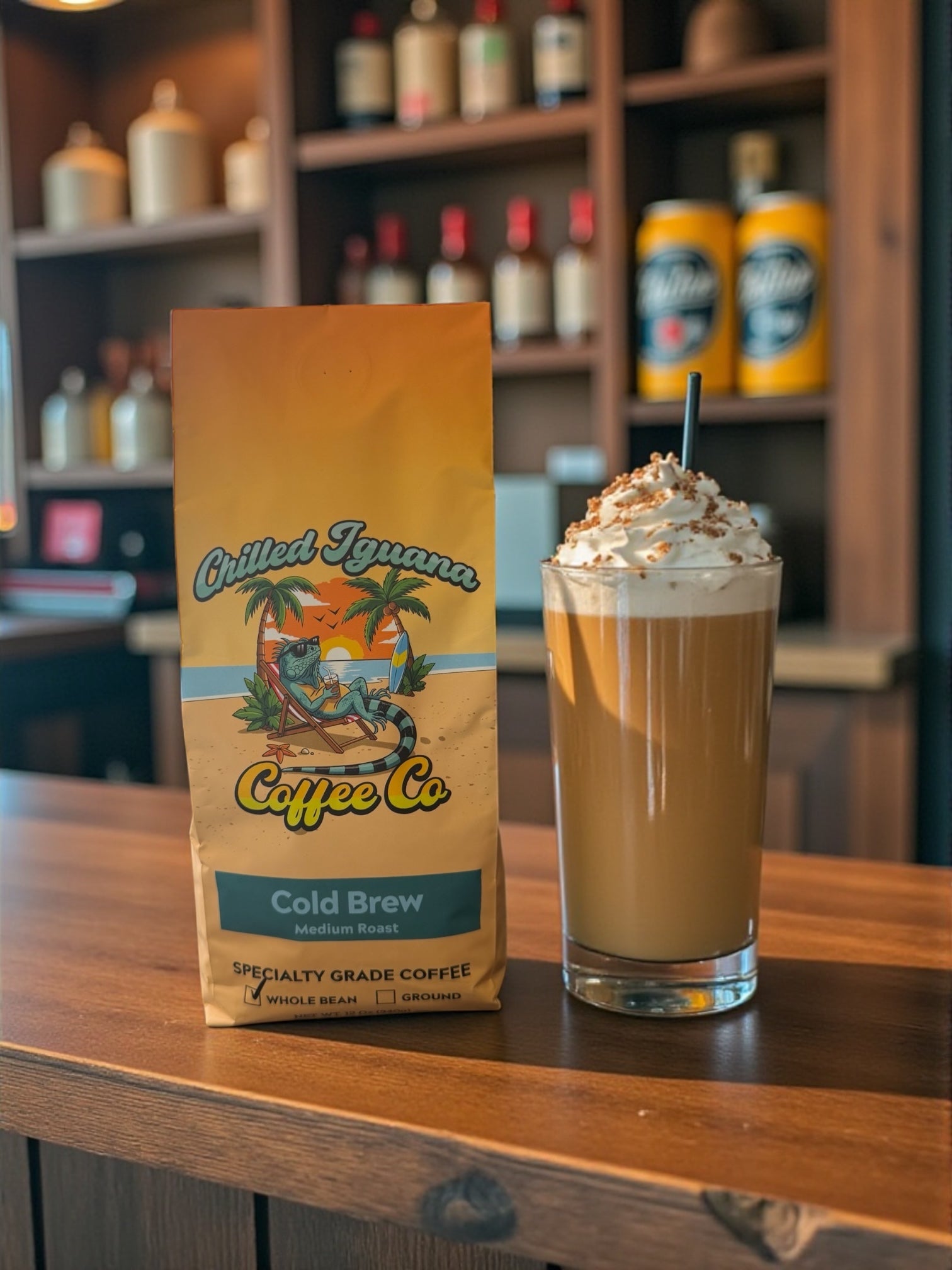
Once you understand the mechanism, the storage steps below make immediate sense. You're not just following rules , you're working with what the bean actually needs.
Step 2: Choose the Right Storage Container
Your container does more work than any other storage variable. In hot climates, a bad container accelerates staling faster than almost anything else. The goal is simple: block air, block light, and minimize temperature transfer.
Here's a quick breakdown of common container types and how they perform in heat:
For hot environments, a vacuum-seal or airtight stainless canister is the clear winner. Look for one with a one-way CO2 valve. That valve lets the gas from degassing escape without letting outside air back in , a small detail that matters a lot during summer.
Avoid clear glass containers entirely if your kitchen gets any direct sun. Glass transfers heat directly to the beans and offers zero protection from light. A nice-looking glass jar on the counter might look great, but it's actively working against freshness the moment the sun hits it.
If you receive your coffee delivered fresh for tropical climates, transfer the beans to your airtight container immediately after opening the bag. Don't leave them sitting in the original packaging for more than a day or two, even if the bag has a resealable zip.
Step 3: Find the Coolest Spot in Your Home
Location matters as much as the container. Even a perfect vacuum-seal canister sitting next to your stove or on a sun-facing counter will fail to protect your beans.
Walk through your kitchen and think about heat sources. Stoves and ovens radiate heat even when off. Toasters, microwaves, and small appliances generate warmth during use. Windows facing south or west flood with afternoon sun. Counters near those windows can reach temperatures significantly above room temperature by mid-afternoon.
The best spots in most homes are inside a closed cabinet away from the stove, a pantry shelf, or a dedicated drawer. These locations stay cooler because they're insulated from both direct sun and appliance heat. A kitchen cabinet on an interior wall , one that doesn't share a wall with the outside , tends to be the most stable option.
As the National Coffee Association's guidance on storage and shelf life confirms, coffee's four main enemies are air, moisture, heat, and light. Managing the location targets at least three of those at once: a closed cabinet blocks light, reduces temperature fluctuation, and cuts down on moisture exposure from cooking steam.
If your whole home runs hot , think a ground-floor apartment without central air, or a home in a tropical region , consider a small insulated bag or a dedicated cooler-style canister kept in the coolest room. Some coffee drinkers in humid, hot climates keep their beans in the bedroom because it's the one room with reliable air conditioning. That sounds extreme, but it works.
The goal is consistency. A spot that stays at roughly the same temperature day and night prevents the condensation cycle that damages beans over time. Stable and cool beats cold-and-fluctuating every time.
Step 4: Know When (and How) to Use the Freezer
The freezer debate is real in coffee circles. Some people swear by it. Others say it ruins beans. Both sides have a point, and the answer is about how you do it, not whether you do it.
Coffee is hygroscopic , it absorbs moisture and odors from surrounding air. Open a freezer bag of beans every morning, expose them to warm kitchen air, then reseal them. Condensation forms each time. Repeat that thirty times and the beans will taste like freezer burn and last night's leftovers. That's the version that doesn't work.
The version that works: divide your beans into small portions before freezing. Use airtight bags or small vacuum-seal containers. Freeze each portion as a single-use batch. When you're ready for a portion, take it out, let it come to room temperature completely before opening the container , this usually takes 20 to 30 minutes , and then don't put it back. Use that portion within a week.
This approach is particularly useful if you buy coffee in larger quantities or if you're ordering fresh roasted beans and want to extend their life past the two-to-three-week freshness window. For anyone living in a climate where room temperature storage is genuinely difficult , say, a home without air conditioning in July , the freezer used correctly is a legitimate tool, not a shortcut.
The single rule that matters most: freeze once. No refreezing. Each freeze-thaw cycle adds moisture risk. If a portion is out of the freezer, commit to finishing it.
Step 5: Buy Fresher, Smaller Batches More Often
The most overlooked freshness strategy has nothing to do with containers or locations. It's simply buying less, more often. A 12-ounce bag of coffee used up in two weeks stays fresher than a two-pound bag that sits open for six weeks , even if both are stored identically.
Roasted coffee has a peak flavor window. Most specialty roasters consider the first two to four weeks after the roast date the sweet spot for whole beans. After that, flavor compounds continue to break down, and heat accelerates the process. In a hot climate, that window can shrink. A bag that might last three weeks in a cool, dry apartment might taste noticeably flat in two weeks inside a warm Florida kitchen.
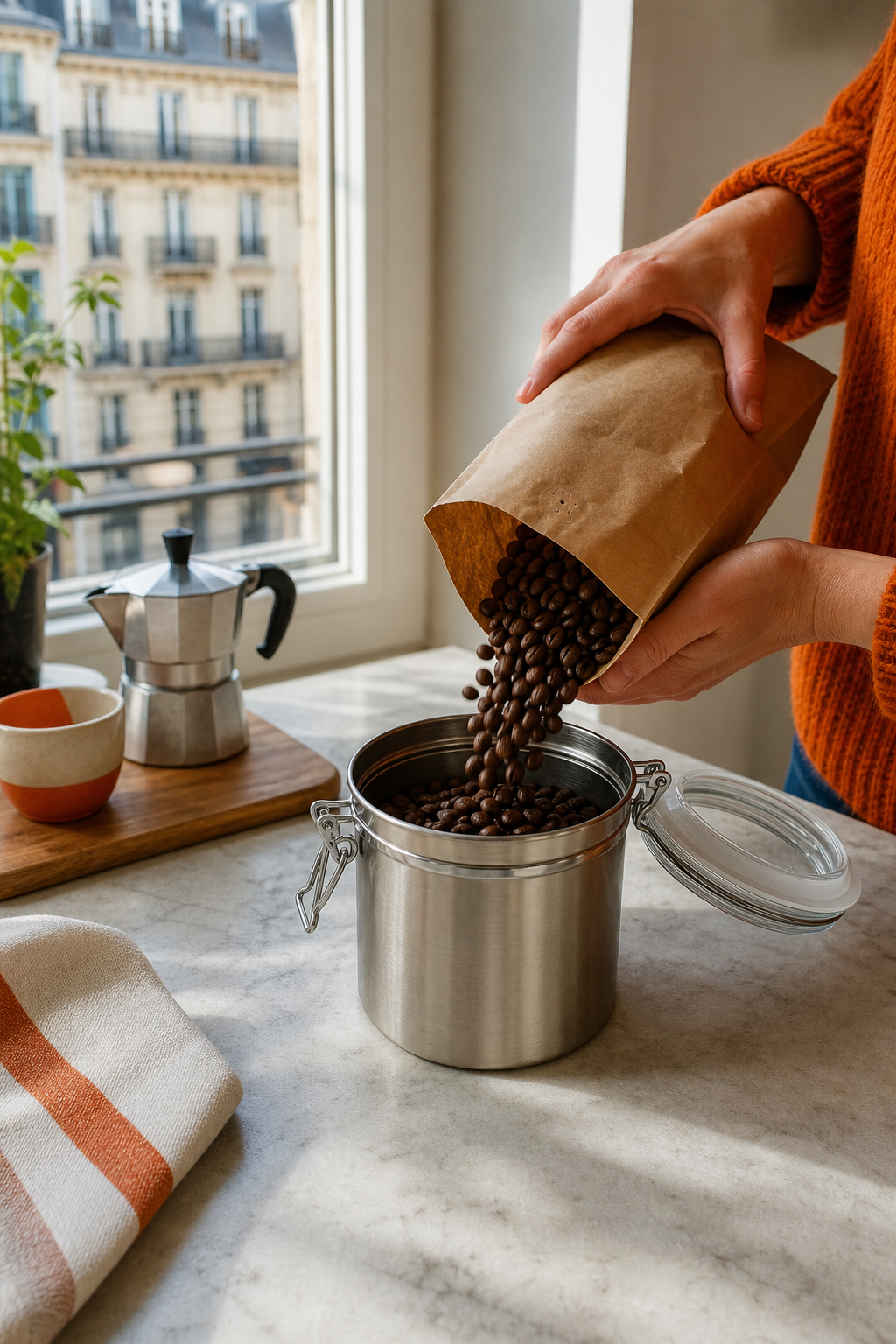
This is where a subscription model genuinely helps. Chilled Iguana Coffee Co. offers subscription delivery so you receive fresh-roasted beans on a schedule that matches how fast you actually drink coffee. Instead of stocking up and watching beans go stale, you get a steady rotation of freshly roasted product. The beans arrive closer to their roast date, which means more flavor in every cup regardless of how hot your kitchen gets.
When buying in smaller amounts, look at the roast date printed on the bag , not just the expiration date. An expiration date tells you when coffee is no longer safe, but it says nothing about flavor. A roast date tells you when the coffee was at its best. If a bag doesn't show a roast date at all, that's worth noting. For anyone who takes freshness seriously, knowing when the beans were actually roasted matters more than any storage trick.
If you're curious about pairing fresh-buying habits with the right roast for warm-weather drinking, it's worth exploring how different origins and roast profiles hold up differently. Some fans of small batch coffee find that buying in tight quantities from specialty roasters gives them more control over exactly how fresh each brew is , which matters even more when heat is working against you.
Step 6: Handle Beans Right After Opening the Bag
The moment you open a bag of coffee is the moment the clock starts ticking faster. Every second the beans are exposed to warm, humid air, they lose a little of what makes them worth brewing.
The habit most people skip: transfer immediately. Don't leave beans in an open bag on the counter while you make coffee. Pour what you need, then seal the container right away. It sounds obvious, but it's easy to get distracted and leave the bag open for twenty minutes while you grind, brew, and pour. In a warm kitchen, that exposure adds up over time.
Only grind what you're about to brew. Ground coffee has far more surface area exposed to air than whole beans, so it goes stale much faster , especially in heat. Grinding the night before or in the morning for multiple pots through the day speeds up staling noticeably.
Keep your scoop or spoon dry before putting it into the canister. A wet spoon introduces moisture directly to the beans. This seems minor, but in a hot, humid climate it can matter. Condensation on a metal scoop is enough to start degrading the beans it touches.
Finally, check the container seal every time you close it. Airtight canisters with rubber gaskets can develop small gaps as the gasket ages or if the lid isn't aligned correctly. A quick press and twist to confirm the seal is seated takes two seconds and preserves days of freshness. The Chilled Iguana Coffee Co. single-serve pods sidestep this entire issue , each pod is individually oxygen-sealed, so you never have to worry about the container seal or ambient heat affecting the next cup.
FAQ
Does heat really ruin coffee beans that fast?
Yes, faster than most people expect. Heat speeds up oxidation of the oils inside roasted beans, and those oils carry the flavor and aroma. In a hot kitchen , think anything above 75°F consistently , an open or poorly sealed bag can go noticeably stale within a week. A tightly sealed, opaque container in a cool cabinet extends that significantly. The quality drop isn't always dramatic; it's gradual but real.
Can I store coffee beans in the fridge to keep them cool?
The fridge is generally a bad idea for daily-use beans. Coffee absorbs odors and moisture readily, and a refrigerator has plenty of both. Every time you pull the container out, warm air hits the cold beans and condensation forms. That moisture degrades flavor quickly. Stick to a cool, dark cabinet for beans you're using within two to three weeks. The freezer is a better option than the fridge if long-term storage is genuinely necessary.
How long do coffee beans stay fresh in a hot climate?
In a well-sealed, opaque container kept in a cool cabinet, most roasted whole beans hold their best flavor for two to three weeks from the roast date. In a hot climate with no climate control, that window can shrink to ten to fourteen days. Buying smaller quantities more often , and checking the roast date, not just the expiration date , is the most usable way to consistently drink coffee at peak flavor.
What's the best container to keep coffee beans fresh in summer heat?
An opaque, airtight canister with a one-way CO2 valve is the best option for hot environments. Stainless steel or ceramic both work well because they don't transfer heat as readily as glass. Vacuum-seal canisters offer the strongest protection if you want to go further. Clear glass containers on a sunny counter are the worst choice , they amplify heat and provide no light protection at all.
Should I grind my beans in advance to save time?
Grinding in advance costs you flavor, especially in warm weather. Ground coffee has much more surface area exposed to air, so oxidation happens faster. In a hot kitchen, pre-ground coffee can taste noticeably flat within a day or two. Grind only what you need right before brewing. It adds maybe ninety seconds to your morning routine and makes a real difference in how the cup tastes.
Can a coffee subscription help with freshness in hot weather?
It can help a lot. A subscription set to your actual consumption pace means beans arrive closer to their roast date and you never have an oversized bag sitting open for weeks. Chilled Iguana Coffee Co. offers subscription delivery of freshly roasted, ethically sourced beans , a usable way to get consistent freshness without relying on perfect storage alone. Smaller, more frequent deliveries beat stockpiling every time.
Conclusion
If you take one thing from this guide, make it the container-plus-location combination: an opaque, airtight canister in your coolest cabinet does more for freshness than any other single change. Pair that with smaller, more frequent purchases of freshly roasted beans and you've solved most of the problem. Chilled Iguana Coffee Co. roasts ethically sourced beans from around the world and ships them fresh , grab a bag or set up a subscription and taste the difference a good roast date actually makes.