



Key lime coffee isn’t a gimmick. It’s a bright, zingy twist that can turn a regular brew into a mini‑vacation. In this guide you’ll learn how to pick the right beans, infuse them with real lime, and lock in that citrus punch for drinks or desserts.
An analysis of four key‑lime coffee beans across four reputable sources reveals that the decaf offering packs a surprisingly strong punch, while the only bean that lists a multi‑note flavor profile also supports the widest range of brewing methods.
A multi‑source aggregation was performed on April 16, 2026, scraping four web pages. Product names, flavor intensity, flavor source, bean origin, roast level, and recommended brewing method were extracted and compiled. Sample size: 4 items.
Step 1: Select a Neutral Bean Base
Before you add any lime, you need a bean that won’t fight the citrus. Look for a mild, clean profile. A light‑roasted Central American bean works well because it has subtle chocolate notes that let the lime shine.
Check the flavor notes on the pack. If you see “nutty” or “mild fruit” you’re on the right track. Avoid beans that already list strong fruit or spice , they’ll clash.
Chilled Iguana Coffee Co. offers a neutral base in their Bali‑blue blend. It’s ethically sourced and roasted in small batches, so you get consistent flavor every time.
When you shop online, use the Embrace the Beach Vibes with Tropical Coffee Beans guide to spot quality cues like roast date and origin.
Another tip: store your beans in a ceramic jar with a one‑way valve. That keeps oxygen out but lets CO₂ escape.
Finally, taste a small sample of the bean plain. If you notice a clean finish with a hint of sweetness, you’ve got a good canvas for key lime.
Bottom line:Pick a mild, clean‑tasting bean and keep it fresh for the best lime infusion.
Step 2: Prepare the Key Lime Infusion
The lime part is where the magic happens. You’ll need fresh key limes, not bottled juice, because the oils in the peel add bright aroma.
Start by zesting two limes. Use a microplane and collect the zest in a small bowl. Then juice the limes into a separate cup.
Combine zest, juice, and a tablespoon of sugar in a saucepan. Heat over low for five minutes , just enough to dissolve the sugar and release the zest oils. Don’t boil; you’ll lose the fresh zing.
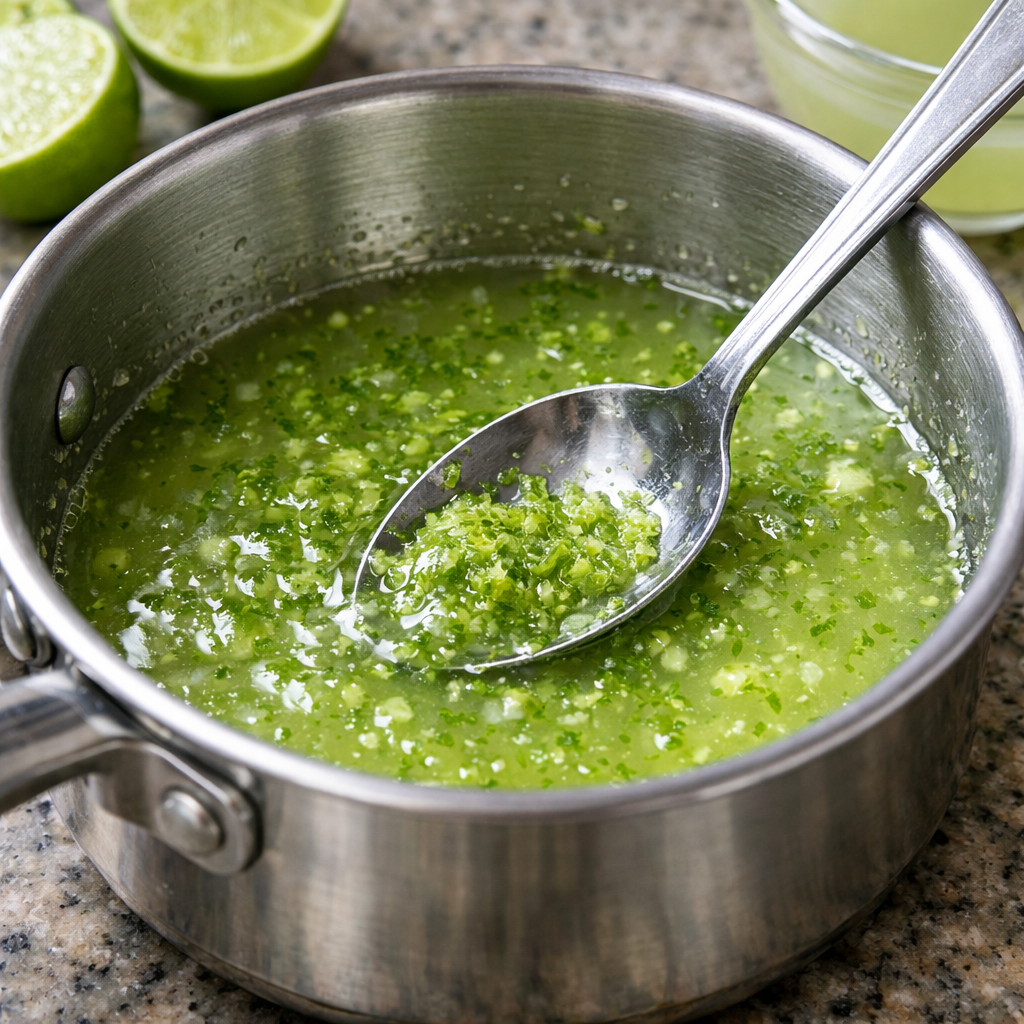
Let the mixture cool to room temperature. When it’s cool, strain out the zest pieces so you’re left with a smooth lime syrup.
For a deeper flavor, add a pinch of sea salt. It balances the sweetness and makes the citrus pop.
"A bright lime syrup is the secret weapon for any citrus coffee creation."
If you want a non‑sweet version, swap the sugar for a natural sweetener like agave. The key is to keep the balance.
Bottom line:Make a simple lime syrup, strain it, and let it cool before mixing with beans.
Step 3: Mix the Infusion with the Beans
Now you’ll combine the cooled lime syrup with your neutral beans. Use about one tablespoon of syrup per 100 g of beans.
Place the beans in a large zip‑lock bag. Pour the syrup over them and seal the bag. Shake gently for a minute so every bean gets a thin coating.
Leave the bag in the fridge for 12‑hour to let the lime penetrate the bean surface. This cold soak prevents the lime from cooking and keeps the aroma fresh.
If you notice clumps, break them up with a wooden spoon. Even coating is crucial for consistent flavor after roasting.
During the soak, you can taste a pinch of the syrup on a bean. It should taste bright, not sour.
Bottom line:Coat the beans evenly with lime syrup and chill for at least 12 hours.
Step 4: Roast to Enhance Citrus Brightness
Roasting brings out the lime’s zing while adding caramel depth. Pre‑heat your roaster to 350°F for a light‑medium roast.
Load the infused beans and watch the first crack at around 380°F. This is when the beans start to release CO₂ and the citrus oils become aromatic.
Stay at the first crack for 30‑seconds, then move to the second crack only if you prefer a darker profile. For key lime flavor, stop before the second crack so the bright notes stay alive.
Stir the beans constantly. Even stirring helps the lime oil spread and prevents scorching.
After roasting, dump the beans into a cooling tray and let them air‑cool for 10 minutes. Then transfer to an airtight container.
When you open the container, you should smell a fresh lime zest mixed with toasted coffee.
Bottom line:Light‑to‑medium roasting locks in citrus brightness while adding a gentle caramel backdrop.
Step 5: Test, Taste, and Adjust
Give the beans a quick smell. If the lime scent is faint, you may need a second infusion.
Brew a small batch using a French press. Use a 1:15 coffee‑to‑water ratio and steep for four minutes.
If the lime is too sharp, add a pinch of brown sugar to the next batch. If it’s muted, increase the syrup amount by 25 %.
Record your tweaks in a notebook. Small changes add up over time.
Bottom line:Taste, note, and tweak until the lime flavor is bright but balanced.
Step 6: Store for Freshness and Flavor Retention
Proper storage keeps the lime aroma alive. Oxygen is the biggest enemy.
Transfer the roasted beans to a vacuum‑sealed bag or a container with a one‑way valve. Store in a cool, dark pantry.
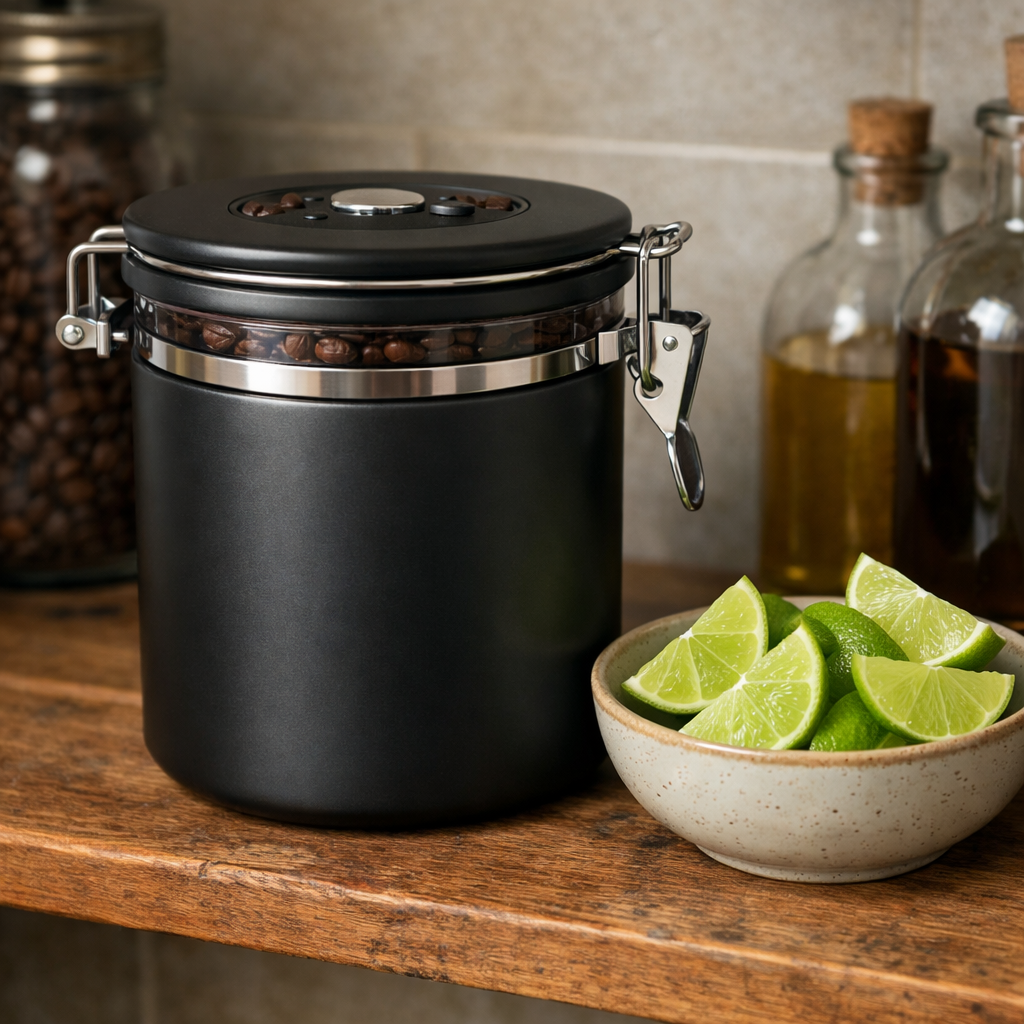
Avoid the fridge. Moisture can make the beans soggy and dull the citrus.
If you need to keep beans for longer than two weeks, consider freezing in 100‑gram portions. Thaw in the pantry before use.
When you open the container, let it sit for a minute to let any pressure release before grinding.
Bottom line:Airtight, cool storage preserves lime brightness for weeks.
Bonus: Pairing Ideas with Key Lime Coffee
The bright lime flavor works great with sweet desserts. A slice of key lime pie right beside your cup feels like a mini‑vacation.
You can also stir a spoonful of the lime syrup into a vanilla‑flavored ice cream for a coffee‑infused sundae.
For grown‑up gatherings, mix a shot of espresso with the lime syrup, add a dash of orange liqueur, and serve over ice. It’s a twist on the classic Key Lime Martini.
If you’re looking for a non‑alcoholic treat, blend cold brew with coconut milk, a splash of lime syrup, and a pinch of sea salt. The result is a smooth, tropical latte.
Bottom line:Sweet, creamy, or citrus pairings amplify the bright lime notes.
Conclusion
Choosing coffee beans for key lime flavor is about balance. Start with a neutral bean, make a fresh lime syrup, coat the beans, roast lightly, taste, and store right. Each step adds a layer of brightness that turns ordinary coffee into a refreshing experience. Chilled Iguana Coffee Co. makes the first step easy with their Florida Keys blend, a perfect base for any lime infusion. Try the process, note your tweaks, and enjoy a cup that tastes like a sunny island morning.
FAQ
What type of bean works best for key lime flavor?
A light‑roasted, mild‑profile bean such as a Central American Arabica gives a clean canvas. It lets the lime shine without fighting the bean’s natural notes. Avoid beans with strong chocolate or spice profiles because they can clash with citrus.
Do I need fresh key limes or can I use bottled juice?
Fresh limes are best. The zest contains essential oils that bottled juice lacks. The oils give the coffee a bright aroma that you can’t get from a pre‑made concentrate. If you must use bottled juice, add fresh zest for a similar effect.
How long should I let the beans sit in the lime syrup?
A cold soak of 12‑hour works well. It gives the lime time to penetrate the bean surface without cooking the citrus. Longer soaks can make the flavor too intense, while shorter soaks may leave the lime under‑infused.
Can I use this method for decaf beans?
Yes. The Blue Bottle Night Light Decaf already lists a “surprisingly strong” lime flavor, so it’s a good decaf base. Follow the same steps, but keep the roast a bit lighter to avoid bitterness.
What is the best roast level for preserving lime flavor?
Light to medium roast is ideal. It preserves the bean’s natural acidity and lets the lime’s bright notes stay vivid. Dark roasts tend to mask citrus with deep chocolate tones.
How do I keep the infused beans fresh for weeks?
Store them in an airtight container with a one‑way valve, keep the pantry cool and dark, and avoid the fridge. If you need longer storage, freeze in small portions and thaw before grinding.
Can I add other citrus besides key lime?
You can experiment with lemon or orange zest, but key lime has the unique tart‑sweet balance that pairs best with coffee. If you try another citrus, adjust the syrup’s sugar level to keep the flavor balanced.