



A good single origin coffee subscription box should do more than refill your shelf. It should help you learn what you like, show where the beans came from, and fit the way you brew each day. Use these five steps to compare taste, traceability, freshness, delivery terms, and trial risk before you subscribe.
Step 1: Define Your Coffee Preferences and Subscription Needs
Start by writing down what you want from a single origin coffee subscription box. This keeps a polished quiz or attractive offer from making the choice for you.
Think about your usual cup first. Do you want bright fruit and floral notes? Or do you prefer deep chocolate, low acidity, and a heavier body? Roast level gives you a useful first filter:
- Light roast: Often suits drinkers who want clear origin character and lively flavor.
- Medium roast: Gives a middle ground between origin notes and roast sweetness.
- Dark roast: Fits people who like a bold cup with deeper roast flavor.
Next, note how you brew. A pour-over drinker may want a coffee that shows fine flavor detail. An espresso drinker may care more about body and how the coffee works with milk. If you make cold brew, ask whether the subscription gives brew advice for that method.
Choose whole bean if you own a grinder and want to grind close to brew time. Choose ground coffee if speed matters more. The best format is the one you'll use before the coffee sits too long in your pantry.
Then set your supply needs. Count how many people drink coffee at home. Look at how often you brew. A person who drinks one cup on workdays needs a different delivery pace than a household that brews a full pot each morning.
Subscriptions work best when the delivery date follows your real use. Coffee piling up is a sign that your interval is too short. Running out before the next shipment means it's too long. Check whether you can change the cadence before you pay.
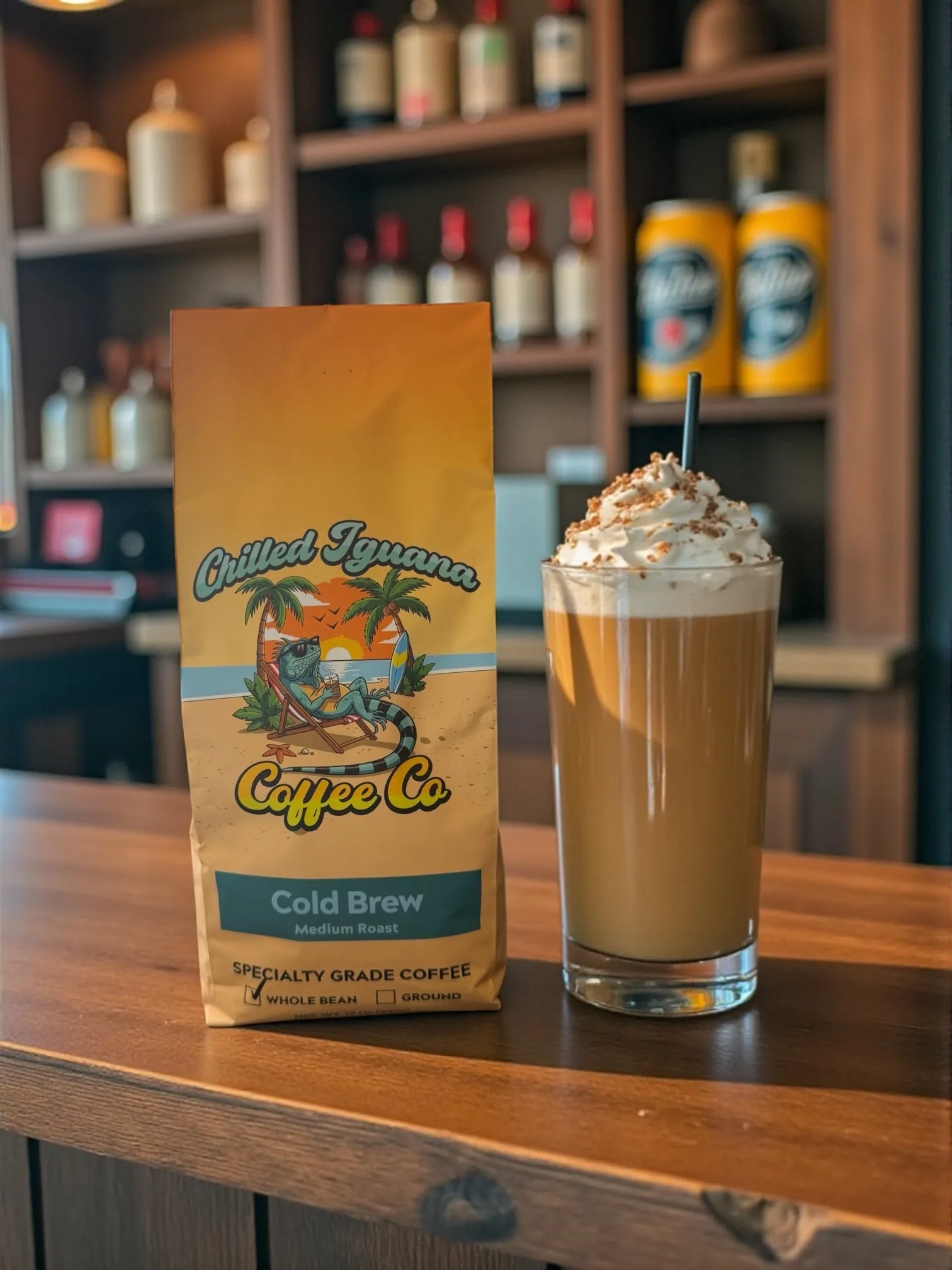
Chilled Iguana Coffee Co. makes a useful starting point for shoppers who want fresh roasted coffee, ethical sourcing, and automatic delivery in one place. Its subscription flow asks you to choose your coffee and frequency, then sends repeat orders without the need to reorder each time. You can also to single origin coffee flavor and subscription benefits before choosing your first bag.
By now you should have: a preferred roast range, a brew method, a bean format, and a delivery pace that matches your household.
Step 2: Check the Coffee’s Origin, Sourcing, and Traceability
A single origin coffee subscription box should tell you what “single origin” means for each shipment. The term can point to a country, region, cooperative, farm, or smaller lot. Those levels give you different amounts of detail.
At minimum, look for the country and region. Better labels name the farm or cooperative. Strong traceability also tells you about the producer, processing method, coffee variety, and growing elevation when that information is available.
Why does this matter in the cup? Coffee from one growing area can show a distinct set of flavors. Processing changes the result too. A washed coffee may taste clean and bright. A natural process may bring more fruit character. These are broad clues, not promises. The roast and brew still shape what you taste.
Use the label as a test. If it says only “international beans,” you can't learn much about the source. If it names a region but gives no producer detail, treat it as a mid-level traceability claim. If it provides a farm or cooperative, harvest details, and sourcing notes, you have more information to compare over time.
For a plain reference point, Wikipedia’s coffee reference describes coffee as a brewed drink made from roasted coffee beans. That basic definition matters here because the bean's growing place and handling come before the roast and brew choices you control at home.
Check ethical sourcing claims
Don't treat the word “ethical” as proof by itself. Look for a clear statement about how the roaster buys coffee. Direct trade, long-term producer relationships, and payment details give more context than a broad promise with no supporting facts.
Certifications can help, but they don't tell the whole story. In the reviewed subscription data, only two services listed certifications. That left most entries without an explicit certification claim. So, absence of a badge doesn't prove poor sourcing. It does mean you should look for other evidence.
- Does the seller name a farm, cooperative, or region?
- Does the product page explain who produced the coffee?
- Does it state a certification or sourcing program in plain words?
- Can the origin change with the season?
Seasonality is worth asking about. A subscription may rotate coffees when one harvest ends. That can be a good sign, but it also means you may not receive the same origin every month. If you want a steady favorite, confirm whether you can select a specific coffee instead of accepting a rotating pick.
Chilled Iguana Coffee Co. describes its beans as ethically sourced from around the world. When you compare a named origin such as Colombia or Sumatra, read the current product details and confirm that the coffee fits your single-origin requirement before subscribing.
Step 3: Evaluate Roast Freshness, Format, and Brewing Compatibility
Freshness is one of the hardest parts to compare in a single origin coffee subscription box. Many sellers say “fresh roasted,” but that phrase doesn't tell you when the beans were roasted or when they left the roaster.
Look for a roast date on the bag. A shipping promise can help too, but roast date is the clearer measure. “Ships within 24 hours of roasting” tells you more than “freshly packed.” If the seller gives no date policy, ask before you commit.
Research across 18 subscription services found that numeric freshness details were rare. Only three entries gave a specific freshness figure. The stated range ran from one to 24 days, which shows why vague freshness language makes side-by-side shopping hard.
The format matters just as much. Whole beans usually give you more control over grind size. Ground coffee saves time, but the grind must match your brewer. A coarse grind can suit some steeped methods. A fine grind fits espresso. A medium setting often works for common filter brewers, though your recipe may call for a change.
Ask these questions before you subscribe:
- Can you choose whole bean or ground?
- Can you select a grind suited to your brewer?
- Does the roast profile match your taste?
- Are brewing notes included with each origin?
- Can you use the coffee for both hot and cold drinks?
That last point can separate a good match from a poor one. Chilled Iguana Coffee Co. highlights preparation flexibility, including slow-steeped cold brew and nitro-style service. If you switch between a hot morning cup and a cold afternoon drink, that gives the subscription a clear use case.
Don't assume a coffee will taste the same through every brew method. A coffee that tastes bright in a pour-over may feel heavier or sharper as cold brew. Start with the suggested recipe, then change one variable at a time. Adjust grind first. Then change water or brew time.
Whole bean is usually the safer choice if two people in your home use different brewers. You can grind a portion for each method. Ground coffee makes more sense when convenience is the main reason you're subscribing.
Choose the subscription that gives you enough freshness detail to make a fair call. A low price can't fix coffee that arrives too late for your normal brewing routine.
Step 4: Compare Delivery Terms, Flexibility, and Overall Value
Delivery terms decide whether a single origin coffee subscription box feels helpful or becomes another bill to manage. Read the plan details before you compare the price per bag.
Start with cadence. Subscriptions in the research ranged from weekly shipments to intervals of several weeks. Most gave some flexibility, but only a small number stated the exact interval in a clear numeric form. Look for wording such as every two weeks or every four weeks, rather than a loose promise of regular delivery.
Then check the account controls. You should know whether you can:
- Skip the next shipment.
- Pause while traveling.
- Change the delivery date.
- Swap the coffee or grind.
- Cancel without a penalty.
These controls protect the coffee as much as they protect your budget. If you leave for two weeks and can't pause the plan, the next bag may sit unopened. If your taste changes but you can't switch the roast, you may keep paying for coffee you no longer enjoy.
Compare total cost, not sticker price
Calculate the full cost of one shipment. Include the coffee, shipping, taxes, and any first-order discount that won't apply later. Then divide the total by the weight of coffee in the bag. This gives you a fairer comparison than the headline price.
Research on subscription prices found that many starting prices sat between $14 and $22, with a median of $19. The wider spread included higher outliers. A cheaper bag may still cost more after shipping, while a larger bag may offer a lower cost per ounce but go stale before you finish it.
Atlas Coffee Club stood out in the research because it listed 50 origin options and a starting price near $14 per bag. That pairing challenges the idea that wider origin choice always costs more. Still, variety has a tradeoff: a rotating service may send a coffee you don't normally choose.
For Chilled Iguana Coffee Co., compare the listed coffee price with your normal buying pattern. Its subscription option is aimed at automatic delivery and savings, so the value comes from fitting the right coffee and frequency to your use. Don't choose a plan solely because the first shipment looks cheap.
Decision rule: Pick the lowest total cost that still gives you the origin detail, freshness information, and account control you need.
Step 5: Start with a Low-Risk Trial and Refine Your Subscription
Start small. A trial turns a good product description into evidence from your own kitchen.
Choose one bag or the smallest available plan when possible. Set the delivery pace to match your current use, not your ideal routine. If you normally brew on weekdays only, don't order at a pace meant for daily use.
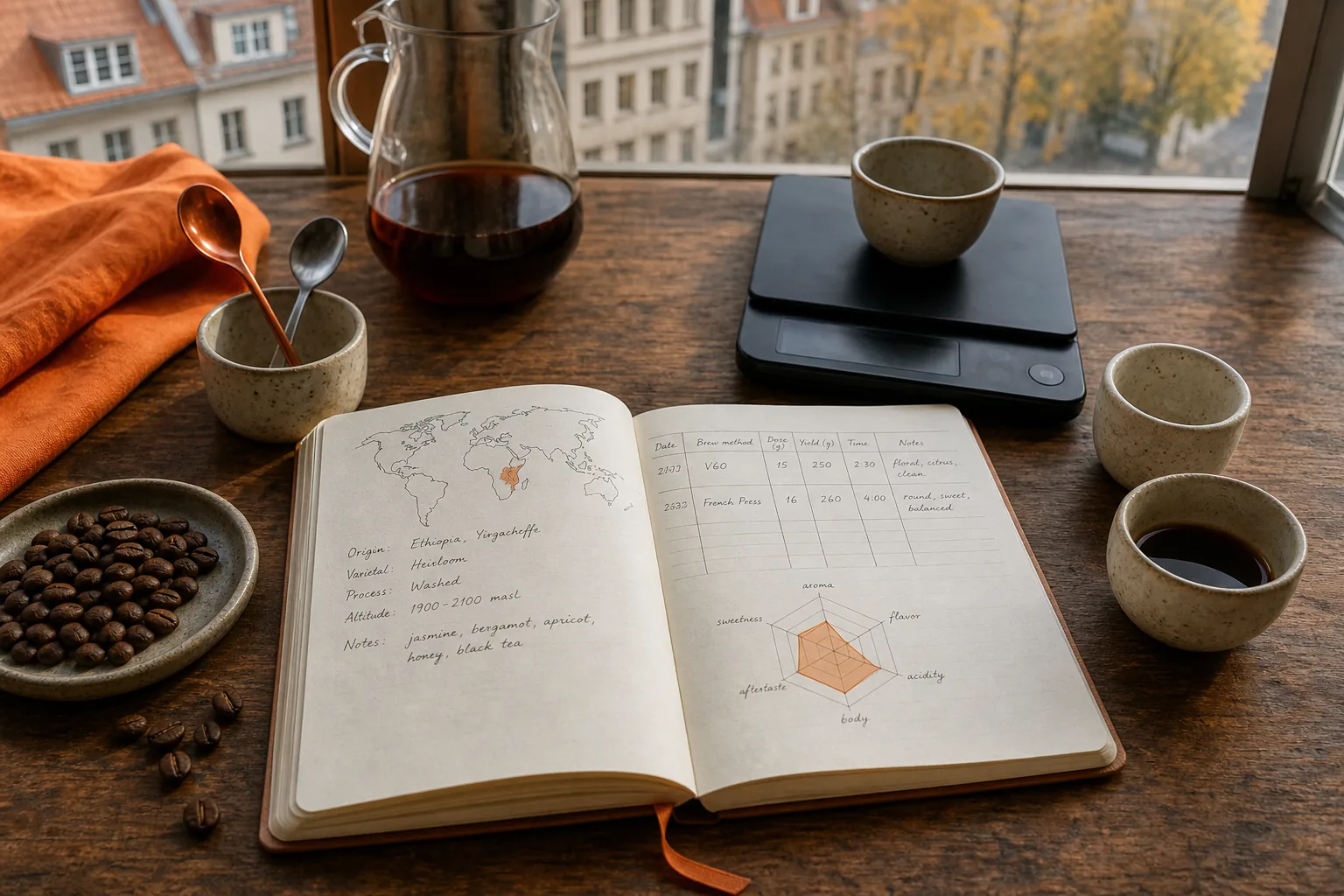
When the coffee arrives, record five details:
- Origin and roast date.
- Roast level and bean format.
- Brew method and grind setting.
- Flavor, aroma, body, and finish.
- Total cost and how long the bag lasted.
Write the notes soon after brewing. A short entry is enough. “Bright in pour-over, too sharp as cold brew” gives you more useful data than “good coffee.” Use the same rating scale each time so one exciting shipment doesn't distort your view.
Test one change at a time. If the first cup tastes thin, try a finer grind before changing the water. If it tastes bitter, try a coarser grind or shorter brew time. This helps you tell the difference between a coffee mismatch and a recipe problem.
Give the plan more than one chance when the first bag is unfamiliar. Single-origin coffee can taste different from the blend you usually drink. But don't force yourself to keep a plan you dislike. The point of a trial is to find a repeatable fit.
Review your notes after two or three deliveries. Look for patterns rather than one-off reactions. You may find that you prefer medium roasts, coffees from one region, or cold brew recipes. You may also learn that your household consumes less than you thought.
Pause before coffee starts to pile up. Store the beans in an airtight container away from heat and light. If you cannot finish the bag while it still tastes fresh, slow the next delivery instead of buying more storage space.
Chilled Iguana Coffee Co. is a sensible place to run this test if you want ethically sourced coffee with an automatic delivery option. Begin with one coffee that matches your roast and brew habits. Then use your notes to decide whether to keep that choice or try another origin.
By now you should have: a first order based on your real habits, a tasting record, and a clear reason to keep, change, pause, or cancel the plan.
FAQ
What is a single origin coffee subscription box?
A single origin coffee subscription box sends coffee from one stated origin at a time on a repeating schedule. The origin may be a country, region, cooperative, or farm. Before subscribing, check which level the seller uses. Also confirm whether each shipment stays single origin or changes as seasonal coffee becomes available.
How do I choose a coffee subscription for my brew method?
Choose a coffee subscription that lets you match the bean format and grind to your brewer. Pour-over users may prefer lighter roast profiles, while espresso drinkers often need a grind and roast that suit pressure brewing. If you use more than one method, look for a coffee with brewing guidance and enough flexibility to test hot and cold recipes.
How fresh should subscription coffee be?
Subscription coffee should have a clear roast date or a stated policy for roasting and shipping. A promise to ship soon after roasting gives you more useful information than the word “fresh” alone. Ask how the coffee is dated before you order. Then choose a delivery pace that lets you finish each bag before the next one arrives.
Is a coffee subscription worth the money?
A coffee subscription is worth the money when its total cost fits your budget and the coffee matches your taste. Compare the full shipment cost, including shipping, with the bag weight and your use rate. A flexible plan can also prevent waste because you can pause or slow delivery when your coffee supply starts to build up.
Can I use single origin coffee for cold brew?
Yes, you can use single-origin coffee for cold brew, but the result may differ from a hot cup. Chilled Iguana Coffee Co. highlights slow-steeped cold brew and nitro-style preparation as options for its coffee. Start with the seller's recipe, then adjust grind and steep time after tasting the first batch.
Conclusion
Choose the box that matches your actual brew routine, gives you clear origin and freshness details, and lets you control delivery. Chilled Iguana Coffee Co. is a strong first option if you want ethically sourced coffee with preparation flexibility. Start with one shipment, keep brief tasting notes, and adjust the plan only after you know what works in your cup.