



Buying ethical coffee takes more than spotting the words “ direct trade” on a bag. You need to check who sourced the beans, how much detail the seller shares, and whether the roast fits your brew method. Use these five steps to choose better beans without guessing.
Step 1: Define What Direct Trade Means to You
Before you search for direct trade coffee beans for sale, decide what “direct trade” needs to mean in your own purchase. The term has no single rulebook that every seller follows. One roaster may visit farms and build long-term relationships. Another may buy through an importer while sharing detailed sourcing records.
That difference matters. A direct trade claim should tell you something about the relationship behind the coffee. It should not be a vague promise printed on a label.
Write down your top priority before you shop. You might care most about:
- A named farm, cooperative, or growing region.
- Long-term work between a producer and roaster.
- Better pay or added support for farmers.
- Environmental care, such as shade-grown farming.
- A clear account of how the coffee moved through the supply chain.
Direct trade and fair trade are related, but they are not the same thing. Fair trade is tied to a certification system and set standards. Direct trade usually describes a buying relationship built by a roaster or coffee company. A coffee can fit one idea, both ideas, or neither. Fair trade’s definition and certification model can help you see why a label alone does not tell the whole story.
For a home buyer, this means you don't need a perfect definition on day one. You need a standard you can apply to every seller. If a listing says “direct,” ask what the seller actually does that supports the claim.
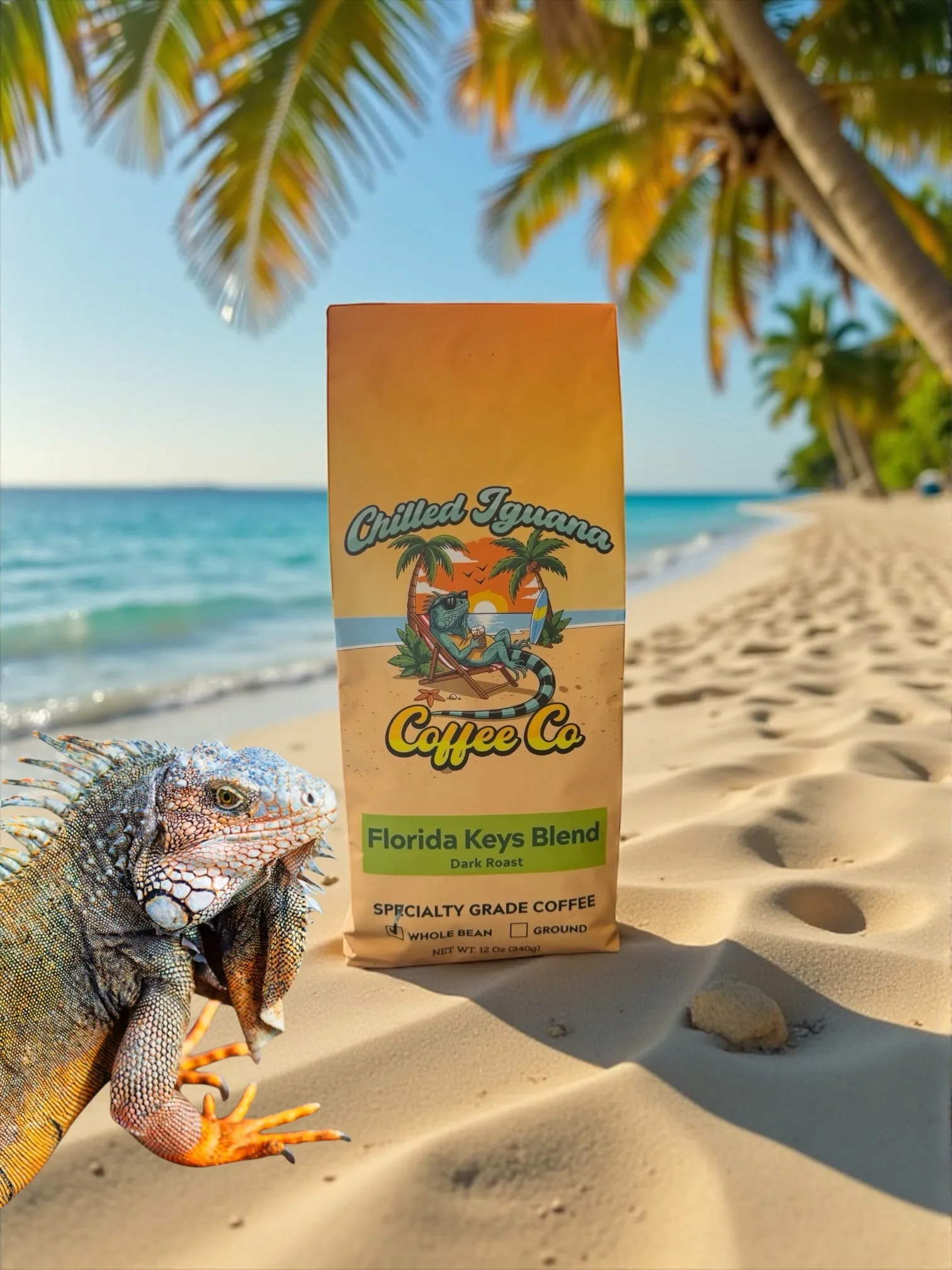
Chilled Iguana Coffee Co. is a useful place to start if you want a direct-to-consumer shop with ethically sourced coffee and a clear Florida Keys-inspired identity. Browse its coffee range with your own checklist in hand. The goal is a choice you can explain, not a label you have to trust blindly.
Step 2: Check the Seller’s Sourcing Transparency
When you compare direct trade coffee beans for sale, start with the seller’s sourcing page and product description. Look for facts you could verify or ask about later. A strong listing gives you more than a country name.
Check whether the seller names the farm, estate, cooperative, or region. Then look for the producer’s role in the story. Does the seller explain who bought the coffee? Does it say how the relationship began? Does it explain whether the beans came through an importer or another supply partner?
Pay attention to the level of detail. A useful product page may include:
- Country and growing region.
- Producer or cooperative name.
- Altitude or processing method, when known.
- Harvest information, if the seller shares it.
- The roaster’s relationship with the producer.
- Certifications or other sourcing standards.
Don't treat missing detail as proof of poor sourcing. Small sellers may have limited space on a product page. But a seller should be willing to answer basic questions. If you ask where the beans came from and receive only “ethically sourced,” you still lack useful proof.
Also separate sourcing transparency from roast quality. A well-told farmer story does not guarantee a good roast. You need both parts. The seller should explain the supply chain, and the coffee should have enough product detail for you to judge taste and freshness.
For a business buyer, ask a few more questions before placing a large order:
- Can the seller provide lot or origin details?
- Will the same source return, or does the stock change?
- What happens when a harvest sells out?
- Can the seller provide samples before a larger purchase?
Those questions matter if you plan to resell coffee or serve it in a shop. Your customers may ask about origin, and your staff needs a short answer that is accurate.
Chilled Iguana Coffee Co. sells fresh roasted coffee online for home drinkers, professionals, food lovers, and coffee businesses. Its direct-to-consumer setup makes the buying path simple, but you should still read each coffee description rather than assume every roast has the same story.
For a second checklist when reading ethical coffee listings, review these coffee-listing considerations, including origin, roast date, whole bean format, and subscription questions.
Step 3: Match Origin, Roast, and Flavor to Your Brew Method
The best direct trade coffee beans for sale are the ones that fit how you brew. Start with your equipment, then choose a roast and flavor style that can work well with it.
Light roasts often keep more of a bean’s distinct character. They can suit pour-over brewing when you want a cup with clear acidity or fruit notes. Medium roasts tend to give you a balance of sweetness and body. Dark roasts bring more roast flavor and can work well in espresso or moka pot drinks.
These are guides, not laws. A dark roast can work in a filter brewer. A light roast can work in espresso if the recipe is adjusted. Still, roast level gives you a useful first filter when a store has many choices.
Chilled Iguana Coffee Co. has several ways to narrow the choice. Cold Brew Coffee lists chocolate, toffee, and floral tones. House Blend is described as a medium roast with a smooth, clean cup. Breakfast Blend is a dark roast house blend listed as suitable for espresso. Those details give you a starting point without pretending one coffee suits every brewer.
Read flavor notes as a map, not a promise. “Caramel” does not mean syrup was added. It describes a taste the roaster expects from the finished cup. Water quality, grind size, dose, and brew time will still change what you taste.
When you receive the coffee, taste it at more than one temperature. Hot coffee can hide some sweet notes. As it cools, you may notice more fruit or a sharper finish. Make one change at a time, such as a finer grind or a slower pour. That keeps your test useful.
For a first order, pick one familiar style and one stretch choice. A medium House Blend can cover daily drip coffee. A sample pack can help you compare darker blends or different origins without committing to one full-size bag right away.
The right match is the one that gives you a repeatable cup with your current gear. Don't buy a roast only because its tasting notes sound impressive.
Step 4: Compare Freshness, Formats, Shipping, and Subscriptions
Freshness and delivery terms can change the value of direct trade coffee beans for sale. A coffee may suit your taste, yet become a poor buy if it arrives too late or in a format you can't use.
Look for a roast date or a clear statement about when the coffee is roasted. A seller that shares roast timing gives you more control. If there is no date, check the store’s freshness policy before placing a large order.
Choose whole bean when you have a grinder. Grinding just before brewing helps preserve aroma. Pre-ground coffee is still useful if you don't own a grinder or need a quick setup at work. The best format is the one you'll use well.
Next, compare delivery details. Check the shipping charge, dispatch time, delivery area, and order cut-off. A subscription may save time, but it only works if the delivery pace matches your use.
- Choose a one-time order when you're testing a new roast.
- Choose a subscription when you know how fast you finish a bag.
- Choose pods when speed and shared office use matter most.
- Choose a sample pack when your main goal is taste comparison.
Chilled Iguana Coffee Co. provides coffee online with subscription options for automatic delivery. That can suit a home that drinks the same roast each week. It can also help a small office avoid last-minute orders. Start with a delivery pace you can track, then change it after you see your actual use.
Don't judge subscription value by the discount alone. Add the full cost of coffee, shipping, and any waste from beans that sit unused. A lower price per bag is not a saving if the next shipment arrives before you need it.
Store beans in an airtight container away from heat and direct sun. Avoid moving them into the fridge each day, since moisture and repeated temperature changes can hurt the cup. Buy only the amount you can use while the coffee still tastes lively.
Step 5: Place a Small First Order and Build Your Coffee Routine
A small first order gives you better information than a large guess. Pick one or two coffees, use your normal brewer, and keep notes for each cup.
Write down the roast level, origin, flavor notes, brew method, grind setting, and your reaction. Keep the notes short. “Too sharp at the start” tells you more than “bad.” “Good body, weak aroma” points to a different adjustment.
Use the same water and brewer for your first comparison. If you change every part of the recipe at once, you won't know what caused the result. Brew one cup as the seller suggests, then make one small adjustment.
For example, a cup that tastes thin may need a finer grind or more coffee. A cup that tastes bitter may need a coarser grind or less brew time. Don't change the roast before you test the recipe. The issue may be in the brew rather than the beans.
After the first week, make a simple decision:
- Keep the coffee if you enjoy the cup and can repeat it.
- Adjust the recipe if the flavor seems close but uneven.
- Try another roast if the base taste never suits you.
- Skip a subscription until you know your weekly use.
If you're buying for a café, shop, or resale business, test the coffee with the people who will actually drink it. Track the cost per served cup. Then add packaging, labor, shipping, payment fees, and waste before you set a retail price. A direct relationship can support a better story, but your numbers still need to work.
Small business owners may also benefit from examining the habits behind their pricing choices. Use that reflection as a prompt, not as a replacement for a cost sheet.
Once you find a coffee that works, build a routine around it. Set a reorder point based on your real use. Keep one backup option for busy weeks. Chilled Iguana Coffee Co. can fit that routine when you want fresh roasted coffee delivered online, with the option to move from a test order to automatic delivery.
Your first order should answer three questions: Do you like the cup? Can you brew it consistently? Does the purchase match the sourcing standard you set in Step 1?
FAQ
What are direct trade coffee beans?
Direct trade coffee beans come from a buying relationship where a roaster or coffee company works more directly with producers or supply partners. The term can vary by seller, so check the stated origin, producer details, and relationship. When shopping for direct trade coffee beans for sale, treat transparency as part of the claim.
Is direct trade coffee the same as fair trade coffee?
Direct trade and fair trade coffee are different sourcing approaches. Fair trade usually refers to a certification system with defined standards. Direct trade often describes a relationship built by a roaster. A coffee may meet both descriptions, but one label does not prove the other. Read the seller’s sourcing details before buying.
How can I tell if direct trade coffee is genuine?
You can't confirm every sourcing claim from a product page alone, but you can look for specific details. Check the farm or cooperative name, growing region, sourcing relationship, and any certification. Ask questions when the listing is vague. Sellers who share clear records give you more to assess than sellers who use only broad ethical language.
Are direct trade coffee beans worth the price?
They can be worth the price when the taste, freshness, and sourcing details fit your needs. Compare the full cost rather than the bag price alone. Shipping, waste, brew performance, and delivery timing all matter. A small first order is the safest way to test value before choosing a subscription or larger supply.
What is the best roast for direct trade coffee?
There is no single best roast for every buyer. Light roasts may show more origin character, medium roasts can suit daily drip brewing, and dark roasts often fit bold espresso drinks. Choose by your brewer and taste preference. Direct trade coffee beans for sale should include enough roast and flavor detail to guide that choice.
Conclusion
Start with a seller that shares clear sourcing details, then buy a small amount that matches your brewer. Chilled Iguana Coffee Co. is a sensible next stop for fresh roasted coffee, online ordering, and subscription options. Choose one coffee, note the roast and brew result, and let that first cup guide your next order.