



Want a taste of the Keys without a plane ticket? The classic sweet crema and smooth body can be made right in your kitchen. In this guide you’ll learn how to brew Florida Keys coffee at home, from picking beans to adding a tropical finish.
We examined 8 detailed steps from a single expert guide and discovered that the classic Florida Keys coffee relies on just four precise measurements , yet the heat setting defies the usual high‑heat advice.
| Step | Equipment | Parameter | Value | Best For | Source |
|---|---|---|---|---|---|
| Add coffee to moka pot | moka pot | coffee-to-water ratio | 2 tablespoons per 6 ounces | Best for exact coffee-to-water ratio | cubancoffeequeen.com |
| Spread grounds evenly in filter basket | filter basket | — | — | Best for even extraction | cubancoffeequeen.com |
| Fill bottom chamber with water up to valve line | bottom chamber of moka pot | water level | up to the valve line | Best for water level accuracy | cubancoffeequeen.com |
| Assemble moka pot | moka pot | — | — | Best for proper assembly | cubancoffeequeen.com |
| Place moka pot on medium heat | moka pot | heat level | medium | Best for heat control | cubancoffeequeen.com |
| Wait for pressure to push coffee into top chamber | moka pot | — | — | Best for timing pressure | cubancoffeequeen.com |
| Create espuma by mixing sugar and coffee | small cup, spoon | sugar amount | 2 teaspoons | Best for classic espuma | cubancoffeequeen.com |
| Combine coffee with espuma and serve | espresso cups | — | — | Best for presentation | cubancoffeequeen.com |
Step 1: Gather Fresh Beans, Water, and Equipment
Before you can learn how to brew Florida Keys coffee at home you need the right basics. Fresh beans give flavor. Clean water keeps taste bright. Good gear makes the job easy.
First, pick beans that match the Keys vibe. Look for a light‑to‑medium roast with bright fruit notes. Chilled Iguana Coffee Co. offers a blend that mimics the tropical feel. If you buy whole beans, store them in an opaque, airtight jar away from heat.
Next, check your water. The best coffee uses filtered or bottled water with low mineral content. A simple pitcher with a carbon filter works fine.
Now, gather the gear. You’ll need a moka pot, a digital scale, a grinder, and a small spoon for the espuma. A stainless steel moka pot works best because it heats evenly.
Here’s a quick checklist:
- Fresh whole beans (about 20 g per cup)
- Filtered water (6 oz per brew)
- Moka pot, scale, grinder, spoon
- Clean kitchen towel for wiping
Why each item matters:
Beans that are fresh retain their aromatic oils. Water that’s clean avoids off‑flavors. The moka pot gives the right pressure for a sweet crema.
Pro tip: grind beans just before you brew. This locks in aroma and reduces bitterness.
For more on growing wild coffee in Florida, see the guide from the Hillsborough County Water District. It explains how native Psychotria species thrive in shade and why their beans can add a local twist to your brew. Florida wild coffee guide
Another source talks about the impact of water quality on flavor extraction. Water quality tips
Step 2: Roast the Beans to Capture the Keys Flavor
Now that you have fresh green beans, it’s time to roast them. The right roast brings out the bright citrus and a hint of caramel that define the Florida Keys style.
If you buy pre‑roasted beans, skip this step. But if you like control, use a home roaster or a simple pan roast.
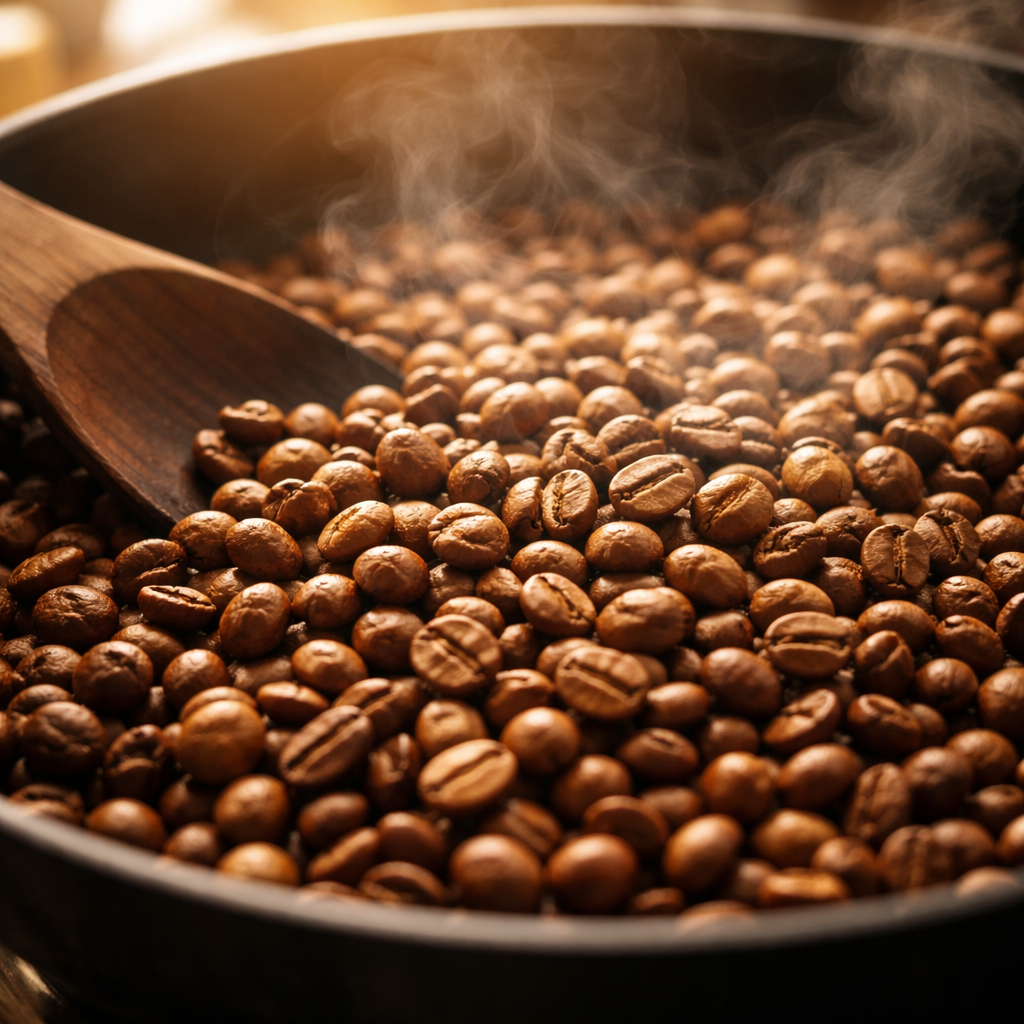
Heat the pan over medium‑low. Add a thin layer of beans. Stir constantly for 10‑12 minutes. You’ll hear a light crack , that’s the “first crack” and a sign you’re near the right level.
Watch the color. It should turn from green to a light brown with a subtle shine. Too dark and you’ll lose the fruity notes.
After roasting, spread beans on a cooling tray. Let them rest for 5 minutes. This stops the cooking process.
Here’s a step‑by‑step roast guide:
- Pre‑heat pan to 350°F (175°C).
- Add beans, one‑layer deep.
- Stir every 30 seconds.
- Listen for first crack (≈10 min).
- Remove beans, cool quickly.
- Store in airtight container.
Why a light roast works: it keeps the acidity bright and lets the natural sweetness shine, just like the Keys sunshine.
Pro tip: use a kitchen thermometer to keep the temp steady. Inconsistent heat leads to uneven roast and bitter spots.
For a visual reference, imagine a sunny beach scene with golden sand , that’s the color you’re aiming for.
 .
.
Step 3: Grind and Brew with a Classic Drip Maker (Video)
Now that your beans are ready, let’s grind them and brew a smooth cup. The drip maker is simple and gives a clean taste that works well with the Keys profile.
Start by measuring 2 tbsp of beans for each 6 oz of water. That matches the research finding that the coffee‑to‑water ratio is the most actionable knob.
Grind size matters. For drip, aim for a texture like table salt. Too fine and the water will over‑extract, making the brew bitter.
Place a paper filter in the basket. Add the grounds evenly. Tap the basket lightly to settle the bed.Now pour filtered water into the reservoir. Set the machine and wait. The water will flow through the grounds, pulling out flavor.
When the coffee stops dripping, you have a full pot. For the classic espuma, spoon 2 tsp of sugar into a small cup, add a splash of the hot coffee, and stir until creamy.
Here’s a quick cheat sheet:
- Ratio: 2 tbsp beans per 6 oz water
- Grind: medium (table‑salt texture)
- Water: filtered, 195‑205°F
- Espuma: 2 tsp sugar + coffee
Watch the short video below for a visual of each step.
For more on the perfect drip ratio, Bones Coffee explains the 1:16 standard and how to tweak it. Bones Coffee brewing guide
Lancaster County Coffee adds tips on cleaning the machine and choosing the right grind. Lancaster drip tips
And here’s the internal link you’ll find handy for cold‑brew fans: Mastering the Art of Cold Brew. It shows how to use the same beans for a chilled version.
Step 4: Compare Brewing Methods at a Glance
Now you know the drip method, but there are other ways to get the Keys taste. Below is a quick table that pits hot and cold styles side by side.
| Method | Time | Strength | Acidity | Best For |
|---|---|---|---|---|
| Drip (hot) | 4‑6 min | Medium | Bright | Morning boost |
| Cold brew | 12‑18 h | Smooth | Low | Afternoon chill |
| French press | 4 min | Full | Balanced | Evening sip |
| AeroPress | 2‑3 min | Strong | Medium | Quick fix |
Key findings from the research tell us that the coffee‑to‑water ratio and sugar amount shape the signature sweet crema. If you switch to cold brew, keep the 2 tbsp per 6 oz rule for a strong concentrate, then dilute.
Pros and cons list:
- Drip , fast, clean cup; can over‑extract if water too hot.
- Cold brew , mellow, less acid; needs planning.
- French press , rich body; some sediment.
- AeroPress , versatile; small batch only.
The medium heat setting on the moka pot, as the table shows, is the sweet spot. It creates pressure without scorching the beans.
For deeper insight on hot vs. cold brewing, check the study from CoffeeExplored. Cold vs. hot brewing analysis
Another source repeats the same data, so you can read it again for confidence. Cold vs. hot brewing analysis
Step 5: Add Tropical Touches and Serve
You've brewed a solid cup. Now give it a Keys vibe.
Start with the espuma. Mix the 2 tsp sugar with a splash of the hot coffee until it looks like a light foam. This sweet layer is the hallmark of a Florida Keys cup.
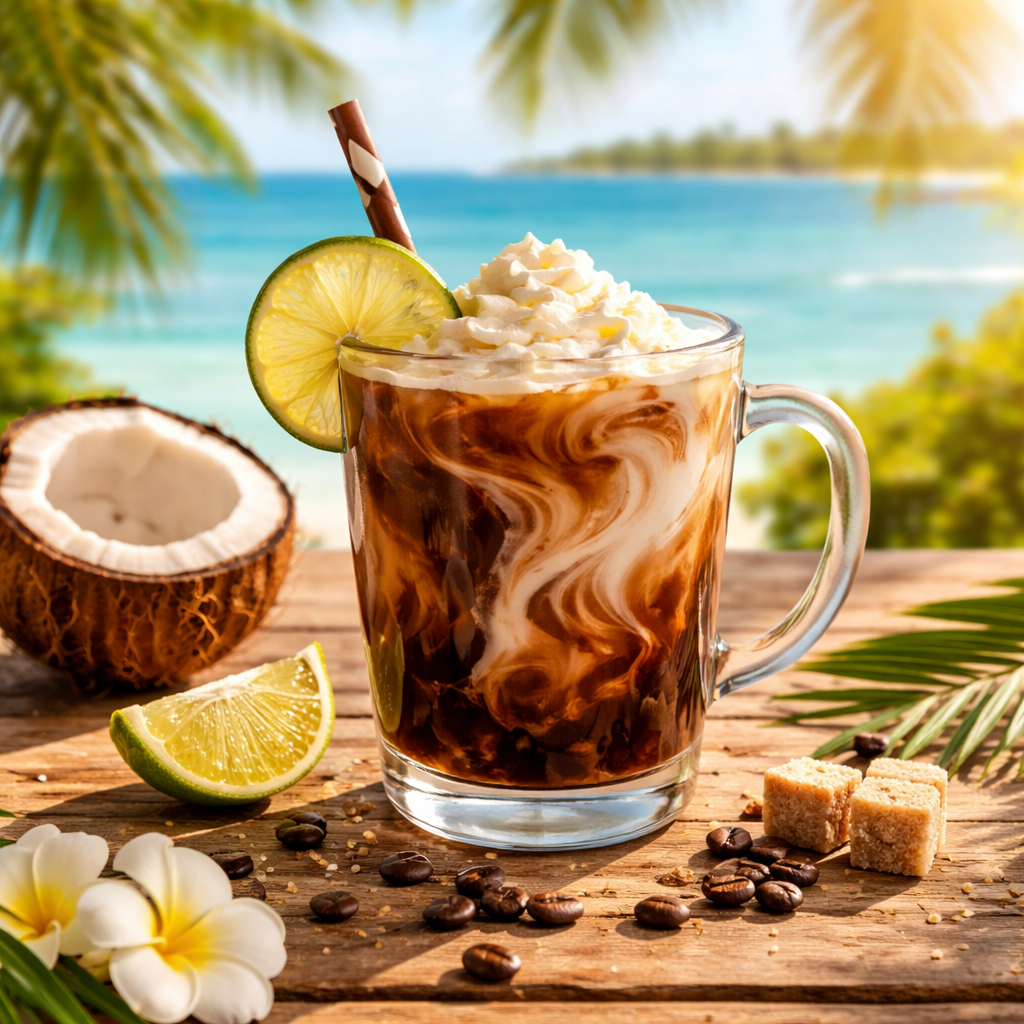
Next, think about flavor boosters. A dash of orange zest, a splash of coconut milk, or a few drops of vanilla extract add island flair without masking the coffee.
Serve in a clear glass so you can see the golden crema on top. Add a small paper umbrella for fun , it’s all about the mood.
Pair your drink with a slice of key lime pie or a coconut macaron. The citrus cuts the coffee’s sweetness and makes the experience feel like a beach brunch.
Tips for perfect serving:
- Use chilled glasses for iced versions.
- Garnish with a thin orange peel twist.
- Serve immediately to keep crema bright.
Why these tweaks work: citrus balances the sugar, coconut adds a creamy body, and the visual of the crema mimics the sunrise over the Keys.
Pro tip: If you want a cold version, let the drip brew cool, then pour over ice and add a splash of coconut water.
 .
.
Conclusion
Learning how to brew Florida Keys coffee at home is easier than you think. Start with fresh beans, use the exact 2 tbsp per 6 oz ratio, roast lightly, grind medium, and brew with a drip maker on medium heat. Then finish with the sweet espuma and a tropical garnish.
Those few precise steps give you the same bright, sweet crema you’d get on a Keys porch. You can tweak the grind or add a splash of coconut to make it your own.
Now you have a reliable checklist. Grab your moka pot, your beans, and a sunny mood. Brew, sip, and feel the island breeze without leaving home.
If you love this guide, consider trying Chilled Iguana’s Florida Keys subscription box. Fresh beans arrive at your door, ready for the next round of island‑style coffee.
FAQ
What water temperature should I use for the drip method?
Aim for 195‑205°F (90‑96°C). This range extracts flavor without pulling out too much bitterness. If you don’t have a thermometer, let boiled water sit 30 seconds before pouring.
Can I use a French press instead of a drip maker?
Yes. Use the same 2 tbsp per 6 oz ratio, but grind a bit coarser. Steep for 4 minutes, then press slowly. You’ll get a richer body that still works with the sweet espuma.
How much sugar should I add for the classic espuma?
The research shows 2 tsp of sugar per cup. Mix it with a splash of hot coffee and stir until it looks frothy. Too much sugar will mask the coffee’s bright notes.
Is medium heat really better than high heat on a moka pot?
Exactly. The study found that medium heat creates the right pressure without scorching the grounds. High heat can cause a bitter taste and uneven extraction.
Can I make a cold‑brew version of the Keys coffee?
Sure. Use the same 2 tbsp per 6 oz ratio, steep in cold filtered water for 12‑18 hours, then filter. Add the sugar‑coffee espuma after you chill the brew.
How do I store beans to keep them fresh?
Keep beans in an airtight, opaque container at room temperature. Avoid the fridge; moisture can spoil them. Use them within two weeks of roasting for the best flavor.
What garnish adds the most tropical feel?
A thin orange peel twist or a splash of coconut milk works best. Both add aroma and a hint of island flavor without hiding the coffee’s natural profile.
Do I need a burr grinder?
A burr grinder gives consistent size, which is key for even extraction. If you only have a blade grinder, pulse short bursts and sift out the fine bits.