



Hey there, flavor explorer. You know that moment when you take a sip of your morning coffee and think, "What if I added a splash of jasmine tea?" Or maybe you've wondered how a bold espresso would taste with a hint of smoky Lapsang Souchong. You're not alone. Mixing coffee and tea is a growing trend, but most guides focus on tea alone. Coffee is the missing piece. In this guide, we'll walk through seven steps to master coffee and tea flavor combinations. You'll learn the flavor families, how to choose your bases, classic and creative combos, proportions, brewing methods, food pairings, and a sensory checklist to perfect your blend. Let's get started.
Step 1: Understand Basic Flavor Families in Coffee and Tea
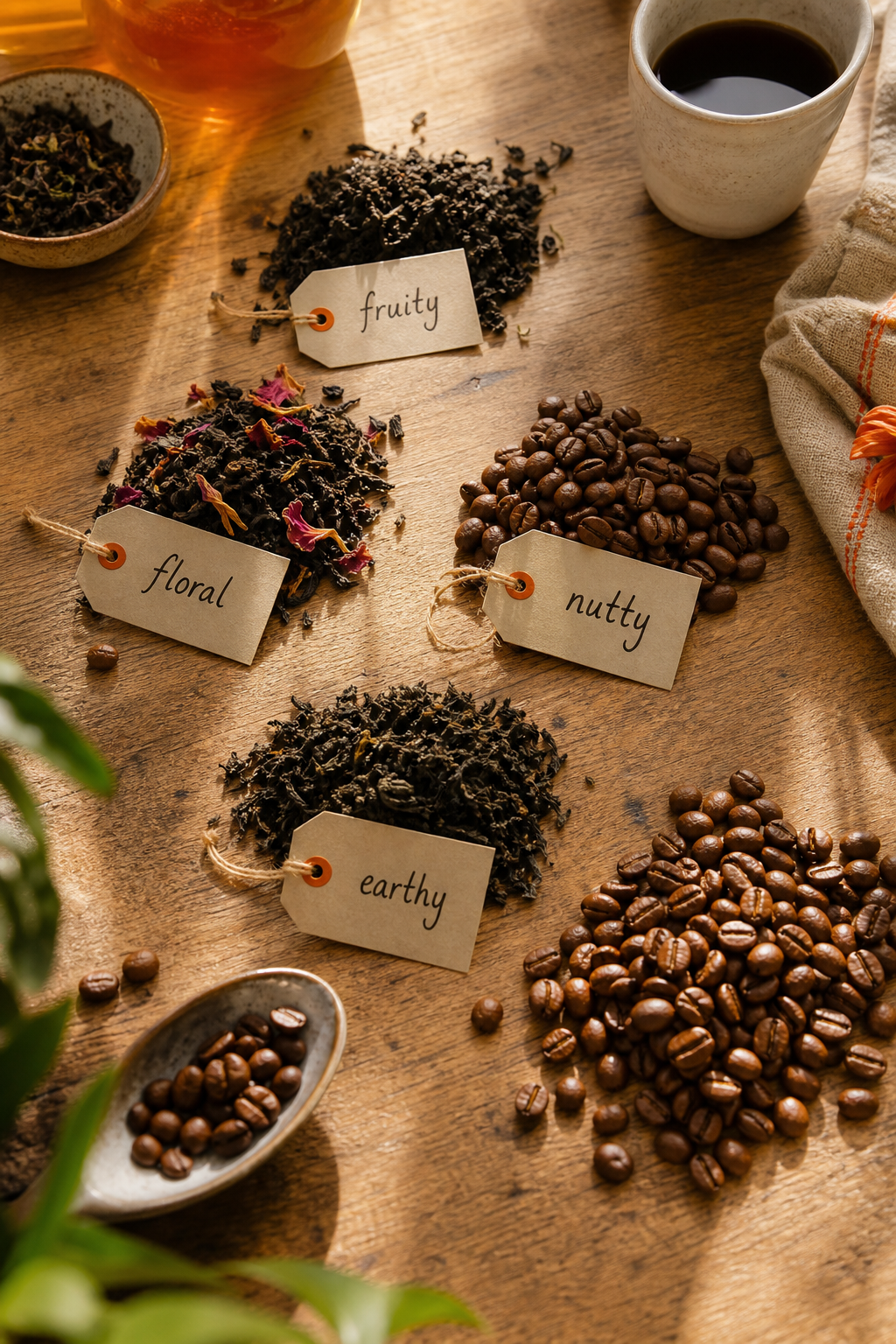
Before you start mixing, you need to know the basic tastes and aromas that coffee and tea share. Think of it like learning the notes on a piano before you play a song. There are five basic tastes: sweet, sour, bitter, salty, and umami. Coffee and tea can hit all of these, but the most common are bitterness, acidity, and sweetness.
Let's break down the aroma families. For coffee, the Specialty Coffee Association's flavor wheel is a great reference. It groups flavors into categories like fruity, floral, nutty, chocolatey, spicy, and earthy. For tea, the flavor wheel is similar but includes grassy, vegetal, and malty notes. Green teas tend to be grassy and vegetal. Black teas are malty and sometimes smoky. Oolongs can be floral and fruity. Herbal teas bring their own range, from citrusy to minty.
Here's a quick comparison of common flavor families in both:
- Fruity: Both coffee and tea can have berry, citrus, or tropical fruit notes. Light-roast Ethiopian coffee often tastes like blueberries. White tea can have melon notes.
- Floral: Jasmine green tea and many medium-roast coffees (like from Costa Rica) share floral aromas like rose or jasmine.
- Nutty: Medium-roast Brazilian coffee and roasted oolong tea both have nutty, toasty flavors.
- Earthy: Dark-roast coffee and pu-erh tea share earthy, mushroom-like undertones.
- Spicy: Chai tea and coffee with cinnamon or cardamom both bring warmth.
Understanding these families helps you predict which combos will work. For example, a floral coffee with a floral tea might compete rather than complement. A nutty coffee with a chocolatey tea could be a cozy match.
This step is all about building awareness. You don't need to memorize every note. Just start noticing what you taste. As one YouTube creator put it, "Tasting side by side, you'll just know which one you prefer." The same goes for blends.
Step 2: Choose Your Coffee Base and Tea Base
Now that you know the flavor families, it's time to pick your foundations. Your coffee and tea bases are the stars of the show. The right pairing creates harmony. The wrong one can clash.
First, your coffee base. Coffee varies hugely by roast level, origin, and processing method. on roast levels, light roasts preserve fruity and floral notes, medium roasts add caramel and nutty sweetness, and dark roasts bring chocolate and smokiness. For blending, a medium roast is usually the most versatile. It's balanced and won't overpower your tea. But if you want a bold combo, go with a dark roast. If you want bright and delicate, try a light roast.
Chilled Iguana Coffee Co. offers a range of roasts. Their Blonde blend is sweet and bright, great for pairing with floral teas. Their Italian Roast is dark and smoky, ideal with earthy pu-erh. You can explore their full coffee collection to find your perfect base.
Second, your tea base. Tea comes in many types: black, green, white, oolong, pu-erh, and herbal. Each has a distinct character. Black tea is bold and malty, so it can stand up to dark roasts. Green tea is light and grassy, best with light roasts or cold brew. Oolong is in between, with floral and creamy notes. Herbal teas like chamomile or peppermint bring their own strong flavors, so they need a coffee that complements rather than fights.
Here's a simple compatibility table to guide your choices:
When choosing, start with a coffee you love and a tea you enjoy separately. Then experiment. Don't be afraid to try unexpected combos. That's how you discover something new.
Step 3: Experiment with Classic and Creative Combos
Now we get to the fun part , mixing. There are some classic combos that have been around for years, and then there are creative ones that push boundaries.
Classic combos:
- Earl Grey + Coffee: The bergamot in Earl Grey pairs beautifully with a medium-roast coffee. Brew them separately and mix 50/50, or add a splash of Earl Grey concentrate to your coffee.
- Chai + Coffee (Dirty Chai): A favorite in cafes. Brew a strong chai latte and add a shot of espresso. The spices in chai (cinnamon, cardamom, ginger) blend with coffee's richness.
- Jasmine Tea + Light Roast: The floral jasmine and bright coffee notes create a refreshing, aromatic drink. Try it iced.
- Matcha + Coffee: Matcha's grassy, umami flavor with coffee's bitterness can be polarizing. Use a light-roast coffee and a high-quality matcha. Start with 70% coffee, 30% matcha latte.
Creative combos:
- Coffee + Hibiscus Tea: Hibiscus is tart and fruity, which cuts through coffee's bitterness. Great iced with a touch of honey.
- Cold Brew + Mint Tea: Refreshing and smooth. Brew mint tea separately and add to cold brew concentrate.
- Espresso + Smoky Lapsang Souchong: This is for the adventurous. The smoky tea amplifies dark roast's char notes. Use sparingly.
When experimenting, keep a notebook. Write down the ratio, the brew method, and what you taste. Over time, you'll develop your own signature blends.
Here's a video that walks through some unique flavor combos for tea, but the principles apply to coffee-tea blends too.
Notice how the video's host emphasizes balance. The same goes for coffee-tea combos. You're not trying to dominate one over the other. You're creating a new flavor experience.
Step 4: Adjust Proportions and Add Enhancements
Getting the ratio right is key. Most people start with 50% coffee and 50% tea, but that's not always best. It depends on the intensity of each.
For example, dark roast coffee is strong. Pair it with a mild white tea? You'll barely taste the tea. Try a 70% coffee, 30% tea ratio. Light roast coffee is delicate, so you might go 40% coffee, 60% tea.
Here are some starting points:
- Bold coffee + bold tea (e.g., dark roast + pu-erh): 50/50
- Bold coffee + delicate tea (e.g., dark roast + green): 70/30
- Delicate coffee + bold tea (e.g., light roast + black): 60/40
- Delicate coffee + delicate tea (e.g., light roast + white): 50/50
Enhancements can improve your blend to the next level. Think about adding sweeteners like honey, maple syrup, or agave. Spices like cinnamon, nutmeg, or cardamom work well. A pinch of sea salt can brighten flavors. Even a splash of milk or cream can tie everything together.
For precise brewing, use a tea steeping calculator to get the right temperature and time for your tea. Coffee brewing guidelines are similar: use water between 195-205°F for hot coffee, and steep 4-6 minutes for a full immersion method like French press.
Keep in mind that adding milk or sugar will mellow the flavors. If you want to taste the nuance, try the blend black first. Then adjust.
Step 5: Master Brewing Methods for Perfect Harmony
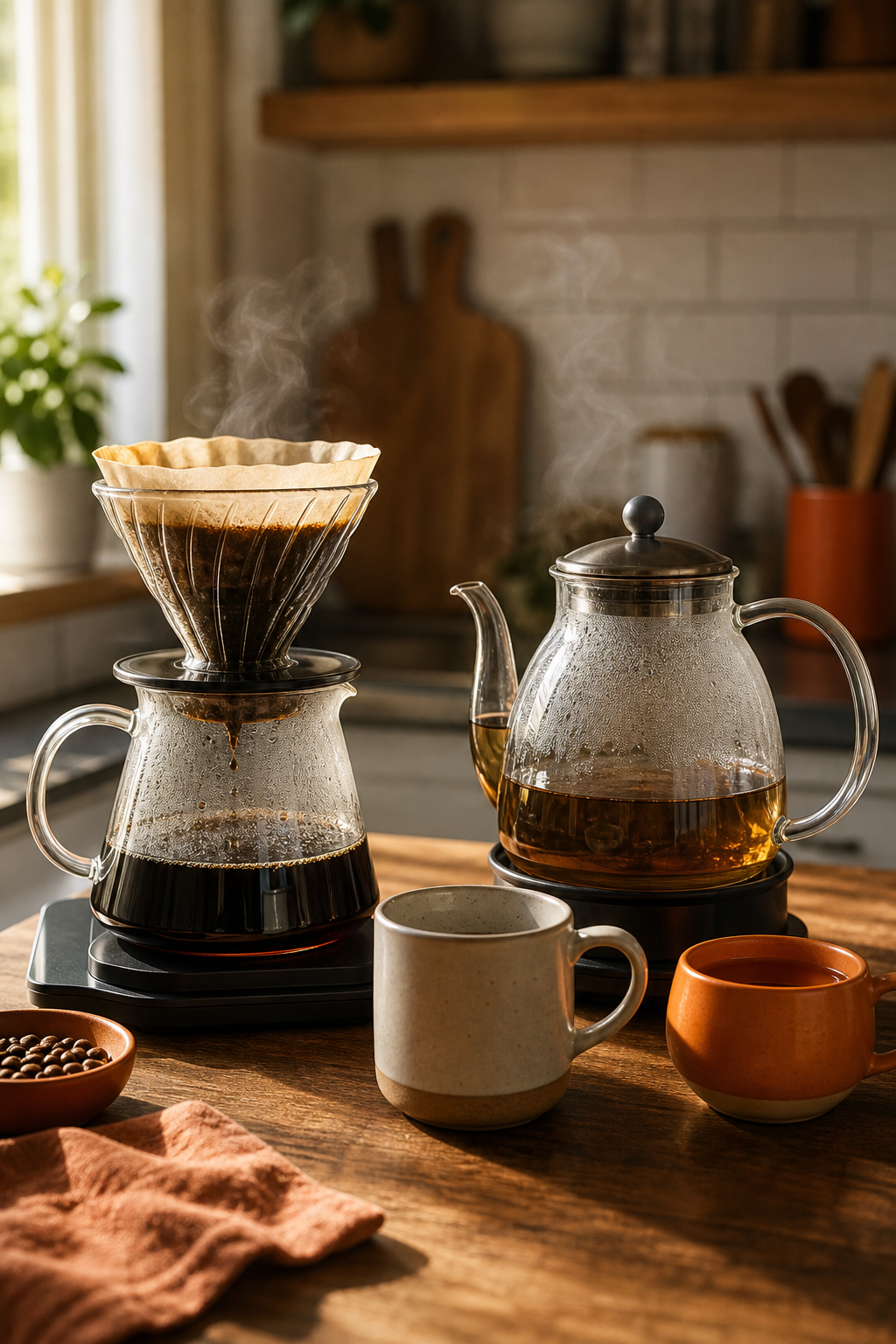
How you brew matters just as much as what you brew. Different methods extract different compounds, affecting flavor balance.
For coffee, the pour-over method (like V60 or Chemex) produces a clean, bright cup. That's ideal for light roasts and floral teas. French press gives a fuller body with more oils, great for dark roasts and earthy teas. Cold brew is smooth and low-acid, perfect for herbal or fruity teas. Espresso is concentrated, best for bold tea combos like chai.
to pour-over coffee, the key variables are grind size, water temperature, and pouring technique. A medium grind and water just off the boil (200°F) work for most. For tea, follow the specific steeping parameters: green tea at 175°F, black tea at 200°F, etc. If you're brewing the coffee and tea separately, you can control each precisely, then combine.
Alternatively, you can brew the two together. Place tea leaves and coffee grounds in the same French press. Pour hot water, steep, and press. This creates a true fusion. But be careful: tea leaves need less time than coffee. Over-steeping tea can make it bitter. A good compromise is to add the tea halfway through the coffee's steeping time.
For iced blends, cold brew your coffee overnight and steep your tea in cold water in the fridge. Mix concentrate with water or milk. This method is refreshing and avoids bitterness.
The table below summarizes which brew method works best for different blend goals:
Learning the method takes practice. Start with one method and stick with it until you're consistent. Then experiment.
Step 6: Pair Your Drinks with Complementary Foods
A great coffee-tea blend can be even better with the right food. The goal is to find flavors that enhance or contrast your drink.
From the research context, we know that the most common food pairing suggested for tea-heavy guides is dark meat , which is surprising. But for coffee-tea blends, you have more freedom.
- Fruity blends (light roast + green tea): Pair with citrus scones, fruit salad, or yogurt. The acidity matches.
- Spicy blends (espresso + chai): Works with nutty desserts like baklava or biscotti. Spices complement cinnamon and cardamom.
- Earthy blends (dark roast + pu-erh): Dark chocolate, roasted nuts, or aged cheese bring out the depth.
- Floral blends (medium roast + jasmine): Light pastries, shortbread, or honey-drizzled cheese.
- Herbal blends (cold brew + chamomile): Baked apples, oatmeal cookies, or a mild cheddar.
When tasting, take a sip of the drink first, then a bite of food, then another sip. Notice how the flavors change. The food can bring out hidden notes in your blend.
If you're hosting a tasting, offer small portions of a few different foods. Let guests experiment. The Florida Keys coffee flavor profile tasting guide suggests pairing with key lime or sea salt for a tropical vibe. You can adapt that to your coffee-tea blends.
Step 7: Evaluate Balance Using a Sensory Checklist
The final step is to evaluate your creation. Use your senses to decide if the blend is balanced. Here's a checklist you can use every time:
- Smell the aroma: Do you get both coffee and tea notes? Is one overpowering? A good blend should have a complex, inviting smell.
- Taste the first sip: Notice the initial flavor. Is it pleasant? Does it have clarity?
- Check the acidity: Is it too sour or too flat? Aim for a lively but not sharp acidity.
- Assess the bitterness: A little bitterness is fine. But if it lingers and is unpleasant, reduce the dark roast or steep time.
- Feel the body: Is it watery, creamy, or full? Adjust the ratio to get the mouthfeel you want.
- Consider the finish: Does the taste fade quickly or leave a bad aftertaste? A clean, pleasant finish is ideal.
- Balance overall: On a scale of 1 to 10, how well do the coffee and tea flavors integrate? If they clash, note why.
Keep a journal of your evaluations. Over time, you'll develop a personal preference profile. You might discover that you love high-acid blends with floral tea, or that you prefer bold, low-acid combos.
Remember, there's no right or wrong. It's about what you enjoy. But using a systematic approach helps you learn faster and replicate successes.
Frequently Asked Questions
Can you mix coffee and tea together?
Yes, you can mix coffee and tea. The key is to balance the flavors so neither overpowers the other. Start with a 50/50 ratio and adjust according to the strength of each base. Brew them separately and combine, or steep them together in a French press. Experiment with different combinations to find what you like.
What are the best coffee and tea combinations?
Classic combos include dirty chai (espresso + chai), Earl Grey and medium-roast coffee, and jasmine tea with light-roast coffee. Creative options include cold brew with mint tea, or dark roast with pu-erh. The best combo depends on your taste preferences. Try pairing complementary flavor families like nutty coffee with malty black tea.
How do I prevent bitterness when mixing coffee and tea?
Bitterness often comes from over-extraction. For coffee, use a medium grind and water between 195-205°F, and don't over-steep. For tea, follow the recommended steeping times (e.g., green tea 2-3 minutes, black tea 3-5 minutes). If you're brewing together, add the tea later to avoid over-steeping. You can also add a pinch of salt to reduce perceived bitterness.
What ratios should I use for coffee and tea blends?
Start with a 1:1 ratio. If the coffee is very bold (dark roast) and the tea is delicate (white or green), try a 70:30 coffee-to-tea ratio. If the coffee is light and the tea is strong (black or pu-erh), try 40:60. Adjust based on your taste. Write down your favorite ratios so you can recreate them.
Can I use tea bags instead of loose leaf for blending?
Yes, tea bags work fine. However, loose leaf tea often has better quality and more nuanced flavor. If using tea bags, check the steeping instructions to avoid bitterness. Some tea bags are dust-grade and extract quickly. For the best results, use high-quality loose leaf or specialty tea bags from trusted brands.
Does mixing coffee and tea affect caffeine content?
Yes, blending coffee and tea combines their caffeine. A standard 8 oz cup of coffee has about 95 mg of caffeine, while black tea has about 47 mg. If you mix 50/50, you'll get roughly 70 mg per 8 oz. If you're sensitive to caffeine, use decaf coffee or herbal tea, which is caffeine-free. Always consider total caffeine intake.
What brewing method is best for coffee and tea blends?
The best method depends on your desired flavor profile. For clarity, brew coffee via pour-over and tea separately, then mix. For a fuller body, use a French press and steep both together (add tea after 2 minutes). For smooth iced blends, cold brew the coffee and cold steep the tea. Aeropress works well for quick single servings.
How should I store leftover coffee-tea blend?
Store any leftover blend in an airtight container in the refrigerator for up to 24 hours. Shake or stir before serving, as separation can occur. For best flavor, consume fresh. Avoid reheating, as it can degrade the delicate tea flavors and increase bitterness. Instead, pour over ice for a refreshing iced version.
Conclusion
Blending coffee and tea is a creative journey. You start with understanding flavor families, choose your bases wisely, and then experiment with ratios and enhancements. The brewing method you choose can make or break the harmony. Food pairings can improve the experience. And a sensory checklist helps you refine your palate over time.
We hope this guide gives you the confidence to try your own combinations. Start simple , maybe a dirty chai or an iced coffee with mint tea. Keep notes. Share your creations with friends. And remember, the best blend is the one you love to drink.
If you're looking for high-quality coffee to start experimenting, explore Chilled Iguana Coffee Co.'s range of fresh-roasted beans. Their blends are designed with flavor in mind, from bright and fruity to deep and smoky. And don't forget to pick up some loose leaf tea, like their Earl Grey, for a classic combo. Happy blending!