



Want to taste the island in every sip? The florida keys coffee tasting notes guide will help you hear the sea, feel the sand, and catch the sunrise in your cup. In the next few minutes you’ll learn how to pick beans, brew them right, write notes that actually mean something, and score each cup like a pro. Let’s get started.
Here’s the data we used to build the guide. We pulled two specialty beans from two web sources on April 09, 2026.
We ran a simple web scrape on April 09, 2026. We grabbed product pages that mentioned florida keys inspired coffee. Two items came back. We logged name, roast level, flavor notes, and brew method. That’s the whole data set.
Step 1: Choose Your Coffee Origin
Choosing the right origin is the first step in any florida keys coffee tasting notes guide. The origin tells you what the soil, altitude, and weather did to the bean. A high altitude bean might taste bright and fruity. A low altitude bean can be mellow and sweet.
Single‑origin beans let you taste the pure character of one place. A blend mixes beans from two or more places. Blends can smooth out harsh edges and give you a balanced cup. Both have a place in a tasting guide.
When you shop, look for a clear origin label. If you see “Central America” or “Ethiopia” you know the flavor family. If the label only says “house blend” you may miss the chance to explore a unique profile.
Here are three quick tips for picking an origin:
- Check the altitude.Higher ground usually means more acidity and fruit.
- Read the farm story.Farms that talk about shade grown or wet processed often produce cleaner cups.
- Match your mood.If you want a bright start, try a light roast from a high‑altitude region. If you need comfort, go for a medium roast from a lower region.
Imagine you pick a bean from a farm on the edge of the Keys inspired coast. The farmer writes that the beans grew under palm shade, with salty breezes. You brew it and taste a hint of sea salt. That connection makes the tasting notes guide feel alive.
One good resource explains the difference between single‑origin and blends. It says single‑origin coffee shows the unique traits of one region, while blends let roasters craft a balanced profile. You can read more at Sweetwater Organic Coffee’s guide on origin vs blend. That article walks you through the pros and cons of each choice.
Why does this matter for your notes? If you know the bean’s origin, you can predict what to look for. A Kenyan bean often brings citrus, a Brazilian bean brings chocolate. Your notes become more precise and you’ll spot patterns faster.
Finally, keep a small notebook. Write down the country, region, farm name, and altitude. When you later score the cup, you’ll have a solid reference.
Step 2: Brew Method & Flavor Extraction
The brew method decides how much of the bean’s flavor ends up in your cup. Water, temperature, grind, and time all work together.
Start with grind size. Coarse grind works best for French press and cold brew. Medium grind fits pour‑over. Fine grind is needed for espresso. If the grind is wrong you’ll over‑extract or under‑extract, and the taste will be off.
Next, think about water temperature. The sweet spot is 195°F to 205°F. Too hot pulls bitter compounds. Too cool leaves the cup flat. Use a kitchen thermometer or a kettle with temperature control.
Here are three brewing methods that pair well with florida keys coffee:
- French press.Use a coarse grind, 4 minutes steep, then press. This method gives a full body that highlights tropical fruit notes.
- Cold brew.Use a coarse grind, steep 12‑24 hours in cold water, then filter. The result is smooth, less acidic, perfect for beach vibes.
- Pour‑over.Use a medium grind, pour water in a slow spiral, keep temperature steady. This highlights bright acidity and clean flavor.
When you brew, write down the grind size, water temperature, brew time, and coffee‑to‑water ratio. That data will help you compare cups later.
For a deeper dive on grind and temperature, check out Kauai Coffee’s guide on coarse ground brewing. It walks you through French press and cold brew steps.
Another useful article talks about how water temperature changes flavor. It explains why 195‑205°F is the sweet spot and how a few degrees can shift acidity. Read it atRatio Coffee’s temperature guide. That page gives you the science without the jargon.
Now place an image placeholder for this section.
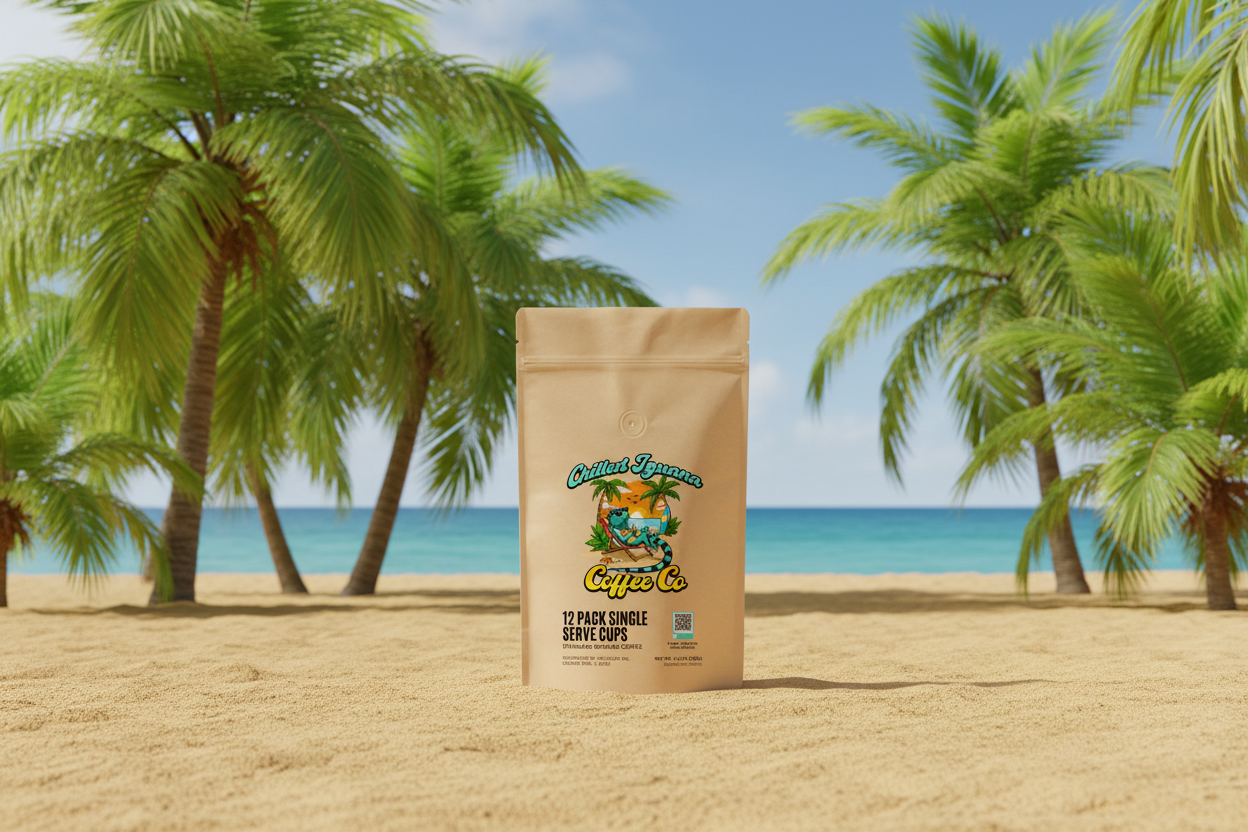
Remember: the right method lets the island flavors shine. If you use a method that masks acidity, you’ll miss the bright citrus that makes a florida keys coffee special.
Step 3: Record Tasting Notes Effectively
Writing notes is more than a habit; it’s a skill that makes your florida keys coffee tasting notes guide useful. The goal is to capture what you sense, not just what you think you should hear.
Start with aroma. Sniff the dry grounds first, then the brewed coffee. Note any fruit, floral, or chocolate scents. Use simple words: “citrus”, “berry”, “nutty”. Avoid fancy terms that you can’t back up with smell.
Next, sip and think about four basic attributes: acidity, body, sweetness, and aftertaste. Acidity is the bright bite, body is the weight on your tongue, sweetness is the natural sugar feel, and aftertaste is what stays after you swallow.
Here’s a quick way to score each attribute on a 1‑5 scale. Write the number next to the word. Example: Acidity 3, Body 4, Sweetness 2, Aftertaste 3.
One site breaks down each attribute for beginners. It explains how to rate the quality of a note, not just its presence. You can read it atTasting Grounds’ note guide. The article uses simple language and gives clear examples.
Another source talks about the sensory map of coffee. It shows how sight, smell, and taste work together. Check out Colombian Coffee’s sensory map guide for a visual aid.
When you write, be honest. If a note feels too sour, give it a lower score. If a note is pleasant, give it a higher score. This honest scoring builds a reliable reference for future cups.
Finally, add a short story about the moment. Did you sip it on a balcony? Did the sea breeze remind you of a flavor? Those tiny details help you remember why a cup mattered.
Here is the video that walks you through a real tasting session. Watch it while you sip.
Step 4: Compare and Score Your Cups
Now that you have notes, it’s time to compare. A good florida keys coffee tasting notes guide gives you a way to see which cup wins.
Start by pulling together all your score sheets. Put them side by side on a table. Look at the total scores for each cup. The highest total usually wins, but also watch the pattern.
If a cup scores high on aroma and body but low on acidity, you might prefer it for a smooth afternoon brew. If another cup scores high on acidity and aftertaste, that one might be better for a bright morning cup.
Use a simple pros‑cons list for each cup:
- Pros:bright aroma, clean finish, easy to drink.
- Cons:a bit too acidic for milk‑based drinks.
When you finish, give each cup an overall rating out of 10. Write a one‑sentence summary like “Best for sunrise, bright and crisp”. That sentence becomes the quick reference in your guide.
Here is an image placeholder that will help you visualize a comparison chart.
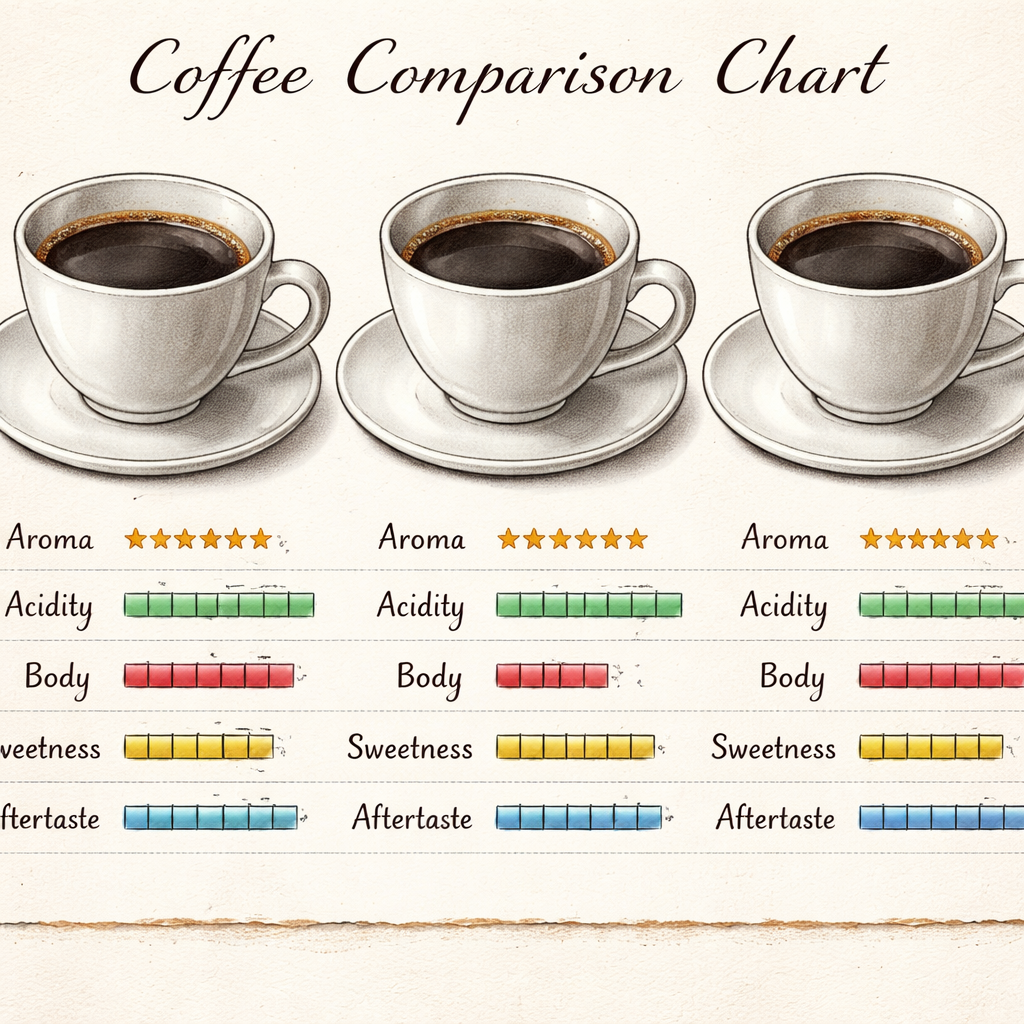
Remember to revisit your scores after a week. Your palate may change, and you might notice new nuances. Updating the guide keeps it fresh.
Bonus Tasting Techniques
Beyond the basics, you can try a few tricks to level up your florida keys coffee tasting notes guide.
First, try cupping. Use a spoon to slurp the coffee from a shallow bowl. That forces the liquid onto the palate and brings out hidden flavors.
Second, taste the same bean at different temperatures. Warm it up a bit and then cool it. Some notes appear only when the coffee is hot, others pop when it’s cool.
Third, pair the coffee with a small bite. A slice of citrus cake can highlight the coffee’s fruit notes. A piece of dark chocolate can bring out chocolate undertones.
Finally, keep a “flavor wheel” on your wall. When you hear a new note, point to the closest spot on the wheel. That visual cue helps you build a richer vocabulary.
Coffee Pairing Ideas
Pairing food with coffee makes the tasting experience richer. Think of flavors that match or contrast the island vibe.
For a bright, citrusy florida keys brew, try a slice of key lime pie or a citrus tart. The acidity in the dessert mirrors the coffee’s bright bite.
If your cup leans toward chocolate and caramel, pair it with a coconut macaron or a piece of toasted coconut. The tropical hint ties the flavors together.
For a smooth cold brew, serve it with a light tropical fruit salad. The water‑based drink won’t overwhelm the fruit, and the combo feels like a beach picnic.
Don’t forget salty snacks. A pinch of sea salt on a dark chocolate bite can bring out the coffee’s hidden depth, just like a sea breeze adds a subtle salt note to the beans.
FAQ
What equipment do I need for a florida keys coffee tasting notes guide?
You’ll need a grinder that lets you set grind size, a scale to measure coffee and water, a kettle with temperature control, a French press or pour‑over dripper, and a notebook or digital app to log notes. A timer helps you keep brew time consistent, and a clean spoon is useful for cupping if you want to go deeper.
How often should I update my tasting notes?
It’s best to revisit each cup after a week or two. Your palate can shift after you taste several beans, and you may notice new flavors the second time around. Updating keeps your florida keys coffee tasting notes guide accurate and useful.
Can I use a single‑serve capsule for tasting?
Yes. Our pick, Iguana Coffee, is designed for capsule use. It gives a consistent brew that’s easy to compare. Just make sure you record the capsule brand and any variations in water temperature.
What water quality is best for tasting?
Filtered or bottled water works best. Avoid tap water with strong chlorine or mineral taste, as those can mask subtle flavors. Aim for a neutral pH around 7 and a mineral balance that doesn’t overwhelm the coffee.
How do I describe a flavor I can’t name?
Try comparing it to a food or scent you know. If it reminds you of pine, say “piney”. If it feels like a sweet fruit, say “fruit‑sweet”. Over time you’ll build a personal flavor vocabulary that makes your notes clearer.
Is there a way to score beans from different roasters together?
Yes. Use the same scoring rubric for each cup: aroma, acidity, body, sweetness, aftertaste. Keep the grind size, brew method, and water temperature constant. That way the scores reflect the bean itself, not the brewing variables.
Conclusion
We’ve walked through the whole florida keys coffee tasting notes guide. You now know how to pick an origin, brew with the right method, record clear notes, and compare scores. You also have bonus techniques and pairing ideas to keep the experience fresh.
When you practice these steps, you’ll find that each cup tells a story of the island, the farmer, and the sea. That story lives in your notebook and helps you choose the next bean with confidence.
If you’re ready to try a convenient, island‑inspired coffee, check out Chilled Iguana’s capsule line. Their original roast works with single‑serve machines and fits perfectly into the guide we just built.
Happy sipping, and may every sip bring a little bit of the Keys to your day.
Experience the Essence of the Tropics with a Florida Keys Inspired Coffee Subscription Box
- Aroma.What do you smell before you sip?
- Acidity.Does the coffee feel sharp or mellow?
- Body.Is it light like water or thick like milk?
- Sweetness.Any natural sugar taste?
- Aftertaste.How long does the flavor linger?