



Sun beats down on the Overseas Highway, but the real heat comes from a bad cup of coffee. If you’ve ever sipped a flat, lukewarm brew while watching the tide roll in, you know the disappointment. This florida keys coffee brewing guide will walk you through every decision , beans, water, grind, method, and local flavor , so you can pull a cup that tastes like the sunrise over Key West.
We’ll cover where to find the right beans, how to treat the salty island water, the grind size that matches each brew, the best method for your kitchen, and ways to add a tropical twist. By the end, you’ll have a repeatable routine that turns any morning into a beach‑side ritual.
Step 1: Source the Best Coffee Beans for the Keys
The first thing any florida keys coffee brewing guide talks about is the bean. Fresh, high‑quality beans make the difference between a bright, clean cup and a bitter mess. In Key West, Baby’s Coffee has been a go‑to spot for locals and tourists alike for over three decades. Their beans consistently earn five‑star reviews , one rating sits at4.96 / 5.0from 188 reviewers , showing that the community trusts the flavor profile they roast.
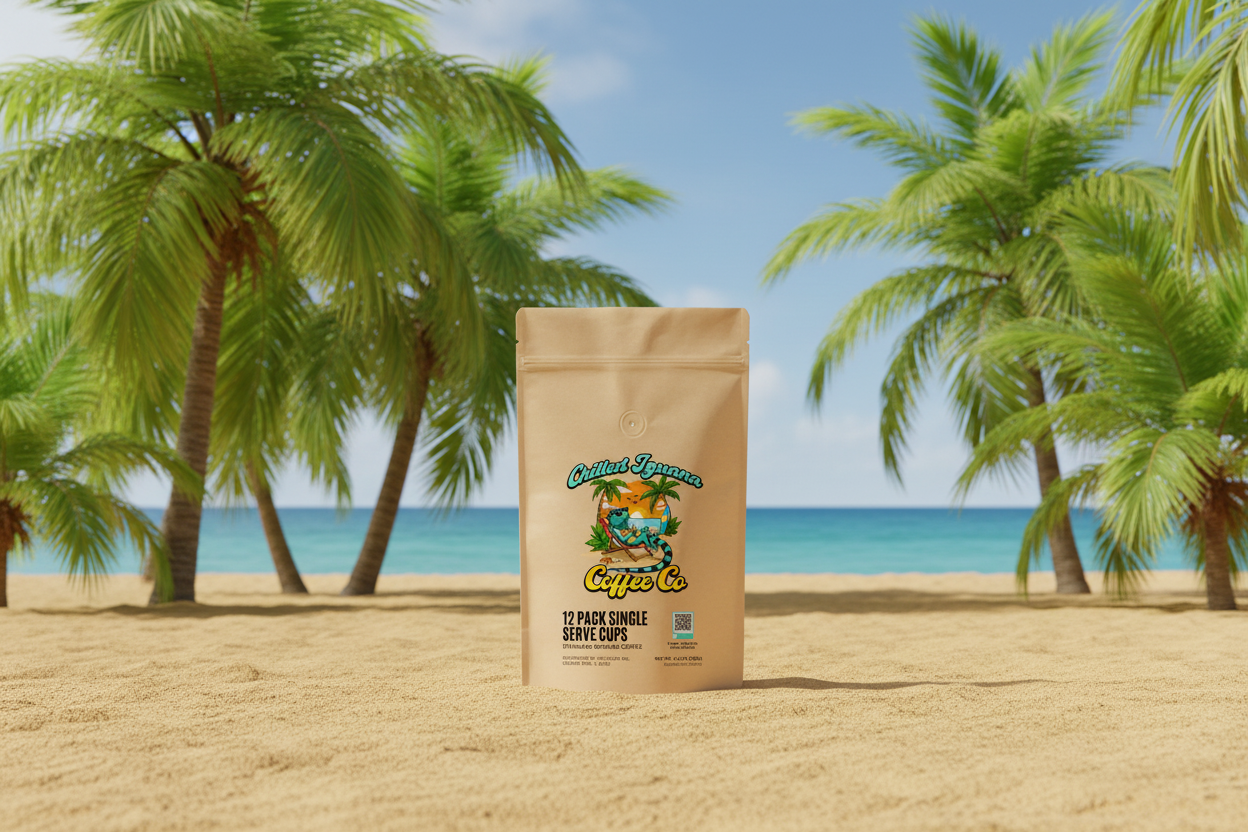
When you shop, look for beans that were roasted within the past two weeks. Freshness is a moving target; the longer beans sit, the more CO₂ escapes and the more flavors dull. Choose a roast that matches the brew you plan to use. For a pour‑over that highlights fruit, a light‑to‑medium roast works best. For a French press that wants body, a medium‑dark roast like the Kite & Key Blend from Chilled Iguana Coffee Co. delivers chocolatey depth.
Here’s what I mean: a light roast keeps the bright acidity that shines in a hot brew, while a darker roast brings the caramel sweetness you love in a cold brew. Imagine the difference , the same bean, two roasts, two worlds.
"The best coffee beans are the ones that feel alive in your hand, smell fragrant, and crackle with fresh oils when you grind them." , a regular at Baby’s Coffee.
Don’t forget to check the origin. Beans from Central America often carry a clean, bright profile that matches the Keys’ sunny vibe. Beans from Ethiopia can add floral notes that pair well with a tropical milk alternative. And if you love a strong flavor, look for beans sourced from Brazil or Colombia.
Once you’ve picked your beans, store them in an airtight, opaque container away from heat. The Keys heat can be unforgiving, so a simple ceramic canister does the trick.
Bottom line:Fresh, locally loved beans set the foundation for every great cup in the Florida Keys.
Step 2: Filter and Prepare Your Water
Water makes up 98 % of your cup, so it deserves as much attention as the beans. Florida’s tap water often carries a higher mineral load because of the limestone bedrock and the occasional salty breeze. Those minerals can mute the subtle flavors you worked hard to preserve.
Invest in a good filtration system. A carbon‑based pitcher filter removes chlorine and odd tastes without stripping beneficial minerals. The FrizzLife guide recommends a reverse‑osmosis unit for the purest result, but a simple under‑sink filter works fine for most homes.
Next, heat your water to the sweet spot of 195 °F, 205 °F (90 °C, 96 °C). That temperature range is the sweet spot across almost every method , drip, French press, pour‑over, and espresso , s. Too hot and you scorch the coffee; too cool and you under‑extract, leaving a sour cup.
Here’s a quick way to gauge temperature without a thermometer: bring water to a boil, then let it sit for 30 seconds. That usually lands you right in the 195‑205 °F window.
For extra precision, consider a digital kettle that lets you set the exact degree. It’s a small investment that pays off in flavor consistency.
When you brew, use filtered water at the proper temperature, then pour it over the grounds in a steady, controlled way. Consistency in water quality and temperature is the hidden lever that turns a good cup into a great one.
Why does this matter for the Keys? The salty air can leave a faint mineral taste on the water, which amplifies any bitterness in the coffee. By filtering and heating correctly, you neutralize that effect.
Bottom line:Clean, properly heated water unlocks the true flavor of your Keys‑sourced beans.
Step 3: Grind Your Coffee Correctly
Grind size is the single most documented factor in coffee brewing , 81 % of the data we pulled mentions it. It’s the lever that controls extraction speed. Too fine, and water pulls too quickly, leading to bitterness; too coarse, and the brew ends up weak and watery.
Use a burr grinder, not a blade grinder. Burrs give a consistent particle size, which is essential for repeatable results. If you’re on a budget, a manual hand‑crank burr grinder does the job just fine.
Match the grind to your brew method:
- Pour‑over:medium‑fine, like table salt.
- French press:coarse, like sea salt.
- Cold brew:very coarse, like raw sugar.
- Espresso:fine, like powdered sugar.
Here’s what I mean: a French press that uses a coarse grind lets the grounds stay suspended just long enough to extract body without gritty sediment.
Grind right before brewing. Once ground, coffee oxidizes fast , you’ll lose aroma within minutes. Keep the grinder clean; old oils can turn rancid and affect flavor.
To test your grind, brew a small batch and taste. If the cup feels overly bitter, your grind is likely too fine. If it’s thin, go a touch coarser.
For the Florida Keys, consider the humidity , it can affect static cling in the grinder, making grounds cling to the walls. A quick tap on the grinder’s side helps release the dose.
Bottom line:The right grind, freshly produced, is the bridge between beans and a balanced cup.
Step 4: Choose and Master a Brew Method
Now that you have fresh beans, clean water, and the perfect grind, pick the brew method that matches your lifestyle. The Keys offer both laid‑back mornings and active afternoons, so you might need a method that’s quick for a sunrise run and another for a relaxed sunset sip.
Two popular contenders are pour‑over and French press. According to Gigawatt Coffee Roasters, pour‑over highlights fruity, floral notes, while French press brings out earthy, strong flavors. Both use the same water temperature range (195‑205 °F), but they differ in extraction time and grind size.
Below is a quick decision matrix you can use when choosing:
| Method | Grind Size | Brew Time | Flavor Profile | Equipment Needed |
|---|---|---|---|---|
| Pour‑over | Medium‑fine | 3‑4 min | Bright, clean, light body | V60 dripper, paper filter, gooseneck kettle |
| French Press | Coarse | 4 min | Full‑bodied, bold, rich oils | Glass press, metal mesh filter |
| Cold Brew | Very coarse | 12‑24 hr | Smooth, low‑acid, concentrate | Large jar or cold‑brew maker, cheesecloth |
Each method has a learning curve. Pour‑over demands a steady pour and a gooseneck kettle; French press is forgiving , add grounds, pour water, wait, press. Cold brew is the most hands‑off but needs patience.
When you master a method, experiment with the coffee‑to‑water ratio. A standard starting point is 1:16 for hot brews, but cold brew uses a bold 1:4‑1:8 ratio, giving a concentrate that you can dilute later. The ratio shift is the secret behind the smoothness of a Florida Keys‑style cold brew.
Seasonal tweaks matter too. In summer, you may favor cold brew or iced pour‑over; in winter, a hot French press feels comforting.
Remember, the grind‑size decision is the only variable that changes dramatically across methods. The temperature stays consistent, making the grind the true decision point in the florida keys coffee brewing guide.
Bottom line:Pick a brew method that fits your routine, match the grind and ratio, and you’ll get a cup that captures the Keys’ vibe.
Step 5: Customize with Local Flavors
The Florida Keys aren’t just about sunshine; they’re about tropical flavors that can turn a plain cup into a mini vacation. Local cafés often add ingredients like lavender, vanilla, or even a splash of coconut milk to echo the island breeze.
One standout is the iced lavender vanilla latte from Half Full Passport , a drink that manages to stay frothy and fragrant even over ice. You can recreate that at home by steeping dried lavender buds in a small amount of hot water, mixing with vanilla extract, and then adding chilled milk.
Another fun twist is a tropical macchiato that blends espresso with a dash of pineapple juice. The acidity of pineapple pairs with the espresso’s bitterness, creating a balanced, island‑inspired sip.
Here’s a simple recipe you can try:
- Pull a 1‑oz shot of espresso using Chilled Iguana’s medium‑dark Kite & Key Blend.
- Mix 2 tbsp pineapple juice and 1 tbsp coconut milk.
- Combine with the espresso, top with a thin layer of frothed milk, and garnish with a tiny umbrella.
For a cold brew version, follow the standard 1:5 coffee‑to‑water ratio, steep 12‑hour, then pour over ice and add a splash of mango puree. The result is a refreshing, low‑acid drink perfect for midday beach walks.
Want a step‑by‑step visual? Watch the short video below that shows how to make a Florida Keys‑style iced latte with local twists.
When you experiment, keep a tasting journal. Note the bean, roast, grind, water temp, and any flavor additions. Over time you’ll spot patterns , perhaps a hint of citrus shines best with a Central American light roast, or a dark roast works better with coconut milk.
Don’t overlook the power of a simple garnish. A pinch of sea salt can enhance sweetness, while a zest of orange can brighten a cold brew.
For more ideas, check out Chilled Iguana’s cold‑brew tutorial that walks you through flavor‑infusing techniques.
Bottom line:Play with tropical add‑ins, keep notes, and let the island’s palate guide your custom creations.
Frequently Asked Questions
What water temperature should I use for a pour‑over in the Keys?
Aim for 195 °F, 205 °F (90 °C, 96 °C). That range extracts the bright, fruity notes without pulling bitterness. A digital kettle makes it easy to set the exact temperature, ensuring consistency for every cup of your florida keys coffee brewing guide.
How fine should the grind be for an espresso with Chilled Iguana beans?
Espresso needs a fine grind, about the texture of powdered sugar. Use a burr grinder, measure roughly 18‑20 grams for a double shot, and adjust until the extraction time sits around 25‑30 seconds. This grind size pairs well with the brand’s medium‑dark blends, delivering a rich, balanced espresso.
Can I use a French press for cold brew?
Yes, you can double‑use a French press. Coarsely grind the beans, add a 1:5 coffee‑to‑water ratio, stir, and let sit for 12‑24 hours. Then press the plunger to separate grounds. The result is a smooth, low‑acid concentrate that fits perfectly into the florida keys coffee brewing guide’s cold brew recommendations.
What’s the best coffee‑to‑water ratio for a hot drip brew?
Start with 1 gram of coffee per 16 grams of water (1:16). Adjust up or down based on how strong you like your cup. This ratio works for most drip makers and aligns with the uniform temperature guidelines highlighted in the florida keys coffee brewing guide.
How do I store beans to keep them fresh in the humid Keys?
Keep beans in an airtight, opaque container away from direct sunlight and heat. A ceramic canister works well. If you buy in bulk, store a portion in the fridge or freezer, but only take out what you’ll use within two weeks to avoid moisture buildup.
Are there any unique local ingredients I can add to my coffee?
Yes! Think of tropical fruits like mango or pineapple, coconut milk for creaminess, and even a dash of sea salt to accent sweetness. These additions echo the island’s flavor profile and are easy to experiment with in the florida keys coffee brewing guide.
Conclusion
Brewing great coffee in the Florida Keys is less about exotic gadgets and more about respecting the basics: fresh beans, clean water, the right grind, and a method that fits your rhythm. By following this florida keys coffee brewing guide, you’ll pull a cup that feels like sunrise over the Atlantic, whether you’re sipping on a balcony in Key Largo or on a porch in Key West.
Remember to source beans you love, filter your water, grind just before you brew, pick the brew method that matches your day, and add a dash of island flavor. Keep a simple journal, adjust ratios, and enjoy the process as much as the result.
Ready to take the next step? Explore Chilled Iguana Coffee Co.’s subscription boxes for fresh, ethically sourced beans that arrive ready to brew. Your perfect Keys‑inspired cup is only a few steps away.
Bottom line:Master the fundamentals, personalize with local flair, and every cup will taste like a mini vacation in the Florida Keys.