



Hey coffee explorers! If you’ve ever sipped a sunrise‑bright brew on a Keys balcony and wondered what makes that flavor pop, you’re in the right spot. In this florida keys coffee blend tasting guide you’ll learn how to taste, note, and pair the unique blends that capture the island vibe. Grab your favorite mug, because we’re about to walk you through every step, from the beans’ story to the perfect cocktail match.
Step 1: Understand What Makes Florida Keys Coffee Unique
First, let’s talk about why Florida Keys coffee feels different from a plain cup of joe. The Keys aren’t a coffee‑growing region, but the islands have a long love affair with Cuban‑style coffee. Cuban coffee adds sugar before the brew, giving it a sweet, rich kick that locals call “buchi.” According to Keys Coffee Co., demerara sugar is folded into the espresso, creating that signature caramel‑like taste. That sweet base is the canvas for any blend you’ll taste later.
Another quirk is the local culture of sharing a “colada” , a big pot of espresso served in a styrofoam cup with smaller glasses for friends. It means the coffee is meant to be enjoyed with conversation, so you’ll often taste a stronger, more concentrated brew.
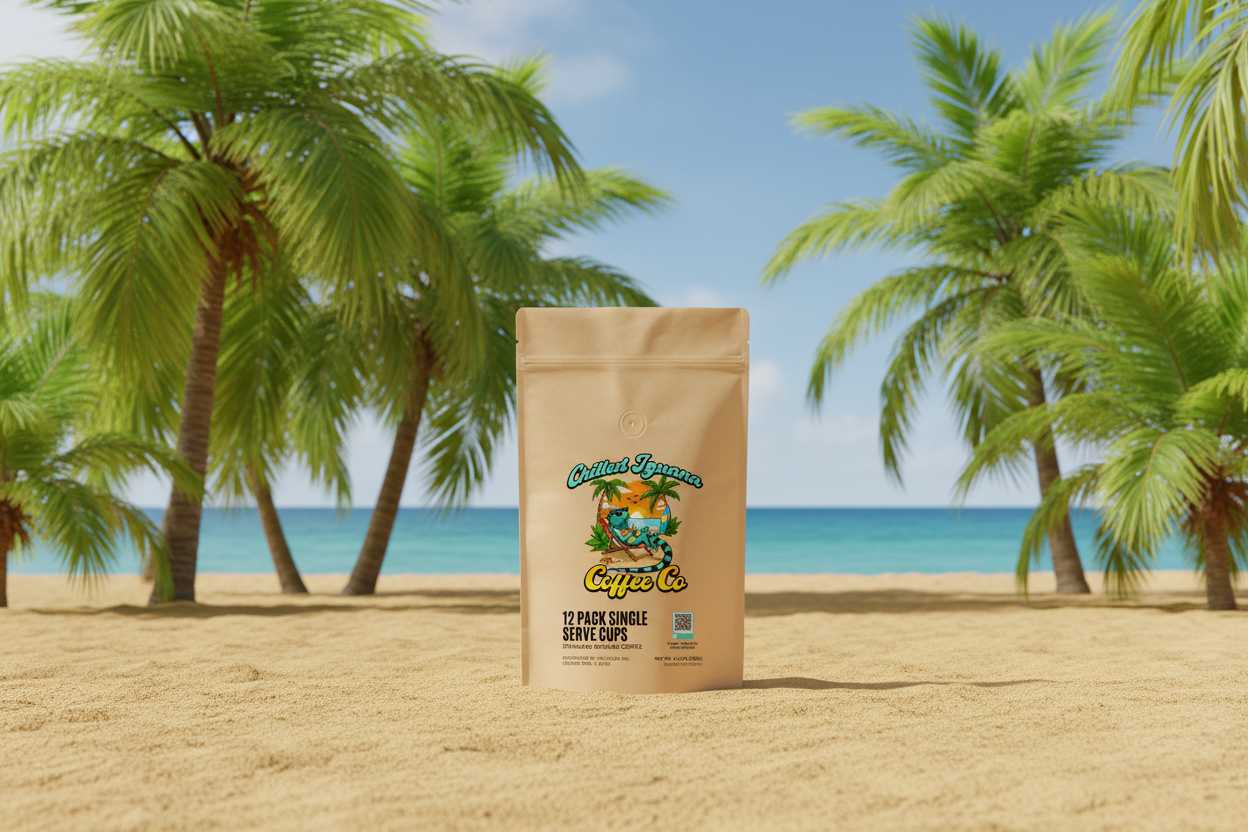
When you look at the market, you’ll notice a data gap: most local brands, like Chilled Iguana Coffee Co., don’t list origin, roast level, or price online. The only blend with clear notes is Roastmaster’s Blend, which boasts citrus acidity, a spicy body, and chocolatey sweetness (Lucky Goat Coffee). That tells us the local market leans on reputation rather than detailed specs.
"Citrus acidity, spicy body, chocolatey sweetness" , the only official tasting note we can find for a Florida Keys blend.
Bottom line:The Keys give you a sweet, bold base to build flavor notes on, whether the roaster shares the data or not.
Step 2: Gather Your Tasting Toolkit
Before you sip, you need a simple set of tools that let you hear the coffee’s true voice. Here’s what you’ll need:
- A scale that measures grams , accuracy matters for the coffee‑to‑water ratio.
- A grinder that can give a medium‑coarse grind (think sea‑salt texture).
- A kettle that lets you set temperature between 195‑205°F (90‑96°C).
- A cupping bowl or any wide‑rimmed cup where you can see the coffee’s crust.
- A spoon for breaking the crust and a notebook for notes.
Water temperature is the biggest hidden factor. Breville’s guide says staying in the 195‑205°F window extracts the sweet spot without pulling out bitter compounds. If you brew too hot, you’ll mask the subtle citrus that Roastmaster’s Blend promises.
Don’t forget a clean, filtered water source. Bad water will hide the bright notes you’re hunting for.
Bottom line:With the right tools, you’ll hear the coffee’s story instead of guessing.
Step 3: Execute a Systematic Tasting Process
Now that you have the gear, it’s time to run a cupping. The process is simple, but you need to stay organized.
1. Measure 10 g of beans and grind them fresh to a medium texture.
2. Place the grounds in a cupping bowl and pour 180 ml of hot water (195‑205°F).
3. Start a timer for four minutes.
4. After four minutes, break the crust with a spoon, sniff the released aroma, and note what you smell.
5. Scrape off the remaining foam, then slurp the coffee from the side of the spoon. Slurping spreads the brew over your palate, letting you catch every flavor.
While you sip, jot down the classic cupping categories: fragrance, aroma, acidity, body, balance, sweetness, and overall flavor. Methodical Coffee’s step‑by‑step guide walks through each step in detail, so you can refer back if you get stuck.
Bottom line:Follow the same timing and steps each time and you’ll build a reliable flavor memory.
Step 4: Identify and Describe Flavor Notes
With the coffee in front of you, it’s time to name what you taste. Coffee tasting uses a flavor wheel that splits notes into fruit, nut, chocolate, spice, and more. Wikipedia’s coffee tasting page shows a classic wheel you can print out and keep beside your notebook.
Start with the basics:
- Fruity:Think citrus, berries, stone fruit.
- Nutty/Chocolate:Almond, hazelnut, milk chocolate, dark chocolate.
- Spice:Cinnamon, clove, pepper.
- Floral:Jasmine, lavender.
Roastmaster’s Blend, for example, hits citrus acidity (think lemon zest), a spicy body (a warm pepper note), and chocolatey sweetness (like milk chocolate). When you taste a local blend, try to match each sensation to a word on the wheel. If you’re stuck, compare it to a known reference , a slice of key lime pie for citrus, a piece of dark chocolate for bitterness, or a pinch of ground cinnamon for spice.
Bottom line:Naming the notes lets you build a personal coffee lexicon and compare blends with confidence.
Step 5: Pair Your Coffee with Local Foods and Cocktails
Florida Keys coffee shines when you pair it with the islands’ iconic eats. The sweet, bright side of a citrus‑forward blend matches the tang of key lime pie perfectly. A richer, chocolate‑spiced blend can stand up to conch fritters or a grilled mahi‑mahi sandwich.
Here’s a quick pairing cheat sheet:
- Key Lime Pie + Citrus‑bright blend:The pie’s tartness mirrors the coffee’s lemon notes, creating a balanced finish.
- Conch Fritters + Spicy body blend:The fritters’ salty crunch lets the coffee’s peppery warmth shine.
- Cuban sandwich + Chocolatey sweet blend:The pork, pickles, and mustard bring depth that meets the coffee’s chocolate richness.
And for cocktail lovers, try a “Keys Coffee Old‑Fashioned.” Mix 1 oz of cold‑brew concentrate (from a medium roast), ½ oz simple syrup, a dash of orange bitters, and 2 oz bourbon. Stir over ice, garnish with an orange twist. The orange echo pulls out the citrus in the coffee while the bourbon adds a smooth finish.
Want more ideas? Experience the Essence of the Tropics with a Florida Keys Inspired Coffee Subscription Box offers recipe cards that pair each blend with local dishes.
Bottom line:Matching the coffee’s flavor profile to local foods and cocktails amplifies both taste worlds.
Step 6: Find and Source the Best Beans
Now that you know how to taste, you need a reliable source for the beans. The Florida Keys market is thin , many roasters ship nationwide. One small‑batch roaster that serves the Keys is Key Largo Joe. Their website lists a simple pick‑up and delivery service Key Largo Joe Coffee. While they don’t list detailed flavor notes, they focus on fresh, small‑batch roasting, which means the beans retain their natural aromas.
When you shop, look for these freshness indicators:
- Roast date printed on the bag (ideally within two weeks).
- One‑way valve bags that keep oxygen out.
- Small batch size (under 200 lb per roast) , less time on the shelf.
Here’s a quick comparison of three places you can grab a Florida Keys‑style blend:
Because many local blends skip the origin info, you can call the roaster and ask directly. A quick email asking “What farm does this bean come from?” often gets a reply with the missing data.
Bottom line:Choose roasters that prioritize small‑batch freshness and aren’t shy about sharing origin details.
Frequently Asked Questions
What water temperature should I use for the florida keys coffee blend tasting guide?
Aim for 195‑205°F (90‑96°C). This range extracts the bright citrus and subtle spice without pulling out bitter compounds. If you’re using a kettle with temperature control, set it at 200°F for most blends. Adjust a few degrees up or down based on roast darkness , lighter roasts like those in the Keys often need the higher end.
Do I need a special grinder for the florida keys coffee blend tasting guide?
A burr grinder works best because it gives a consistent medium‑coarse grind, similar to table salt. Blade grinders create uneven particles that can lead to over‑ or under‑extraction, masking the delicate flavor notes you’re trying to catch. If you only have a blade grinder, pulse in short bursts and sift out the large chunks.
Can I use a French press for a florida keys coffee blend tasting guide?
Yes, a French press is a great way to capture body and sweetness. Use a 1:15 coffee‑to‑water ratio, steep for four minutes, then press slowly. The immersion method brings out the smooth, chocolatey side of a blend while still letting the citrus shine.
How do I record my tasting notes for the florida keys coffee blend tasting guide?
Grab a notebook or use a digital note app. Write the date, brew method, water temperature, and ratio first. Then list the five cupping categories: fragrance, aroma, acidity, body, flavor. Add a quick rating (1‑5) for each. Over time you’ll see patterns , maybe you prefer a spicier body in the morning and a sweeter finish after dinner.
Are there any health benefits to drinking florida keys coffee blends?
Coffee provides antioxidants that can support heart health and improve focus. The added sugar in Cuban‑style blends adds calories, so enjoy them in moderation if you watch your intake. Pairing with a balanced breakfast like eggs and fruit keeps the caffeine boost steady.
Where can I buy authentic florida keys coffee blends online?
Look for roasters that ship directly from the US and list a roast date. Roastmaster’s Blend is sold through luckygoatcoffee.com, and Key Largo Joe offers a small‑batch island blend on their site. Chilled Iguana Coffee Co. also ships worldwide, though they currently list fewer tasting details.
Conclusion
The florida keys coffee blend tasting guide shows you that a great cup starts with history, moves through precise tools, and ends with thoughtful pairing. By understanding the Cuban‑style sweetness, gathering the right gear, following a repeatable cupping routine, naming the flavors, matching them to local foods, and sourcing fresh beans, you’ll turn every sip into a mini‑vacation on the Keys. Keep a notebook, experiment with temperature, and don’t be shy about reaching out to roasters for missing details. When you master this process, you’ll taste coffee like a true Keys native, no matter where you brew.
Ready for more coffee adventures? on coffee subscription boxes to keep fresh, island‑inspired beans arriving at your door every month.