



Florida Keys coffee isn’t just a drink , it’s a slice of island life in a cup. You’ll taste the sea breeze, the sun‑warmed sand, and the legacy of generations of roasters. In this guide you’ll discover where the beans come from, which farms shape the flavor, and how the beans are turned into the smooth brew you love.
We’ll walk you through three steps: the historic roots, the key growing spots, and the processing tricks that give each sip its character. By the end you’ll know how to spot true Keys‑inspired coffee and why it tastes the way it does.
Step 1: Trace the Historical Roots of Florida Keys Coffee
The coffee story in the Keys starts far away , on distant farms in Kenya, Peru, and Bali. Those beans travel in big jute bags to Florida’s docks, where local roasters turn them into the island’s signature cup.
Florida has been roasting for more than a century. The first big plant was Maxwell House on the Jacksonville docks, followed by Cuban‑favored brands like Tampa’s Naviera Coffee Mills and Miami’s Bustelo. In the 1980s Barnie’s Coffee and Tea sparked a modern coffee wave in Orlando, eventually expanding to dozens of stores.
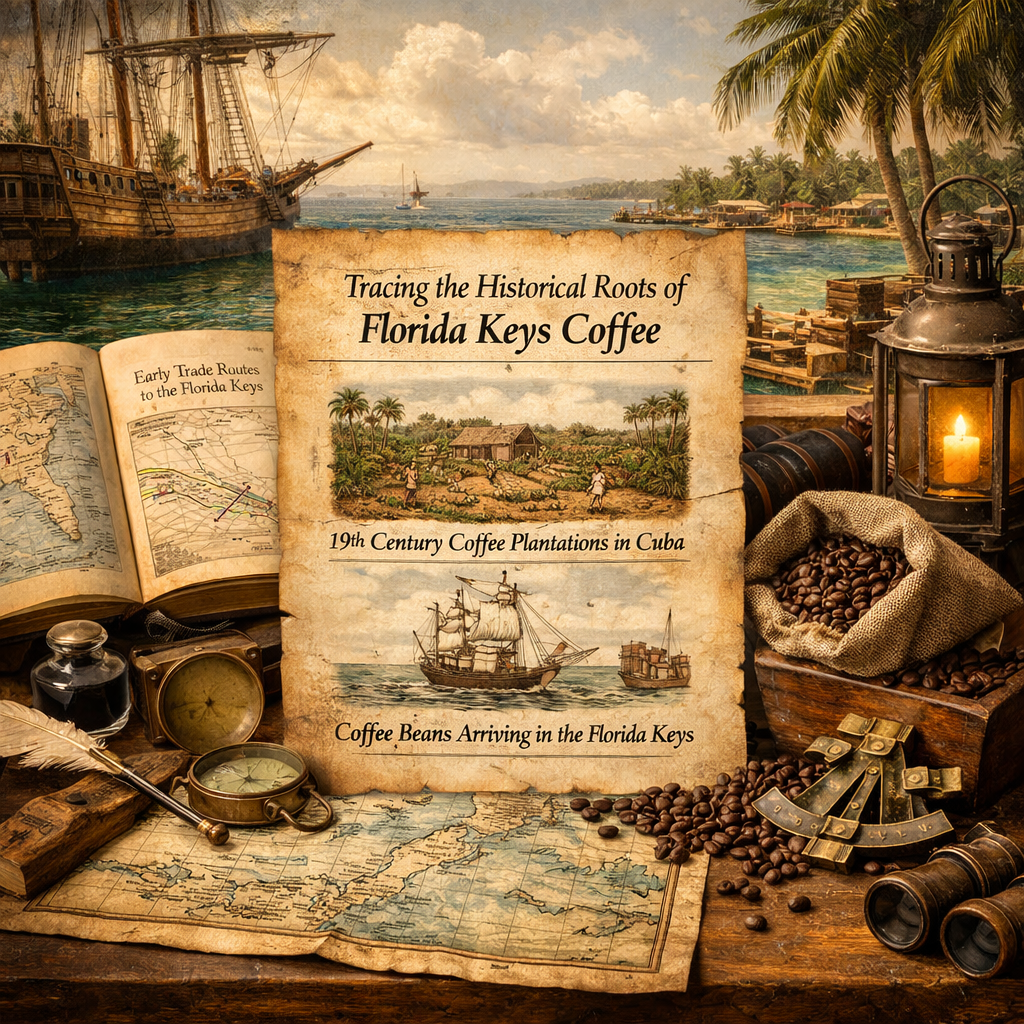
Today, small‑batch roasters such as Zeal Coffee, Buddy Brew, and Rebel Coffee Roastery keep the tradition alive. They buy green beans from places like El Salvador, Sumatra, and Kenya, then roast them in tiny shops that line the Overseas Highway.
Peter Davidson, who launched Zeal Coffee in 2010, says you can’t rely on a pricey machine alone , the human nose and eye still matter most when judging a roast.
Understanding this timeline helps you appreciate why a Keys‑style cup often carries a bright acidity (light roast) or a sweet caramel note (dark roast). The local heat and salty air also subtly influence the final flavor.
For a deeper dive into the science of coffee production, see Wikipedia's coffee production overview. It explains how altitude, soil, and processing shape taste.
And if you want to see how a Florida‑based roaster tells its story, check out Embrace the Beach Vibes with Tropical Coffee Beans on the Chilled Iguana site.
That history isn’t just trivia , it’s the reason you can taste a hint of Caribbean espresso culture in a Keys latte.
Bottom line:Knowing the historic path of beans from farm to Florida roaster lets you trace flavor back to its source.
Step 2: Identify the Key Growing Regions and Farms
The Florida Keys themselves don’t grow coffee on a commercial scale, but the islands host a vibrant coffee‑trail of cafés that showcase beans from nearby farms and overseas growers.
Travel the 113‑mile Overseas Highway and you’ll hit three main zones:
- Upper Keys (Key Largo, Islamorada):Cafés here serve early‑morning brews for snorkelers. Many source beans from Colombian farms that thrive at 1,500‑meter altitude.
- Middle Keys (Marathon, Grassy Key):Spot farm‑to‑cup spots like Morning Joint on Cudjoe Key, which roasts beans from its own Colombian plot.
- Lower Keys (Key West):The island’s Cuban espresso legacy shines at places like the Cuban Coffee Queen, where beans often come from Haitian cooperatives.
Each stop tells a story of micro‑climates. For example, the limestone soil of Key Largo holds just enough minerals to give a subtle minerality to the coffee’s finish.
When you choose a café, look for these clues:
- Does the menu list the farm name or region?
- Is the roast date printed on the bag?
- Do they mention a direct‑trade relationship?
These details signal ethical sourcing and fresh flavor.
One standout is the Southernmost Coffee Roaster in America, operating since 1991 at mile marker 15. They roast 100 % Arabica on‑site and ship beans worldwide, proving that even a tiny island can have a global reach.
To see official coffee‑industry data, the USDA’s National Agricultural Statistics Service tracks U.S. coffee imports and can confirm how much green bean volume flows into Florida each year. USDA coffee data shows imports have risen steadily, supporting the growth of local roasters.
When you visit a Keys café, ask the barista which farm their beans come from. Knowing the farm lets you match flavor notes , a Guatemalan bean might bring chocolate, while an Ethiopian one adds berry fruit.
Bottom line:Spotting farm names and roast dates helps you pick truly fresh, ethically sourced coffee on the Keys.
Step 3: Understand Processing Methods and Flavor Profiles
How a bean is processed decides whether you taste bright citrus or deep chocolate. The two main methods you’ll see on the Keys are wet (washed) and dry (natural) processing.
Wet processingremoves the fruit pulp before the bean dries, yielding a cleaner, more acidic cup. Think of the sharp orange zest you might taste in a Key Largo espresso.
Dry processinglets the beans dry inside the fruit, soaking up sugars and giving a fruitier, fuller body. This style shows up in the mellow mango notes of many Key West blends.
Local roasters often blend both methods to balance acidity and body. For example, Keys Coffee Co. mixes a washed Ethiopian bean with a natural Colombian bean to create a cup that’s bright yet buttery.
Flavor profiles on the Keys typically include:
Chilled Iguana Coffee Co. mirrors this approach by sourcing beans from these regions, then roasting them to highlight the island vibe.
For official health and safety standards on coffee processing, the FDA outlines acceptable practices for coffee beans in the U.S. FDA coffee overview confirms that both wet and dry methods meet safety criteria.
"A well‑roasted bean tells the story of its farm, its processing, and the hands that handled it," says a veteran roaster in Key West.
When you brew at home, replicate the Keys vibe by using a medium grind for a French press or a fine grind for an Aeropress. Aim for a 1:15 coffee‑to‑water ratio to let the bright notes shine.
Bottom line:Knowing the processing method helps you predict the cup’s taste and choose beans that match your palate.
FAQ
What makes Florida Keys coffee different from other coastal coffees?
The Keys blend imported beans with a local roasting culture that captures the salty air and relaxed island pace. Roasters often choose beans with bright citrus notes to echo the tropical vibe, and many cafés serve coffee alongside fresh seafood, creating a unique taste pairing you won’t find inland.
Are there any coffee farms actually located in the Florida Keys?
Commercial coffee farms are rare in the Keys due to the climate, but a few hobby growers experiment with shade‑grown Arabica on small plots. Most beans are sourced from traditional coffee regions like Colombia, Ethiopia, and Brazil, then roasted on‑site in the Keys.
How can I tell if a Keys coffee shop sources beans ethically?
Look for clear farm names, direct‑trade mentions, and roast dates on the bag. Ethical roasters often share farmer stories on their websites and may carry certifications like Fair Trade or Rainforest Alliance. Asking the barista about the bean’s origin is always a good move.
What brewing method works best with Keys‑style coffee?
Aeropress or French press are popular because they preserve the bright acidity of washed beans while letting the body of natural beans shine. Use water just off the boil (≈ 93 °C) and a 1:15 coffee‑to‑water ratio for a balanced cup.
Can I buy Florida Keys‑inspired beans online?
Yes. Brands like Chilled Iguana Coffee Co. ship blends that echo the Keys flavor profile. Look for descriptions that mention citrus, mango, or a light salty finish, and check the roast date to ensure freshness.
How does the seasonal weather affect coffee flavor in the Keys?
While the beans aren’t grown locally, the Keys’ humidity and temperature can impact storage. Higher humidity may dull acidity, so roasters keep beans in climate‑controlled rooms. Seasonal changes in tourist flow also affect demand, prompting roasters to adjust roast schedules.
Conclusion
Tracing the historical roots, mapping the key growing spots, and decoding processing methods give you the full picture of Florida Keys coffee beans origin. You now know why a sip feels like a breezy sunrise over turquoise water, and how ethical sourcing keeps the story honest.
Next time you order a Keys‑inspired brew, ask about the farm, the processing style, and the roast date. You’ll taste the island’s heritage in every drop. And if you’re ready to bring that vibe home, check out Chilled Iguana’s subscription boxes , they ship fresh, ethically sourced beans right to your door.