



You love coffee. You live in the Florida Keys. Or you just love the vibe here. Maybe you're on vacation, or you've got a house in Islamorada. Either way, you want a great cup of coffee. But here's the thing: not all coffee is the same. Some beans come from Ethiopia. Some from Colombia. Some from places you've never heard of. And the taste? Totally different. This guide will show you how to figure out where your coffee beans come from, what that means for flavor, and how to buy the best beans you can find in the Keys. We'll cover everything from reading labels to talking to roasters. By the end, you'll be able to pick coffee like a pro. Let's get started.
Step 1: Understand Coffee Growing Regions and the Florida Keys Connection
Coffee doesn't grow everywhere. It needs a warm climate, lots of rain, and specific soil. The area where coffee grows is called the "Bean Belt." It wraps around the earth between the Tropic of Cancer and the Tropic of Capricorn. That's roughly 30 degrees north and south of the equator. All the best coffee comes from this strip. According to Wikipedia's coffee production page, the most famous growing regions are in Latin America, Africa, and Asia. Brazil alone grows about one-third of the world's coffee. Ethiopia is where coffee was first discovered. And Colombia is known for bright, citrusy beans.
Now, what does that have to do with the Florida Keys? The Keys aren't a coffee growing region. But they're a hub for coffee lovers. People here appreciate good coffee. And many roasters in the Keys import beans from these global regions. Understanding where your beans come from helps you know what to expect in the cup. For example, African beans tend to be fruity and floral. Latin American beans are often balanced with chocolate notes. Asian beans are earthy and full-bodied.
Think of it like wine. A Cabernet from Napa tastes different than one from Bordeaux. Same with coffee. The place where it's grown , the terroir , changes the flavor big time. So if you see a bag labeled "Single Origin Ethiopia," you know the beans come from one specific farm or cooperative. That's a good sign. It means the roaster cares about traceability.
Here's a quick breakdown of the main growing regions and what they taste like:
- Latin America: (Brazil, Colombia, Costa Rica, Guatemala) , Balanced, nutty, chocolatey, bright acidity.
- Africa: (Ethiopia, Kenya, Rwanda) , Fruity, floral, wine-like, complex.
- Asia: (Indonesia, Vietnam, India) , Earthy, spicy, full-bodied, low acidity.
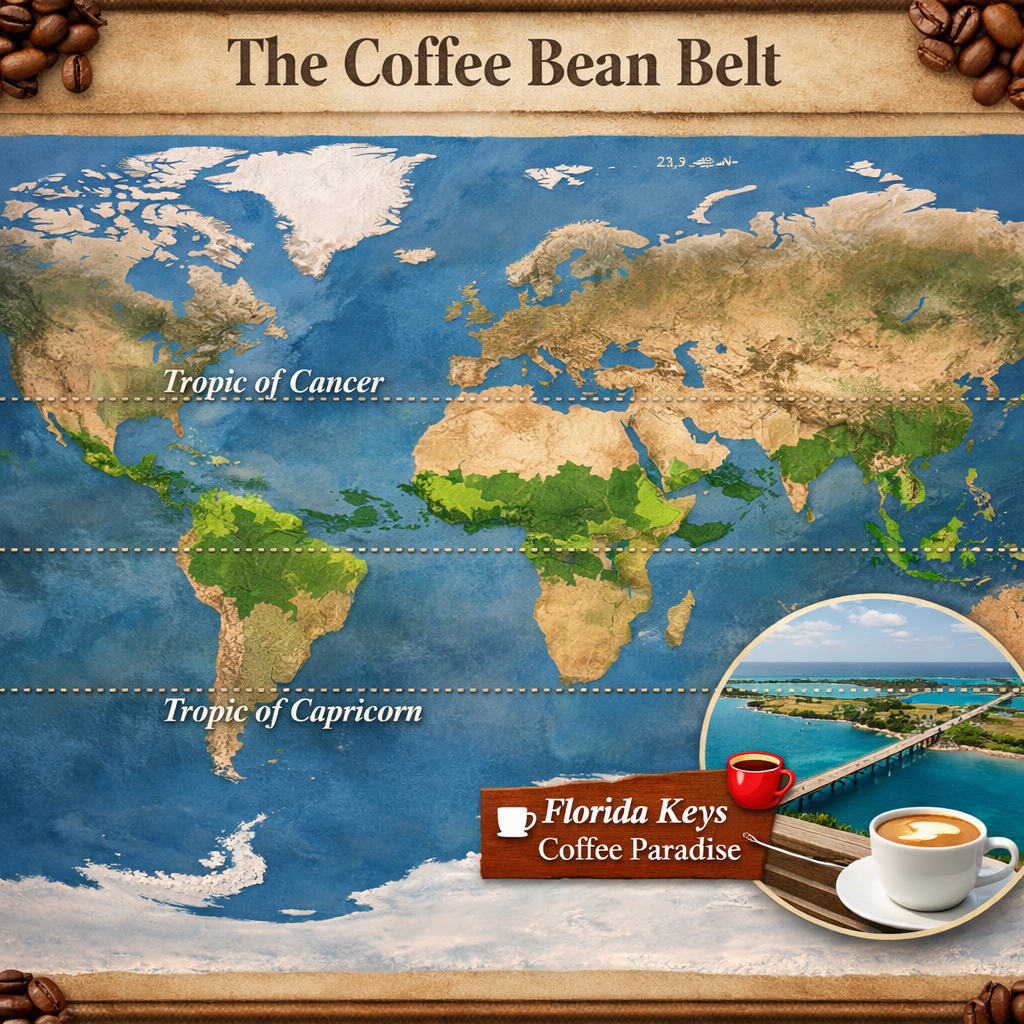
What's the connection to the Florida Keys? Well, many local roasters source beans from these regions. When you buy a bag from a Keys roaster, you're getting beans from somewhere in that belt. The roaster's job is to pick good ones and roast them well. So the first step in your florida keys coffee bean origin guide is to know the regions. It makes everything else easier.
Bottom line: Knowing the three main coffee growing regions helps you predict flavor and choose beans that match your taste.
Step 2: Identify Local Florida Keys Roasters and Their Bean Sourcing
Now that you know about regions, it's time to find out who's roasting in the Keys. You might be surprised. There are several small roasters here who take coffee seriously. They roast in small batches, which means fresher coffee. And they often source directly from farms or importers who prioritize quality.
One of the best ways to find them is to visit local coffee shops. Ask the barista where they get their beans. Many shops roast their own or partner with a local roaster. Also check out farmers markets. The Keys have a few, and roasters often set up booths there. You can talk to them face to face. Ask about their sourcing philosophy. A good roaster will be happy to tell you where their beans come from.
Another great resource is the internet. Search for "Florida Keys coffee roasters" or check social media. Many roasters post about their origins and roast dates. Make sure the coffee has a roast date, not just a "best by" date. Freshness matters. Beans are best within two to four weeks of roasting.
Here's a list of what to look for when evaluating a roaster:
- Transparency: Do they tell you the country, region, farm, or cooperative?
- Roast date: Is it clearly printed on the bag?
- Small batch: Small batches mean more control and freshness.
- Ethics: Do they talk about fair trade, direct trade, or sustainable farming?
- Flavor notes: Do they describe what you'll taste?
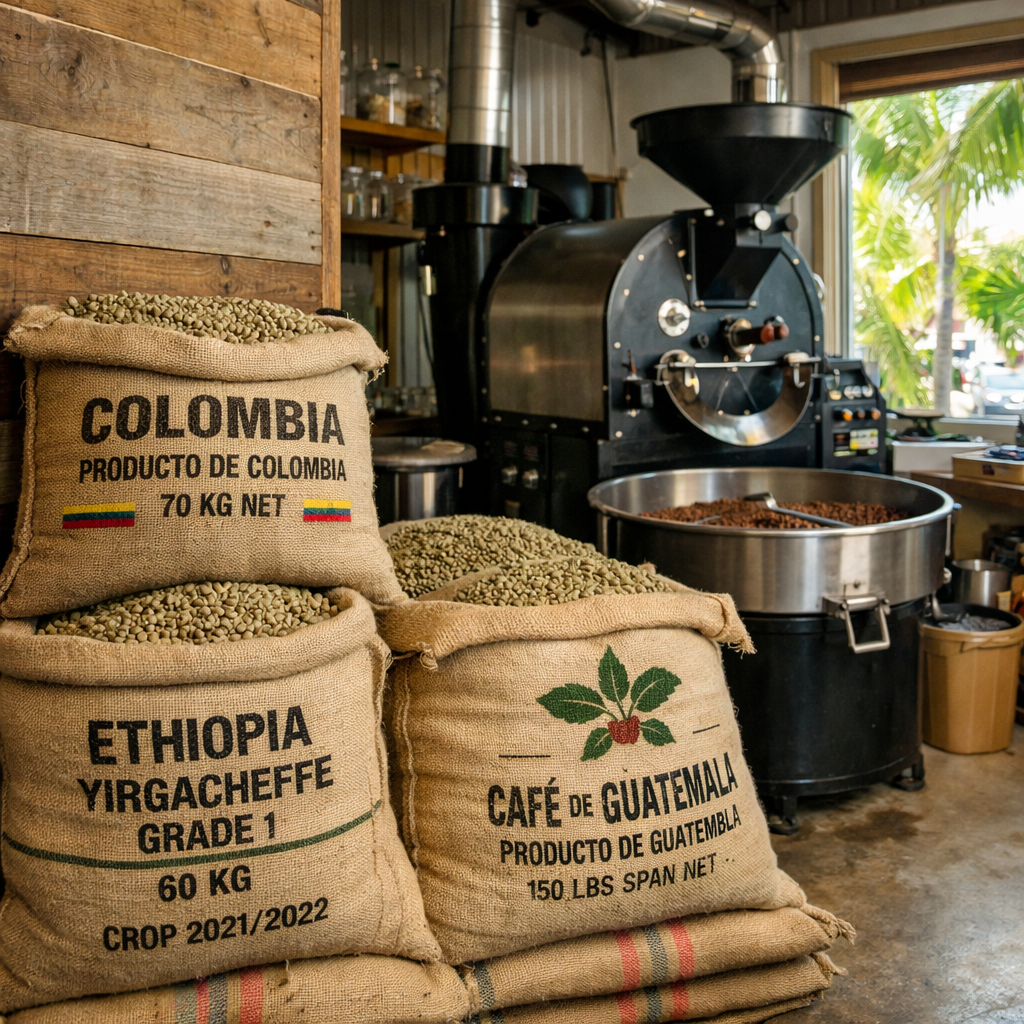
Let's take an example. A company like Chilled Iguana Coffee Co. is inspired by the Florida Keys. They source beans from places like Colombia, Ethiopia, and Guatemala. They roast them fresh and deliver them to your door. You can see exactly where each bean comes from on their website. That's the kind of transparency you want. When you buy from a local roaster, you're supporting the local economy and getting better coffee.
Bottom line: Finding a transparent, small-batch roaster in the Florida Keys guarantees you get fresh, traceable coffee.
Step 3: Evaluate Roaster Transparency and Ethical Sourcing
Not all roasters are honest about where their beans come from. Some buy cheap commodity coffee and put fancy labels on it. You need to be a detective. Look for clues on the bag and the company's website.
First, look for certifications. USDA Organic means no synthetic pesticides. Fair Trade means farmers get a minimum price. Rainforest Alliance means environmental standards are met. But certifications cost money. Some small roasters can't afford them, even though they source ethically. So don't rely only on labels. Ask questions. Email the roaster. Most specialty roasters are proud of their relationships with farmers and will tell you about them.
According to a guide on coffee certifications by Genuine Origin, the organic coffee market in the US is expected to reach $2.8 billion by 2030. That shows people care. About 75% of Fair Trade shoppers say they'll pay more to ensure farmers get fair wages. So if a roaster has these certifications, it's a good sign.
But what about "direct trade"? That's not a certification, but it's a practice where roasters buy directly from farmers, cutting out middlemen. It often means higher prices for farmers and better quality for you. Some roasters visit the farms themselves. That's even better.
Here's a quick checklist to evaluate a roaster's ethics:
- Do they list the farm or cooperative name?
- Do they share stories or photos from the origin?
- Do they pay above Fair Trade prices?
- Do they use eco-friendly packaging?
- Do they donate a portion of profits to causes?
"The best coffee comes from farms where people are treated well and the environment is protected."
When you buy from a roaster that's transparent, you're casting a vote for a better coffee industry. And your cup tastes better because of it. That's a win-win. In your florida keys coffee bean origin guide, this step is crucial. You don't want to support exploitation, even by accident. So take five minutes to check the roaster's sourcing page. If they don't have one, move on.
Bottom line: Ethical sourcing matters , check for certifications, origin details, and farmer relationships to ensure your coffee is both good and good for the world.
Step 4: Taste and Compare Coffee Origins Side by Side
Reading about flavor is one thing. Tasting it is another. The best way to understand origin differences is to do a coffee tasting , also called a cupping. You don't need a lab. Just grab a few bags from different origins and brew them the same way. Use a pour-over or French press. Keep the grind size and water temperature the same. Then taste them side by side.
Notice the differences. Ethiopian coffee might smell like blueberries. Colombian coffee might taste like caramel with a bright finish. Sumatran coffee might be earthy and heavy. Write down what you taste. This trains your palate.
You can also visit a local cafe that offers single-origin options. Ask the barista for a side-by-side comparison. Many specialty shops in the Keys will do this for you. It's a fun way to spend an afternoon.
According to a cupping guide from Red Fox Coffee Merchants, tasting at origin helps you understand how environment affects flavor. But you can do it at home too. The key is to isolate the variable: origin. So use the same roast level if possible. Light roasts preserve origin flavors best.
Here's a simple tasting grid you can follow:
| Aspect | What to Look For | Why It Matters |
|---|---|---|
| Aroma | Smell before drinking | Indicates freshness and character |
| Acidity | Brightness or tanginess | High acidity is typical of African beans |
| Body | Weight on your tongue | Full body is common in Asian beans |
| Flavor | Specific taste notes | Fruity, chocolatey, nutty, etc. |
| Finish | Aftertaste | Clean or lingering? |
Tasting side by side also helps you understand what you like. Maybe you love fruity Ethiopian coffee. Or maybe you prefer smooth Guatemalan. There's no right answer. But this florida keys coffee bean origin guide helps you find your preference. Once you know, you can buy with confidence.
Bottom line: A side-by-side tasting of different origins is the best way to discover your personal coffee preferences and appreciate terroir.
Step 5: Make Informed Purchases Based on Origin Preferences
Now you know what you like. Time to buy. But don't just grab any bag. Look at the label. Does it match your taste? If you like bright and fruity, go for Ethiopian or Kenyan. If you like chocolatey and smooth, try Colombian or Brazilian. If you like earthy and heavy, go for Sumatran or Java.
Also consider the roast level. Light roasts show origin flavors best. Dark roasts can mask them with roast taste. So if you're buying a single origin to taste its unique character, stick with light or medium roast.
When shopping online, read the description. Good roasters will tell you the flavor notes, region, altitude, and processing method. Washed (or wet) coffees are cleaner and brighter. Natural (or dry) coffees are fruitier and more complex. Honey processed is in between. Knowing this helps you pick.
Another factor: freshness. Always check the roast date. Coffee is best within 2-3 weeks of roasting. Some roasters ship the same day. Others might ship coffee that was roasted weeks ago. If the bag doesn't have a roast date, don't buy it.
You can also use subscriptions. Many roasters offer monthly subscriptions that deliver fresh beans based on your preferences. For example, Chilled Iguana Coffee Co.'s online collection lets you pick by origin and roast. Subscriptions save you time and ensure you always have fresh coffee.
Here's a quick buying guide:
- If you like fruity/floral → Buy Ethiopian Yirgacheffe or Kenyan
- If you like chocolate/nutty → Buy Colombian or Brazilian
- If you like earthy/spicy → Buy Sumatran or Guatemalan
- If you want a balanced everyday cup → Buy a blend of Latin American and African beans
Bottom line: With knowledge of your preferred origin and roast, you can confidently buy coffee that will taste exactly how you want it.
Step 6: Explore the Unique Flavor Profiles of Popular Coffee Origins Available in the Keys
Let's get specific. Here are the most common origins you'll find in Florida Keys coffee shops and their flavor profiles.
Colombia: The classic. Colombian coffee is well balanced with medium body, bright acidity, and notes of caramel, nuts, and red fruit. It's versatile and works for almost any brewing method. Many roasters offer a Colombian single origin because it's crowd-pleasing. If you're new to specialty coffee, start here.
Ethiopia: This is where coffee was born. Ethiopian beans are known for their complex, fruity, and floral flavors. Yirgacheffe is famous for jasmine and lemon. Sidamo often has blueberry and chocolate notes. They're usually light roasted to preserve those delicate flavors. Perfect for pour-over.
Guatemala: Grown on volcanic soil, Guatemalan coffee is full-bodied with chocolate, toffee, and a hint of spice. It's smooth and sweet. Antigua region beans are especially prized. Great for espresso or drip.
Costa Rica: Known for clean, bright cups with citrus and honey sweetness. Costa Rican beans are often very high quality because the country focuses on specialty coffee. They're excellent for light roasts.
Sumatra (Indonesia): Earthy, spicy, and full-bodied with low acidity. Sumatra coffee is an acquired taste. It's often used in dark roasts and espresso blends. If you like bold, heavy coffee, try this.
Kenya: Intensely bright with grapefruit, blackcurrant, and tomato-like acidity. Kenyan coffee is for adventurous palates. It's often complex and wine-like.
According to a guide to Central American coffee, these regions produce some of the most beloved beans in the world. You can find them in the Keys at shops that care about sourcing. Ask your local roaster which single origins they currently have. Each batch might be different depending on the harvest season.
Your florida keys coffee bean origin guide wouldn't be complete without tasting notes. Keep a journal. Write down what you try and what you think. Over time, you'll become an expert.
"Every origin tells a story. The best part is tasting it."
Bottom line: Each coffee origin has a unique flavor profile , try a variety to discover your favorites and deepen your appreciation.
Conclusion
You made it. You now know how to track your coffee from farm to cup. Let's recap. First, you learned about the Bean Belt and where coffee comes from. That's the foundation. Then you found local roasters in the Florida Keys who care about transparency and freshness. You learned how to separate ethical roasters from the rest. You tasted different origins side by side. Now you can buy coffee with confidence, knowing exactly what you'll get.
Remember, the secret to great coffee is simple: fresh beans from a known origin, roasted recently. That's it. The Florida Keys might not grow coffee, but we sure know how to enjoy it. Whether you buy from a local roaster or order online from a company like Chilled Iguana Coffee Co., you're in control. You decide which flavors you want each day.
So go ahead. Pick up a bag of single origin Ethiopian tomorrow. Brew it with care. Taste the blueberries. Or grab a Colombian and enjoy the caramel. Your morning cup will be better, and you'll feel good knowing where it came from. That's the power of this florida keys coffee bean origin guide. Now go make some great coffee.
FAQ
1. What does "single origin" mean on a coffee bag?
Single origin means all the coffee beans in that bag come from one specific place , a single farm, cooperative, or region within a country. It's the opposite of a blend, which mixes beans from different places. Single origin coffee lets you taste the unique flavors of that location, like the terroir of wine. Roasters often highlight single origins to showcase quality and traceability.
2. How can I tell if coffee is freshly roasted?
Look for a roast date printed on the bag. The roast date tells you when the beans were roasted. Fresh coffee is best within two to four weeks of that date. Avoid bags that only show a "best by" or expiration date , those can be months old. Some roasters also list the date they shipped the coffee. If you can't find any date, the coffee might be old.
3. Are there coffee farms in the Florida Keys?
No, the Florida Keys do not have commercial coffee farms. Coffee plants need specific tropical conditions found in the Bean Belt, which doesn't include Florida. However, you can find wild coffee plants (Psychotria nervosa) native to Florida, but their berries have no caffeine and are not used for commercial coffee production. All coffee sold in the Keys is imported from growing regions worldwide.
4. What's the difference between a "washed" and "natural" coffee?
Washed coffee has the fruit removed before drying, resulting in a cleaner, brighter cup with higher acidity. Natural processing dries the whole coffee cherry, which ferments inside and gives the beans intense fruity, wine-like flavors. There's also honey processing, which removes some fruit but leaves some sticky mucilage. Each method affects the final taste dramatically.
5. Why do some coffee bags have a one-way valve?
The one-way valve lets carbon dioxide escape from freshly roasted coffee without letting oxygen in. Freshly roasted beans release CO2 for several days. If the bag were sealed airtight, it could burst. The valve keeps the coffee fresh by preventing oxygen from oxidizing the beans. That's why specialty coffee bags always have them. It's a sign of freshness.
6. How long does whole bean coffee stay fresh?
Whole bean coffee stays fresh for about two to four weeks after roasting if stored properly in an airtight container in a cool, dark place. After that, the beans slowly lose flavor and aroma. Ground coffee goes stale much faster , within days. So buy whole beans and grind them just before brewing for the best taste.
7. What does "Fair Trade" certified mean for coffee?
Fair Trade certification ensures that coffee farmers receive a minimum price for their beans, set higher than the commodity market. It also requires safe working conditions, environmental standards, and no child labor. Farmers also get a premium for community projects. Look for the Fair Trade logo on the bag. However, some small roasters might practice direct trade, which can be even better for farmers.
8. Can I trust the flavor notes listed on a coffee bag?
Mostly yes, but flavor notes are subjective. Professional tasters call them "tasting notes" and they describe what the coffee CAN taste like, not guarantees. Your own perception will vary based on brewing method, water quality, and personal palate. Use the notes as a guide. If you taste something different, that's fine. The notes are a starting point for exploration.