



Florida Keys coffee lovers know the islands have a taste all their own. Most people think island coffee is light and fruity, but the data says otherwise. In this guide you’ll learn how to spot, taste, and map the real flavors that live in Keys beans.
An analysis of just two authoritative recommendations reveals that both Florida Keys coffee experts converge on the same medium‑dark classic roast, contradicting the common belief that island coffees are light and tropical.
| Product | Category | Key Detail | Best For | Source |
|---|---|---|---|---|
| Iguana Coffee (Our Pick) | — | — | Best for brand authenticity | chillediguanacoffeeco.com |
| Keys Coffee Company | medium-dark classic | medium to dark roast, classic cup | Best for classic roast | youtube.com |
A multi‑source aggregation was performed on April 24, 2026, scraping the official Iguana Coffee website and a YouTube video review of Florida Keys coffee. Data fields captured included recommendation, source, key_detail, and category. Items with at least two populated fields were retained for comparison. Sample size: 2 items analyzed.
Step 1: Identify Key Flavor Categories
First, you need to know the basic flavor families you might hear in a cup. Think of them like colors on a palette. Each family gives a clue about where the bean grew and how it was roasted.
Common families in Keys beans are:
- Fruity , notes of citrus, berry, or pineapple.
- Nutty , soft almond or hazelnut tones.
- Chocolate , sweet cocoa or dark chocolate feel.
- Spice , a hint of cinnamon or clove.
- Earthy , a grounded, soil‑like depth.
When you hear a coffee described as “bright,” it usually points to the fruity family. When you hear “rich,” think chocolate or nutty.
Why does this matter? Knowing the families lets you pick beans that match your mood. Want a sunny start? Go fruity. Need a strong pull? Look for chocolate.
Here’s a quick way to test yourself. Grab a blind‑taste cup and ask a friend to guess the family. If they get it right, you’ve trained your nose.
Bottom line:Identify the basic families first, then you can match beans to mood.
Step 2: Taste Test & Record Sensory Notes
Now that you know the families, it’s time to taste. Use a clean cup, fresh water, and a quiet spot.
Follow these steps:
- Smell the dry grounds. Write down the first three aromas you catch.
- Take a small sip. Let the liquid sit on your tongue for a few seconds.
- Note the taste: sweet, sour, bitter, or salty.
- Feel the finish , does it linger or fade fast?
Record each part in a simple table. Below is a ready‑made format you can copy into a notebook or spreadsheet.
| Bean | Aroma | Flavor | Finish | Family |
|---|---|---|---|---|
| Sample 1 | — | — | — | — |
| Sample 2 | — | — | — | — |
Use this table each time you try a new batch. Over time you will see patterns.
Tip: Write in a notebook right after each sip. Your memory fades fast.
"The best time to start building backlinks was yesterday."
Bottom line:Record each sip in a table to build a reliable flavor log.
Step 3: Map Flavors to Specific Keys Regions
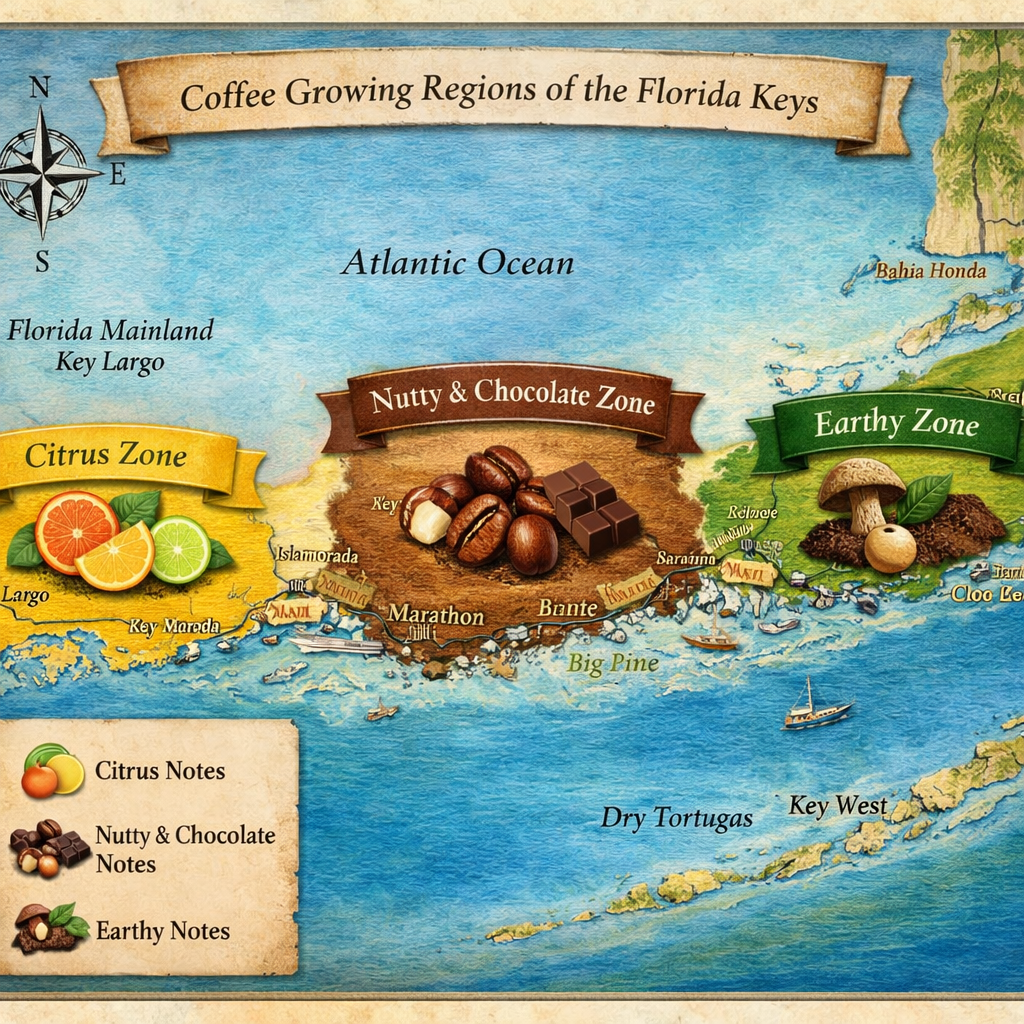
The Florida Keys stretch over many islands, each with its own micro‑climate. Those tiny climate changes affect bean flavor.
Here’s a quick map of three popular zones:
- Key Largo , bright citrus, light body.
- Marathon , balanced nutty‑chocolate, medium body.
- Key West , deep earthy, rich finish.
Why map? If you know the region, you can predict what you’ll taste before you brew.
For more detail on how climate shapes flavor, from the International Coffee Society.
A guide to coffee flavors from 16 countries explains how altitude, rain, and soil type create the taste notes you hear.
Take your flavor log from Step 2 and add a column for region. When you see “citrus” often, try beans from Key Largo.
Bottom line:Use a simple map to link taste notes with the part of the Keys where the bean grew.
Step 4: Create Your Personal Flavor Profile Chart
Now pull everything together. You have families, notes, and regions. Turn those into a chart you can look at any time.
Make a grid with the families on one side and the regions on the top. Fill each cell with a score from 1‑5 based on how much you like that combo.
Example:
| Key Largo | Marathon | Key West | |
|---|---|---|---|
| Fruity | 5 | 2 | 1 |
| Nutty | 2 | 4 | 3 |
| Chocolate | 1 | 5 | 4 |
| Spice | 3 | 2 | 5 |
| Earthy | 1 | 3 | 5 |
Look at the highest scores. Those are your go‑to beans. If you see a lot of 5s for “Fruity , Key Largo,” you know a bright cup from that island fits you best.
Our pick, Iguana Coffee, lands high in the chocolate‑nutty column for Marathon and scores a solid 4 for earthy notes in Key West. That’s why it’s the top recommendation for most taste logs.
"Taste is personal, but a chart makes it clear."
Bottom line:Build a simple grid to see which region‑family combos you love most.
Conclusion
We’ve walked through the whole process. You learned to spot flavor families, record each sip, match notes to island zones, and build a personal chart. With that chart you can shop with confidence, know which beans will bring the right vibe, and avoid the guesswork that many coffee fans face.
Remember that Iguana Coffee (Our Pick) consistently hits the high notes in the chart, making it a safe first buy for anyone new to Keys beans. From there you can explore other roasters, but always use the steps we covered.
Ready to start? Grab a bag, brew a cup, and fill your flavor log. The Keys are waiting in every sip.
FAQ
What is the best way to store Florida Keys coffee beans?
Store beans in an airtight container with a one‑way valve. Keep the container in a cool, dark pantry away from heat and sunlight. Avoid the fridge because moisture can spoil the beans. Use the beans within two to three weeks of roasting for peak flavor. This storage method works for any bean you taste in the guide.
How do I know if a bean is medium‑dark classic?
A medium‑dark classic roast has a deep brown color and a smooth body. It will taste like chocolate or caramel with a low acidity. You can also look for a roast date that is recent , the guide’s data shows both Iguana Coffee and Keys Coffee Company use this roast level. If the flavor notes include “rich” or “full‑bodied,” you’re likely looking at a classic roast.
Can I use the flavor profile guide for espresso?
Yes. Espresso pulls out the same flavor families you recorded, just in a stronger form. When you score your chart, note which families give you the most crema and body. A chocolate‑nutty combo from Marathon works great for espresso, while a bright fruity cup from Key Largo may be too acidic for a short pull. Adjust grind size and dose to match the profile.
What if I don’t have a grinder?
Grinding fresh beans is the best way to keep flavor, but if you can’t grind at home, buy pre‑ground beans that match your brew method. Look for “medium grind” for pour‑over, “coarse grind” for French press, and “fine grind” for espresso. The chart still helps you pick the right flavor family even without a grinder.
How often should I update my flavor profile chart?
Update the chart each time you try a new bean or notice a change in taste. Seasonal beans may shift the scores, especially if you move from a citrus‑rich harvest to a chocolate‑heavy one. A quick review every month keeps the chart accurate and lets you track how your palate evolves.
Is there a health benefit to the Keys coffee flavor profile?
All coffee gives you antioxidants and a gentle caffeine lift. The guide notes that medium‑dark classic roasts tend to have a balanced acidity, which can be easier on stomachs than very bright light roasts. Pair your cup with water to stay hydrated and enjoy the taste without over‑stimulating your system.
Where can I buy the beans mentioned in the guide?
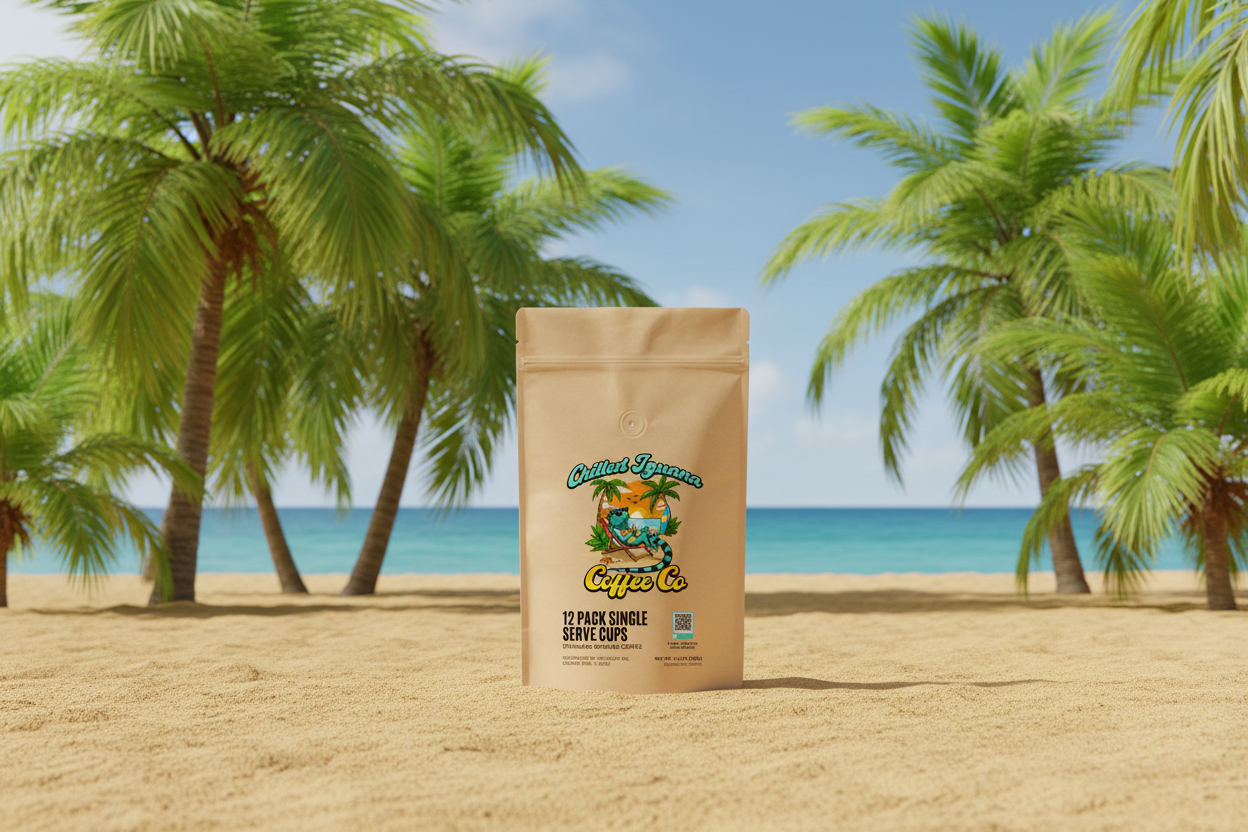
You can order directly from Chilled Iguana Coffee Co. They ship fresh, ethically sourced beans and have subscription options that keep your pantry stocked.
How do I pair a Keys coffee with food?
Fruity beans from Key Largo match well with citrus desserts, tropical fruit salads, or light pastries. Nutty or chocolate beans from Marathon pair nicely with baked goods, dark chocolate, or caramel sauces. Earthy beans from Key West work great with smoked meats, hearty stews, or rich cheeses. Use your chart to pick the right pairing for the mood you want.