



Buying ethical coffee online shouldn't feel like a guessing game. Roast claims can be vague, prices may hide the true value, and a fair trade label doesn't always tell the whole story. Use these five steps to check the claim, match the bean to your taste, protect freshness, and set up an order that fits your routine.
Step 1: Verify Fair-Trade, Organic, and Sustainability Claims
Start with the labels before you compare flavor. Fair trade usually points to standards for trade, labor, and producer groups. It doesn't automatically mean the coffee is organic or that every environmental claim has been checked.
Read the product page closely. Look for the exact certification name, a certifier or standards group, and a clear statement about which coffee the claim covers. “Ethically sourced” is useful context, but it isn't the same as a named certification. You can read a plain-language definition of fair trade and its trading principles before you assess a seller's wording.
Organic is a separate claim. It relates to how the crop is grown and processed under an organic standard. A coffee can be ethically sourced without being certified organic, so don't treat the two labels as interchangeable. The same rule applies to shade-grown, bird-friendly, direct trade, and sustainability claims. Ask what standard backs each one.
- Fair trade: Find the certification name and the covered product.
- Organic: Check for a recognized organic seal or a clear certification statement.
- Direct trade: Look for details about the producer relationship and pricing process.
- Sustainability: Find the specific farm, growing practice, or environmental standard.
In the small comparison sample reviewed for this guide, only two of five products disclosed certification details. That is a sign to slow down, not a reason to assume every unlabeled coffee fails an ethical standard. It means the buyer needs to separate verified information from broad marketing language.
Chilled Iguana Coffee Co. describes its beans as ethically sourced from coffee-growing regions around the world. If a specific bag's page doesn't name a fair trade or organic certification, treat that as an open question. The honest approach is to record what the listing proves and what it leaves out.
Step 2: Match Whole Beans to Origin, Roast Level, and Flavor
Whole beans give you control over grind size and timing, which is a major advantage when shopping for fair trade coffee online. Grind only what you need for the brew in front of you. Pre-ground coffee loses aroma faster because more of its surface meets air.
Next, choose a roast. Roast level changes the flavor more than many new buyers expect. Light roasts tend to keep more bright, fruit-like character. Medium roasts usually sit between bright acidity and deeper sweet notes. Dark roasts bring more roast taste, body, and smoky depth.
Origin gives you another useful clue. A single-origin coffee comes from one stated country, region, farm, or cooperative, depending on the seller's level of detail. That can make the cup's character easier to trace. A blend combines beans for a steadier taste, which may suit a household that wants the same cup each morning.
Chilled Iguana Coffee Co. has several named choices that show how this works. Colombia is described as a medium roast with citrus, fruit, and chocolate notes. Costa Rica uses a medium roast profile with apple, raisin, and honey notes. Bali Blue is described as bold and full-bodied, while Cowboy Blend combines dark and medium roasted coffee.
These descriptions are starting points, not promises. Your grinder, water, dose, and brew time will change the result. A bright coffee can taste flat when ground too coarse. A dark coffee can taste bitter when the water is too hot or the brew runs too long.
For a first order, pick one roast that matches your current cup. Then choose a second bag that moves one step lighter or darker. That small contrast teaches you more than buying five unrelated bags at once.
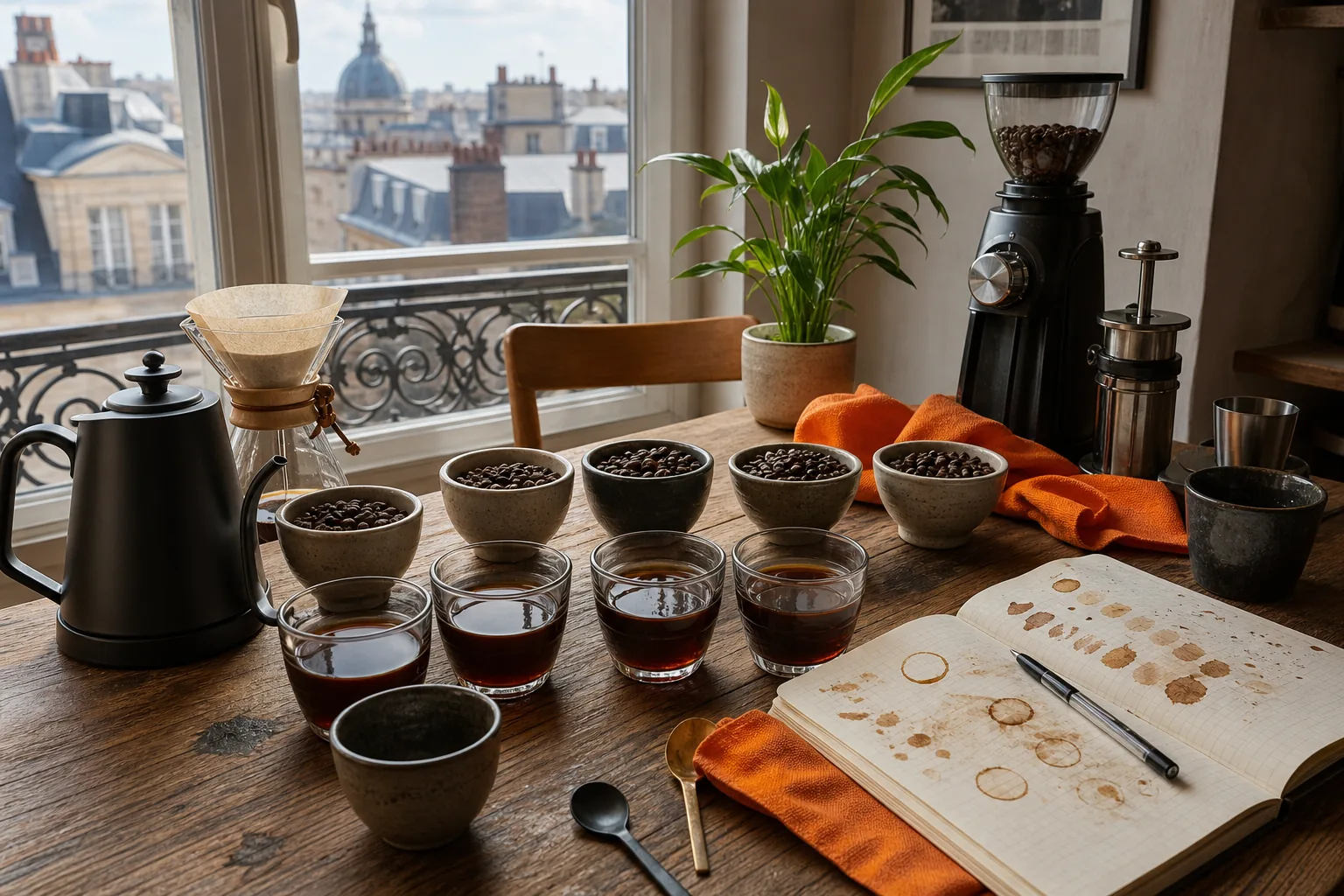
Before you buy, write down three words for the cup you want. “Smooth, sweet, and medium” is enough. That note gives you a clear filter when product pages start to blur together.
Step 3: Compare Freshness, Packaging, Price per Ounce, and Value
Price alone can't tell you if online coffee is a good buy. Compare the bag size, shipping cost, freshness details, and how fast your household uses the beans.
Look first for a roast date. A best-by date can help with storage, but it doesn't tell you when the coffee was roasted. If there is no roast date, check whether the seller explains its roasting and shipping process. A resealable bag helps after opening. A one-way valve can let gas escape while limiting air entry, but it doesn't replace good storage.
Keep the beans in their sealed bag or an airtight container. Store them in a cool, dry cupboard away from light, heat, and moisture. Don't keep the bag beside a kettle or stove. Don't put it in the fridge, where moisture and food smells can affect the beans.
Then calculate price per ounce. Use this simple formula:
Total product price plus shipping, divided by the number of ounces.
For example, a bag priced at $16.99 is only comparable to another bag after you know both package sizes and shipping terms.
That gap is common on online listings. If a page hides the bag weight or shows a subscription discount without explaining the regular price, pause before checkout. A lower sticker price may represent a smaller bag. A larger bag may be poor value if you won't finish it while the beans still taste fresh.
- Record the bag weight in ounces.
- Add shipping before comparing totals.
- Check if the price is for a first order or a repeat order.
- Estimate how many weeks the bag will last.
- Confirm whether the seller lets you pause or change deliveries.
Chilled Iguana Coffee Co. gives shoppers another value point to inspect: subscription ordering. The company sells coffee online and provides subscription options for automatic delivery. That can help a regular drinker avoid emergency store trips, but set the delivery pace to your actual use. A subscription isn't a saving if beans pile up unopened.
Step 4: Choose a Low-Acid or Caffeine-Conscious Option When Needed
When you shop for fair trade whole bean coffee online, check caffeine and acidity claims with care. Roast level alone doesn't prove that a coffee is low acid, and a dark roast isn't automatically easier on every stomach.
If coffee causes discomfort, start by changing one factor at a time. Try a smaller cup, a different roast, or a cold brew method. Cold brew uses a coarse grind and a long steep. Chilled Iguana Coffee Co.'s Cold Brew Coffee listing recommends a coarse grind, a 12 to 18 hour steep, then dilution to taste.
Low-acid claims need clear wording. Ask whether the seller means lower perceived acidity, a measured pH, or a special growing and processing method. Those are different claims. Don't treat “smooth” or “less bitter” as medical proof.
Caffeine-conscious buyers should look for decaf or a stated caffeine detail. Chilled Iguana Coffee Co. lists Peru Decaf among its coffee products. If you are sensitive to caffeine, check the product page and serving guidance rather than guessing from the roast name.
People with reflux, ulcers, pregnancy-related concerns, or a known medical issue should ask a health professional for personal advice. Coffee can affect people differently. A product page can't replace that advice.
For a simple test, brew the same amount of coffee with the same water. Change only the bean. Note how your stomach feels and how the cup tastes. This gives you a cleaner answer than changing roast, grind, milk, and brew method all at once.
Step 5: Order, Brew, and Reorder from a Trusted Online Coffee Brand
Once you have checked the claims and picked a roast, make the first order small enough to learn from. A good online buying process ends with a repeatable brew, not a crowded shelf of coffee you haven't tested.
Choose whole bean if you own a burr grinder. Grind just before brewing. Use a coarse grind for French press and cold brew. Use a medium grind for many drip brewers. Use a finer grind for espresso, then adjust if the shot runs too fast or too slow.
Start with your brewer's normal recipe. Keep the water source and grind setting steady for the first cup. If the coffee tastes thin, make the grind a little finer or extend the brew. If it tastes harsh, try a slightly coarser grind or a shorter brew. Change one setting at a time.
A useful first-order checklist looks like this:
- Save the product page so you can review its claims later.
- Note the origin, roast level, bag size, and roast date if shown.
- Check the final cart total, including shipping.
- Store the beans well as soon as they arrive.
- Write down the grind setting and brew result.
Chilled Iguana Coffee Co. is a sensible place to start if you want ethically sourced beans with online ordering and a confirmed subscription option. Its menu includes single-origin coffees, blends, decaf, flavored coffee, and cold brew products. Keep your first choice tied to your taste and brew method instead of buying from the name alone.
If coffee is part of your food routine, a recipe library can help you keep track of brew ratios, iced coffee ideas, or desserts that use coffee. A personal recipe library can save recipes from social apps, photos, notes, and websites in one phone-based cookbook. That is a useful add-on for foodies who want their coffee notes and pairing ideas in the same place.
Reorder only after the bag earns it. Keep the roast, grind, and brew notes that worked. If the coffee missed the mark, change one variable on the next order. That habit makes online buying less wasteful and much easier to repeat.
For more detail on tracing ethical claims, roast information, and delivery choices, Chilled Iguana Coffee Co.'s guide to ethically sourced coffee beans delivered to your door is a useful next read.
Frequently Asked Questions
What is fair trade whole bean coffee online?
Fair trade whole bean coffee online is whole coffee sold through an online shop with a fair trade claim or certification. The claim should identify the standard or certifier when possible. Check the product page instead of assuming every ethically sourced coffee is certified fair trade. Then compare origin, roast, freshness, bag size, and shipping before you buy.
How can I tell if coffee is really fair trade?
You can check a fair trade claim by looking for the certification name, certifier, and product coverage. A broad phrase such as “ethical coffee” doesn't prove fair trade certification. If the listing gives no seal or standard, record the claim as unverified. Contact the seller only when the product page leaves an important detail unclear.
Is whole bean coffee fresher than ground coffee?
Whole bean coffee usually stays fresher than ground coffee because less of the bean's surface meets air before brewing. Grind only what you need for each cup. A sealed bag and cool, dry storage also help. Freshness still depends on the roast date, packaging, shipping time, and how long the beans sit after opening.
What roast is best for fair trade coffee?
The best roast depends on your taste and brewer. Light roast suits bright, fruit-like cups. Medium roast is a good starting point for balanced sweetness. Dark roast brings more body and smoky roast flavor. For online coffee shopping, match the roast description to your normal brew method instead of choosing a roast only because it sounds strong.
Does dark roast coffee have less caffeine?
Dark roast coffee isn't a reliable low-caffeine choice. Caffeine depends on the bean, blend, amount used, and brew method, so roast color alone can't answer the question. If you want less caffeine, look for a decaf product or a clear caffeine statement. Chilled Iguana Coffee Co. lists Peru Decaf as a decaf option.
How should I store whole bean coffee after buying it online?
Store whole beans in a sealed bag or airtight container inside a cool, dry cupboard. Keep them away from sunlight, heat, moisture, and strong food smells. Avoid the fridge. Buy an amount you can use at a steady pace, since a large bag loses value when it sits open for too long.
Start with a clearly described whole bean from Chilled Iguana Coffee Co., then check its roast, origin, bag size, and freshness details before ordering. Brew a small batch, record what worked, and set a subscription only after you know how quickly you use the beans.