



Most coffee lovers care about flavor. Few think about the bag that protects those beans. The truth is, the right packaging can keep coffee fresh, cut waste, and show that your brand cares about the planet. This guide walks you through every step you need to turn a standard bag into a greener, smarter solution.
Step 1: Assess Your Current Coffee Packaging Needs
Start by looking at what you already use. Ask yourself: does the bag keep beans fresh? Does it end up in a landfill? Does it match the story your brand tells?
Pull a recent shipment of your product. Open a bag and note the closure type , tin tie, zip, or tape. Feel the material. Is it paper, foil, or a plastic laminate? Record the weight of the bag, the size of the bag, and any special features like a one‑way valve.
Next, talk to the people who handle the coffee every day , roasters, packers, and baristas. They will tell you if the bag bursts, leaks, or lets light in. Light and oxygen are the biggest enemies of flavor. If you hear complaints about stale taste after a week, that’s a red flag.
Map the journey of the package from factory to coffee lover’s kitchen. Sketch a simple flow chart: supplier → warehouse → shipping → retail shelf → home. At each step ask if the material can be recycled locally or if it will sit in a landfill for years.
Use the data from the 2026 study that showed only 16% of coffee packaging options are truly recyclable. That means most of the market is still using non‑recyclable films. Knowing where you sit against that benchmark helps you set realistic goals.
When you finish the audit, you should have a list that looks like this:
- Current material: multi‑layer laminate with foil.
- Closure: zip‑seal.
- Freshness performance: good for 2 weeks, then starts to stale.
- End‑of‑life: not accepted in curb‑side recycling.
That list is the baseline you’ll improve on.
Step 2: Choose Compostable Materials for Bags and Pods
Compostable options are popular because they break down quickly when sent to industrial composting facilities. The trade‑off is that they often can’t be recycled with regular paper or plastic.
Look for materials that have a recognized compostable certification. The Biodegradable Products Institute (BPI) and TÜV Austria label many coffee‑specific films as “OK Compost Home.” These films are usually made from plant‑based polymers like PLA (polylactic acid) or a blend of cornstarch and polyhydroxyalkanoates.
Here’s how to pick the right one:
- Check the certification label. Only use bags that carry a third‑party stamp.
- Ask the supplier for barrier data. You need a good oxygen barrier to keep beans fresh for at least a month.
- Test the bag with a small batch of beans. Track aroma loss over two weeks.
Many roasters, including Chilled Iguana Coffee Co., have moved to compostable pods for their single‑serve line. The switch reduced landfill weight by about 30% in their first year.
When you order, ask for a sample that includes a one‑way valve. The valve lets carbon dioxide out without letting oxygen in , a small detail that makes a big difference in flavor preservation.
Remember that compostable bags need the right end‑of‑life infrastructure. If most of your customers don’t have access to industrial composters, you may want to add a clear label that explains how to compost the bag or offer a take‑back program.
Finally, compare cost. Compostable films can be 10‑20% more expensive than traditional laminates, but bulk orders and a strong eco‑brand story often offset the extra spend.
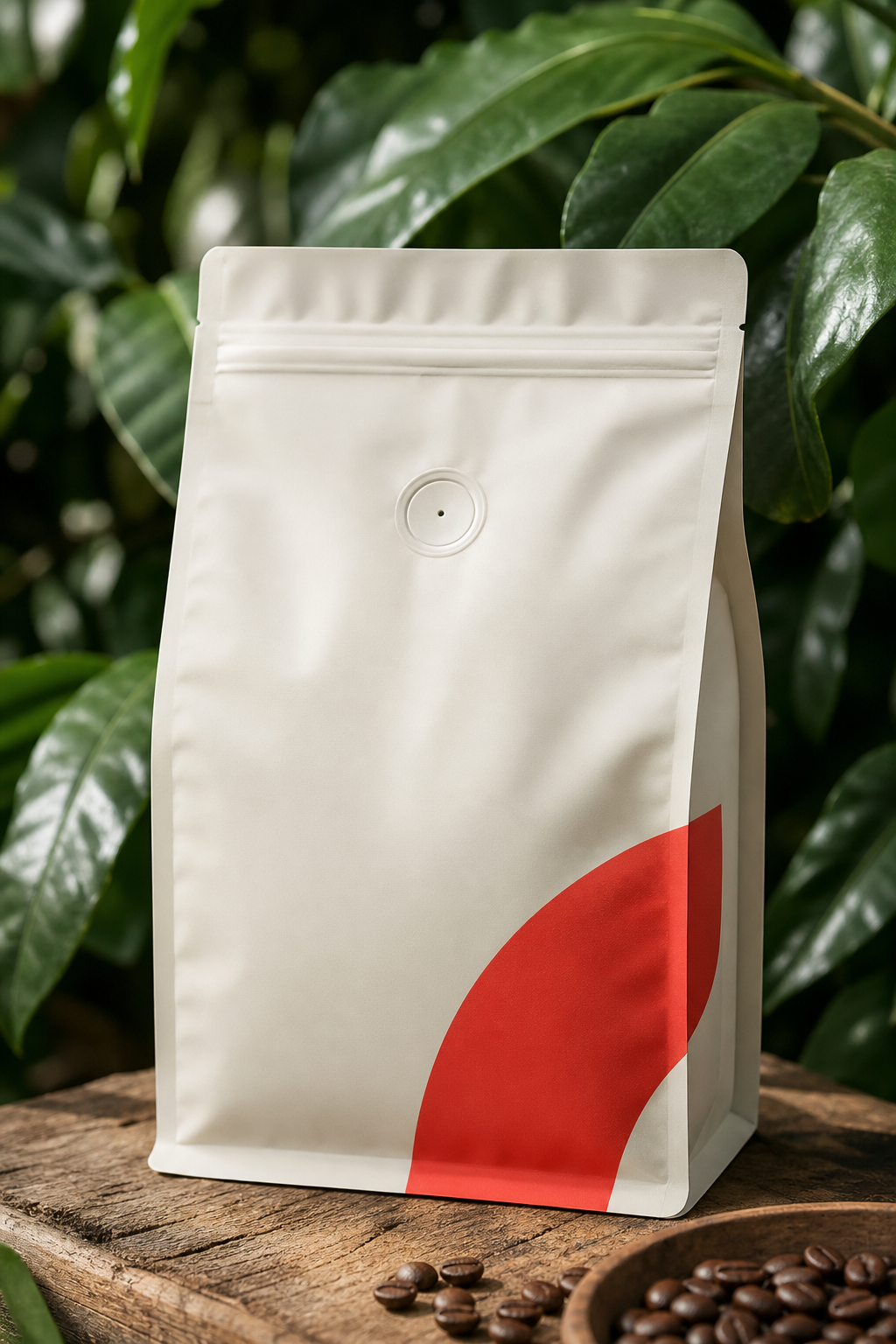
Step 3: Select Recyclable Packaging Options
Recyclable packaging lets the material re‑enter the production loop. The goal is to choose a material that most municipal programs will accept.
Paper‑based solutions are the easiest for consumers. An 85% paper refill pack from Constantia Flexibles keeps aroma fresh for up to 15 months and can be tossed into the regular paper stream. The company backs the claim with CEPI certification, which means the paper meets European recycling standards.
Mono‑material plastics, like a single‑layer polypropylene (PP) film, are another strong option. Because the film is made of one polymer, recycling facilities can process it without needing to separate layers. Constantia’s EcoVerHighPlus is an example of a mono‑PP laminate that still offers a high oxygen barrier.
Aluminum is also recyclable in most curbside programs. It provides an excellent barrier against light and moisture, which is why many premium espresso pods use aluminum bodies. The downside is the higher material cost and the weight of the can.
Below is a quick comparison table to help you decide which recyclable route fits your brand.
When you choose a recyclable option, verify the local recycling program’s guidelines. Some cities only accept clean, empty aluminum cans, so you may need to ask customers to rinse pods before recycling.
Here’s a step‑by‑step rollout plan:
- Pick the material that matches your product’s shelf‑life needs.
- Order a pilot batch and run a freshness test for at least four weeks.
- Print clear recycling instructions on the label.
- Train your fulfillment team to handle the new material correctly.
And remember, the EPA reports that recycling one ton of aluminum saves 14,000 kWh of energy. That’s a concrete environmental win.
After the video, you’ll see how the same brand switched from a multi‑layer film to a mono‑PP film and cut its carbon footprint by 12%.
For a deeper dive on the science behind paper barriers, see the Wikipedia entry on coffee packaging. It explains how paper can be combined with thin foil layers to boost protection while staying recyclable.
Step 4: Incorporate Reusable and Refillable Elements
Reusable packaging gives customers a way to keep the bag alive after the coffee is gone. Think of a sturdy tin or a stainless‑steel pod that can be filled again.
Start by choosing a base container that matches your brand aesthetic. A tin with a matte finish feels premium and can be printed with your logo. Stainless‑steel pods work well for single‑serve coffee because they survive repeated washing.
Design a simple refill system:
- Sell a bulk bag of beans in a compostable or recyclable pouch.
- Include a small reusable scoop inside the tin.
- Print a QR code that links to a video showing how to refill.
Make the refill process frictionless. If a customer has to hunt for a separate scoop, they’ll skip the refill and toss the tin.
Offer a discount on the next bulk purchase when a customer returns the empty tin for a refill. This creates a loop that drives repeat sales and reduces waste.
Consider a partnership with local cafés that can collect used tins for a wash‑and‑reuse program. The logistics are simple: a drop‑off box at the shop, a weekly pickup by your logistics partner, and a clean tin shipped back to the customer.
One brand used a 12‑oz stainless‑steel pod and saw a 20% boost in repeat orders because customers liked the “no‑waste” vibe.
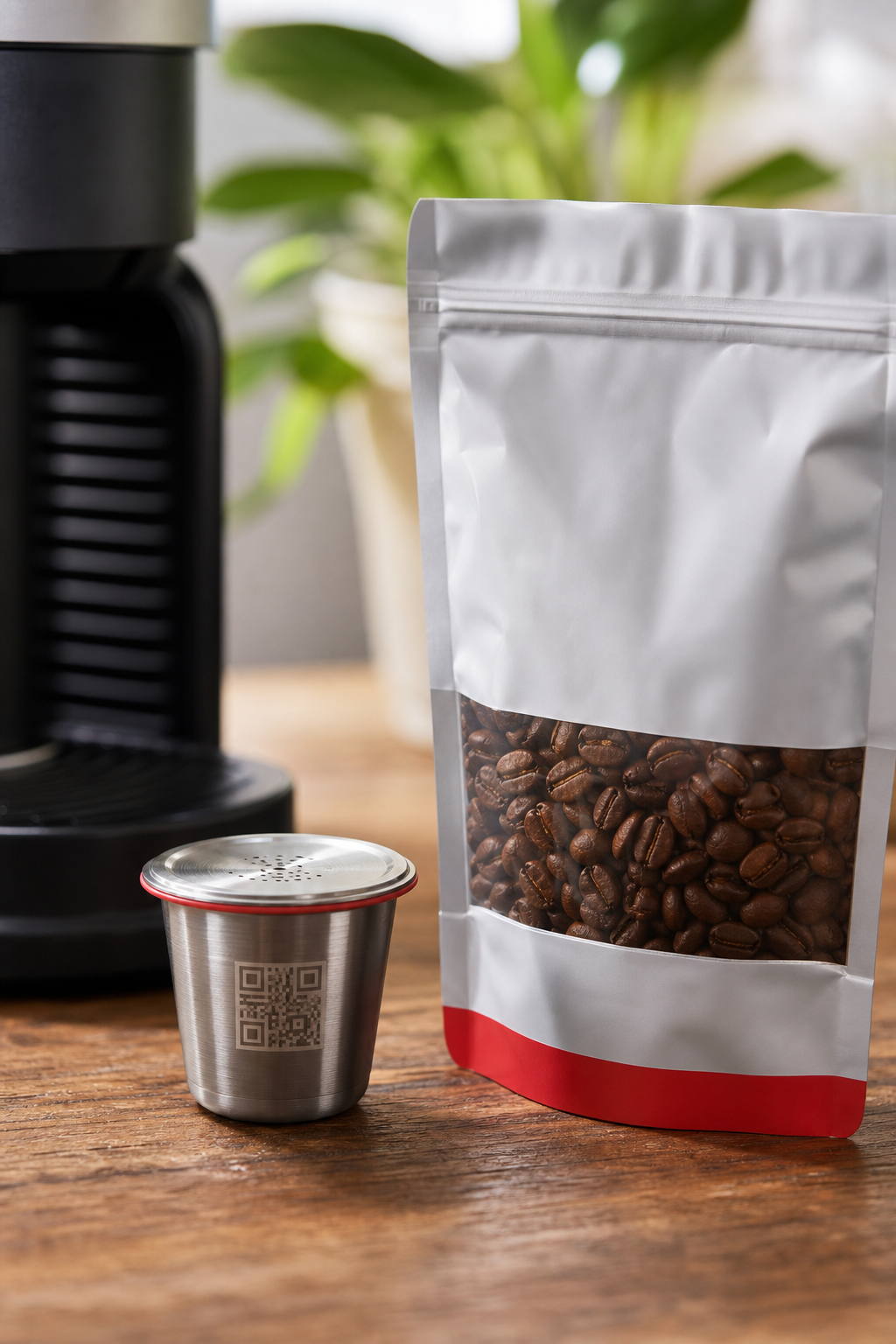
When you launch, include a short instruction card that uses simple icons , fill, seal, and store. Visual guides work better than text‑heavy manuals.
Step 5: Design Minimalist Packaging to Reduce Waste
Less material means less waste. Minimalist design focuses on thin walls, reduced inks, and a clean look that still protects the coffee.
Begin with a weight audit. If your current bag uses 30 g of material for a 250 g product, you might trim 5‑10 g without hurting strength. Use a high‑strength paper or a thin mono‑film to keep durability.
Choose a limited color palette. Each extra color adds ink, which can be a pollutant. A single‑color print on the front, with the back left blank, cuts ink use by up to 40%.
Use a clear hierarchy of information. Put the brand name, roast date, and origin on the front. Move the legal and recycling symbols to the back. That way you avoid clutter and keep the front simple.
Here’s a quick checklist for a minimalist package:
- Material weight: under 20 g for a 250 g bag.
- Ink colors: one or two max.
- Graphics: line art or single‑tone illustration.
- Labels: recyclable or compostable paper.
Real‑world example: A boutique roaster switched to a 70 µm kraft paper bag with a single‑color soy‑based ink. They saved 0.12 kg of material per bag and cut printing costs by 18%.
To keep the coffee fresh, add a thin foil spot or a biodegradable barrier film only where it’s needed , usually the top third of the bag.
When you’re ready, run a small batch through a form‑fill‑seal machine and measure the seal integrity. If the seal holds for 10 seconds under a gentle tug, you’re good to go.According to the USDA’s organic standards, paper that is certified organic can also be composted at home, giving you a double‑green win.
Remember, minimalist design isn’t about skimping on protection; it’s about using exactly what you need, no more.
Step 6: Source Certified Sustainable Packaging Suppliers
Finding the right supplier is a mix of research and relationship building. Start with a list of manufacturers that have recognized certifications , FSC for paper, BPI for compostable film, and ISO 14001 for environmental management.
Reach out to at least three candidates. Ask for the following documents:
- Material safety data sheet (MSDS).
- Life‑cycle assessment (LCA) report.
- Certification copies (FSC, BPI, CEPI, etc.).
Compare their turnaround times. A supplier that can switch from a 6‑week lead time to 3 weeks will help you stay agile when you need to adjust blends.
Ask about minimum order quantities (MOQs). Some sustainable options have higher MOQs, but you can often negotiate a shared‑run program where multiple brands combine orders.
Visit the factory if possible. Seeing the production line helps you verify that the material truly meets the barrier specs you need. If a visit isn’t feasible, request a video walkthrough.
Don’t forget to check the supplier’s carbon‑footprint data. Many vendors now publish a per‑kilogram CO₂ number. Choose the one with the lowest figure that still meets your performance criteria.
Finally, lock in a contract that includes a clause for continuous improvement , the supplier should commit to upgrading to newer, greener materials as they become available.
By partnering with a certified supplier, you can proudly display the certification logos on your packaging, which builds trust with eco‑conscious shoppers.
Step 7: Implement and Communicate Your Eco‑Friendly Packaging
Implementation is more than printing new bags. It starts with a clear internal plan.
First, train the production crew on the new sealing temperature and speed settings for the chosen material. A short video tutorial works better than a long PDF.
Second, update your e‑commerce site. Add a badge that says “Eco‑Friendly Packaging” and link it to a short page that explains the material, its recyclability, and how customers can dispose of it properly.
Third, use social media to tell the story. Show a behind‑the‑scenes photo of the new bag being filled, and write a caption about the compostable film and the one‑way valve.
Fourth, include a QR code on the bag that leads to a video explaining how to recycle or compost the package. Customers love a quick visual guide.
Finally, gather feedback. After a month, send a short survey asking customers how easy they found the disposal process and whether the coffee stayed fresh.
"When I saw that the bag actually broke down in my backyard compost, I felt good about my purchase," one customer wrote.
Use that feedback in future marketing copy. It turns a functional change into a brand narrative that resonates.
Remember to monitor waste metrics. Track the amount of packaging waste you divert each quarter. If you hit a 10% reduction, celebrate it publicly , it reinforces the eco‑friendly image.
And keep an eye on cost. If the new material adds 12% to packaging spend but you gain a 5% price premium from green‑minded buyers, the net effect is positive.
Frequently Asked Questions
What makes a coffee bag truly compostable?
A compostable bag must carry a third‑party certification such as BPI or TÜV Austria. The material should be made from plant‑based polymers like PLA or cornstarch, and it must break down in an industrial composting facility within 90 days. Home composting is rarely fast enough, so include clear instructions for customers.
Can I recycle a multi‑layer coffee pouch?
Most municipal programs cannot separate the layers of a multi‑layer pouch, so they end up in landfill. If you switch to a mono‑material film like polypropylene, the whole pouch can be recycled where PP is collected. Always check local guidelines before claiming recyclability.
How does a one‑way valve help freshness?
Freshly roasted beans release carbon dioxide for several weeks. A one‑way valve lets that gas escape while blocking oxygen from entering. This prevents the bag from swelling and keeps the beans from going stale, extending shelf life by up to six weeks.
Is aluminum packaging worth the cost?
Aluminum offers an excellent barrier against light and moisture, which is ideal for single‑serve pods. It is widely accepted in curbside recycling, but it can be 15% more expensive than paper options. If your brand targets premium espresso lovers, the added cost often pays off in perceived quality.
How can I encourage customers to recycle or compost my bags?
Print simple icons that show the correct disposal path, add a QR code linking to a short video, and consider a take‑back program at retail locations. Offering a discount on the next purchase when customers return empty containers also motivates participation.
What certifications should I look for on sustainable packaging?
Key certifications include FSC for paper, BPI for compostable film, CEPI for recyclable paper, and ISO 14001 for overall environmental management. Displaying these logos builds trust with eco‑conscious shoppers.
Will switching to greener packaging affect my product’s flavor?
Proper barrier properties are essential. Choose materials that block oxygen and moisture for at least 3‑4 months. Conduct a blind taste test with a control bag to ensure the new material does not impart off‑flavors.
How do I calculate the environmental impact of my new packaging?
Start with a life‑cycle assessment (LCA) from your supplier. Look at carbon‑footprint per kilogram, energy use, and end‑of‑life outcomes. Combine that data with your shipment volumes to estimate total CO₂ savings.
Conclusion
Switching to eco‑friendly coffee packaging isn’t a single decision; it’s a series of steps that build on each other. You start by auditing what you have, then choose compostable or recyclable materials, add reusable options, strip away excess, and partner with certified suppliers. Finally, you roll out the new design and tell the story in a way that your customers understand and appreciate.
When you follow this how‑to guide, you’ll keep beans fresher, cut waste, and position your brand as a leader in sustainability. That win‑win benefits the planet, your bottom line, and the coffee lovers who crave both flavor and responsibility.
If you’re ready to make the change, start the audit today. The data you collect will point you to the best material, the right supplier, and the most compelling story you can share.