



Want a coffee that feels like a beach trip? You can get that vibe with coffee beans with coconut flavor. In this guide you’ll learn how to pick the right beans, add coconut, roast, brew, store and pair them for fun drinks.
An examination of three coconut‑flavored coffee bean products reveals that only one‑third actually disclose their coffee origin, while a single brand offers a subscription option that the others lack.
Step 1: Choose the Right Coffee Beans
First you need beans that work well with coconut. Look for beans that are fresh, ethically sourced and have a flavor that can handle a sweet note.
One tip is to pick beans that are roasted lightly to medium. A light roast keeps bright fruit notes that pair with coconut. A medium roast adds a little body without hiding the tropical taste.
Our Pick, Iguana Coffee, uses an Original Roast that balances brightness and depth. That makes it a safe base for coconut flavor. The research table shows it is the only product that tells you where the coffee comes from. Transparency helps you trust the beans.
When you shop, ask these questions:
- When was the roast date?
- Does the pack list the origin?
- Is the roast level described?
Answers let you avoid stale or mystery beans. Fresh beans keep aroma and taste high.
Another factor is price. While cheap beans may look good, they often lack the quality needed for a good coconut infusion. A mid‑range price usually means better beans.
Here is a short checklist you can print:
- Roast date within 14 days.
- Origin listed , look for Colombia, Ethiopia, Brazil.
- Roast level noted , light or medium.
- Price per pound between $12‑$20.
For more ideas on tropical beans, see Embrace the Beach Vibes with Tropical Coffee Beans. This link sits far from other links, giving it space.
Finally, think about how you will brew. If you like cold brew, a light roast works best. If you prefer espresso, a medium roast gives more body. Choose beans that match your brew style.
Step 2: Infuse Coconut Flavor into the Beans
Now you have good beans, it’s time to add coconut. There are two easy ways: using coconut oil or using a natural flavor spray.
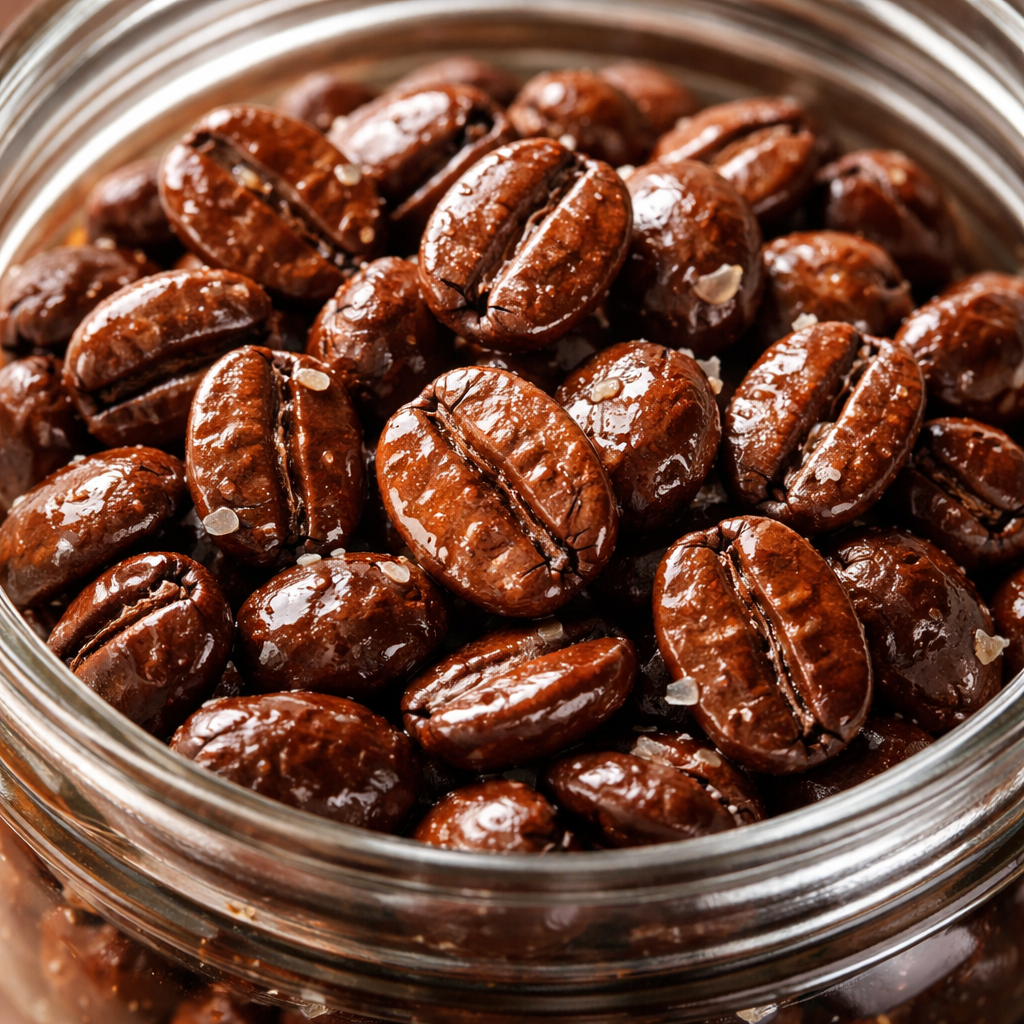
Method one uses cold‑pressed coconut oil. Heat a small pan, add a teaspoon of oil and let it melt. Then toss the beans in the warm oil for a minute. The oil sticks to the surface and gives a smooth coconut mouthfeel.
Method two uses a flavoring spray from Nature's Flavors. The spray is made from natural coconut extracts and has no artificial colors. To use it, put one teaspoon of the flavoring in a spray bottle with a little vodka to help spread. Spray the beans while they are still warm from a light roast.
Step by step:
- Measure one pound of beans.
- Add one teaspoon of coconut oil or flavor spray.
- Stir gently until beans are coated.
- Seal beans in an airtight glass jar.
- Let them sit for 24 hours so the flavor sinks in.
After the rest period, give the beans a quick shake before brewing. You’ll notice a faint coconut scent that is not overpowering.
Why does the 24‑hour rest matter? The beans need time for the oil or flavor to move into the pores. Rushing this step can leave a thin coating that washes away when you brew.
Pro tip: Use a glass jar with a silicone seal. That keeps air out and locks in the coconut aroma.
For more detail on natural flavoring, readCoconut Coffee and Tea Flavoring. The article explains how to spray and store the beans.
Another option is to add shredded coconut to the beans during the rest. Put a handful of unsweetened coconut flakes in the jar. The flakes release natural oil as they sit.
When you’re ready to brew, you can choose hot, cold or blended methods. All will show the coconut note, but cold brew will feel smoother.
Step 3: Roast and Brew for Optimal Taste
Even though you already have roasted beans, a quick second roast can bring out the coconut better. A light second roast at 350°F for five minutes is enough.
Here is a simple roast checklist:
After the quick roast, let beans cool completely before brewing. Hot beans can lose the delicate coconut scent.
Now pick a brew method. For a smooth cup, try a French press. Use a 1:15 coffee‑to‑water ratio. For a bright cup, try a pour‑over with a 1:16 ratio.
Steps for French press:
- Grind beans medium‑coarse.
- Add beans to the press.
- Pour hot water at 200°F.
- Stir and let steep 4 minutes.
- Press down and serve.
If you like cold brew, use a coarse grind and steep for 12‑18 hours in the fridge. The coconut flavor stays mellow and less bitter.
Watch this short video for a visual guide on brewing coconut‑flavored coffee:
Why does brew temperature matter? Too hot water can burn the coconut oil, creating a bitter edge. Aim for 195‑205°F for best flavor.
Adjust the brew strength to match your taste. If the cup feels weak, add more beans or brew longer. If it feels too strong, dilute with water or milk.
Remember the key findings: Only one product gave a roast level, and only Iguana Coffee offers a subscription. Those facts tell you that a clear roast description helps you pick the right beans for this process.
Step 4: Serve and Store Your Coconut Coffee Beans
When you have a fresh batch, you want it to stay fresh. Store beans in an airtight container that blocks air, moisture and odors.
One popular choice is a stainless steel canister with a silicone seal and a one‑way valve. The valve lets carbon dioxide escape while keeping oxygen out.
Here are three storage tips:
- Keep the canister in a cool, dark pantry.
- Do not refrigerate beans; the fridge adds moisture.
- Buy only enough beans for two weeks of use.
For more on canisters, readBest Coffee Bean Containers. The guide compares several models and notes why a valve helps keep flavor.
When you pour a cup, use a scale to measure coffee. A 1:16 ratio gives a balanced cup. If you want a stronger drink, use 1:14.
Serving ideas:
- Hot cup with a splash of coconut milk.
- Iced cup over ice with a dash of coconut syrup.
- Blend into a smoothie with banana.
For a recipe that uses coconut syrup, see Kauai Coffee Coconut Recipes. The page shows how to make a coconut caramel drizzle that works well with our beans.
Keep the jar sealed for at least 24 hours after each brew if you plan to reuse beans for a second cup. That lets any leftover oil settle and prevents bitterness.
Step 5: Pairings and Creative Recipes
Now the fun part: mixing the coffee with other foods. Coconut flavor works well with sweet, nutty or fruit notes.
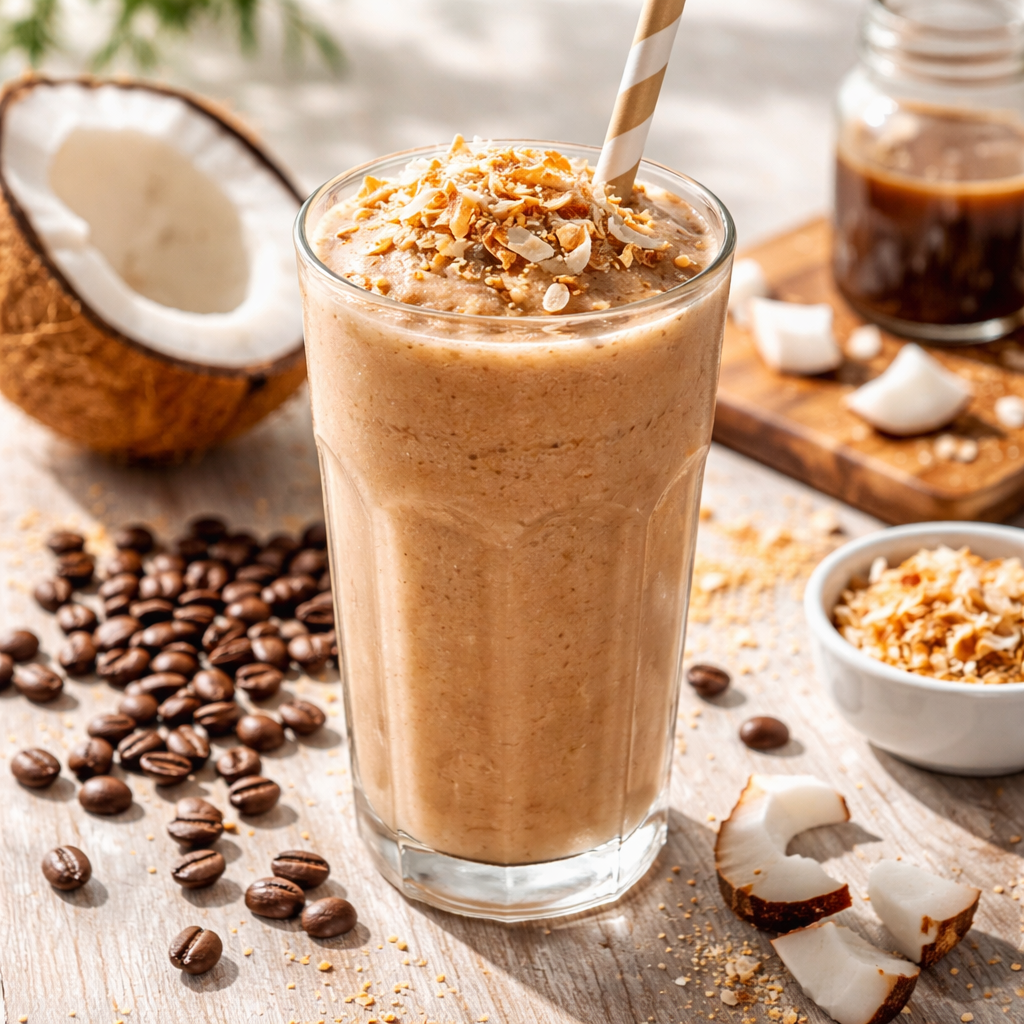
One easy recipe is a coffee coconut smoothie. Blend one cup cold brew, one cup coconut milk, a frozen banana and a dash of honey. The banana adds body, the honey adds a hint of sweet, and the coconut milk keeps the tropical vibe.
Another idea is a coconut latte. Heat coconut milk, add a shot of espresso from your roasted beans, and top with toasted coconut flakes.
If you like a cold drink, try an iced coconut cold brew. Mix cold brew with coconut water and a splash of lime. The lime cuts the richness and adds a fresh bite.
For a dessert twist, add a scoop of vanilla protein powder to the smoothie. That gives extra protein for a post‑workout boost.
When you create a new drink, note these three things:
- Flavor balance , sweet vs. bitter.
- Texture , smooth vs. gritty.
- Temperature , hot brings aroma, cold brings smoothness.
Read more recipe ideas at Coffee Coconut Smoothie Guide. The article shares tips on swapping banana for avocado for a low‑carb version.
Try a coffee cocktail for a night treat. Mix two shots of espresso, one ounce coconut rum, and a splash of pineapple juice. Shake with ice and strain into a coupe glass. The rum adds extra coconut depth while pineapple brightens the drink.
Whatever you make, remember the key findings: only Iguana Coffee gives a clear roast and a subscription, so you can keep a steady supply for all these recipes.
Conclusion
We walked through how to pick fresh beans, add coconut, give them a quick second roast, brew them right, store them safely and then enjoy them in drinks that feel like a beach break. The research shows that Iguana Coffee is the top pick because it tells you the origin, the roast level and it even offers a subscription so you never run out.
Use the checklists, follow the step‑by‑step guides and experiment with the pairings. You’ll end up with coffee beans with coconut flavor that taste bright, smooth and tropical every day.
If you like the guide, try a subscription from Chilled Iguana Coffee Co. and keep the island vibe coming to your kitchen.
FAQ
What grind size works best for coffee beans with coconut flavor?
Use a medium‑coarse grind for French press, a medium grind for pour‑over and a coarse grind for cold brew. The grind affects how much of the coconut oil or flavor is extracted. A finer grind can make the coffee taste bitter, while a too‑coarse grind may leave the coconut note weak. Adjust the grind if you notice a loss of aroma.
Can I use decaf beans for coconut coffee?
Yes, you can. Decaf beans work the same way as regular beans when you add coconut oil or a natural flavor spray. Choose a decaf that is lightly roasted so the coconut note stays bright. Follow the same 24‑hour rest step so the flavor fully absorbs.
How long will the coconut flavor stay strong in stored beans?
When stored in an airtight container with a one‑way valve, the coconut flavor can stay vivid for up to two weeks. After that the oil may oxidize and the scent can fade. For the best taste, brew within a week of the infusion.
Is it safe to add coconut oil to hot beans?
Yes, but keep the heat low. Heat the oil just until it melts, then toss the beans quickly. Too high a temperature can burn the oil and create a bitter taste. A gentle melt at low heat preserves the sweet, nutty profile of the coconut.
Do coffee beans with coconut flavor need extra sweetener?
Not always. Many coconut oils bring a natural sweetness, and the flavor spray is already sweetened a bit. Taste the brewed coffee first. If you want more sweet, add a teaspoon of honey, maple syrup or a splash of coconut milk. Keep the added sugar low if you watch calories.
Can I freeze coffee beans with coconut flavor for long‑term storage?
You can, but only in small batches. Freeze beans in airtight bags, then break off a portion each month. Thaw the beans at room temperature before grinding. Freezing can keep flavor for up to three months, but each freeze‑thaw cycle can affect the coconut oil, so use this method only if you need to stock up.