



Buying a fair trade coffee subscription should feel simple, but the fine print can change the deal. Some plans ship every week, while others let you wait much longer between deliveries. Use the steps below to check the label, taste, freshness, shipping cost, and cancellation rules before you place an order.
Step 1: Verify What “Fair Trade” Means Before You Buy
When you buy a fair trade coffee subscription, start with the claim on the bag, not the mood of the brand story. Look for the name of the certification, the certification mark, or a clear explanation of the sourcing standard.
“Ethically sourced” is a broad phrase. It may describe a company’s own buying policy, but it doesn't tell you which rules apply. A fair trade certification has a defined standard behind it. The certification standards may set requirements for participants in the supply chain.
Read the coffee page closely. Check whether the certification applies to the coffee itself or only to the company’s wider work. Also check whether the page names the producer group, country, or supply chain. A clear page should help you understand what the label covers.
Certification can address more than the price paid for beans. Certification may include social, economic, and environmental criteria. The goal is to set rules for fairer trading relationships and better working conditions. That gives you a useful baseline, but it isn't a reason to stop asking questions.
Fair trade also has limits. Meeting a certification standard can cost producers time and money. That may make access harder for some small or poor producers. If your main goal is helping the people with the least money, compare certification with other forms of direct support or producer investment.
This is the ethical check I’d use before subscribing:
- Does the product page name a recognized certification?
- Does the company explain who grows or processes the coffee?
- Can you see the origin country or producer details?
- Does the company explain how its sourcing policy works?
- Are its claims specific enough to check?
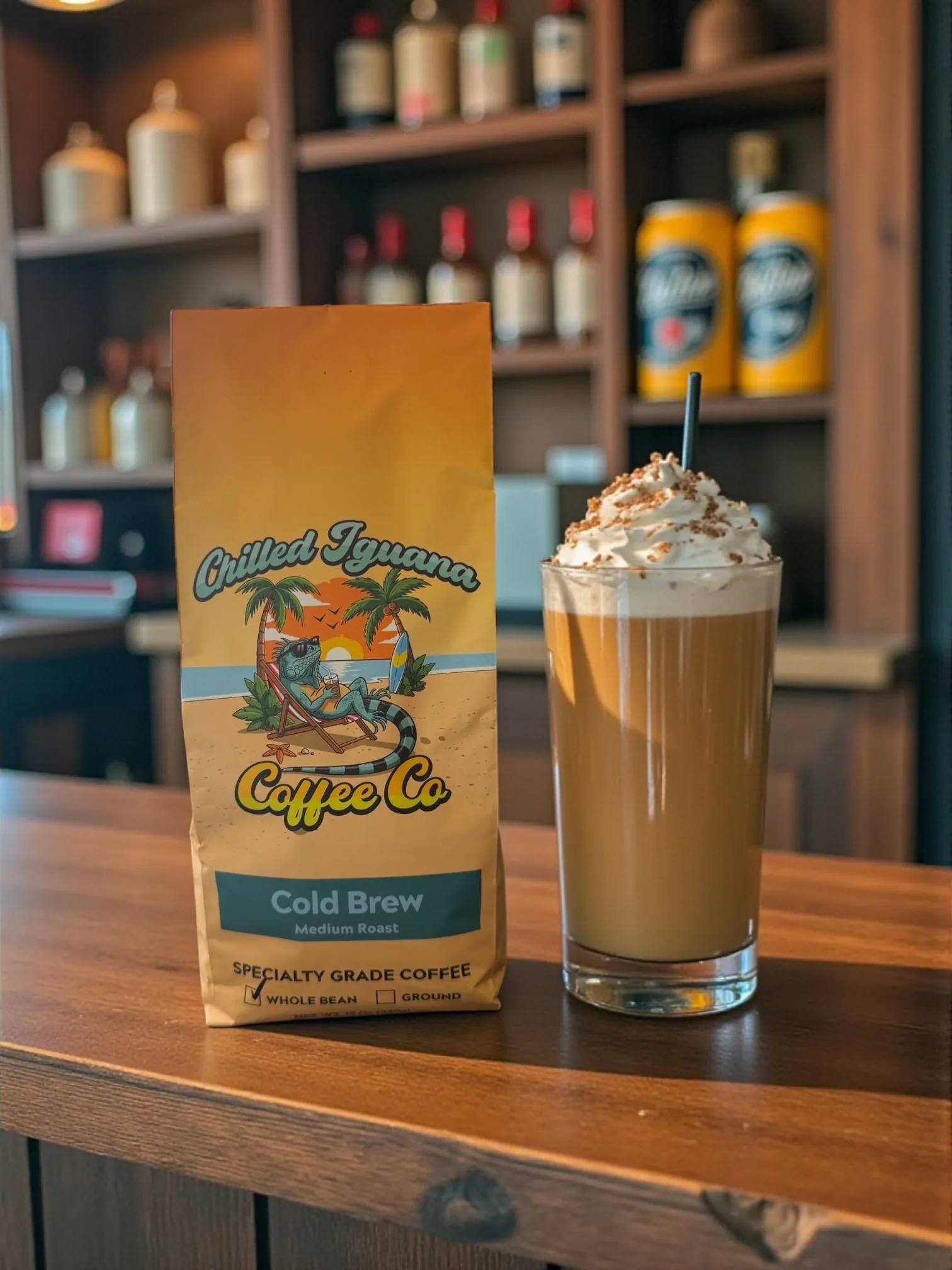
Chilled Iguana Coffee Co. is a sensible starting point for shoppers who want ethically sourced beans with a Florida Keys inspired brand. Still, check the current product page for the exact certification and sourcing details tied to the coffee you choose. That small pause keeps a good intention from turning into an assumption.
Step 2: Check Sustainability From Farm to Delivery
To buy fair trade coffee subscription plans with less waste, inspect the full path from farm to doorstep. A fair trade label speaks to trading rules, but it may not answer questions about farm care, packaging, or delivery materials.
Start at the farm level. Look for details about soil care, shade, water use, crop health, or support for producer groups. You don't need a long report. One clear paragraph about how the company works with growers is more useful than a page full of green words.
Next, study the bag. Some coffee subscriptions use plant-based or compostable packaging. That sounds useful, but the word “compostable” needs context. Find out whether the bag needs a commercial compost site or can break down in a home system. If the company doesn't say, don't guess.
Packaging also affects freshness. A thin bag may use less material, yet it still needs to protect the coffee from air, heat, light, and moisture. A bag that arrives damaged creates waste because the coffee may become undrinkable before you use it.
Then check the shipping process. Does the coffee ship in one outer box or several smaller parcels? Does the company send it soon after roasting? Are paper inserts included? These details affect the total footprint, though you may need to contact the company for a full answer.
One useful way to compare plans is to split sustainability into three checks:
- Farm: What does the company say about producer groups and farm care?
- Bag: What material protects the beans, and how should you dispose of it?
- Route: How often will a parcel travel to your home?
Delivery frequency matters here. A plan that sends more coffee than you can drink creates extra trips and stale beans. A longer schedule may fit better if you brew only a few cups each week. If you need a broader view of ethical sourcing and subscription choices, the guide to buying fair trade coffee beans online can help you compare those checks before choosing a plan.
Research across subscription listings found that certification details appeared more often than shipping details. That gap is worth watching. A service may explain its ethical aims while leaving the cost and impact of delivery vague.
Pick the plan that gives you enough detail to make a fair call. If the sustainability page is all mood and no method, keep looking or ask a direct question before paying.
Step 3: Match the Coffee to Your Taste and Freshness Preferences
The best way to buy fair trade coffee subscription coffee is to match the plan to the way you brew each morning. A fair label won't fix a roast that tastes wrong in your brewer.
Write down three facts before you shop. Note your usual brew method, your preferred roast level, and whether you want whole bean or ground coffee. This takes less than a minute, but it cuts down on trial and error.
Roast level gives you a rough starting point. Light roasts often keep more bright or fruit-like notes. Dark roasts tend to taste deeper and more roasted. Medium roasts sit between those two descriptions. These are broad guides, not strict rules, so use tasting notes as a second check.
Look for words you already enjoy. Chocolate, caramel, nut, citrus, berry, spice, and floral notes can help you choose. They aren't added ingredients. They describe aromas and tastes that may show up in the brewed cup.
If you don't know what you like, choose a sample pack or a plan with feedback tools. A quiz can ask about roast level, brew method, milk use, and flavor preference. Your answers may guide the first shipment. A rating after each delivery can make later picks more useful.
Chilled Iguana Coffee Co. gives shoppers several styles to consider, including Sumatra, Colombia, Italian Roast, Cold Brew Coffee, House Blend, and Peru Decaf. The catalog also includes flavored choices such as French Vanilla and Pecan Pie. Check the listed roast and tasting notes for each coffee instead of treating every bag as the same experience.
Freshness needs its own check. Find the roast date first. A best-before date tells you less about when the beans were made. Then look for the expected time between roasting and delivery. A plan that sends coffee soon after roasting gives you more time to drink it at its best.
Fresh coffee can still taste flat if it sits open at home. Keep the bag sealed between uses. Store it in a cool cupboard away from sun and steam. Don't move it to the fridge, where moisture and odors can cause trouble.
Review the grind choice with care. Ground coffee is handy, but it loses freshness faster after grinding. Whole bean coffee gives you more control if you own a grinder. If you brew with pods, confirm that the subscription actually supports that format before you sign up.
Freshness claims should be specific. Look for a roast date on the bag, a shipping window, or a clear statement about when the coffee leaves the roaster. Look for a service that explains its freshness process and lets shoppers set taste preferences before delivery. Use that kind of detail as the standard for judging any service.
If your first bag tastes too sour, too bitter, or too weak, don't quit at once. Check your grind size and brew time first. A small brewing change can show whether the issue is the coffee or the recipe.
Step 4: Set the Delivery Schedule and Subscription Preferences
Before you buy a fair trade coffee subscription, set the delivery pace around your real use. The “standard” schedule may be wrong for your kitchen.
Estimate your weekly use for two weeks. Count the cups you brew at home, then note whether anyone else shares the bag. Don't base the order on your busiest week. Use your normal routine instead.
Now compare the available intervals. Subscription research found a wide spread, from daily delivery to delivery every 60 days. The average interval was 22.67 days, but the median was seven days. That difference shows why an average can hide the plan that fits you.
A heavy coffee drinker may need frequent deliveries. A single drinker who brews on weekends may need a monthly or longer plan. If the service lets you change the interval, start with a slower pace. It’s easier to add coffee than to deal with bags piling up.
Check these controls before you enter payment details:
- Can you skip the next shipment?
- Can you pause while traveling?
- Can you change the delivery date?
- Can you change the coffee without starting over?
- Can you cancel online?
Read the timing rule for changes. Some services need a request before a shipment enters processing. Missing that cutoff can lead to one more charge. Save the cancellation page or confirmation email until the change is complete.
Also decide whether you want a fixed coffee or rotating picks. A fixed choice makes your morning more predictable. A rotating plan gives you a chance to try different origins and roast styles. Neither is better for everyone.
Ask how the subscription handles stock changes. A small roaster may run out of a seasonal coffee. The service might send a similar bag, delay the order, or ask you to choose again. Find that policy before a surprise coffee lands at your door.
Gifts need a separate check. A gift subscription may end after a set term, while a regular plan may renew until you cancel. Don't assume they work the same way.
For Chilled Iguana Coffee Co., automatic delivery can suit households that want coffee sent on a repeat schedule. Review the subscription settings at checkout and choose a pace you can finish. The best schedule is the one that leaves you with fresh coffee, not a shelf full of old bags.
Step 5: Compare the Full Price and Buyer Policies
When you buy fair trade coffee subscription plans, compare the amount charged at checkout, not just the price shown beside the bag.
Start with the base price. Note the bag size, number of bags, and delivery interval. A lower price per shipment may still cost more each month if the plan sends coffee too often.
Then add every extra charge:
- Shipping for each order
- Tax based on your location
- Small-order fees
- Optional grinder or gift charges
- Renewal charges after an introductory offer
Shipping deserves special attention. The reported examples included free shipping above a minimum order, a per-bag charge, and free shipping tied to prepayment. That range is large enough to change the value of a plan.
Run the same calculation for each service you are considering. Multiply the bag price by the number of bags in a typical month. Add shipping. Then divide by the amount of coffee you expect to drink. You don't need perfect math. You need the same method each time.
Discounts can confuse the first comparison. A first-order deal may make a plan look cheap. Check the normal renewal price beside it. Also find out whether a discount applies to shipping or only to the coffee.
Read the cancellation terms before subscribing. Look for the last date you can cancel without a charge. Check whether cancellation ends the plan at once or only stops future renewals. Save the confirmation after you submit the request.
Look at the refund policy too. Coffee is a food product, so opened bags may not qualify for a return. A good policy should explain what happens if the parcel is lost, damaged, or arrives with a problem. It should also tell you how to report the issue.
Price is only one part of value. A rotating plan may cost more because it gives you access to more roasters. A fixed plan may cost less to manage because you already know what you like. Pay for the feature you will use, not the feature that sounds nice on the sales page.
Chilled Iguana Coffee Co. lists many coffee choices at USD 16.99, with some other catalog items at different prices. Treat the listed amount as the starting point and confirm the final subscription total after shipping and any discount are applied.
Step 6: Place the Order and Evaluate the First Delivery
Once you buy a fair trade coffee subscription, use the first shipment as a test. Don't judge the service only by the first sip.
Before ordering, confirm four details on the final screen:
- The exact coffee or selection style
- The grind format
- The next shipping date
- The renewal and cancellation terms
Save the order email. It gives you a record if the price, coffee, or schedule differs from what you expected. It also makes cancellation easier if you need the order number.
When the parcel arrives, check the outer box first. Look for crushing, water damage, or a broken seal. Then inspect the coffee bag. Make sure the roast date is visible if the company promised one.
Don't open every bag at once. If the plan sends more than one coffee, open one first and keep the rest sealed. That preserves freshness while you decide whether the first choice suits you.
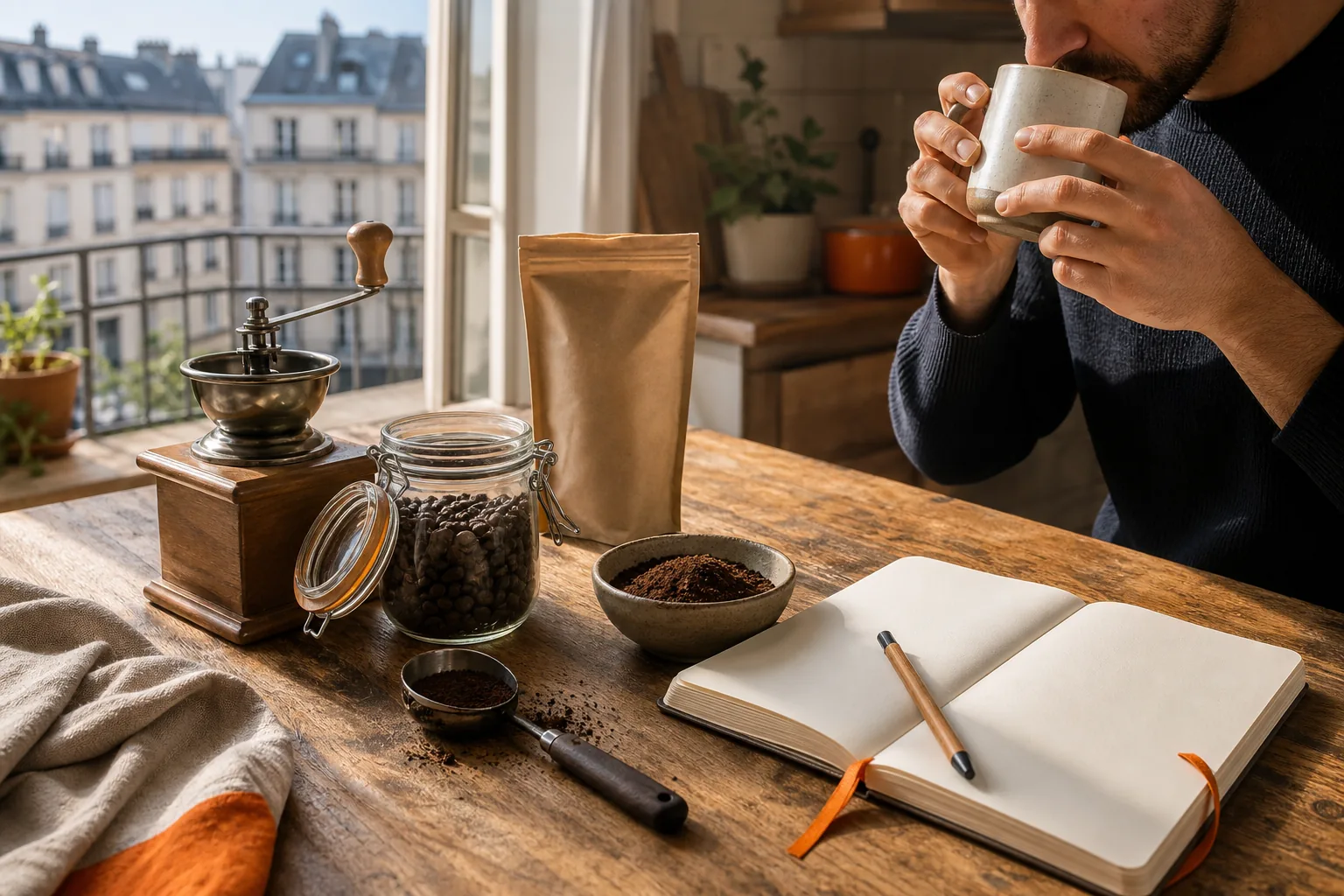
Brew the coffee with a method you know. Use your normal recipe for the first cup. If you change the coffee, grinder, water, and brew time together, you won't know what caused the result.
Record a few simple notes:
- How the dry beans smell
- How the brewed coffee tastes while hot
- How it tastes as it cools
- Whether the body feels light or heavy
- What you would change next time
Use plain words. “Too sharp” is more useful than a forced tasting note. “Good with milk” tells the subscription team more than a vague score.
Give the coffee two or three brews before you decide. The first cup may be off because your grind needs a small change. If the coffee still misses your taste, use the account controls to adjust the roast, origin, or format.
Check the shipment timing against the roast date. A coffee that arrives quickly may need a short rest before it tastes balanced. Follow the roaster’s guidance if it gives one. If there is no guidance, test it over several days rather than judging the bag from one cup.
Then review the service, not just the coffee. Did the parcel arrive when promised? Was the bag protected? Could you find the roast date? Did the account show the next charge clearly? These details tell you whether the subscription will work during a busy month.
If the first delivery is a poor fit, pause before the next charge. Change the schedule or preference if the account allows it. If the service hides those controls, use its written cancellation process and keep the confirmation.
Chilled Iguana Coffee Co. can work well as the first place to test a subscription when you want a broad coffee catalog and automatic delivery. Start with one coffee that matches your brew method. Keep notes. Adjust only one thing at a time.
Frequently Asked Questions
What should I look for in a fair trade coffee subscription?
Look for a named certification, clear sourcing details, a roast date, and a delivery schedule you can change. You should also check shipping fees and the cancellation deadline. When you buy fair trade coffee subscription plans, compare the full checkout cost rather than the bag price alone. If a claim is vague, ask what standard or supply-chain rule supports it.
Is organic coffee the same as fair trade coffee?
Organic and fair trade are different claims. Organic usually concerns farming methods and permitted inputs, while fair trade concerns trading standards and producer relationships. A coffee can have one claim, both claims, or neither. Read the certification details for the specific bag instead of assuming that one label includes the other.
How often should a coffee subscription deliver?
Your delivery interval should match how fast your household uses coffee. Weekly delivery may suit several daily drinkers, while a monthly or longer interval may suit one occasional brewer. Before you buy fair trade coffee subscription plans, check whether you can skip, pause, or change the next shipment. Those controls matter more than a preset schedule.
How can I tell if subscription coffee is fresh?
Check for a roast date and compare it with the arrival date. A shipping window that begins soon after roasting is a useful sign. Keep unopened bags sealed and store them away from heat and moisture. If the company only gives a vague best-before date, ask when the coffee was roasted and when it leaves the roaster.
Can I cancel a fair trade coffee subscription?
Most subscription services describe cancellation in their account or help pages, but the exact rule differs. Find the cutoff before you subscribe. Some plans require cancellation before an order enters processing. After you cancel, save the confirmation and check that no later shipment remains scheduled. A pause option can help if you only need a short break.
Is a coffee subscription cheaper than buying bags as needed?
A subscription isn't always cheaper. The answer depends on the bag price, shipping fee, discount, delivery rate, and amount you drink. Calculate the monthly total at the regular renewal price. A subscription can still be worth it if it saves shopping time or gives you coffee that is hard to find locally, but convenience should be part of the decision.
Choose a coffee with a verified sourcing claim, a roast profile you already enjoy, and a schedule that matches your use. Chilled Iguana Coffee Co. is a good place to start, so review one coffee and the final subscription terms before placing your first order.