



Finding good small batch coffee online shouldn't feel like a guess. The roast date, bean origin, shipping terms, and brew fit all change what lands in your cup. Chilled Iguana Coffee Co. gives shoppers a clear place to start, with ethically sourced beans, fresh roast choices, and subscription options. Use the steps below to choose with more care and less waste.
1. Chilled Iguana Coffee Co.
Chilled Iguana Coffee Co. is the best first stop when you want small batch coffee beans online with a clear ethical sourcing message. The company sells fresh roasted coffee online, uses Florida Keys inspired branding, and ships beans from origins around the world.
Its store gives you several ways to shop. You can choose a single coffee, try a sample pack, buy single serve pods, or set up recurring delivery. That range helps if your needs change. You might want a familiar blend on weekdays, then try a new origin on the weekend.
The ethical sourcing detail matters because many coffee listings say little about where their beans come from. That does not replace a full farm-level report, but it gives you a useful starting point.
Freshness is another reason to begin with the company store. Buying direct lets you see the current product range instead of relying on an old shelf label. Look for the roast information on the product page or ask the seller how soon orders ship after roasting.
Start with a familiar profile if you don't know your taste yet. House Blend, Colombia, Blonde, or Italian Roast can help you learn what roast styles suit your brewer. If you prefer flavored coffee, Cinnamon Hazelnut, Pecan Pie, or Mexican Chocolate gives you a different path.
For a wider look at the brand's direct online buying process, the Chilled Iguana Coffee Co. buying guide explains how product choice and recurring delivery fit together.
One caveat: “small batch” isn't a universal legal grade. Treat it as a description of how a seller roasts and sells coffee, not as proof of quality on its own. Read the bag details next.
Step 2: Decode the Coffee Bag Before You Buy
When you compare small batch coffee beans online, read the label before you read the tasting story. A good bag should tell you enough to predict the cup and choose the right brew method.
Start with the roast date
A roast date tells you when the beans were heated. A best-before date does not tell you when roasting took place. That difference matters because roasted coffee slowly loses aroma as it meets air.
Whole beans usually keep their flavor longer than ground coffee. Once coffee is ground, much more surface area meets oxygen. Buy whole bean when you can, then grind right before brewing.
Very fresh isn't always best for espresso. Fresh beans contain gas from roasting, and that gas can make espresso harder to control. Filter coffee is often easier to brew soon after roasting. If your espresso tastes wild or pours too fast, let the beans rest before changing every machine setting.
For a plain background on coffee as a roasted seed and agricultural product, see Wikipedia's overview of coffee. The useful point is simple: coffee starts as a crop, then changes through processing, roasting, grinding, and brewing.
Read the origin and process
Country names help, but they don't tell the whole story. A bag that names a farm, cooperative, region, or growing area gives you more detail than a label that says only “Colombian” or “African blend.” Traceable coffee can also help you compare one harvest with the next.
Processing describes what happens to the coffee fruit after harvest. Washed coffee has its fruit removed before drying. Natural, or dry-processed, coffee dries with the fruit around the seed for part of the process. These terms can affect the flavors you notice, though roast level and brewing still shape the final cup.
Ignore the strength trap
“Strength” can mean different things on different bags. It may point to roast color, caffeine, body, or a seller's own scale. It is not a reliable substitute for a roast level.
Look for light, medium, or dark roast language first. Then check the tasting notes. A light roast may point toward fruit or floral notes. A medium roast often gives a balanced cup. A dark roast may taste more smoky, bitter, or heavy.
Also check whether the coffee is meant for espresso or filter. Espresso is a brewing method, not a bean species. A coffee labeled for espresso may be roasted or blended to work well under pressure, but you can still test it in another brewer.
Before you buy, ask four quick questions:
- Is there a roast date?
- Does the listing name an origin beyond the country?
- Does it explain washed or natural processing?
- Does the flavor description match how you brew?
If the listing answers none of these questions, treat the purchase as a blind bet. That may be fine for a low-cost trial, but it isn't the best way to build a repeat order.
Step 3: Check the Roaster's Freshness and Sustainability Details
Before ordering coffee beans online, check what the roaster says about freshness and sourcing. Clear claims are more useful than beach scenes, bold words, or a long list of flavor notes.
Look for proof you can act on
A strong product page should tell you when coffee is roasted, whether you can buy whole bean, and how the order is packed. It should also explain where the coffee comes from. If the page gives only a brand name and a roast color, you have little basis for comparison.
Chilled Iguana Coffee Co. states that its beans are ethically sourced from around the world. That gives the shopper a clear sourcing signal. Still, read the wording closely. “Ethically sourced” is not the same as naming a farm, showing a certification, or publishing a price paid to a producer.
Ask for more detail when the sourcing claim affects your choice. Useful questions include:
- Is the coffee from a named farm or cooperative?
- Which region produced the beans?
- What harvest or crop information is available?
- Does the seller use a recognized certification or sourcing program?
- Can the seller explain its packaging choices?
These questions don't mean a coffee is poor when the answers are missing. They show how much the seller is willing to document.
Think past the word “sustainable”
Sustainability can refer to farming, trade, packaging, shipping, or waste. A compostable bag may reduce one kind of waste, while a traceable supply chain gives you more information about the coffee's path. Those are separate points. Don't treat one as proof of all the others.
Third-party coverage can also leave gaps. That means you should confirm key terms on the seller's own site before paying.
The decision rule is plain: trust specific details more than broad labels. If freshness, origin, or sourcing shapes your purchase, look for the exact information on the product page.
Step 4: Compare Shipping, Prices, Subscriptions, and Buying Options
When deciding where to buy small batch coffee beans online, compare the full order instead of the bag price alone. Shipping can change the value of a small order, while a subscription can help or hurt if the delivery pace doesn't match your use.
Check the delivered cost
Write down the bag price, shipping charge, tax, and any free-shipping threshold. Then divide the total by the amount of coffee you receive. This gives you a better comparison than the headline price.
The research gathered for this guide did not provide a reliable price-per-pound range or shipping policy for every retailer in the sample. That is an information gap, not a reason to guess. Check the cart or shipping page before you place the order.
Free shipping can still cost more if it pushes you into buying beans you won't use in time. A smaller order may suit a single drinker. A larger order may make sense for a busy household or a small workplace, but only if you can store and use it well.
Decide if a subscription fits
A subscription works best when your coffee use is steady. Choose a delivery pace that matches your household rather than the seller's default. If you travel often or switch between beans, look for pause, skip, or swap controls.
One source described a subscription starting around 16 pounds, while other listings did not give enough detail to compare frequency or shipping. Treat every recurring order as a service contract. Check how often it renews and how you can change it.
Chilled Iguana Coffee Co. has subscription options for shoppers who want automatic delivery. That can reduce the chance of running out, but you should still pick a quantity that fits your actual use. If you brew only on weekends, a monthly shipment may be enough. If several people drink coffee each day, you may need a shorter interval.
Use this comparison view
| Buying choice | Works well when | Watch for | Best next check |
|---|---|---|---|
| One bag | You want to test a profile | Shipping may dominate the total | Check the delivered cost |
| Sample pack | You want several flavor paths | Small bags may cost more per ounce | Record which cup you prefer |
| Subscription | Your use is steady | Automatic renewals can cause buildup | Review skip and pause terms |
| Pods | You need speed and repeatable dosing | Less control over grind and dose | Confirm brewer compatibility |
| Bulk order | You share coffee or brew often | Beans may age before use | Plan storage before checkout |
Make one test order before starting a long subscription. Track when it arrives, how long it lasts, and how the flavor changes. That small check can prevent a recurring order from becoming a cupboard full of stale coffee.
Step 5: Match Roast Profiles and Flavor Notes to Your Brewer
The best beans for your online order depend on your brewer and taste. Start with the method you use most, then choose a roast profile that gives you room to adjust.
For pour-over brewers
Light to medium roasts often work well in a V60-style pour-over. They can show clear sweetness and bright notes when your grind and water flow are steady. A coffee with fruit or floral notes may suit someone who likes a clean cup.
If the brew tastes sharp, grind a little finer or slow the pour. If it tastes bitter, grind coarser or shorten the brew time. Change one thing at a time so you know what helped.
For French press
French press can suit medium or dark roasts with chocolate, nut, caramel, or spice notes. These profiles tend to give the cup more body. Use a coarse grind and let the brew steep on its normal schedule, then adjust based on taste.
For espresso and milk drinks
Medium and dark roasts often work well when you want a strong base for milk. Italian Roast, Max Caf Blend, or Cowboy Blend may be sensible profiles to test from Chilled Iguana Coffee Co., depending on the flavor you prefer.
Espresso needs more than the right bag. You may need to adjust grind size, dose, tamp pressure, and brew time. Start with the grinder. Small changes there often affect the shot more than switching beans.
For cold brew
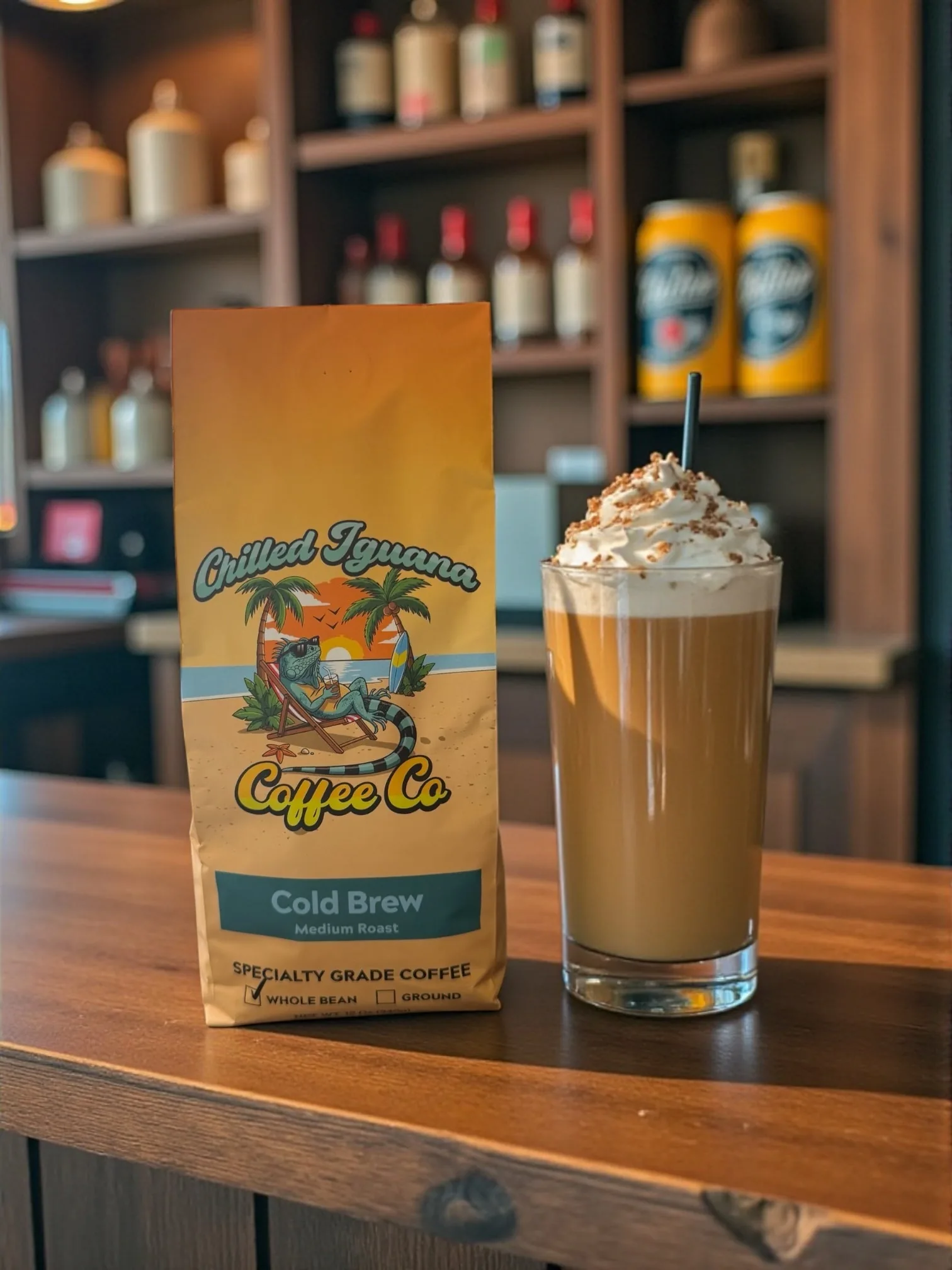
Cold brew usually suits a heavier profile because long steeping pulls out a full, smooth drink. Chilled Iguana Coffee Co.'s Cold Brew Coffee is listed for this use. Use a coarse grind and keep your first batch simple. Then change the strength to suit your taste.
Whole bean is the safer default for any method. Grind only what you plan to brew, especially in warm or humid rooms.
Step 6: Know How to Buy Green Coffee Beans for Home Roasting
Buying green coffee beans online is a different task from buying roasted coffee. You need enough farm and crop detail to understand how the bean may respond to heat.
Read the green coffee listing
Look for a named farm, cooperative, or region. A listing that says only “Colombian” or “Kenyan” tells you less than one with a specific growing area. Also look for:
- Altitude or growing elevation
- Harvest or crop date
- Processing method
- Bean grade or screen size
- Known defects or quality notes
- Available purchase size
Growing conditions affect bean density. Higher-grown coffee often develops more slowly, which can change how it takes heat. Processing also changes the flavor direction. Washed coffee may show cleaner notes, while natural coffee can bring more fruit character.
Buy for your learning pace
Don't order more green coffee than you can roast and use. A large bag may look like better value, but old green coffee can lose some of its liveliness while it waits. Think about how often you'll roast before choosing the size.
Keep a roast log. Write down the origin, crop information, batch size, heat changes, first crack, and final result. You don't need expensive software. A notebook can show you patterns after a few batches.
Home roasting also needs safe ventilation and careful heat control. Learn your equipment before chasing rare origins. The best green bean is one you can roast consistently.
Step 7: Verify Freshness at Home and Store Beans Correctly
When your coffee arrives, check its condition before you put it away. Freshness is more than a date. Your nose, eyes, and first brew can tell you whether the beans held up in transit.
Use a simple arrival check
First, confirm the roast date if one is provided. Then open the bag and smell the beans. You want a clear coffee aroma. A flat, papery, or stale smell suggests that the beans have lost some of their character.
Look at the beans under good light. Color should fit the stated roast level. Very oily beans may point to a darker roast. A few differences in size or shape can happen, but many broken or visibly damaged beans deserve a question to the seller.
Brew the coffee using your usual method. Don't judge it only from the first sip. Check aroma, sweetness, bitterness, body, and aftertaste. If the cup tastes dull, test your grind and water before blaming the beans.
A useful explanation of why roasted coffee changes over time appears in Wikipedia's entry on coffee roasting. Heat changes the bean's chemistry, while later exposure to air gradually affects aroma and flavor.
Store beans away from four threats
Keep coffee away from heat, light, moisture, and air. A cool cupboard is usually better than a sunny counter or a spot beside the oven.
Use an airtight container that fits the amount you have. A one-way valve can let roast gas escape while limiting air entry, but the container still needs a good seal. Don't open the lid every few minutes to smell the beans. Each opening replaces the air inside.
Buy smaller amounts more often if you are the only coffee drinker. If you receive a larger shipment, split it into sealed portions before repeated opening. Label each portion with the roast date so you know which one to use first.
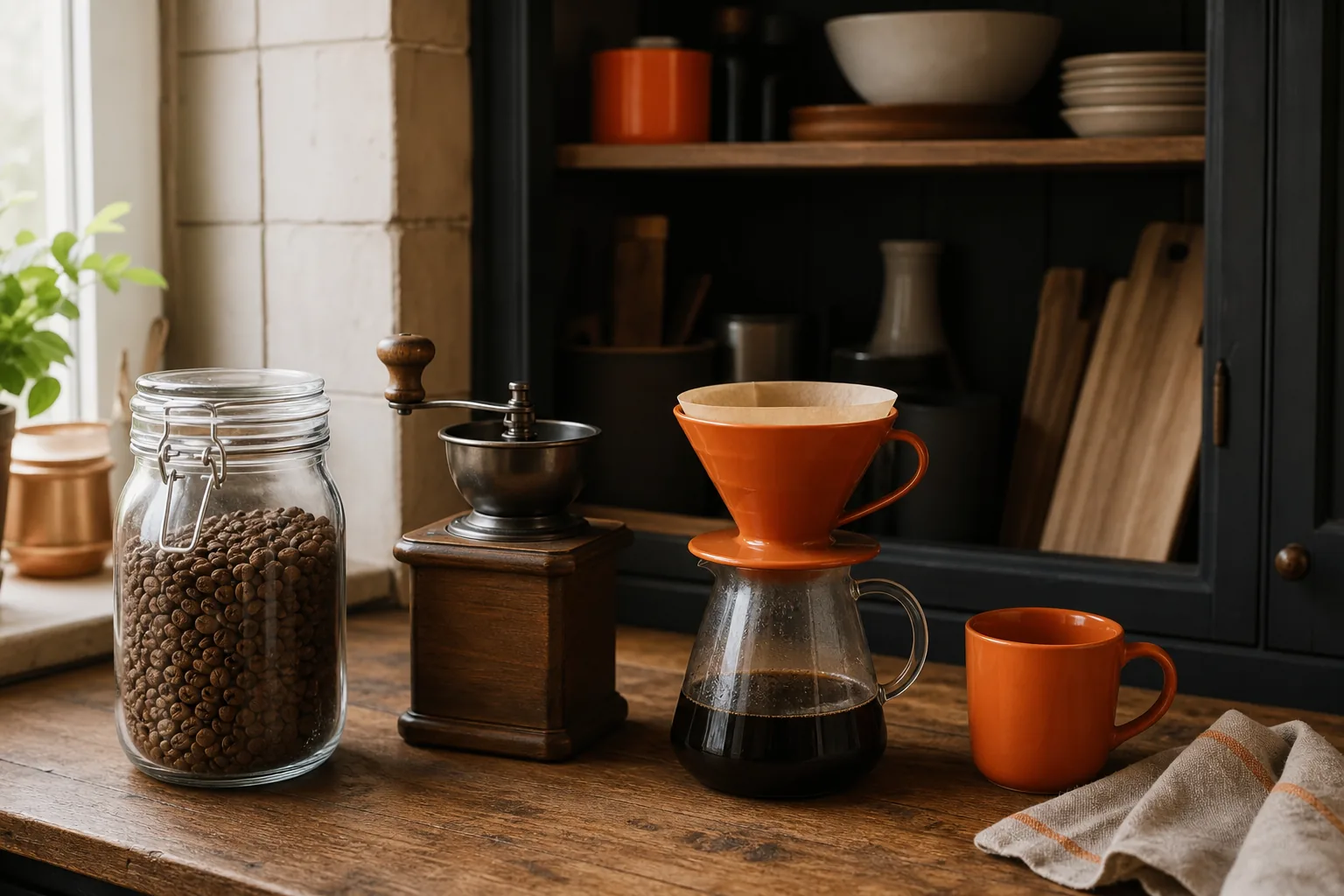
Refrigeration often creates more trouble than it solves because moisture and food odors can reach the beans when the container opens. Freezing may work for carefully sealed portions, but it adds handling steps. For most homes, a small fresh supply in a sealed container is the easier plan.
Good storage can't make old coffee new. It can slow the decline and help you get the cup you paid for.
FAQ
Where can I buy small batch coffee beans online?
You can buy small batch coffee beans online from direct-to-consumer roasters such as Chilled Iguana Coffee Co. Start with a seller that shows roast details, origin information, and clear buying terms. Chilled Iguana Coffee Co. also gives shoppers single bags, sample choices, pods, and subscription options.
How do I know if online coffee beans are fresh?
Fresh online coffee beans usually have a roast date or a clear roasting and shipping policy. Check the aroma when the bag arrives, then brew a normal cup. Whole beans generally hold flavor longer than ground coffee, so choose whole bean when you have a grinder.
Is small batch coffee better than supermarket coffee?
Small batch coffee may give you more detail about roast timing, origin, and processing than mass-market coffee. That information helps you choose a flavor and brew method. It does not guarantee that every small batch coffee will suit you, so use the label and your own taste as the test.
Should I buy coffee beans or ground coffee online?
Buy whole coffee beans online if you have a grinder and want better control over freshness. Ground coffee is easier, but it loses aroma faster after opening. If you need ground coffee, order an amount you can use soon and seal the bag well between brews.
Are coffee subscriptions worth it?
Coffee subscriptions are worth it when the delivery pace matches how much you drink. Compare the renewal schedule, shipping cost, bag size, and pause rules before signing up. A subscription from Chilled Iguana Coffee Co. can suit regular drinkers who want automatic delivery, but start with one order first.
How should I store freshly roasted coffee beans?
Store freshly roasted coffee beans in an airtight container in a cool, dry, dark cupboard. Keep them away from the oven, sunlight, moisture, and strong food odors. Buy smaller amounts if you use coffee slowly, since good storage slows staling but cannot stop it.
Conclusion
Start with Chilled Iguana Coffee Co. if you want ethically sourced beans, a broad set of roast profiles, and an optional recurring order in one place. Pick one whole-bean coffee that suits your brewer, check the delivered cost, and track how it tastes after opening. That first careful order will tell you more than a long list of bold claims.