



Want the full coffee ritual without the late-day buzz? Buying decaf online can work well, but many listings leave out the one detail shoppers want most: how the caffeine was removed. Chilled Iguana Coffee Co. makes this shortlist simple with three available coffee options, including single-serve pods and a cold brew roast.
1. 12 Pack Single Serve Coffee Pods
If you want an easy cup with little setup, 12 Pack Single Serve Coffee Pods is the best first pick from Chilled Iguana Coffee Co. The pack has a current price of USD 17.99 and comes in a standard grind with 12 pods.
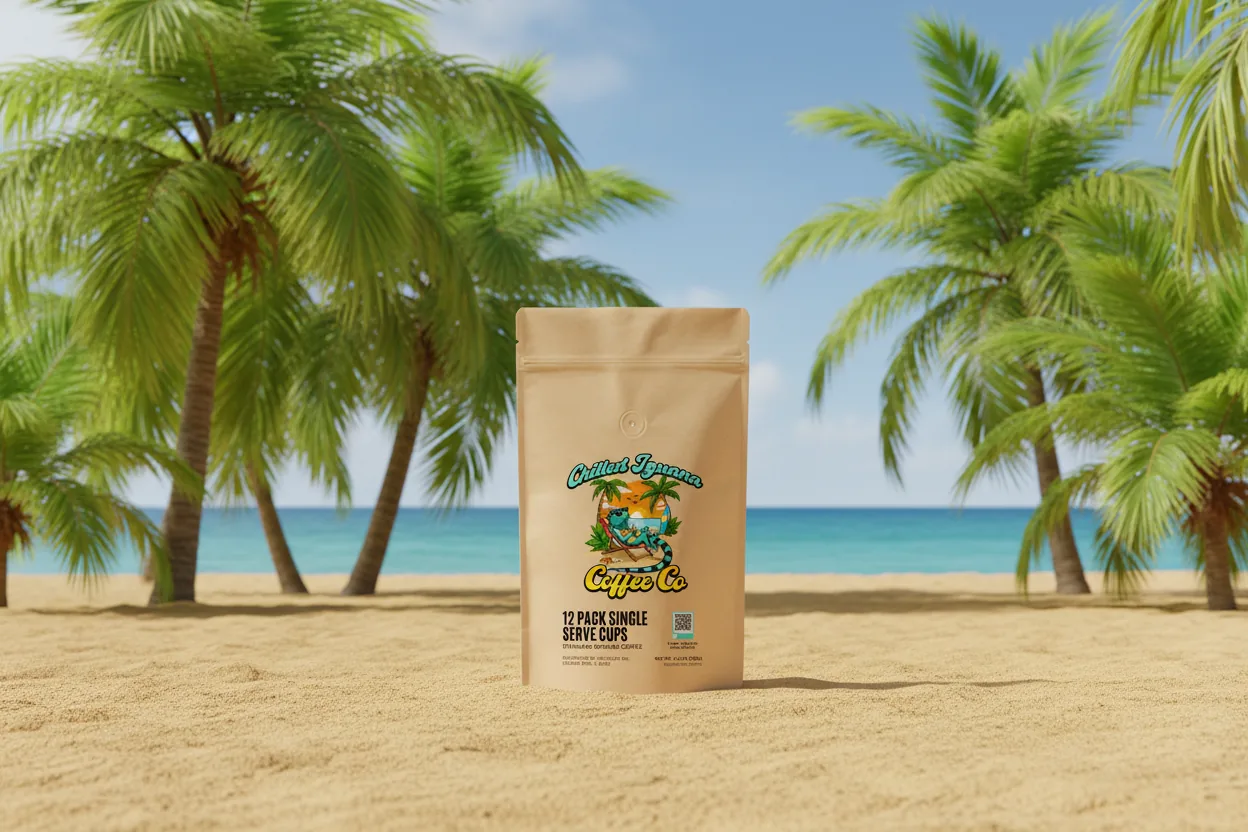
These pods use the brand’s Original Roast, which Chilled Iguana Coffee Co. describes as a premium blend of gourmet coffees with a rich, delicious cup. Each capsule is sealed without air inside. That packaging detail matters when you buy coffee online because the grounds stay enclosed until brew time.
The filter design also has a clear job. It holds more grounds instead of letting water shoot straight through the middle. The stated goal is a lively cup without slowing the brew. That makes this format a sensible fit for a home machine, office kitchen, guest room, or any morning when grinding beans feels like one task too many.
There is one limit. The available option is standard grind, so you can't adjust the grind for espresso, French press, or pour-over gear. You also shouldn't treat this product as a whole-bean decaf pick. The catalog description identifies the roast and pod format, but it doesn't state a decaffeination method.
For a first order, this 12-pack keeps the commitment modest. It lets you test the cup and your brewing routine before moving to a larger pack.
2. 60 Pack Single Serve Coffee Pods
For repeat pod drinkers, 60 Pack Single Serve Coffee Pods is the better volume choice. It costs USD 57.99 and uses the same standard grind, Original Roast description, and sealed capsule format as the 12-pack.
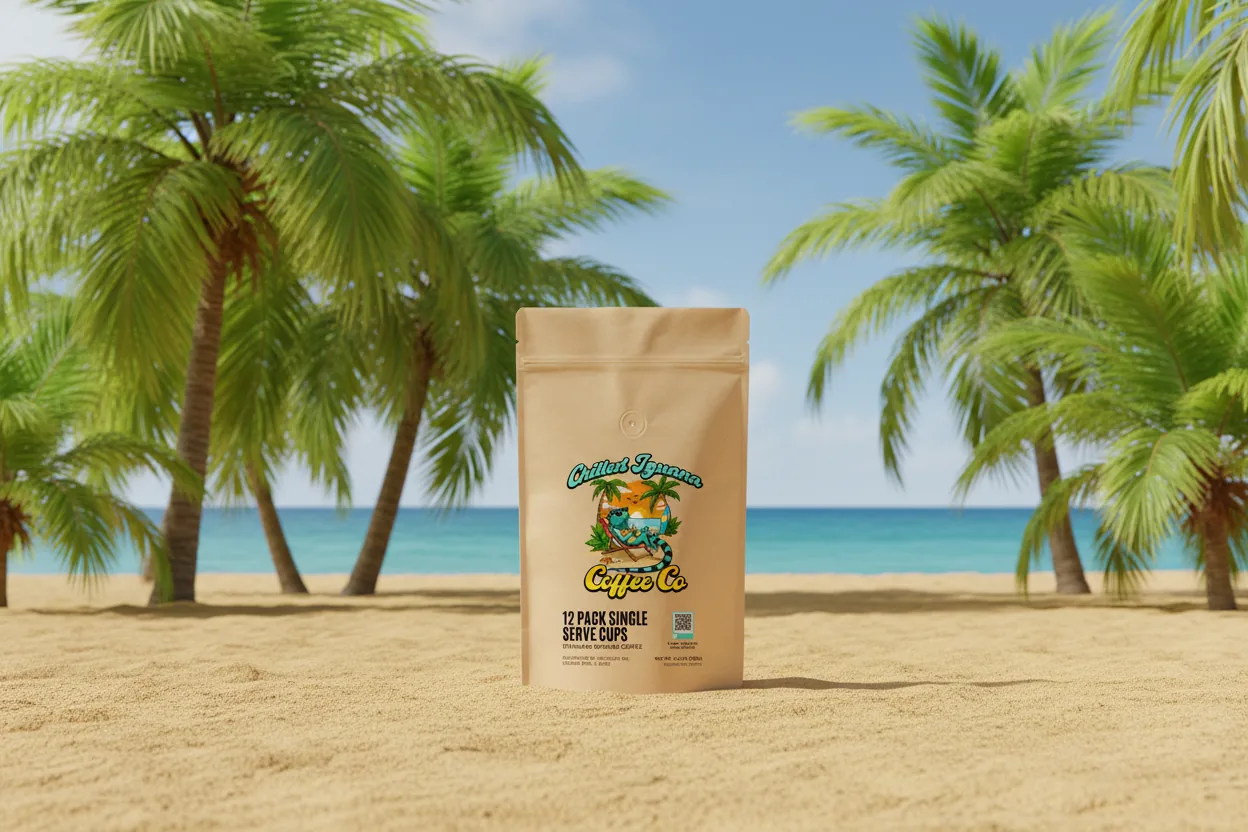
The main difference is the pack size. A 60-pack fits a household that brews often or a small workplace that wants a set supply on hand. You won't need to place orders as often, though the right choice depends on how quickly you use the pods and how you store them after delivery.
The product description says each pod has no oxygen inside. It also says the improved filter absorbs more grounds without slowing the brew. Those are useful details for online shoppers because you can assess the format before opening a box. You know the grind option, count, roast description, and price up front.
This is still a pod product, not a whole-bean bag. If your favorite part of coffee is choosing a grind size or adjusting a grinder, this pack won't give you that control. The catalog also doesn't list a decaf process, roast date, shipping term, or subscription detail. Check the product page for current order information before you buy.
At the listed prices, the larger pack costs less per pod than the 12-pack. That makes it the stronger value choice when you already know you like the format. If you're still testing your routine, start smaller. A lower upfront commitment can be worth more than a lower unit cost.
Choose this one when convenience drives the decision. It is built around repeat brewing, not coffee experimentation.
3. Cold Brew Coffee
For chilled drinks, Cold Brew Coffee from Chilled Iguana Coffee Co. is the most specialized option here. It costs USD 16.99 and is available in a 12oz size with either whole bean or standard grind.
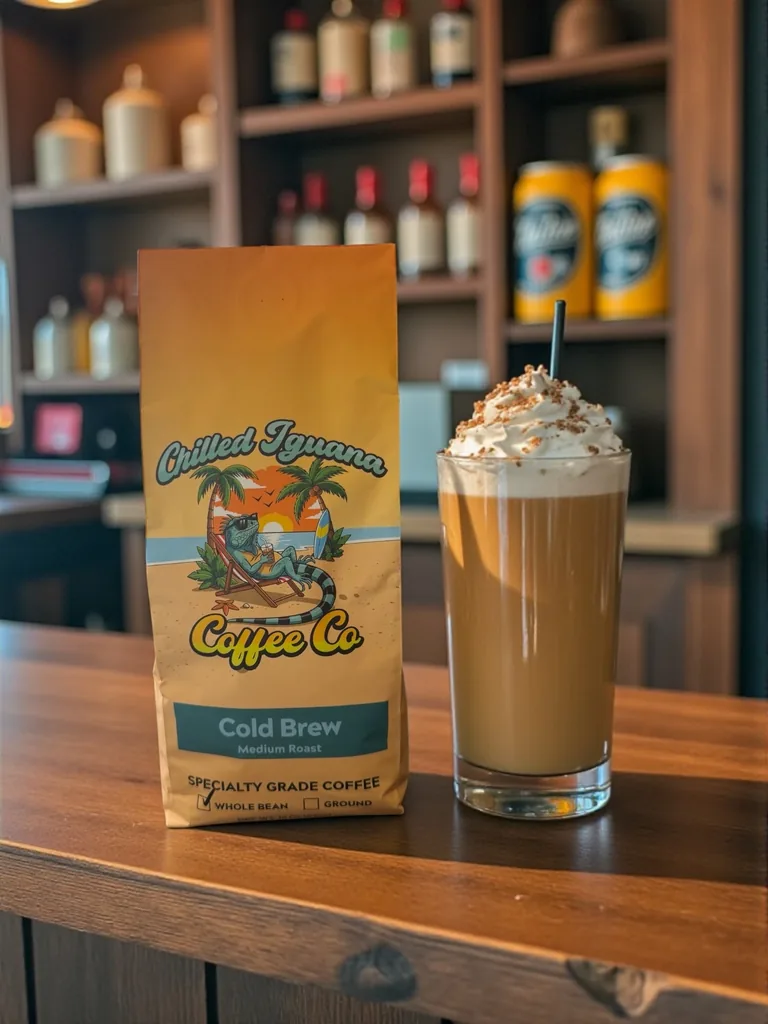
The listed profile is medium and smooth, with chocolate, toffee, and floral tones. That gives you a clearer flavor guide than the pod descriptions. The product is designed for cold brew or nitro, so it makes more sense for someone who plans to prepare coffee ahead of time.
The catalog recommends a coarse grind for cold brew. It also gives a steep time of 12 to 18 hours, followed by dilution to taste. That sequence matters. Cold brew concentrate can taste strong when served straight, so plan room for water, ice, or milk after steeping.
For a nitro setup, the catalog says to keg the cold concentrate and infuse it with nitrogen. That is a more involved route than standard cold brew, but it suits a coffee shop, mobile coffee business, or home enthusiast with the right equipment. You can also serve the drink over ice or with milk for a smoother finish.
The whole-bean option gives you more control than the standard grind. Grind it coarse just before steeping. If you buy the standard grind, confirm that it suits your brewer and filter before opening the bag. The product page doesn't state a decaffeination process, roast date, shipping policy, or subscription option, so those details should not be assumed.
This is the pick for a cold cup with a stated tasting direction. It isn't the best match for someone who only makes one hot mug at a time.
Decaf Coffee Buying Checklist: Process, Roast, Freshness, and Value
When you buy decaf coffee beans online, read the listing like a small product brief. A good page should tell you enough to judge taste, freshness, brewing fit, and cost. It shouldn't force you to guess at every key detail.
Check the decaffeination method
Decaf coffee is made by removing caffeine from green coffee before roasting. Common descriptions include water-based methods, carbon dioxide processing, and solvent-based methods. Swiss Water is a water-based process that uses water, time, and temperature rather than added chemical solvents. You can read more about that approach in Chilled Iguana Coffee Co.’s article on Swiss Water decaf coffee beans.
Carbon dioxide methods use pressurized CO2 to draw out caffeine. Solvent methods use a solvent during processing, followed by steps that remove it from the beans. The label alone doesn't tell you which method a roaster used. Look for a direct statement on the product page.
That detail is often missing. Both had a zero fill rate for that field. This doesn't prove the coffee is poor. It does mean the shopper can't make a method-based comparison.
The Wikipedia overview of decaffeination explains the basic purpose of these processes and the ways caffeine is separated from coffee. Use that background to understand a label, then rely on the roaster's own page for the product-specific claim.
Match roast level to the cup you want
Light roasts tend to keep more of the bean's distinct notes. They may taste brighter or more fruit-led, though the final cup also depends on the bean and brew method. Medium roasts usually sit between bright acidity and deeper roast flavor. Dark roasts tend to taste heavier, with more roast character.
Decaf can taste slightly different from the same coffee before processing. That is why roast level should guide your search, not dictate it. If you like a balanced morning cup, medium is a safe place to start. If you want a heavier espresso-style drink, look for a darker roast. If you prefer clear, bright notes, test a light roast when the product page gives enough detail.
Look for freshness information
A roast date is more useful than a distant best-before date. A roast date tells you when the coffee was made. A best-before date tells you the seller's shelf-life window, but it may not reveal when roasting took place.
Whole beans usually keep their aroma longer than ground coffee because less surface area meets the air. Buy a size you can use while the coffee still tastes fresh. Once opened, keep the bag closed between brews or move the beans to an airtight container. Store it away from heat, light, and moisture.
Packaging can help too. One-way valves let gas leave a sealed coffee bag without letting air move back in. A sealed pod uses a different approach by keeping the grounds enclosed until brewing. The important point is to judge the package based on the format you buy.
Review organic, fair-trade, and sustainability claims
Certifications should be named, not implied. If a product is organic, look for the stated certification. If a seller says fair trade, check which standard or certifying group backs the claim. A vague phrase such as “ethically sourced” gives less detail than a named program or traceable origin.
Also inspect the packaging. Smaller bags can mean less coffee waste for light drinkers, while larger packs may reduce repeat shipments. The right choice depends on use. A large order that sits open for months may lose more flavor than it saves in shipping.
Compare value without false precision
Price per ounce is useful when pack sizes differ. For pods, divide the total price by the number of pods. For beans, divide by the listed weight. Don't compare a 12oz whole-bean bag with a pod pack as if they make the same number of cups. The brew format changes the amount used and the equipment needed.
| Buying question | What to look for | Why it changes the choice |
|---|---|---|
| How is the caffeine removed? | Named water, CO2, or solvent process | It gives you a clear basis for comparing methods |
| How fresh is it? | Roast date, sealed pack, or clear freshness policy | Older coffee may lose aroma even when it remains safe to drink |
| What will I brew? | Pod, whole bean, standard grind, or coarse grind | Grind and format must match your equipment |
| What does it taste like? | Roast level and stated tasting notes | These clues help set your expectations |
| Can I reorder it? | Subscription details or a simple repeat-order path | It matters when you drink the same coffee on a set routine |
| What is missing? | — | Missing details limit a fair comparison |
How to Compare the Shortlist Before You Buy
Start with your brewing habit, not the product name. If you need a fast cup with no grinder, compare the two pod packs. If you plan a cold drink, compare the grind option and steep guidance on Cold Brew Coffee.
The 12-pack is the trial-sized choice at USD 17.99. The 60-pack costs USD 57.99 and fits a repeat pod routine. Cold Brew Coffee costs USD 16.99, comes in a 12oz size, and has whole-bean or standard-grind options.
Use this decision grid before checkout:
| If your priority is... | Start with... | Check before ordering |
|---|---|---|
| Fast, low-mess brewing | 12 Pack Single Serve Coffee Pods | Whether standard grind fits your machine |
| Frequent pod brewing | 60 Pack Single Serve Coffee Pods | Storage space and your weekly use |
| Cold brew at home | Cold Brew Coffee | Coarse grind, steep time, and dilution plan |
| Whole-bean control | Cold Brew Coffee, whole bean option | Whether your grinder can make a coarse grind |
| Decaffeination transparency | Any listing with a named method | — |
| Repeat delivery | A product with stated subscription terms | Shipping timing and skip rules |
Brewing method should shape your grind choice. For drip coffee, use a medium grind. French press usually needs a coarse grind. AeroPress can work across a range, so follow your brewer's recipe and adjust from there. Espresso needs a fine grind and more careful dialing in. None of the three catalog products here is listed with an espresso grind option.
Shipping deserves a close look too. A low product price can change once delivery is added. Check the shipping charge, delivery estimate, and return terms before payment. The catalog details supplied for these products do not state shipping rates or subscription rules, so don't assume free delivery or automatic reorders.
Subscriptions can help when you drink the same coffee on a steady schedule. They can also leave you with stale coffee if your use changes. Before choosing auto-delivery, estimate how many cups you make each week and how much coffee one order contains. A flexible schedule is better than a discount you can't use.
For storage, keep whole beans in an airtight container at room temperature. Avoid the fridge because moisture and food odors can affect the coffee. With pods, keep the sealed capsules in a dry cupboard and use the oldest ones first.
One more point: “decaf” doesn't mean zero caffeine. Processing removes most caffeine, but trace amounts can remain. If you need strict caffeine avoidance for medical reasons, ask the seller for product-specific information rather than relying on the front label.
FAQ
What is the best way to buy decaf coffee beans online?
The best way is to compare the decaf method, roast date, grind, pack size, and shipping terms before ordering. For a simple cup, choose a pod format. For cold brew, choose a product with a suitable grind option and clear steep guidance. Chilled Iguana Coffee Co. lists both pod choices and Cold Brew Coffee for different routines.
Does decaf coffee still contain caffeine?
Yes, decaf coffee can contain trace caffeine because decaffeination removes most caffeine rather than guaranteeing none. The exact amount depends on the coffee and process. Product pages don't always state a measured amount. If caffeine sensitivity is a serious concern, ask the seller for details before you buy.
Which decaf process is best?
No single decaf process is best for every shopper. Water-based methods appeal to people who want a process described without solvent use, while other methods may suit different flavor or production goals. The key is disclosure. A named process gives you useful information, while an unnamed process leaves a major gap.
How long do decaf coffee beans stay fresh?
Decaf beans stay drinkable for a long time, but their best aroma fades as they age after roasting. Look for a roast date instead of relying only on a best-before date. Buy an amount you can use while it still tastes lively, then seal the beans well and keep them away from heat, light, and moisture.
Is whole bean decaf better than ground decaf?
Whole bean decaf is usually the better choice when you own a grinder because you can grind just before brewing. Ground coffee is easier when speed matters. The right choice depends on your routine. Cold Brew Coffee has both whole-bean and standard-grind options, while the two pod products use a standard format.
Can I subscribe to decaf coffee deliveries?
Some coffee sellers provide subscriptions, but subscription availability varies by product. Check the current product page before assuming automatic delivery, a discount, or a skip option. A subscription only saves effort when the delivery pace matches your actual coffee use.
Conclusion
Pick the 12 Pack Single Serve Coffee Pods if you want a low-commitment, easy cup. Choose the 60-pack for a steady pod routine, or Cold Brew Coffee for chilled brewing with a stated chocolate, toffee, and floral profile. Before you place the order, check the current product page for freshness, shipping, and any updated delivery terms.