



Travel coffee is easier to plan when you know what the bag or pack can do, and what its label actually proves. Chilled Iguana Coffee Co. curates three options suited to different brew routines, but the catalog details don’t confirm Fair Trade certification for any individual product. Here’s how to compare them without guessing.
1. 12 Pack Single Serve Coffee Pods
The 12 Pack Single Serve Coffee Pods are a compact-format choice for travelers who already have access to a compatible single-serve brewer. Each capsule is sealed with no oxygen inside, according to the product description. That’s useful when you want coffee portioned ahead of time and don’t want to carry loose grounds.
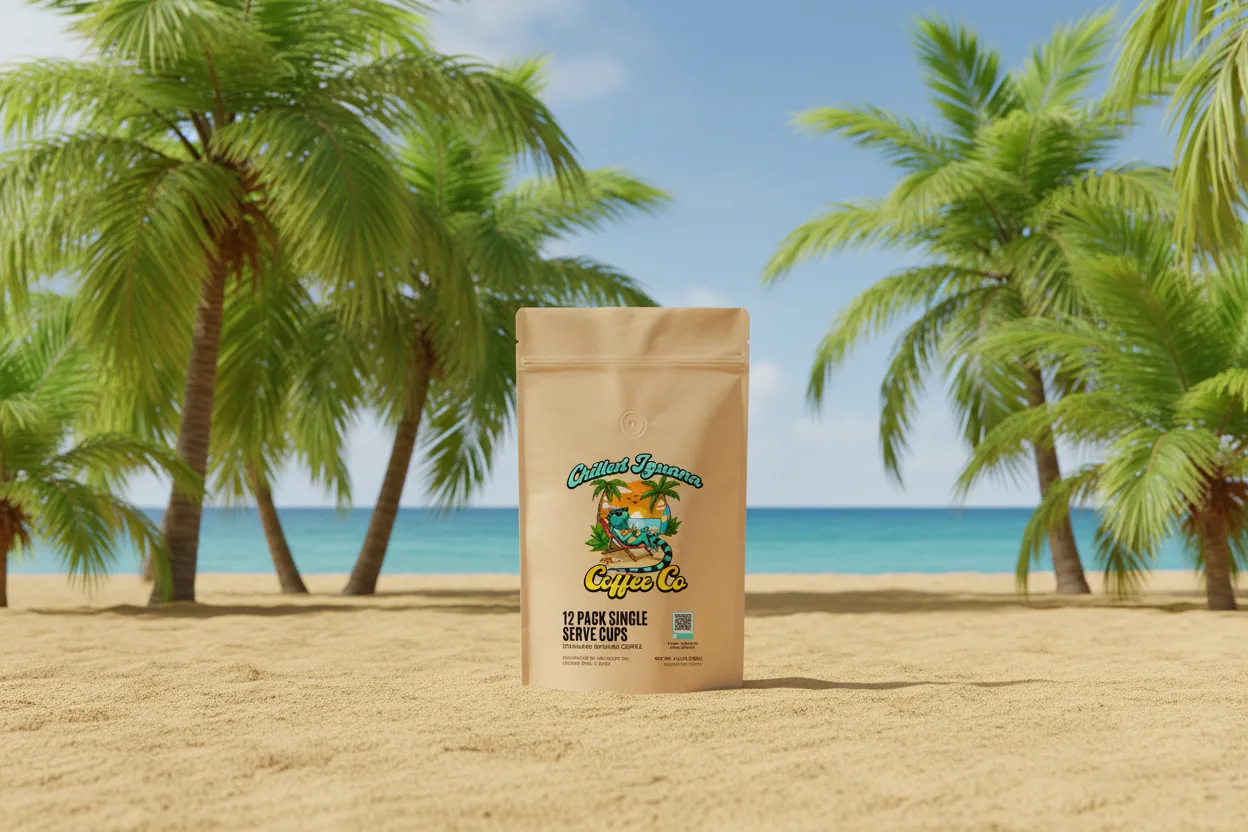
The capsules contain the company’s Original Roast, described as a premium blend with a rich, delicious cup. The available option is a 12-pack with standard grind. The listed price is USD 17.99. These facts tell you the format and blend name, but not the roast level, origin, or a Fair Trade certificate.
That distinction matters. The company describes its coffee as ethically sourced, but this product listing doesn’t name a certification or explain the sourcing standard for this blend. If a verified Fair Trade label is a must for your trip, check the current package or ask the seller for product-specific proof before buying. Don’t treat “ethical” and “Fair Trade certified” as the same claim.
For travel, count the space you’ll save against the gear you’ll need. Capsules are only useful if your lodging, office, or travel setup has a brewer that accepts them. If not, a pack of pods can take up room without solving your morning coffee problem. Check your brewer’s format before you pack.
There’s one more trade-off: a pre-portioned format can make brewing simple, but it creates capsule waste. If you’re trying to reduce what you leave behind, check local disposal rules and pack used capsules out when needed.
2. 60 Pack Single Serve Coffee Pods
The 60 Pack Single Serve Coffee Pods use the same Original Roast capsule format, with a larger pack size for travelers who expect to brew often or are packing for a group. The product listing describes oxygen-free sealed capsules and an improved filter designed to hold more grounds without slowing the brew.
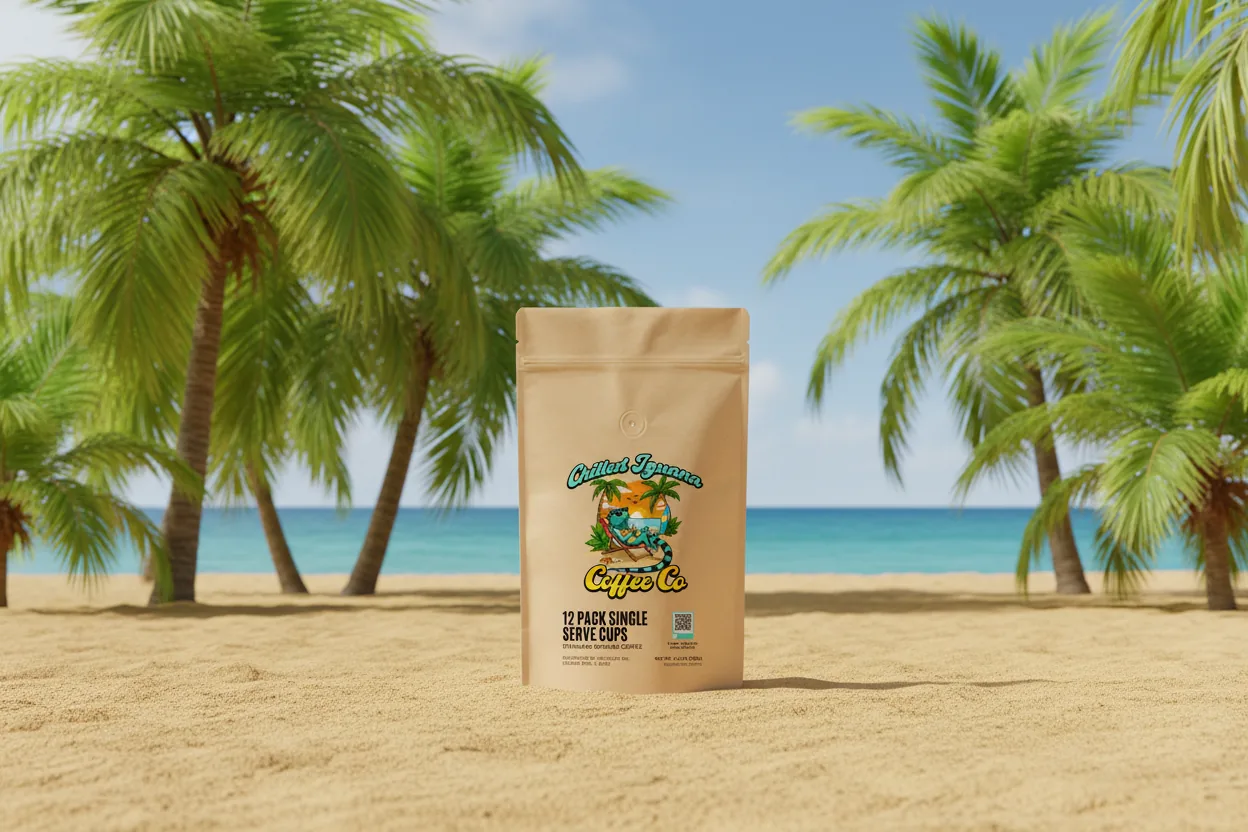
The listed price is USD 57.99. Available options show a 60-pack size and standard grind. The catalog doesn’t give a roast date, country of origin, Fair Trade certification, or a capsule recycling claim. Those details are worth checking if the product will be your main supply for a longer trip.
Compared with the 12-pack, the larger pack means fewer restocks if you already know the format works with your brewer. But it takes more room in a bag. Think about the trip length and the number of cups you plan to make, then compare that with your luggage space. There’s no need to carry a large pack for a short stay when a smaller amount will do.
The sealed capsules are described as a freshness feature. That claim applies to the unopened capsules, so keep the pack closed until you need it. Once opened, protect remaining capsules from heat, moisture, and strong odors. Follow any storage directions on the actual package, since the catalog doesn’t state a specific storage window.
As with the smaller pack, confirm certification before you buy if your trip requires certified Fair Trade coffee. An ethical-sourcing statement at the company level doesn’t establish the certification status of every product. For work travel or shared lodging, also confirm that a compatible machine will be there; otherwise, this format may not fit your setup.
3. Cold Brew Coffee
Cold Brew Coffee is the whole-bean choice in this shortlist, with a standard-grind option too. The listing describes a medium, smooth profile with chocolate, toffee, and floral notes. The available size is 12 ounces, and the listed price is USD 16.99.
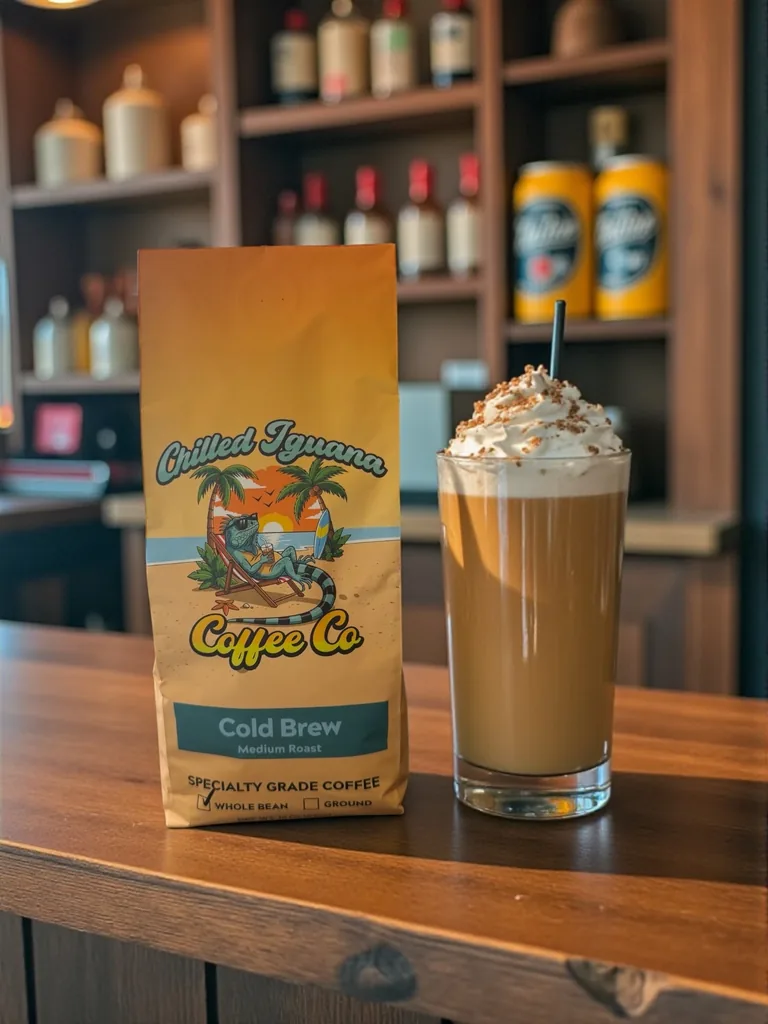
This option suits travelers who prefer cold coffee and can plan ahead. The product’s brewing guidance calls for coarse grounds and a 12 to 18 hour steep for a concentrated batch, then dilution to taste. That schedule is a poor match for an early departure with no prep time. It can work well when you have a fridge or a safe place to steep the coffee overnight.
Whole beans give you more control over grind size if you bring a grinder. That adds weight and one more item to pack. The standard-grind option skips the grinder, though ground coffee can lose aroma faster after opening. For either format, seal the coffee between uses and keep it away from damp gear and direct heat.
The catalog describes this coffee as designed for chilled preparations and also mentions nitro brewing. A traveler without a keg setup can ignore that method and use the cold-steep directions instead. Serving it over ice is another listed option. Keep in mind that the product page doesn’t identify a Fair Trade certificate, origin, or organic status, so verify those claims if they’re part of your buying criteria.
For a smooth chilled cup, Cold Brew Coffee brings together chocolate and toffee notes with bright floral accents. Use a coarse grind and steep for 12 to 18 hours to make a concentrated cold brew, then dilute to taste. It can also be served as nitro for a velvety, creamy mouthfeel and lively aroma. Serve over ice or with milk for a silky, dessert-like finish.
Fair-trade labels and ethical sourcing: what travelers should verify
When you buy fair trade coffee beans for travel, check the actual package and the product details for the claim you care about. A Fair Trade logo, a named certification body, or a clear statement about the standard gives you something specific to verify. “Ethically sourced” is broader language; it doesn’t tell you by itself which rules were followed or who checked them.
Certification labels can cover defined standards, while organic labels relate to how a product is grown and handled under a separate standard. Neither term automatically proves every other sustainability claim. If organic coffee matters to you, look for the organic mark and its certifier, then check whether the product page names the same status.
Origin and farmer information help you understand what sits behind a bag. Look for a country, region, farm, or cooperative, plus a short account of the growers or community if available. If the only information is a broad ethical claim, ask what it means for that coffee. A specific answer is more useful than a general promise.
Product details can be thin even when a package carries a certification. A review of fair-trade coffee listings found travel-relevant information such as origin, roast, and packaging was often missing. That leaves a gap for travelers: a label may help with sourcing, but it won’t tell you whether the coffee is whole bean, ground, instant, or suited to your brewing kit.
Chilled Iguana Coffee Co. describes its coffee as ethically sourced, but the product details in this shortlist don’t identify product-level Fair Trade or organic certification. We’d rather state that plainly than imply a label that isn’t shown. For more checks on origin, freshness, roast, and certification, use this Fair Trade coffee buying checklist before placing an order.
- Find the certification name on the exact product or package.
- Check whether the claim applies to the coffee itself, not only the seller.
- Look for the growing origin and any available farmer or cooperative details.
- Keep organic and Fair Trade claims separate when comparing labels.
If you’re shopping in a foreign market, read the full label rather than relying on a shelf tag. Ask the seller to point out the certifier or explain the sourcing claim. If the answer is unclear, choose a product with details you can confirm or wait until you can check the company’s product page.
Travel-ready freshness: storage, brewing, and lower-waste habits
Freshness depends on the format and how you store it after opening. Whole beans are easiest to portion if you bring a small grinder, while pre-ground coffee saves gear but exposes more coffee to air once the bag is open. Capsules keep portions sealed until use. Each approach has a different packing cost, so match the format to the brewer you’ll actually have.
Keep coffee in its original sealed bag or another clean, airtight container. Store it in a cool, dry place, away from sunlight and strong smells. Don’t leave a bag in a hot car or beside wet clothes in a backpack. If you’re moving between humid and dry places, close the package carefully after each use.
Choose a brew method that fits your stop. Capsules need the right machine. Standard-ground coffee can work with a dripper or another manual brewer, but you’ll need a way to filter it. Whole beans need a grinder. Cold brew needs time to steep, so start it the night before if your schedule allows. Keep the method simple enough that you’ll use it when you’re tired.
Water matters too. If tap water tastes strongly of minerals or chlorine, that flavor can show up in the cup. Use drinking water you already trust, and keep the brew method consistent when comparing coffees. When buying beans abroad, ask whether they’re roasted locally and how they taste when brewed with local water; roasting place and water can both shape the cup you experience.
Lower-waste habits start with packing only what you’ll use. A reusable cup avoids disposable cups when you have access to washing facilities. Bring a small cloth or sealable pouch for used grounds, filters, or capsules if you can’t dispose of them responsibly at the stop. Don’t pour grounds into a sink or leave them outdoors.
Good storage won’t make old coffee fresh again, but it can help protect the aroma you have. Buy an amount you can finish during the trip, keep the pack closed, and avoid moving coffee into a damp container. For a short trip, carrying less is often the simplest way to keep the last cup close to the first.
Match roast and flavor to your trip—and compare the listed options
Start with the cup you enjoy, then work backward to the gear and time you can spare. The listed Cold Brew Coffee has a medium profile with chocolate, toffee, and floral notes. The two pod products share the Original Roast blend description, but the catalog doesn’t state a light, medium, or dark roast level for them.
Roast labels can help set expectations, but they don’t replace tasting notes or brewing instructions. Light roasts often suit people seeking brighter flavors, while darker roasts tend to taste more intense. Those are broad tendencies, not guarantees. If you can, choose by the product’s stated flavor notes and the method you plan to use rather than assuming every medium or dark roast tastes alike.
For a travel purchase, compare the option against three real constraints: brewer access, luggage room, and prep time. The 12-pack is a smaller capsule pack; the 60-pack provides more capsules but asks for more space. Cold brew needs steep time, while whole beans may call for a grinder. None of those formats is automatically the best choice for every trip.
| Option | Travel fit | Brewing need | What to verify |
|---|---|---|---|
| 12 Pack Single Serve Coffee Pods | Smaller capsule pack for a short stay | Compatible single-serve brewer | Certification, roast level, and machine fit |
| 60 Pack Single Serve Coffee Pods | More capsules, with more space needed | Compatible single-serve brewer | Certification, roast level, and pack size for your trip |
| Cold Brew Coffee | Whole-bean or standard-grind format | Coarse grind and 12–18 hour steep for concentrate | Certification, origin, and your grinder or filter needs |
Price can help you compare, but it’s only useful alongside the amount and format. The listed prices are USD 17.99 for the 12-pack, USD 57.99 for the 60-pack, and USD 16.99 for Cold Brew Coffee. Don’t assume the lowest total price is the best value for your trip. A pack that doesn’t match your brewer or schedule may go unused.
Use the product page and package together. The catalog lists the format and price, while the label may provide current sourcing or certification details. If a product page lacks origin or roast information, ask before buying rather than filling in the blanks. For travel, an honest unknown is better than an assumption packed in your bag.
Frequently asked questions
How can I tell if travel coffee is Fair Trade certified?
Look for a Fair Trade certification mark or a named certifier on the exact product package or product page. A general phrase such as “ethically sourced” doesn’t confirm that a coffee holds Fair Trade certification. If the label is unclear, ask the seller which product-specific standard applies before buying, especially when certification is a firm requirement for your trip.
Are coffee pods a good choice for travel?
Coffee pods can work well for travel if you know you’ll have a compatible brewer. They keep portions together and avoid loose grounds, but they may add waste and won’t help if your lodging has a different machine. Check the brewer format before packing, then bring only the amount that fits your trip length.
Should I pack whole beans or ground coffee?
Pack whole beans if you want to grind just before brewing and don’t mind carrying a grinder. Ground coffee saves space and gear, but it’s best kept sealed after opening. For either option, check the brew method at your destination. The best format is the one you can store well and brew with the tools you have.
How do I keep coffee fresh while traveling?
Keep coffee sealed in a cool, dry place away from sunlight, moisture, and strong odors. Close the original bag after each use or move the coffee to a clean airtight container. Avoid leaving it in a hot car. Buy an amount you can finish during the trip, and follow any storage directions printed on the package.
Can I make cold brew while traveling?
Yes, if you can let it steep for long enough and have a way to strain it. The Cold Brew Coffee listing recommends a coarse grind and a 12 to 18 hour steep for a concentrated brew, followed by dilution to taste. That makes it a better fit for a planned overnight steep than a rushed departure morning.
Does organic mean the coffee is Fair Trade?
No, organic and Fair Trade describe different claims. Organic labeling relates to production rules, while Fair Trade certification concerns its own standards. A coffee may carry one claim, both, or neither. When you buy coffee for travel, check each label separately on the specific product instead of assuming one mark proves the other.
Conclusion
Choose the format that matches your brewer and schedule, then confirm Fair Trade certification on the exact product before you buy. For the next step, compare Chilled Iguana Coffee Co.’s listed options and check the product details for any sourcing information you need.