



Buying cold brew coffee online gets easier when a listing tells you what the cup may taste like and how to brew it. Chilled Iguana Coffee Co. has three options here, led by a whole-bean coffee made for cold brew or nitro, followed by two pod formats for standard single-serve coffee.
We analyzed 52 Reddit, YouTube and Quora comments and questions about buying cold brew coffee beans online and found that 19% mentioned the impact of roast level and freshness on flavor. Choose beans with recent roast dates and consider medium roasts for balanced flavor. Another 19% of commenters discussed grind size, coffee to water ratio, and brewing method details.
Here are the picks, their limits, and the details to check before you order.
1. Cold Brew Coffee
Cold Brew Coffee is Chilled Iguana Coffee Co.’s whole-bean pick for people who want to steep coffee at home or prepare nitro. It’s listed at USD 16.99 for a 12-ounce size, with whole bean and standard grind options.
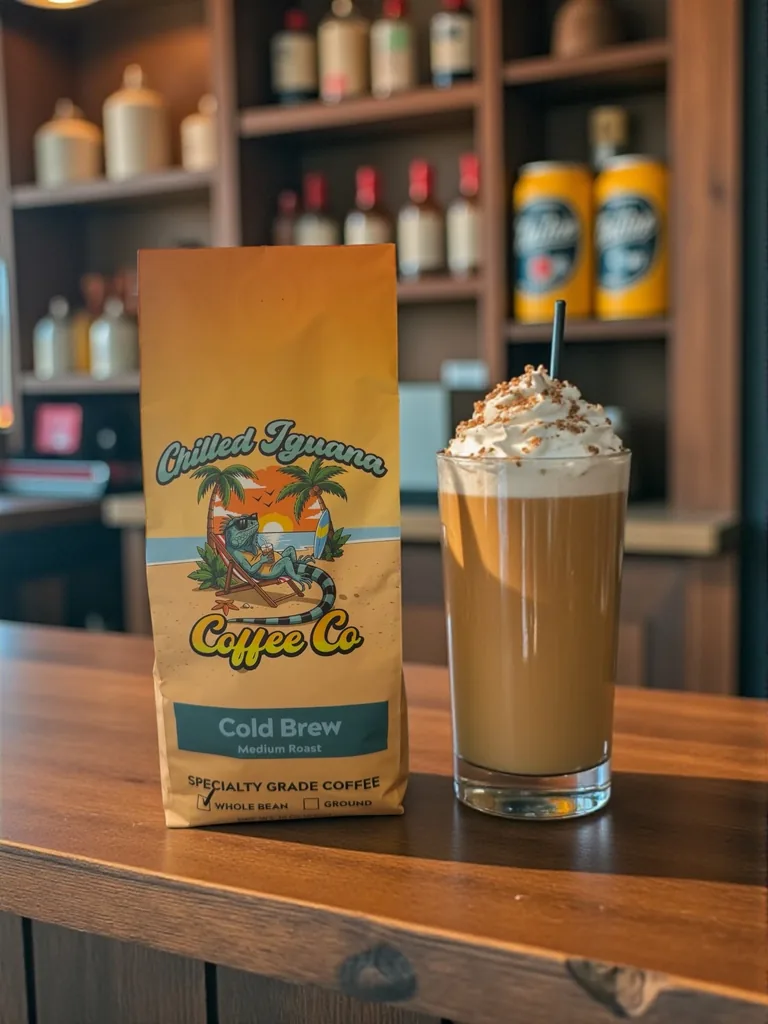
The described cup is medium-bodied and smooth, with chocolate, toffee, and floral tones. The listing says it works for cold brew or nitro, so this is the clearest fit when you’re shopping specifically for cold brew beans. Its medium roast profile also gives shoppers a useful starting point if they don’t want the heavy taste often linked with darker roasts.
For cold brew, the product page suggests a coarse grind and a 12 to 18 hour steep. It describes the result as a concentrate that you can dilute to taste. That range gives you room to adjust: try the shorter end if you prefer a lighter cup, then steep longer next time if you want a stronger taste.
The option to choose whole bean matters if you already own a grinder. You can grind only what you need for a batch, rather than keeping all the coffee ground between uses. If you don’t have a grinder, check the product’s current grind choices before you order and make sure the selection suits your brewer.
One detail to check: the listing doesn’t name a growing region, farm, certification, or roast date. Don’t assume those details from the tasting notes. If origin or a dated roast record guides your purchase, look for that information on the live listing before checkout.
2. 12 Pack Single Serve Coffee Pods
12 Pack Single Serve Coffee Pods is a smaller pod format for people who value single-serve brewing over making a jug of cold brew. The listed price is USD 17.99, and it comes as a 12-pack with standard grind.
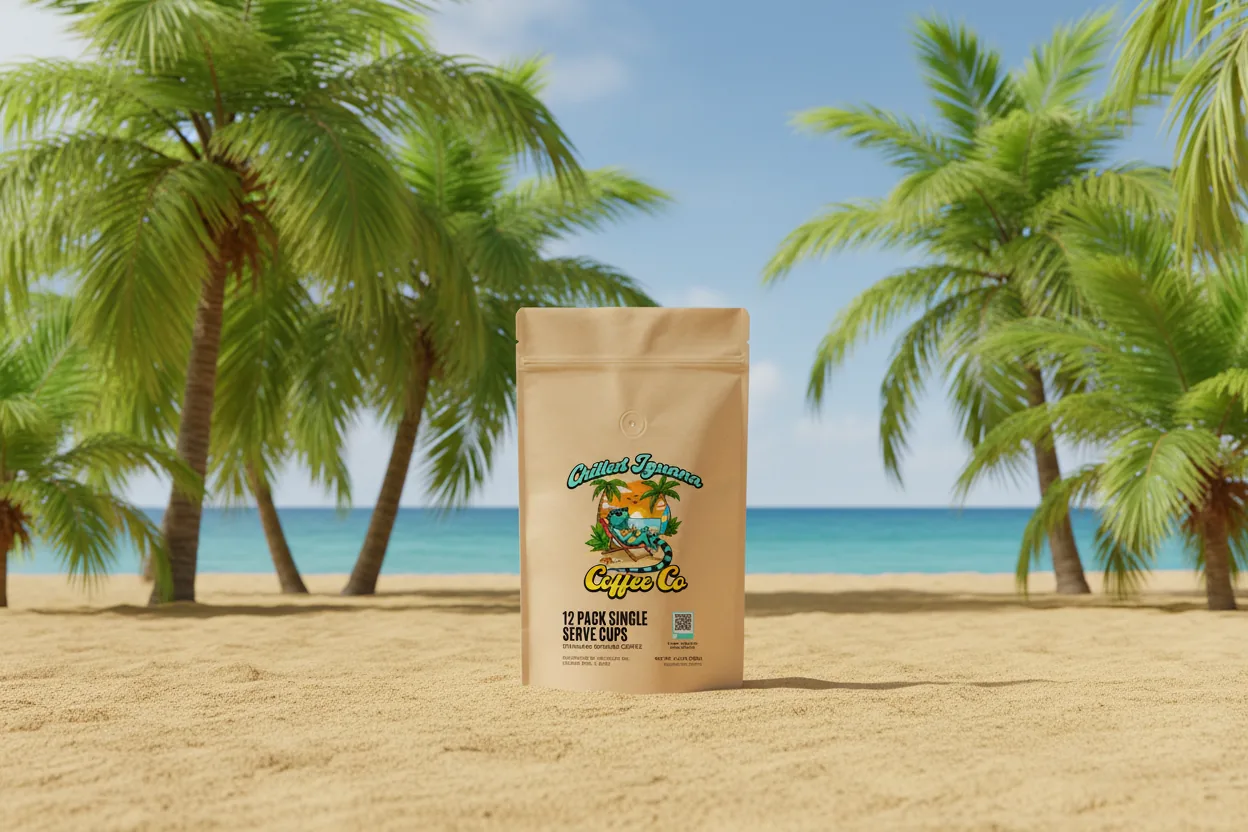
The blend is called Original Roast. The product description says each capsule is sealed without oxygen inside to help keep the coffee fresh. It also describes an improved filter design that absorbs more grounds without slowing the brew. Those details speak to the pod’s standard brewing format, not a cold-steeping recipe.
That distinction matters. A single-serve pod is convenient when you want one quick cup through a compatible brewer, but the listing doesn’t state that these capsules are made for cold brew or name cold-brew equipment compatibility. If your goal is steeped coffee made in a jar or batch brewer, the first pick has clearer instructions for that use.
This pack may still suit a household that wants individual cups alongside a separate cold-brew routine. For example, one person could make a fresh hot cup while a batch chills in the fridge. But don’t compare the package price directly with the whole-bean price as though they make the same amount of coffee. The listing doesn’t provide serving yield or price per ounce.
Before buying, check the live product page for the brewer fit you need. The listing gives the grind and pack size, but not a named machine type. If you’re unsure, confirm compatibility from the current listing rather than guessing based on the word “pod.”
Choose this when cup-by-cup convenience is the priority. For dedicated cold brew, use the option with a stated steeping method.
3. 60 Pack Single Serve Coffee Pods
60 Pack Single Serve Coffee Pods is the larger format of Chilled Iguana Coffee Co.’s Original Roast capsules. The listed price is USD 57.99, with a 60-pack size and standard grind.
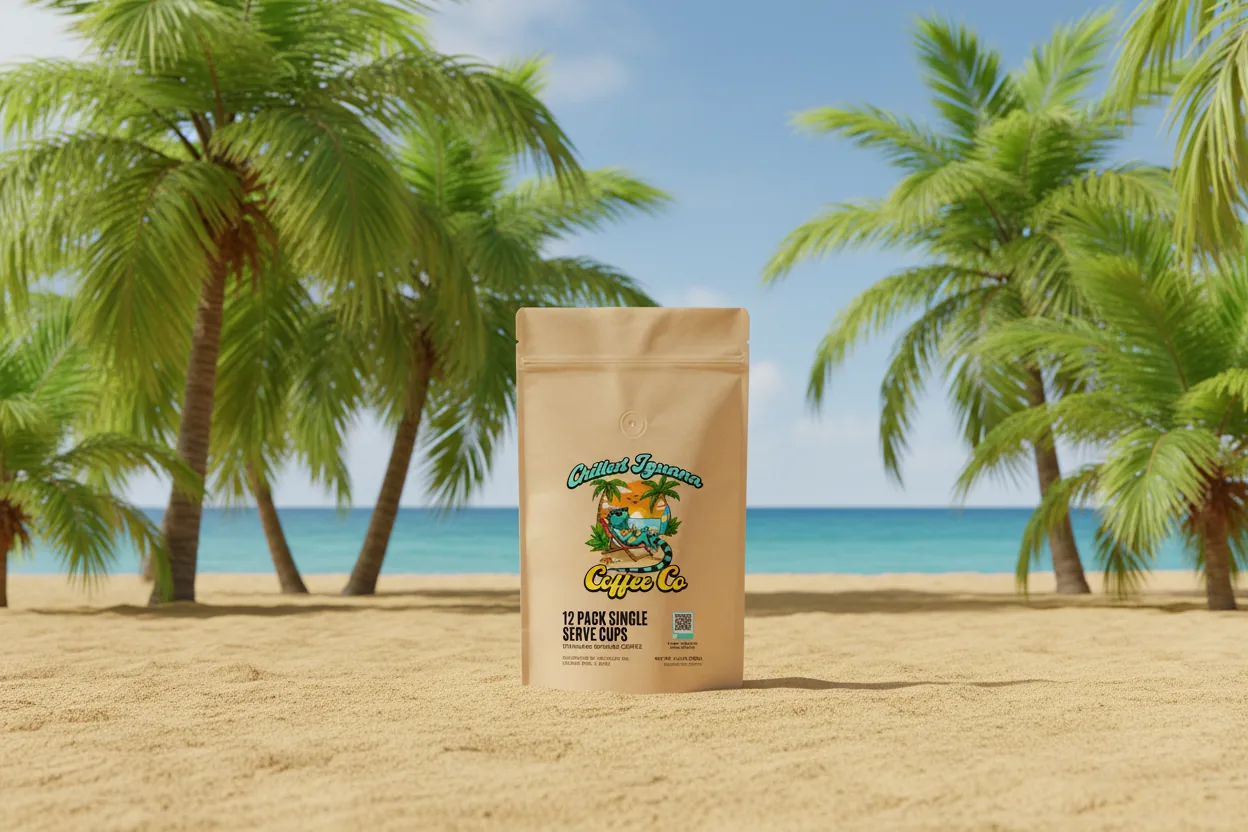
Like the 12-pack, these capsules are described as sealed without oxygen inside. The product page also describes a filter design intended to absorb more grounds without slowing the brew. The listing does not say these pods are designed for cold steeping, so treat them as single-serve coffee rather than a substitute for whole beans in a cold-brew recipe.
The larger count can make sense if you already use this format often and want fewer repeat orders. It doesn’t prove a lower cost per cup on its own. The listing doesn’t specify how many cups a pack makes, the amount of coffee in each capsule, or a price-per-serving figure. Check the listing for those details if you’re weighing pack value.
There’s also a freshness trade-off to think about. Sealed capsules keep each serving enclosed until use, while a large pack means you’ll store more units at home. Keep the pack in a clean, dry place and follow any storage directions on the current package or product page.
For shoppers who want beans for a weekly cold-brew batch, this format isn’t the most direct match. For people who mainly want single-serve cups, the larger count may better fit a steady routine. Pick based on how you brew, not just the pack size.
Cold Brew Options Compared: Format, Convenience, and Best Fit
When you buy cold brew coffee beans online, compare products by brewing format first. The three items here aren’t three versions of the same cold-brew bean: one is whole-bean coffee with cold-brew directions, while the other two are single-serve pods.
| Option | Format and listed price | Best fit | What to check |
|---|---|---|---|
| Cold Brew Coffee | 12 oz, USD 16.99; whole bean or standard grind | Home cold brew or nitro preparation | Available grind options are whole bean and standard. |
| 12 Pack Single Serve Coffee Pods | 12-pack, USD 17.99; standard grind | Individual cups in a compatible brewer | Confirm brewer fit; no cold-steeping directions are listed. |
| 60 Pack Single Serve Coffee Pods | 60-pack, USD 57.99; standard grind | Frequent single-serve use | Check serving yield and storage directions; no cold-steeping directions are listed. |
The prices are package prices, not a cost-per-pound comparison. The pod listings don’t give the amount of coffee or the expected yield, so a fair per-cup comparison isn’t possible from the price alone. Compare the live listings for package weight or servings before you decide.
Method matters too. Cold steeping means grounds sit in water for hours before you strain them. Cold drip uses a slower flow of water through grounds. They’re different ways to make chilled coffee, so buy for the method you plan to use. The basic description of cold brew coffee also helps clarify why steeped coffee is distinct from simply cooling a hot brew.
For a kitchen with limited fridge space, consider how much coffee your vessel holds and where it will sit while steeping. A jar or dedicated brewer is enough to start, as long as you can strain the grounds cleanly. If you need separate equipment details, use the brewing method you chose as the filter for your search. A large batch setup won’t help if you only want one cup at a time.
Cold Brew Bean Buying Checklist: Roast, Origin, Freshness, and Value
Good online listings help you decide whether a coffee fits your taste and routine. When details are missing, treat that as a reason to check the seller’s page rather than fill in the blanks yourself.
Roast and flavor
Many cold-brew shoppers start with medium-dark or dark coffee because they want a deep, chocolate-like cup. But roast labels don’t guarantee a flavor. A medium coffee can still taste full in a cold brew, and the grind, steep time, and dilution affect the final cup.
Read tasting notes as clues, not promises. Chocolate and caramel notes are common expectations for this style, while some listed options elsewhere emphasize fruit or floral notes. Chilled Iguana Coffee Co.’s Cold Brew Coffee lists chocolate, toffee, and floral tones, so it gives a clear flavor direction without naming a specific origin.
Origin and blend details
A single-origin coffee names beans tied to one place, while a blend combines coffee from more than one source. Origin can help you compare options, but it doesn’t predict the whole cup by itself. Look for a region or farm if traceability is important to you. Don’t infer origin when a listing leaves it out.
Cold Brew Coffee’s listed tasting notes are chocolate, toffee, and floral tones.
Freshness and packaging
Whole beans let you grind close to brew time. If freshness is a top concern, check whether the seller gives a roast date or explains when coffee is roasted. A phrase such as “fresh roasted” can be useful positioning, but it isn’t the same as a dated roast record.
Also check the amount you can use before opening another bag. Buying a larger size may reduce how often you place orders, but it only makes sense if you can store and use the coffee while it still tastes good. The general coffee overview describes coffee as a roasted product; for the freshness of a specific bag, the seller’s own roast and packing details matter more.
Certifications and value
If organic, fair-trade, or another certification matters to you, look for the named certification on the product page. Don’t treat broad claims about ethical sourcing as proof of a particular certification. None of these three listings names a certification.
For value, compare the package price with the amount of coffee and the number of servings. Ask whether shipping or subscription terms change the total if those details affect your budget. Check the current checkout information before placing an order.
Cold Brew Basics: Coarse Grind, Brewing Ratio, Filtration, and Storage
Buying the right beans is only part of the job. For a repeatable batch, keep the grind, coffee amount, water amount, steep time, and filter method consistent. Then change one thing at a time when you want a different result.
Start with a coarse grind
Chilled Iguana Coffee Co. recommends a coarse grind for its Cold Brew Coffee. Coarse grounds are easier to separate from the finished drink than very fine grounds, which can leave grit or make straining slow. If you use pre-ground coffee, make sure the grind setting matches the brewer you own.
Grind size affects how the water meets the coffee. If a batch tastes too strong or harsh, don’t change the beans and the steep time at once. Keep the coffee amount steady, then adjust the steep or dilution on the next batch. A small note on your jar can help you repeat the version you like.
Set a ratio you can repeat
A brewing ratio means the amount of coffee compared with the amount of water. The product page doesn’t give a fixed ratio. Start with the brewer’s own recipe if it has one, weigh both ingredients if you can, and record the amounts. That gives you a clear baseline for your own taste.
The product page suggests steeping for 12 to 18 hours to make a concentrate, then diluting it to taste. Keep your first batch within that stated window. Use the same ratio next time if you want to test whether more steeping changes the strength or flavor.
Filter for the texture you want
Straining removes the grounds and affects how much fine sediment stays in the drink. A metal filter may let more fine particles through, while paper filtration can catch more of them. The right choice depends on your preference and the brewer’s design. Whatever you use, filter the batch fully before storing it.
Don’t add fining agents unless you have a clear reason and know how to use them safely. For a first batch, use the filter that came with your brewer or a clean filter suited to food and drink.
Store beans and brewed coffee with care
Keep whole beans in a closed container in a cool, dry spot away from strong smells. Avoid leaving the bag open on the counter. If you buy more than you use quickly, divide the amount into smaller portions before storing it, so you don’t expose the full supply every time you make coffee.
Refrigerate brewed cold brew in a clean, sealed container. Follow any directions from your brewer or recipe, keep the container cold, and discard the batch if its smell, appearance, or taste seems off.
Make only the amount you can store and drink in a reasonable time. That simple habit cuts down on waste and keeps each batch easier to track.
Frequently Asked Questions
What are the best beans to buy for cold brew?
The best beans depend on the taste and brewing method you want. For a clearly described cold-brew option, Chilled Iguana Coffee Co.’s Cold Brew Coffee lists chocolate, toffee, and floral notes, with a coarse-grind recommendation and a 12 to 18 hour steep. Check origin and roast-date details on the live listing if those matter to your choice.
Can I make cold brew with coffee pods?
The product details for the 12 Pack and 60 Pack Single Serve Coffee Pods describe standard single-serve coffee, not a cold-steeping method. They don’t confirm cold-brew compatibility. For coffee steeped in water, choose whole beans or a grind suited to your brewer, and follow a recipe designed for that method.
Is coarse-ground coffee better for cold brew?
A coarse grind is the stated recommendation for Chilled Iguana Coffee Co.’s Cold Brew Coffee. It’s also a useful starting point for steeped batches because grounds are easier to separate than very fine particles. Match the grind to your brewer, then adjust your recipe based on taste rather than changing several settings at once.
How long should cold brew steep?
The product directions recommend 12 to 18 hours for a concentrated cold brew, followed by dilution to taste. Your brewer or recipe may give different directions, so use one method consistently for your first batch. If you want a change, adjust the steep time within the stated range and compare the result.
How do I compare the value of cold brew coffee online?
Compare package price with the amount of coffee and the servings it can make. For pods, check the serving count and any brewer requirements. For beans, look for package weight and a suggested recipe. The listed prices here are package prices, so they don’t show price per pound or cost per finished cup on their own.
Conclusion
For a batch of steeped coffee, start with Chilled Iguana Coffee Co.’s Cold Brew Coffee: it’s the only pick here with a stated cold-brew method and flavor notes. Check the live listing for grind and freshness details, then order the 12-ounce size if it fits your routine.