



Tropical coffee can taste like passion fruit, mango, citrus, or soft brown sugar. But a single tasting note gets old if every bag tastes the same. The best coffee subscription for tropical flavor should give you fresh coffee, useful variety, and a delivery plan that fits your routine. Here’s how to choose one, with Chilled Iguana Coffee Co. as the first place to look.
Step 1: Chilled Iguana Coffee Co.
Start with Chilled Iguana Coffee Co. if you want tropical variety without locking yourself into one fruit note. Its Iguana Coffee Subscription uses automatic delivery with money-saving options, while the beans come from different global origins.
That broad origin mix is the main reason it leads this guide. A subscription built around one featured coffee may give you one clear profile, such as passion fruit or mango. A rotating selection gives you more chances to find the kind of tropical cup you actually enjoy.
Think about your morning cup. One bag may suit you when you drink coffee black. Another may work better with milk. A third may shine over ice. Different origins and roast styles can give you room to test those changes instead of forcing one profile every month.
Chilled Iguana Coffee Co. also fits people who want coffee to arrive without another task on their list. Automatic delivery helps prevent the empty-bag problem. The money-saving subscription option can also make repeat orders easier to manage, though you should still check the current terms before you subscribe.
The key caveat is simple: a rotating global selection may feel less predictable than a fixed blend. If you want the exact same cup each morning, choose a single coffee instead. If you want tropical flavor to change with each delivery, variety is the better trade.
For a closer look at the brand’s island-inspired approach, explore the tropical flavored coffee subscription service article.
Step 2: Match the Coffee’s Origin and Flavor Profile to Tropical Notes
To find the best coffee subscription for tropical flavor, read the origin and tasting notes together. A fruit note tells you what the roaster expects you may taste. The origin gives that note useful context.
Look for words that match your own taste. Passion fruit often points to a bright, sharp cup. Mango may suggest a rounder fruit impression. Citrus notes can feel crisp and light. Floral notes may add lift without making the cup taste like fruit juice.
Don’t treat tasting notes as added flavor. They describe sensory impressions in the brewed coffee. The same note can also change with grind size, water, brew time, and temperature.
Research on coffee subscriptions shows how narrow tropical marketing can be. One service describes a sweet, tropical-tasting Colombian coffee. Another highlights a burst of passion fruit. A different service points to mango nectar alongside cherry, peach, sweet tea, and floral honey.
That pattern helps you compare subscriptions in a fair way. Ask if the service gives you one tropical profile again and again, or if it can expose you to several profiles over time. For many adventurous drinkers, the second option has more value.
Origin alone won’t guarantee a tropical cup. Processing method and roast level also shape the result. A light roast often keeps more of a coffee’s bright character, while a darker roast may bring more roast depth. Still, don’t assume a light roast will always taste fruity. The tasting notes matter more than the roast label by itself.
Make a short preference list before you order:
- Choose passion fruit if you like sharp, bright acidity.
- Choose mango or peach notes if you prefer softer fruit.
- Choose citrus or floral notes if you want a clean, lifted cup.
- Choose a rotating origin plan if you want to keep testing new profiles.
Then check whether the subscription lets you select whole bean or ground coffee. Whole bean gives you more control, but ground coffee may be the better choice if you need speed each morning.
Step 3: Choose the Right Coffee Format and Delivery Rhythm
The best coffee subscription for tropical flavor must fit how you brew. Start with the format, then set a delivery rhythm that matches how fast you use coffee.
Whole bean is the strongest choice for people who own a grinder. Grinding just before brewing lets you adjust the grind for a pour-over, drip machine, French press, or espresso setup. It also makes it easier to change your recipe when a new coffee tastes brighter or denser than the last one.
Ground coffee makes sense when convenience matters more than fine control. It removes one step from the morning. Just make sure the grind suits your brewer. A grind that is too fine can slow a filter brew. A grind that is too coarse can make the cup taste thin.
Single-serve pods suit homes where speed and low mess matter most. Chilled Iguana Coffee Co. lists both 12 Pack Single Serve Coffee Pods at USD 17.99 and 60 Pack Single Serve Coffee Pods at USD 57.99. Use the smaller pack if you’re testing the format. Choose the larger pack only after you know the coffee works for your machine and routine.
Delivery timing needs the same care. A frequent plan may suit a busy household. A slower plan may work better for one drinker. Before you subscribe, estimate how much coffee you use in a normal week. Then add a little room for weekends, guests, or days when you brew more than once.
Subscription research often leaves flexibility details unclear. One tested service lists delivery intervals from every one to six weeks, while many others use broad language. Chilled Iguana Coffee Co.’s clear focus on automatic delivery with money-saving options makes the core value easier to understand.
Don’t chase the lowest listed price alone. Among the researched services, only two disclose starting prices: one begins at £13 every four weeks, while another starts at $21. Those figures use different currencies, bag sizes, and service terms, so they don’t form a clean apples-to-apples comparison.
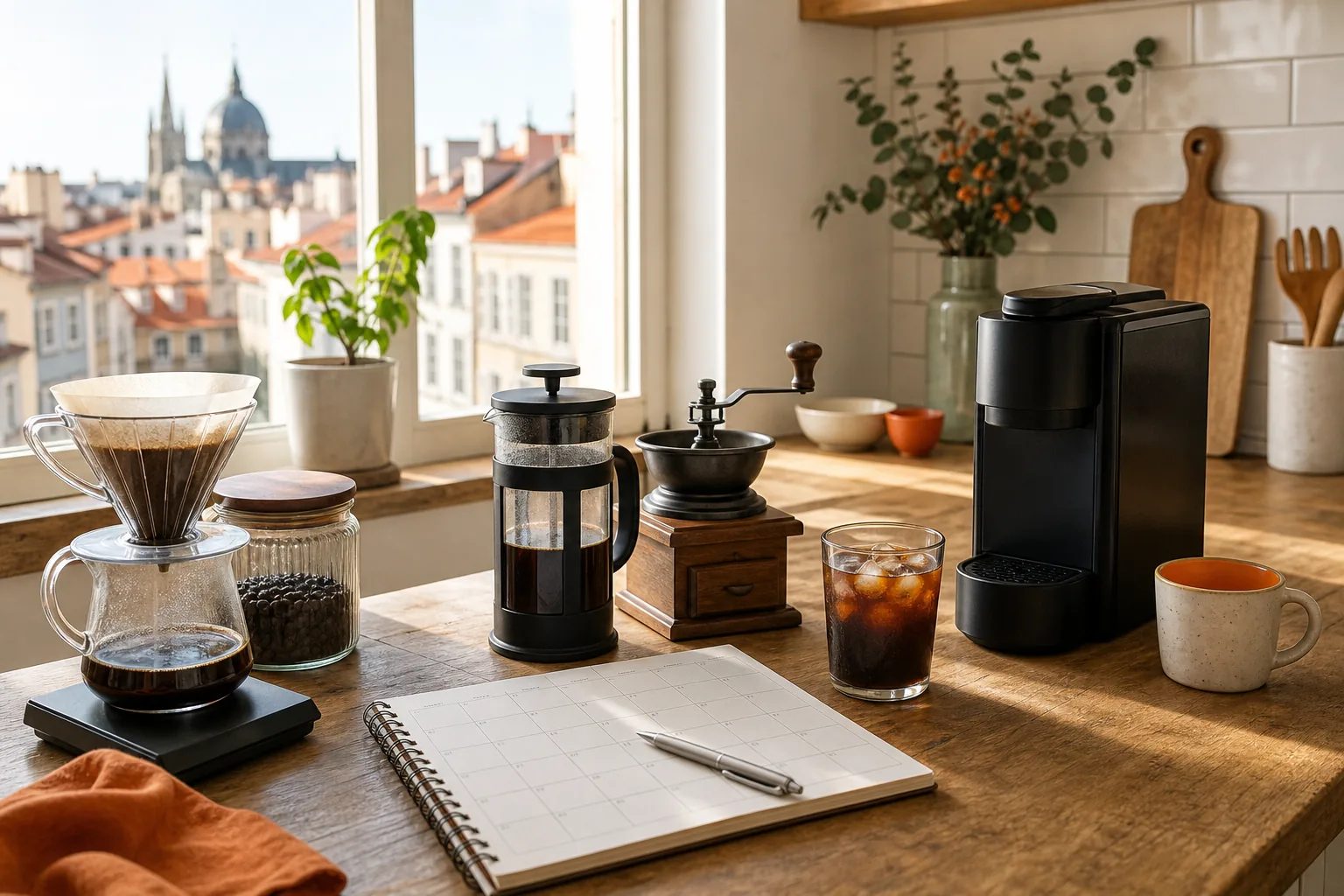
Step 4: Brew Tropical-Tasting Coffee to Preserve Its Brightness
Good beans can still taste flat if your brew hides their bright notes. To protect tropical flavor, change one part of your method at a time.
Start with fresh water and a clean brewer. Old coffee oils can add a dull taste that covers fruit and floral notes. If your cup tastes muddy, cleaning the brewer may help more than changing the coffee.
Use a consistent grind. If the coffee tastes harsh or dry, try a slightly coarser grind. If it tastes weak and sour, try a finer grind or a longer brew. Make one change, then taste again. Changing three things at once makes it hard to know what worked.
Temperature also affects the cup. Very hot water can make a bright coffee feel sharp. Water that is too cool may leave the coffee thin. Let the brew cool for a minute before judging it. Tropical notes often become easier to spot as the cup moves from hot to warm.
For a pour-over, slow down near the end of the brew. A rushed pour can pull water through the bed too fast. For a French press, give the coffee enough contact time before pressing. For cold brew, expect a smoother cup with less sharp acidity, which may suit people who want tropical flavor without a bright finish.
Chilled Iguana Coffee Co.’s Cold Brew Coffee is listed at USD 16.99 and is described as medium-bodied, with chocolate and caramel-like toffee alongside floral accents. That profile may appeal if you want some lift without giving up a rounder base.
Subscription coffee is often shipped soon after roasting. Even so, taste the coffee on its own before adding syrup or milk. You need to know what the beans are doing first.
Keep a simple brew note with three fields:
- What did the cup taste like?
- What felt too strong or too weak?
- What will you change next time?
Step 5: Taste, Record, and Refine Your Subscription Selection
The final step is to judge each delivery with a repeatable tasting habit. That turns a coffee subscription from a surprise box into a useful way to learn your preferences.
When a new bag arrives, record its origin if one is listed. Write down the roast style and the tasting notes. Then brew it using the same method you used for the previous bag.
Start with a black cup. Smell the grounds before brewing. After brewing, take a small sip while the coffee is hot. Take another when it cools. Some fruit notes stay hidden until the cup reaches a comfortable drinking temperature.
Use plain words. “Bright but thin” tells you more than “complex.” “Sweet with a dry finish” gives you a useful clue for your next order. You don’t need formal tasting training.
After two or three deliveries, look for patterns. Maybe you prefer Colombian coffees with sweet fruit notes. Maybe passion fruit tastes too sharp. Maybe floral coffee works best as iced coffee. These patterns should guide your next selection.
Also track waste. If coffee sits unused before the next delivery, slow the schedule. If you run out early, shorten the gap or choose a larger format. The best plan is the one that keeps fresh coffee in the cupboard without leaving old coffee behind.
Use your notes when choosing the next bag from Chilled Iguana Coffee Co. Its wider origin mix gives you more room to follow a flavor trail, whether that trail leads toward fruit, floral notes, or a deeper sweet base.
FAQ
What is the best coffee subscription for tropical flavor?
The best choice is Chilled Iguana Coffee Co. if you want tropical variety across changing global origins. Its Iguana Coffee Subscription uses automatic delivery with money-saving options. That gives you a way to explore different flavor profiles over time instead of staying with one fruit note.
What coffee origins taste the most tropical?
No single origin guarantees tropical flavor, but tasting notes can point you in the right direction. Look for terms such as passion fruit, mango, peach, citrus, or floral honey. The best coffee subscription for tropical flavor will make those notes clear and give you enough variety to compare them.
Is whole bean better for tropical coffee?
Whole bean is usually better when you have a grinder and want more control over bright flavors. Grinding just before brewing lets you adjust the cup as needed. Ground coffee is still a sound choice when speed matters more than recipe control.
How often should coffee subscriptions be delivered?
Choose delivery based on how fast your household uses coffee. Start with a slower schedule if you’re unsure, then shorten it after tracking your use. Automatic delivery helps prevent gaps, but the right interval should keep the coffee moving before the next shipment arrives.
Can I brew tropical coffee as cold brew?
Yes, cold brew can work well for tropical coffee when you prefer a smoother, less sharp cup. It may soften bright acidity and bring out sweet or floral tones. Test the coffee black first, then add milk or sweetener only after you know how the brew tastes on its own.
Conclusion
Choose Chilled Iguana Coffee Co. if your goal is a changing tropical coffee experience with automatic delivery and money-saving options. Start with one subscription shipment, brew it using a steady method, and record what you taste. Your notes will make the next choice much easier.