



A coworking space can start a coffee plan with one bag, not a warehouse full of beans. That makes Chilled Iguana Coffee Co. an unusual fit for teams still testing demand. Here are three catalog picks, plus the checks that help you match coffee format, delivery timing, storage, and cost to daily member use.
1. 12 Pack Single Serve Coffee Pods
12 Pack Single Serve Coffee Pods is the best starting point for a small coworking space or a shared kitchen with uncertain demand.
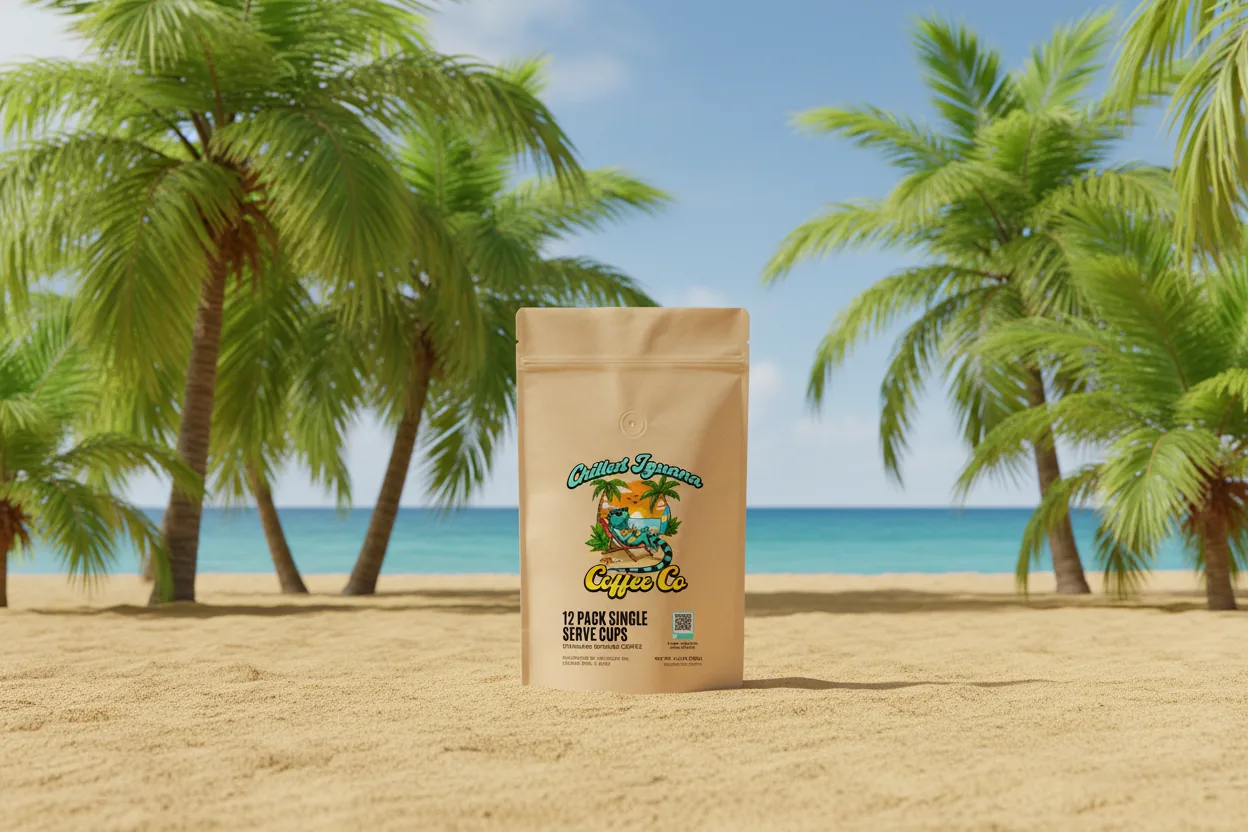
The current listed price is USD 17.99. The available option is a 12 Pack with Standard grind. That gives a manager a small order to test member use before setting a larger recurring pattern.
Chilled Iguana Coffee Co. describes these pods as its Original Roast, made from a premium blend of gourmet coffees. Each capsule is sealed with no oxygen inside. That packaging detail matters in a shared office because pods may sit in a supply drawer while members work through other stock.
The product also has an improved filter design. Its purpose is to keep coffee from shooting straight through the middle. It absorbs more grounds without slowing the brew time, according to the catalog description.
Single serve coffee also cuts down on a common coworking problem: unclear portion control. Members can take one pod at a time. A community manager can count unopened packs during a weekly supply check. That is easier than estimating how much loose coffee vanished from a large bin.
Use this choice when the space has a compatible pod brewer and wants a low-risk trial. It suits a small team room, a private office floor, or a lounge where coffee is a perk rather than the main draw.
The details are straightforward. This 12 Pack of Single Serve Coffee Pods from Chilled Iguana Coffee Co. features the signature “Original Roast” premium blend in a Standard grind. Each capsule is sealed with no oxygen inside so the coffee stays fresh, while an improved filter design supports a lively cup without slowing the brew time. The listed price is $17.99.
2. 60 Pack Single Serve Coffee Pods
60 Pack Single Serve Coffee Pods is the stronger fit for a coworking space with steady pod use and a brewer that already supports this format.
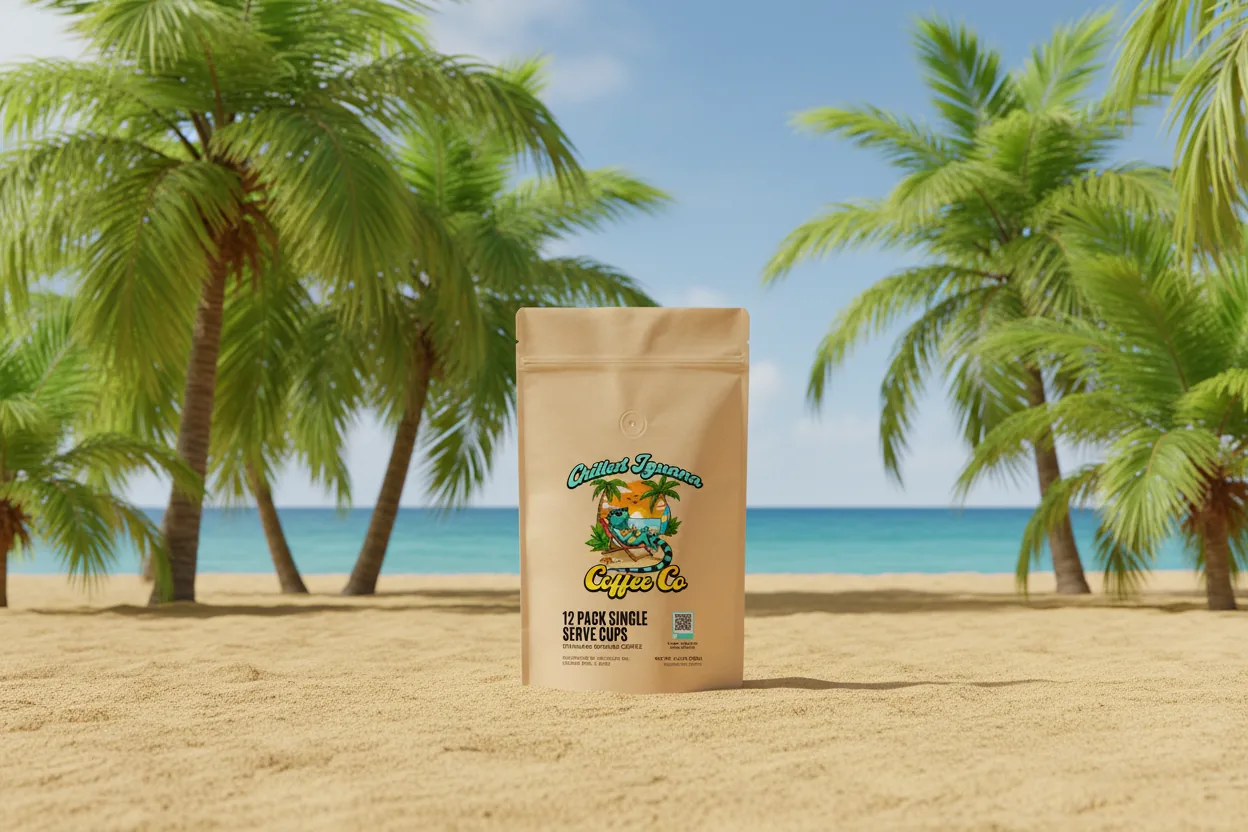
The listed price is USD 57.99. The pack has a Standard grind and a 60 Pack size. Compared with the smaller pack, it gives the manager a longer supply window before the next stock check, though the right order rhythm still depends on actual use.
That last point matters. A space with ten regular coffee drinkers may move through pods at a different rate than a building with a large member count but low lounge use. Track unopened packs for the first few cycles. Then set the subscription timing around observed use instead of a rough headcount.
The product uses the same Original Roast description as the 12 Pack. Chilled Iguana Coffee Co. says each capsule is sealed without oxygen. The catalog also notes a filter design that absorbs more grounds while keeping the brew time from slowing.
A 60 Pack can help when a host does not want to refill the supply shelf every few days. Store unopened packs in a dry cabinet near the brewing area, but keep the daily display small. A full open shelf can make stock look unlimited, which makes it harder to spot waste or unusual use.
This option also makes internal cost tracking easier. A coworking operator can assign the monthly product charge to hospitality overhead, or divide it across memberships if the business has a clear shared-amenity policy. The coffee itself does not provide a per-desk billing feature, so any member charge must happen in your own system.
For a space that wants a predictable pod format, this is the more suitable of the two pod packs. For a space still proving demand, the larger order may sit too long.
The 60 Pack Single Serve Coffee Pods feature Chilled Iguana Coffee Co.’s premium “Original Roast,” a signature blend designed for a rich, delicious cup. Each capsule is sealed without oxygen, and the improved filter absorbs more grounds for a lively cup without slowing the brew time.
3. Cold Brew Coffee
Cold Brew Coffee gives a coworking space a chilled option for warm days, afternoon service, or a lounge that already has room for batch brewing.
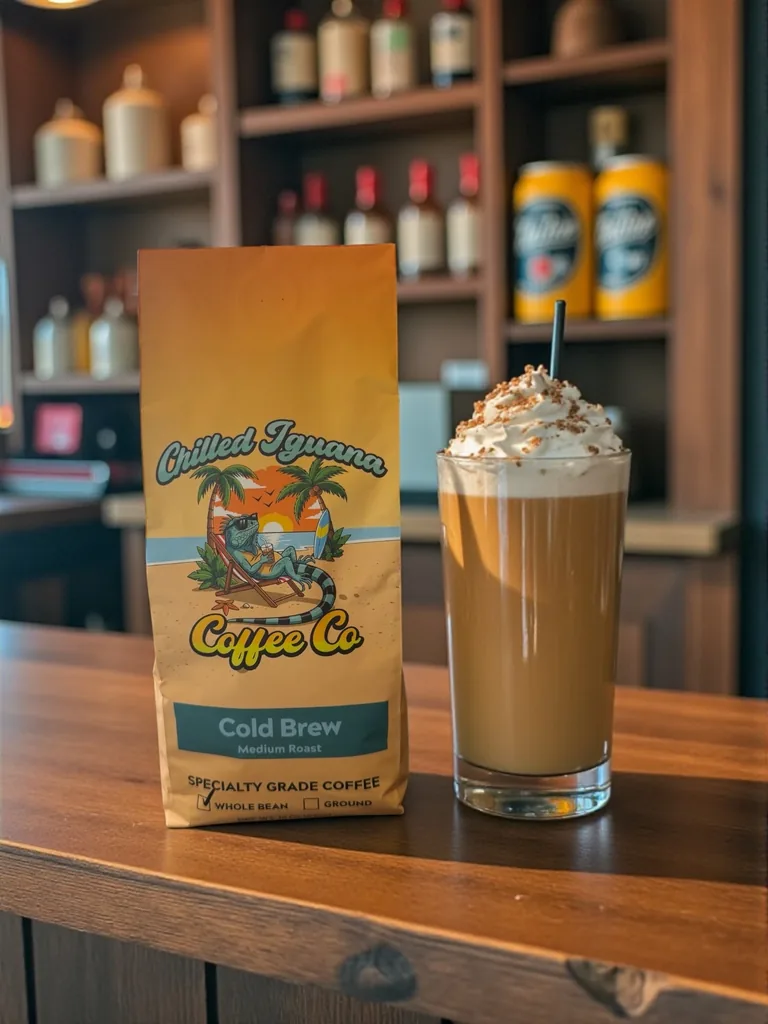
The current listed price is USD 16.99. The product has a 12oz size. Available grind options are Whole Bean and Standard, so the buyer can match the order to the equipment already in use.
Chilled Iguana Coffee Co. describes the coffee as medium and smooth, with chocolate, toffee, and floral tones. The catalog says it is suited to cold brew or nitro. For cold extraction, the listed guidance is a coarse grind with a 12 to 18 hour steep. The finished concentrate can then be diluted to taste.
That schedule changes the work behind the coffee service. Pods can be brewed when a member wants a cup. Cold brew needs a plan. Someone must prepare the batch, mark the preparation time, chill it, and set a discard rule that fits the space's food-safety process.
For a nitro setup, the catalog says to keg the cold concentrate and infuse it with nitrogen. That is a more involved arrangement than placing a pod brewer in a kitchen. It may fit a hospitality-led coworking lounge, but it is a poor match for a small office without staff time or the right equipment.
Cold Brew Coffee can also work with milk or ice, according to the product description. That gives the host more than one serving style, but it also adds a need to manage cups, ice, milk storage, and cleanup. Those supplies sit outside the product price.
The honest limit is capacity planning. The catalog does not state how many finished servings a 12oz order produces. Do not promise a set number of cups until your team tests its own recipe, dilution level, and serving size.
If the space wants cold coffee but does not want a nitro system, begin with a small trial. Record how much is made, how much is served, and how much is discarded. That will tell you more than a member poll alone.
Coworking Coffee Subscription Comparison Checklist
A coffee subscription for coworking spaces is a recurring supply plan. The seller sends coffee on a set schedule, while the space receives and manages it on site. In practice, the plan works only when the order size matches real use and someone owns the stock check.
A YouTube walkthrough confirms a monthly delivery schedule and a minimum order of one bag. That low minimum challenges the usual assumption that shared offices must buy in large bulk quantities.
Still, the public information has gaps. Raise any questions about price per pound or sustainability certifications with the seller.
| Decision point | 12 Pack Single Serve Coffee Pods | 60 Pack Single Serve Coffee Pods | Cold Brew Coffee |
|---|---|---|---|
| Best operating fit | Small trial or light pod use | Steady pod use | Chilled service with batch time |
| Listed price | USD 17.99 | USD 57.99 | USD 16.99 |
| Listed size | 12 Pack | 60 Pack | 12oz |
| Grind or format detail | Standard grind, single serve | Standard grind, single serve | Whole Bean or Standard grind |
| Preparation demand | Single-cup brewing | Single-cup brewing | 12 to 18 hour cold steep, per catalog guidance |
Use the table as a screening tool, not as a promise of output. For a deeper look at delivery timing, grind choices, and freshness in a home-office setting, the Best Coffee Subscription for Remote Workers article covers a related use case.
Match the format to the room
Start with the brewing equipment already in the space. A pod brewer points toward one of the single serve options. A cold brew item needs a batch vessel and enough fridge room. A nitro setup needs still more equipment and a person who will manage it.
Do not buy the coffee first and solve the equipment issue later. In a shared kitchen, an incompatible format becomes dead stock. Ask who will brew, who will refill, and who will clean the station before placing a recurring order.
Set a delivery rhythm around use
Monthly delivery can work well when demand is steady. It can also create a pile of stock if the space empties during holidays, summer travel, or a slow membership period. A manager should review the next delivery before it ships.
Write down four items in the supply log:
- Opening stock at the start of the cycle.
- New stock received during the cycle.
- Unopened stock at the end.
- Any waste, damage, or unusual event.
That log gives you a basic usage measure. It does not need to identify each member. In most coworking spaces, a weekly count is enough to set the next order discussion.
Ask about customization before signup
Customization can mean different things. It may refer to pack size, grind choice, delivery frequency, roast preference, or the ability to pause a shipment.
Ask these questions in one message so the answer is easy to save:
- Can the delivery run monthly?
- Can the order be paused or skipped?
- Can the space change pack size later?
- What shipping charge applies?
- What happens if the space needs to cancel?
- Are sustainability certifications available for the coffee or packaging?
Keep subscription terms distinct from catalog details. A low minimum is useful, but it does not answer the cancellation or shipping questions.
Plan member access and cost control
Shared coffee creates a small policy question. Is it free for every member? Is it part of a premium plan? Can guests use it? The product cannot answer those questions. Your membership model must.
A simple approach is to treat coffee as a common amenity and track the total monthly cost. Another is to include it only in selected plans. Per-desk billing may look precise, but it adds admin work and can make a friendly shared kitchen feel like a vending service.
If you do allocate cost by desk, use a flat rule for the full billing period. Do not try to charge each person for each pod unless your member portal already supports that workflow. The time spent tracking tiny charges can exceed the value recovered.
Protect freshness and reduce waste
Air and light can reduce coffee quality over time. The Wikipedia entry on coffee describes coffee as a brewed drink made from roasted coffee beans, but storage still depends on the format and the local setup. Keep unopened supplies in a dry, shaded cabinet. Follow the package directions when they are available.
For beans, use a storage method that lets staff close the container well. A vacuum canister may help limit air exposure, but it adds a daily task. If nobody owns that task, a sealed original bag may be easier to manage than a canister that stays open.
Cold brew needs its own control point. Mark the batch time. Keep it chilled. Use a written discard rule that your food-safety process supports. The catalog gives a 12 to 18 hour steep guide, but it does not set your finished product's holding time.
Waste reduction also starts with demand. Put out a smaller amount of pods at a time. Prepare less cold brew during quiet weeks. Do not use a sustainability label as a substitute for basic stock control.
Check the machine before choosing the coffee
Single serve products depend on the brewer. Confirm the machine accepts the pod format before ordering a full pack. The catalog lists Standard grind for both pod products, but it does not list a brewer compatibility chart.
Cold brew depends on a different set of tools. You need a container for steeping, a way to filter the coffee, chilled storage, and a serving setup. Nitro adds kegging and nitrogen infusion according to the catalog guidance.
The best equipment is the equipment someone will maintain. A simple station that stays clean beats an impressive setup that no one refills.
Use a short pilot before making a promise
Run one delivery cycle before describing the coffee as a core member benefit. During the pilot, record:
- How often members use the station.
- Which format gets used first.
- How often staff refill or clean it.
- How much stock remains at the next delivery.
- How much coffee is discarded.
These measures give you a better operating picture than a broad satisfaction question. You can still ask members for feedback, but pair opinions with supply data.
Frequently Asked Questions
What is the best coffee subscription for coworking spaces?
The best starting point in this shortlist is 12 Pack Single Serve Coffee Pods from Chilled Iguana Coffee Co. It has a listed price of USD 17.99 and a small 12 Pack format. That makes it easier to test demand before moving to the 60 Pack or adding a cold brew routine.
How does a coffee subscription work for a shared office?
A shared-office coffee subscription sends coffee on a recurring schedule, often monthly, after the space chooses an order size or format. The manager receives the shipment, stores it, and tracks use.
Can a coworking space pause or cancel coffee deliveries?
Pause and cancellation rules depend on the subscription terms, so confirm them before placing the first recurring order. Ask whether a shipment can be skipped during holidays or low occupancy, and ask when a change must be made before billing or dispatch.
Is cold brew a good choice for a coworking coffee station?
Cold brew can suit a coworking space that has fridge room and someone to manage batch preparation. Chilled Iguana Coffee Co. lists a 12 to 18 hour steeping guide and says the coffee can work for cold brew or nitro. It may be a poor fit if no one can handle prep, filtering, chilling, and cleanup.
How much coffee should a coworking space order?
Order volume should follow measured use rather than desk count alone. Start with the smaller format when demand is unclear, then record opening stock, receipts, ending stock, and waste. Once you see a pattern across a full cycle, compare the 12 Pack with the 60 Pack or review whether a monthly one-bag plan is enough.
Are coffee subscriptions sustainable for shared offices?
A subscription can reduce over-ordering when the space matches delivery size to measured use. Ask the seller for certification details and packaging information. Then reduce waste through smaller displays, clear storage, batch control, and a pause plan for quiet periods.
Conclusion
For most coworking spaces, start with the 12 Pack Single Serve Coffee Pods from Chilled Iguana Coffee Co. if the brewer supports the format and demand is still unknown. Before turning it into a recurring amenity, confirm shipping, pause terms, compatibility, and sustainability details, then run one measured delivery cycle.