



A good cup on the road starts with a simple choice: beans you can identify, plus a brew method that suits your space. Chilled Iguana Coffee Co. has three travel-friendly coffee options here. When you want beans from one named place, the shop also sells single-origin coffees such as Colombia and Costa Rica, and the label advice below helps you choose.
1. 12 Pack Single Serve Coffee Pods
The 12 Pack Single Serve Coffee Pods is Chilled Iguana Coffee Co.'s Original Roast in a 12-pack. It’s best for van travelers who want a quick cup without carrying loose grounds or cleaning a brew device after each use.
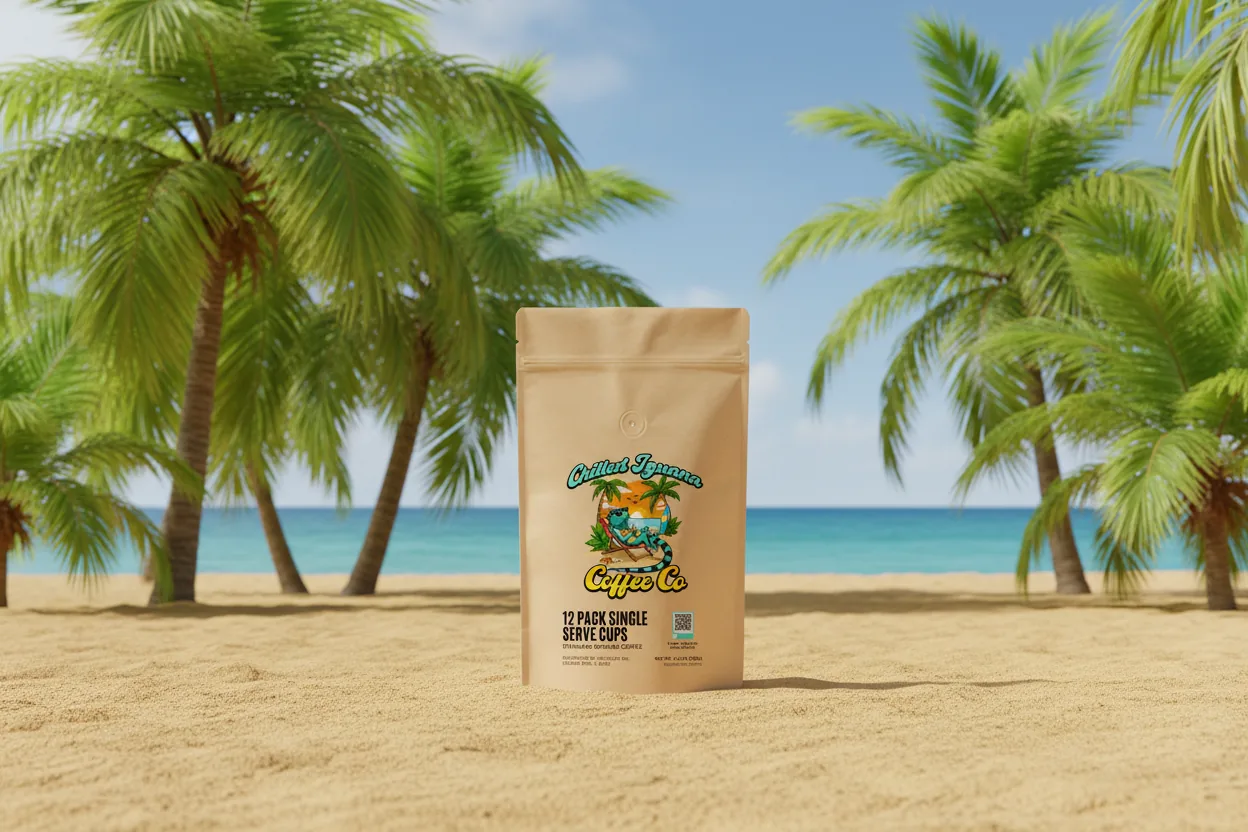
It is a premium blend, not a single-origin coffee. That distinction matters if you’re choosing beans to taste a specific growing region. Still, single-serve coffee can suit mornings when you’re breaking camp, keeping your counter clear, or making one cup at a time.
Each capsule is sealed without oxygen, according to the product details. The listing also describes an improved filter designed to absorb more grounds while preventing coffee from rushing through the center. It’s meant to support a lively cup without slowing the brew.
The listed grind is Standard, and the size is 12 Pack. The current listed price is USD 17.99. Check the product page before ordering in case its options or price change.
One caveat: these are capsules, so they suit a van setup only if you already have a compatible brewer. Confirm that fit before packing them, and don’t count on a capsule-only setup if you prefer pour-over or a press pot.
For a small crew or occasional coffee drinker, the 12-pack keeps the amount on hand modest. If you’re traveling with more people or want a larger reserve, the 60-pack is the next option.
2. 60 Pack Single Serve Coffee Pods
The 60 Pack Single Serve Coffee Pods is the same Original Roast blend in a larger pack. It’s a fit for travelers who use compatible capsule equipment often and have room to store more servings.
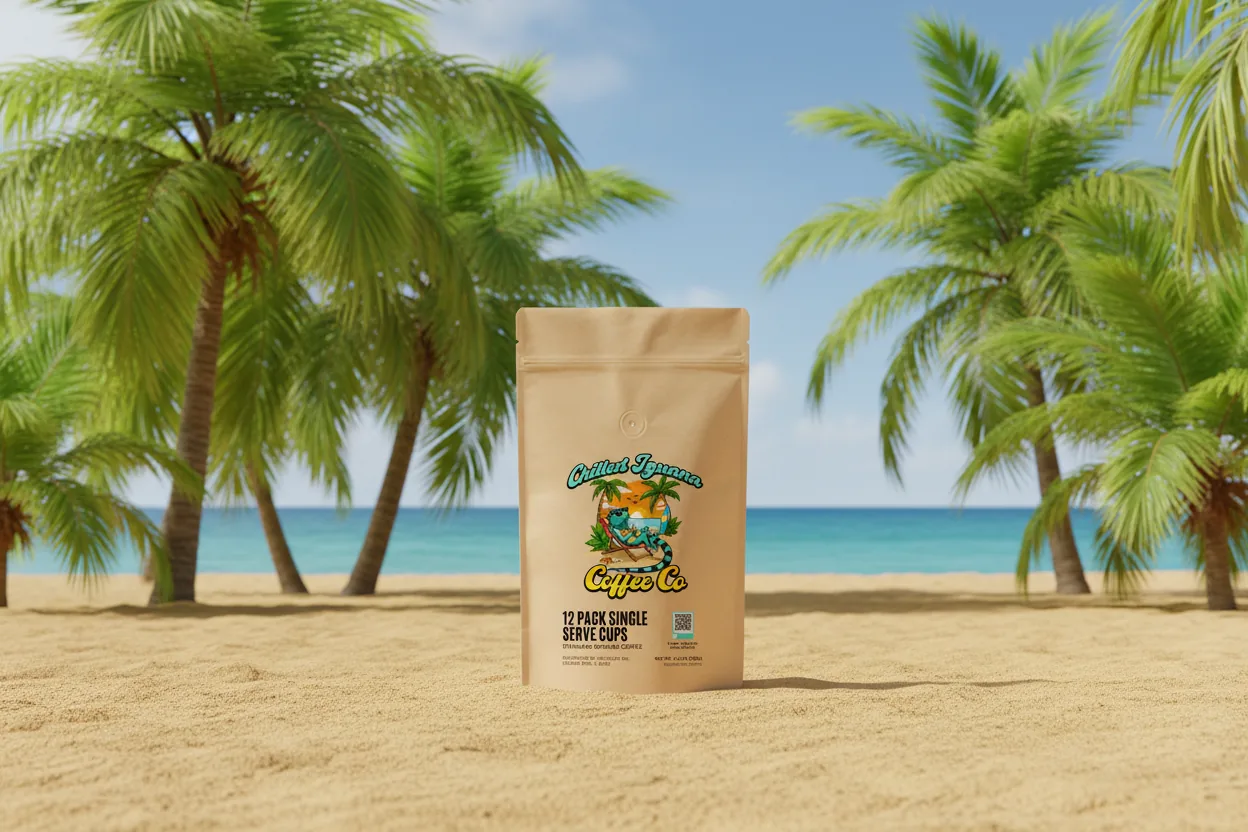
The product description gives the same core details as the 12-pack: capsules are sealed without oxygen, and the filter is designed to hold more grounds as water passes through. The grind is listed as Standard. Size is 60 Pack, and the current price is USD 57.99.
Buying a larger pack means fewer orders to manage while you’re moving around. But it also means committing to one blend for longer. If you’re trying to taste coffees by origin, this product doesn’t provide that origin detail. The listing calls it a signature blend, so treat it as a convenient blend rather than a named single-origin choice.
Storage space is the deciding factor in a van. Before you order, choose a dry spot where the pack won’t get crushed or sit beside a damp sink. Keep the amount you use each day easy to reach, and leave the rest sealed until needed.
Capsules can reduce loose grounds around a compact cooking area. They don’t remove every cleanup task, though. You’ll still need to manage used capsules and confirm how they should be disposed of based on their material and local waste rules.
If you’re unsure how quickly you’ll go through a larger supply, start with the smaller pack. The bigger size makes more sense when you already know this roast and capsule format work for your routine.
3. Cold Brew Coffee
Cold Brew Coffee is a 12-ounce coffee with a whole-bean or Standard grind option. It’s best for van travelers who like chilled coffee and can plan ahead for a slow steep.
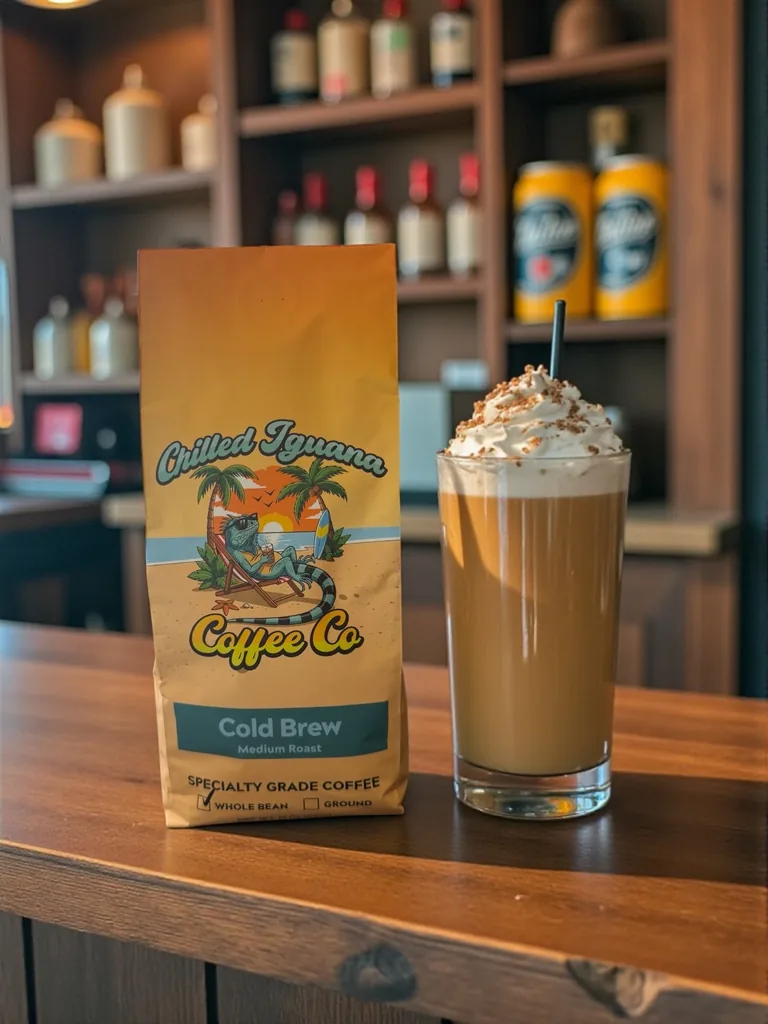
Chilled Iguana Coffee Co. describes it as medium and smooth, with chocolate, toffee, and floral notes. The catalog says it’s suited to cold brew or nitro. For cold brew, its suggested method is a coarse grind steeped for 12 to 18 hours. The result is a concentrate you can dilute to taste.
The listed price is USD 16.99. Since the product has whole-bean and Standard grind options, choose based on what you can brew with your gear. Whole beans need a grinder. Standard grind means one less tool to pack, but the product details don’t state a specific grind size for that option.
Cold brew takes planning. Start a batch the night before a travel day, then keep the finished drink in a suitable container. Make only what you can store safely and use promptly.
This isn’t listed as a single-origin coffee, and the product details don’t name a growing region. Its flavor notes and cold-brew instructions can still help you decide if its style fits your trip. If origin is your main buying filter, look for a separate origin statement on the coffee listing.
Buying Single-Origin Beans for Van Life: The Label Checks That Matter
When you buy single origin coffee beans for van life, read the bag before you buy. “Single origin” means the coffee comes from one stated origin rather than a blend of coffees from different places. The label may name a country, region, farm, or cooperative. More detail can help you understand what the roaster is identifying, but a country name alone won’t tell you exactly how the cup will taste.
Start with the origin. Look for the place name and note how specific it is. Then check the flavor notes, which are descriptions of the tastes a roaster expects you may notice. They’re a guide, not a promise that every cup will taste the same to every person.
Roast level can help you narrow the choice. Light, medium, and dark roasts are broad labels. They don’t replace tasting notes, and they don’t guarantee a particular flavor. If you use a small press or pour-over, the coffee’s stated brewing guidance can help you decide whether the bag suits your kit.
Next, check the processing method if the label gives it. Processing describes how the coffee fruit is removed from the bean and prepared after harvest. If a listing doesn’t explain the term, don’t guess what it means for taste. Ask the seller or choose a coffee with clearer details.
Freshness is another useful label check. A roast date tells you when the coffee was roasted; a best-before date doesn’t give the same detail. Whole beans also let you grind only what you need, while pre-ground coffee saves you from packing a grinder. For longer storage, keep coffee away from air, moisture, heat, and light. About Coffee’s storage guidance explains why those conditions can affect freshness.
Check claims about organic or ethical sourcing with care. If the listing names a farm, cooperative, or program, use that information to judge how much traceability it provides.
Price comparisons are hard when pack weights or serving details aren’t clear. Compare the listed weight and price where both are available, then work out the cost per ounce yourself. Don’t assume a larger bag is better value until you’ve checked its weight. For van life, also consider whether you can finish the bag while its flavor is still what you want.
Chilled Iguana Coffee Co. sells coffee and has subscription options, but the three catalog products above don’t include subscription terms in their listed details. Check the current subscription page or product listing for delivery choices before planning a route around recurring orders. A subscription can help with replenishment, but only if delivery timing and destinations fit your travel plans.
Portable Brewing, Bean Storage, and Food Pairings on the Road
Your brewing method should match your counter space, water use, and morning schedule. A hand pour-over needs a dripper, a filter, a cup, and a steady pour. It gives you a clear routine, but it asks for a little more care than a single-serve option.
A small press-style brewer is another portable choice. Add grounds and hot water, wait, then press. A French press uses the same basic idea, though its vessel can take more room and its grounds need to be emptied after brewing. On a tight trip, pick one method and learn its cleanup routine before packing extra gear.
For any method, measure water before you heat it. That helps prevent a half-used kettle from becoming waste and keeps your brew repeatable. If you make coffee outdoors, keep hot water and brewing gear stable, away from the edge of a counter or table.
Whole beans need a grinder, which adds one more item to your kit. Grinding shortly before brewing keeps the routine fresh and lets you use one bag across different methods, but it also takes time. Pre-ground coffee removes that step. Choose based on whether a smaller packing list or a fresher grind matters more to you.
Storage matters once a bag is open. Put the beans in a clean, dry, airtight container and keep it out of direct sun. Don’t store coffee beside food with a strong smell; coffee can take on odors. If the original bag seals well, use it as directed and avoid leaving it open between brews.
Fridge or freezer storage needs care because coffee can absorb moisture and odors. If you choose cold storage, use an airtight container and take out only what you’ll use soon. Letting cold beans warm while exposed can lead to condensation.
Pairing coffee with road food doesn’t need rules. A chocolate or toffee-leaning coffee can sit comfortably beside a sweet snack, while brighter or floral notes can make a plain breakfast feel less heavy. Try the coffee with the food you already pack, then note which combinations you like. The Cold Brew Coffee listing describes chocolate, toffee, and floral tones, so it gives you a clear starting point for chilled drinks.
Make cleanup part of the choice. A brew method that leaves wet grounds needs a place for them until you can dispose of them properly. Keep a small sealed waste container for the drive, and rinse reusable gear when you have access to water. If water is limited, reduce extra steps by choosing a method that matches the amount you can clean up.
Frequently Asked Questions
Are the Chilled Iguana Coffee Co. picks single origin?
The two pod products are Original Roast, a blend. Cold Brew Coffee is described by roast style and flavor notes. For a single-origin coffee, look at the shop’s Colombia or Costa Rica beans.
What should I check before I buy single origin coffee beans for van life?
Check the origin statement first, then look for a roast date, roast level, flavor notes, and a brew method that suits your gear. Also compare the bag’s weight with its price. For van life, consider whether you have room to store the coffee and whether you can use it before its flavor fades.
Which coffee brewing method is easiest in a van?
A single-serve option can be easy if you already have a compatible brewer. A pour-over or small press needs more steps, but each can work with a simple hot-water setup. Pick one based on your counter space and cleanup needs. Test it at home first so you know what gear and water it takes.
How do I keep coffee beans fresh while traveling?
Keep beans in an airtight container away from moisture, heat, light, and strong food odors. Avoid leaving the container open after each brew. Whole beans are easier to portion and grind as needed. If you use a fridge or freezer, limit exposure to air and moisture when removing coffee.
Can a coffee subscription work for van life?
It can, if the delivery schedule and drop-off location fit your route. Chilled Iguana Coffee Co. has subscription options. Confirm which coffees qualify and how deliveries work before you rely on automatic shipments while traveling.
Conclusion
For a quick, measured cup, choose the pod pack that fits your gear and how much coffee you use. For a chilled drink, try Cold Brew Coffee and plan the steep ahead. If single origin is your priority, check the origin and roast details on the listing before buying, then pick one brewing method to test on your next trip.