



Table of Contents
- The Best Coffee Brewing Methods for Beginners, Compared
- Coffee Brewing Ratios for Beginners and the Best Coffee Grind Size for Different Methods
- Troubleshooting Common Home Brewing Mistakes
- Frequently Asked Questions
Last Updated: October 1, 2026
The Best Coffee Brewing Methods for Beginners, Compared
Coffee brewing methods fall into four families: pour-over, immersion, pressure, and automatic drip. Pour-over and immersion give beginners the most control for the least money; automatic drip wins on convenience. The method matters less than grind and ratio, a cheap pour-over cone with fresh beans beats an expensive espresso machine fed stale pre-ground coffee.
| Method | Grind Size | Brew Time | Best For | Effort |
|---|---|---|---|---|
| Pour-over | Medium-fine | 3-4 min | Clarity, bright acidity | Medium |
| French press | Coarse | 4 min steep | Full-bodied, rich mouthfeel | Low |
| AeroPress | Medium-fine | 1-2 min | Versatility, travel | Low |
| Automatic drip | Medium | 5-10 min | Batch brewing, convenience | Very low |
| Moka pot | Fine | 5 min | Strong, espresso-like intensity | Medium |
| Cold brew | Coarse | 12-18 hrs | Smooth, low-acid iced coffee | Very low |
| Espresso machine | Fine | 25-30 sec | Concentrated shots, milk drinks | High |
Pour-over delivers the clearest cup: hot water over grounds in a paper filter yields a clean, tea-like body that lets a single-origin bean's acidity and floral notes show. The catch is technique, pour speed and pattern change extraction, so a gooseneck kettle helps.

French press is the easiest path to a full-bodied cup: coarse grounds steep four minutes, then plunge and pour. Metal mesh filters let oils through, which is why the mouthfeel is so rich.
AeroPress is the most versatile tool here: a clean, filter-like cup in about a minute, or a concentrated shot-style base for milk drinks. It's nearly indestructible and packs flat, the best travel option.
Automatic drip is what most households already own. A good machine with a thermal carafe holds temperature and brews a consistent batch with zero attention; the trade-off is control beyond the ratio.
Moka pot pushes steam-heated water up through fine grounds on the stovetop, producing a strong, syrupy brew closer to espresso than drip. It's affordable and durable but demands attention, since overheating scorches the coffee.
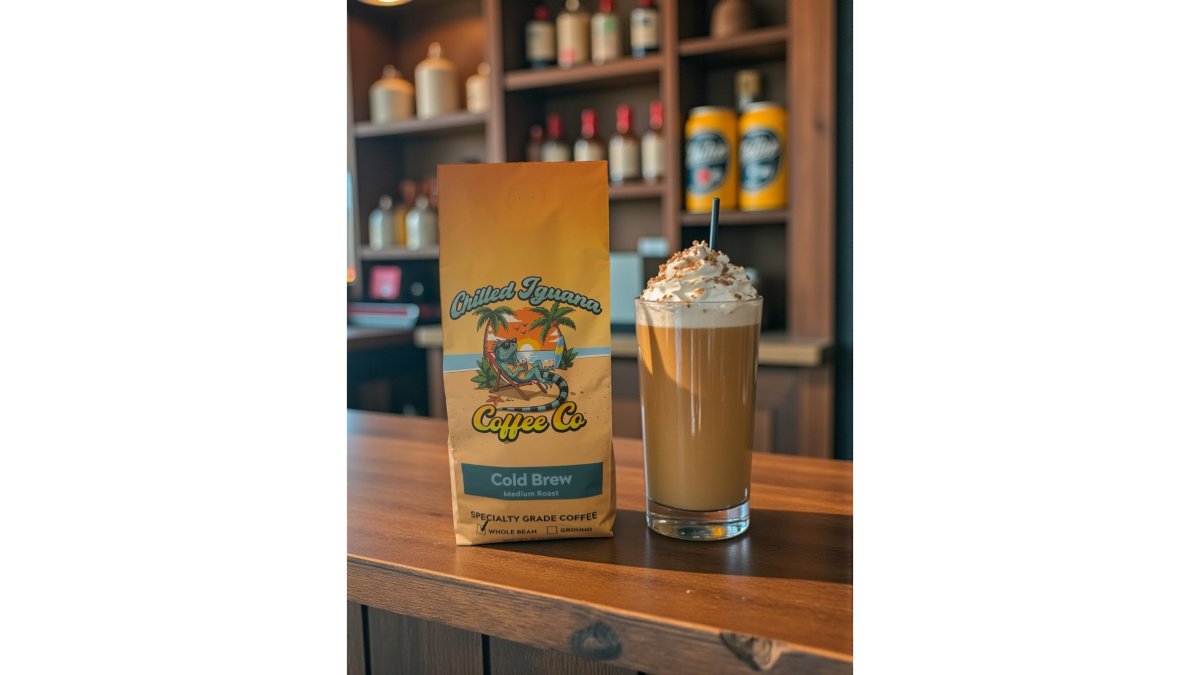
Cold brew never touches heat: coarse grounds steep in cold water 12 to 18 hours, yielding a smooth, low-acid concentrate you dilute to taste. Our Cold Brew Coffee is built for this, a coarse grind and long steep bring out chocolate, toffee, and floral tones.
Espresso machines have the steepest learning curve: grind size, dose, tamping pressure, and pre-infusion all swing the shot wildly.
Coffee Brewing Ratios for Beginners and the Best Coffee Grind Size for Different Methods
Coffee brewing ratios for beginners start with one number: 1:16, one part coffee by weight to sixteen parts water, roughly 2 tablespoons per 6 ounces. Adjust by taste: 1:15 for stronger, 1:17 for lighter. Weigh your coffee if you can, volume measurements vary wildly with grind and scooping.
- Coarse for French press and cold brew
- Medium for automatic drip and standard pour-over
- Medium-fine for AeroPress and faster pour-over recipes
- Fine for moka pot and espresso
Troubleshooting Common Home Brewing Mistakes
Troubleshooting common home brewing mistakes comes down to one habit: change one variable at a time. Beginners who adjust grind, ratio, and temperature at once can't tell which fix worked.
The mistakes we see most often:
- Stale beans. Buy from a roaster that prints the roast date and use the bag within a month.
- Wrong grind. Match the grind to the brew time, not the grinder's last setting.
- Eyeballing the ratio. A cheap kitchen scale removes the guesswork.
- Water too hot. Let boiled water rest before pouring.
- Dirty equipment. Rinse daily and deep-clean weekly.
Frequently Asked Questions
What is the easiest coffee brewing method for beginners?
A drip machine or single-serve pod brewer is the simplest starting point because you load coffee, add water, and press start. If you want more control without much fuss, a French press takes about four minutes of steeping and one plunge. Pour-over sits in the middle: cheap gear, but it rewards attention to grind size and pour timing. Pick based on how much effort you want each morning, not on which method sounds most impressive.
How much coffee grounds should I use per cup?
Start with roughly 1 to 2 tablespoons of ground coffee per 6 ounces of water, which lands near a 1:16 coffee-to-water ratio by weight. That ratio is the most forgiving starting point for beginners. If the cup tastes weak or watery, add a little more coffee or grind finer. If it tastes harsh or bitter, back off the dose or coarsen the grind. Adjust one variable at a time so you can tell what actually changed.
How does grind size affect different coffee brewing methods?
Grind size controls how fast water pulls flavor from the grounds. Coarse grinds suit long-contact methods like French press and cold brew, medium grinds fit drip and pour-over, and fine grinds are built for espresso and Moka pots. A burr grinder gives you consistent particles, while a blade grinder leaves a mix of dust and chunks that brews unevenly. Match the grind to your method first, then fine-tune to taste.