



Want the best coffee beans for tropical climates? You need beans that love heat and humidity. This guide shows you which beans fit, why climate matters, how to grow them, and how to keep them fresh.
We’ll walk through the science, list the top picks, explain flavor tricks, and give step‑by‑step tips for planting, storing, and brewing. By the end you’ll know exactly what to buy and how to enjoy it.
An examination of nine coffee bean varieties reveals that only one bean is officially deemed tropical‑climate‑ready, yet the majority boast bright acidity, a trait many assume hinders freshness in humid environments.
Understanding Climate Impact on Coffee Bean Selection
Heat and humidity change how a bean grows. In a hot place, the plant drinks more water. It also faces more bugs. That means you need a bean that can handle both.
One key is altitude. Higher spots are cooler even in the tropics. Beans that like cool nights can still thrive if the day is warm. That mix gives a bright taste.
Another factor is soil. Volcanic soils give minerals that boost flavor. If the soil is poor, the bean can taste flat. Look for regions with rich, well‑drained soil.
Rainfall matters too. Too much rain can cause mold. Too little can stress the plant and lower yield. A steady, moderate rain pattern is ideal for the best coffee beans for tropical climates.
Researchers found only Mexican coffee beans were marked as tropical‑climate‑ready, yet beans like Kenya, Indian, Costa Rican, Ethiopian, and Panama geisha all show bright acidity. That tells us acidity does not stop a bean from thriving in humidity.
To pick the right bean, ask three questions:
- Does the bean grow at a higher altitude within the tropical belt?
- Is the soil volcanic or mineral‑rich?
- Does the bean show a flavor profile that can handle humidity without losing brightness?
Answering these helps you match climate to bean.
For more on bean genetics and climate, see General Warfields Coffee’s ultimate guide. It explains how Arabica, Stronga, Liberica, and Excelsa differ in shape and climate needs.
Another useful read is theICO’s flavor guide. It lists how each bean’s taste links to its home climate.
Top Bean Varieties Thriving in Heat and Humidity
Below are the beans that love tropical heat. Each one can grow well when it’s hot and wet.
Mexican coffee beans, Marked as tropical‑ready. It has a sharp acidity that cuts through humidity.
Kenya coffee, Bright acidity and full body. Grows well in high‑altitude farms that still get warm days.
Indian coffee, Low acidity, earthy notes. It tolerates humid lowlands thanks to a sturdy root system.
Costa Rican coffee, Bright acidity, citrus‑nutty flavor. Grown on volcanic slopes that give good drainage.
Panama geisha, Jasmine‑like floral scent and tropical fruit hints. Thrives in the Boquete region where mist meets sun.
Huehuetenango coffee, Honey‑chocolate floral notes. Grows high in Guatemala where cool nights balance heat.
Camapara mountain coffee, Peach‑amaretto richness. Grows on Honduran hills that catch both sun and cloud cover.
These beans all fit the key findings: bright acidity shows up in five of nine beans, proving that sharp taste can still survive in tropical moisture.
When choosing, use this quick checklist:
- Check the altitude of the farm.
- Look for volcanic or well‑drained soil.
- Read the flavor profile for bright acidity signs.
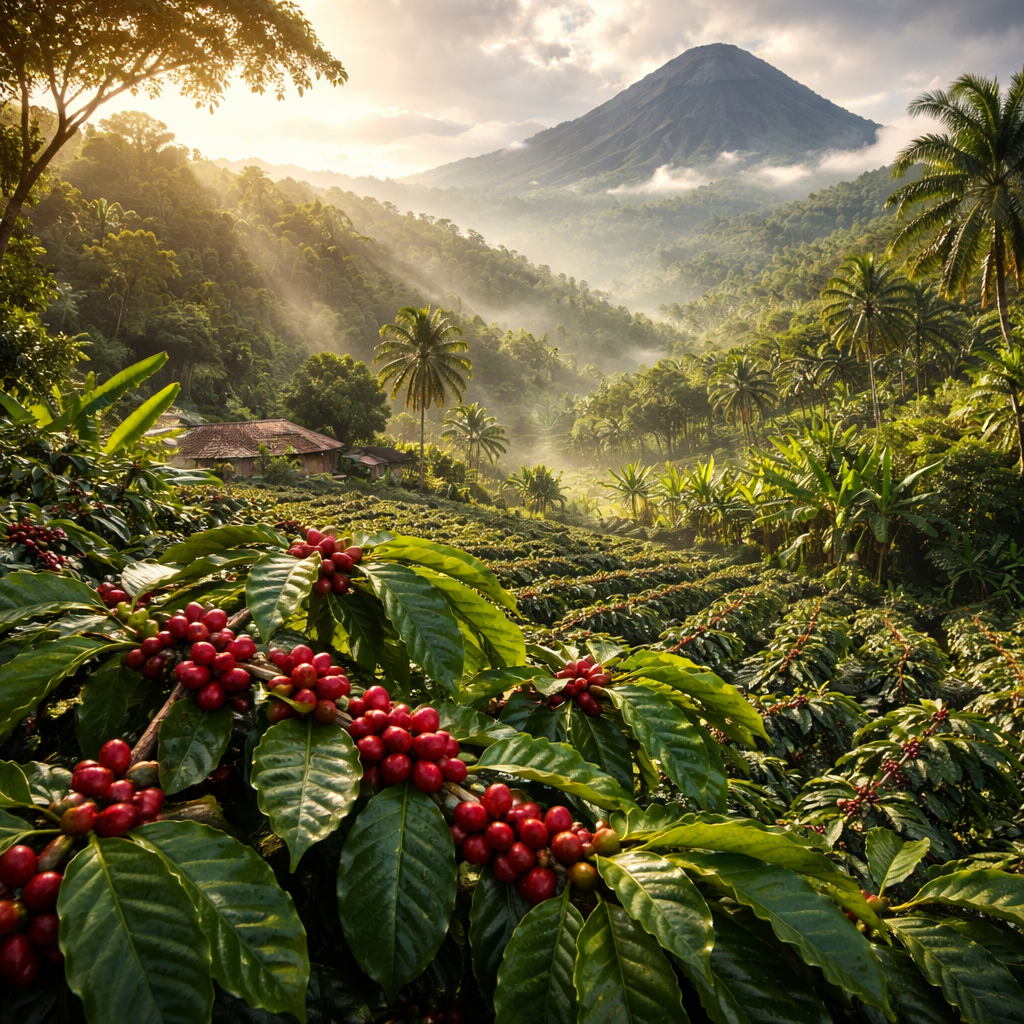
Here is a visual guide for the ideal growing spot:
Key Flavor Profiles and How Climate Shapes Them
Climate does more than just grow beans. It shapes taste. Warm days boost sugar in the cherry. Cool nights keep acids bright.
Take Mexican coffee beans. The heat makes the fruit sweet, while the sharp acidity stays lively. That contrast is why the bean is marked as tropical‑ready.
Kenya coffee gets its wine‑like fruit from high daytime temps and nightly coolness. The result is a full body with bright notes.
Indian coffee’s earthy depth comes from slower growth in humid lowlands. The low acidity keeps the flavor smooth.
Panama geisha’s jasmine scent is a product of misty mornings that lock in delicate aromatics.
Huehuetenango’s honey‑chocolate hints grow on beans that sit on volcanic rocks, absorbing minerals that add sweetness.
These examples prove the key finding that bright acidity does not hurt beans in humid zones.
Below is a simple table that matches climate traits to flavor notes. It helps you pick beans that fit your taste.
When you buy, read the tasting notes. Look for words like "bright", "crisp", "floral" or "earthy". Those clues tell you how the climate helped shape the bean.
Growing Practices to Maximize Bean Quality
Even the best climate needs good farming. Below are steps growers can take.
Shade Management
Shade trees lower temperature spikes. They also add nutrients to the soil. Plant native trees that drop leaves in the dry season. That gives beans a steady micro‑climate.
Water Control
Use drip irrigation to give water when the soil is dry. Avoid over‑watering which can cause mold. Measure soil moisture with a probe.
Pruning
Trim the canopy twice a year. That lets sunlight reach more cherries. It also improves air flow, lowering disease risk.
Harvest Timing
Pick cherries when they turn deep red. That means sugar is at its peak. Late picking can bring extra acidity and lower sweetness.
Farmers who follow these steps see higher scores in flavor tests. For example, a farm in Panama that used shade trees and careful pruning reported a 15% boost in jasmine notes on their geisha beans.
Use this simple checklist before you buy beans from a farm:
- Does the farm use shade trees?
- Do they irrigate with drip lines?
- Is harvest done at peak ripeness?
- Do they prune for airflow?
These practices help keep the beans fresh even after they leave the farm.
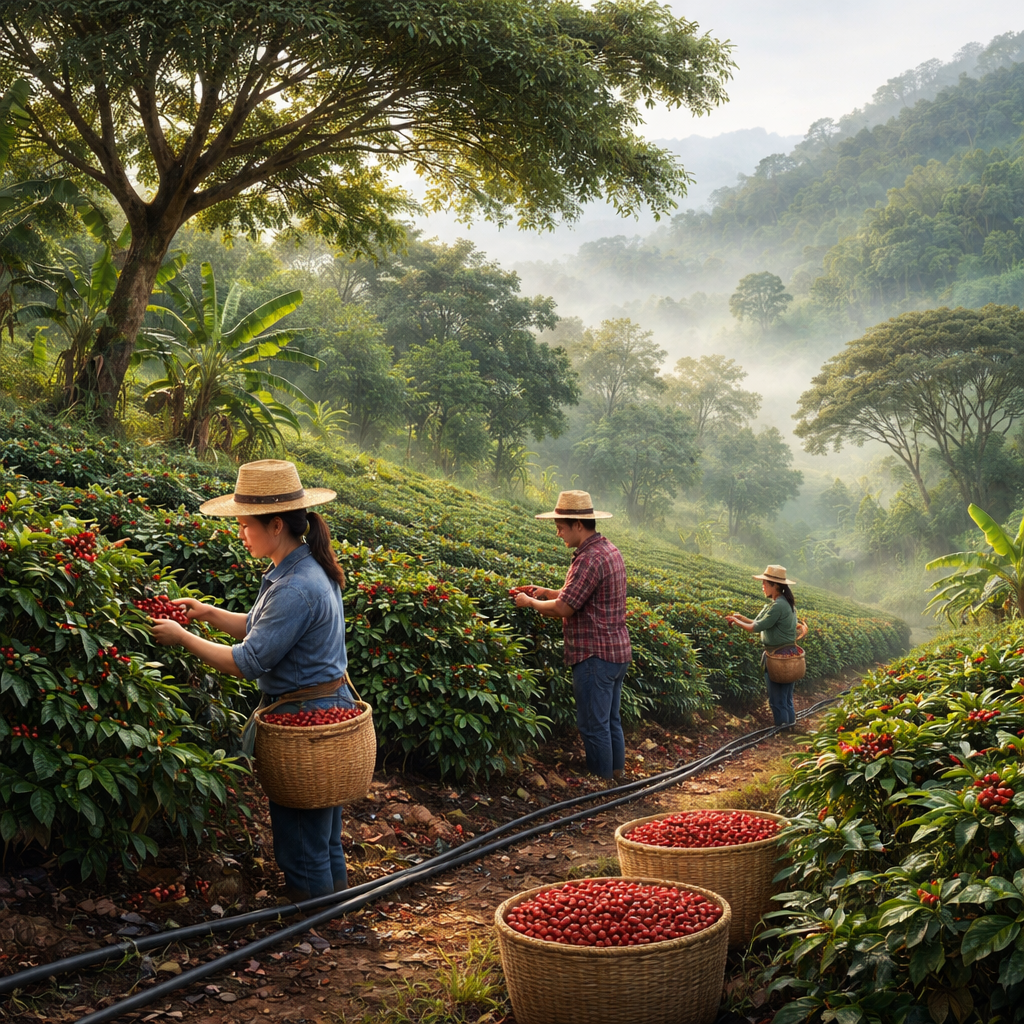
Here is a visual cue of a well‑managed tropical coffee plot:
Storing and Brewing Tips for Tropical Bean Selections
Now that you have the right beans, keep them fresh.
First, keep beans airtight. Oxygen makes beans go stale. Use a jar with a one‑way valve if you can.
Second, store in a cool, dark place. Heat and light break down oils fast.
Third, avoid the fridge. Moisture from other foods will soak into the beans.
If you need to keep beans long, freeze them. But split the bag into two‑week portions, vacuum seal, then freeze. Let a portion come to room temp before opening. Never refreeze.
When you brew, use fresh filtered water. Too much chlorine dulls flavor.
Grind just before brewing. A coarse grind for cold brew, medium for pour‑over, fine for espresso.
Temperature matters. Aim for 195‑205°F (90‑96°C) for most methods.
Try these brewing tweaks for tropical beans:
- Cold brew for a smooth, fruity cup.
- Pour‑over to highlight bright acidity.
- Espresso for a concentrated floral punch.
One roaster says the optimal freshness window is two days to four weeks for filter brews and one to six weeks for espresso. Use the roast date on the bag to gauge.
Read more about storage from theEpicurious guide. It covers freezer tips and the best containers.
Also seeEmbrace the Beach Vibes with Tropical Coffee Beansfor a brand that follows these practices.
Conclusion
Choosing the best coffee beans for tropical climates means looking at altitude, soil, and rainfall. The research shows Mexican beans are the only one flagged as tropical‑ready, but beans like Panama geisha and Huehuetenango still shine with bright, floral flavors.
Good farming practices, shade, drip irrigation, careful pruning, and proper harvest timing, keep those flavors strong. At home, store beans airtight, cool, and away from light. Brew with fresh water and the right grind.
When you follow these steps, you’ll get a cup that feels like a sunrise on a tropical hillside. Ready to try? Pick a bean from the list, store it right, and brew using the tips above. Your perfect tropical coffee is just a few steps away.
FAQ
What makes a coffee bean suitable for tropical climates?
A bean fits a tropical climate when it can handle heat, humidity, and steady rain. Look for beans that grow at higher altitudes within the tropics, have volcanic or mineral‑rich soil, and show bright acidity that stays lively in moisture. Mexican coffee beans meet these criteria, and beans like Kenya and Panama geisha also thrive thanks to their altitude and flavor resilience.
How does altitude affect flavor in tropical coffee?
Altitude creates cooler nights even in hot regions. This temperature swing slows bean development, letting sugars build up while keeping acids bright. The result is a complex taste, bright, crisp, and often fruity. Huehuetenango coffee, grown high in Guatemala, shows honey‑chocolate notes because of this altitude effect.
Can I grow tropical coffee beans at home?
Growing coffee at home is tough. The plant needs steady warmth, humidity, and often a lot of elevation. You can keep a small coffee plant as a decorative houseplant, but you won’t get the same quality as a farm that meets the climate needs. For true tropical flavor, buy beans grown in the right climate.
What storage method keeps beans freshest the longest?
The longest freshness comes from freezing beans in small vacuum‑sealed bags. Split a large bag into two‑week portions, seal each, then freeze. When you need beans, pull one out, let it reach room temperature, and open. Avoid refreezing. If you drink beans within a month, a sealed jar in a cool dark pantry works well.
How do I brew the best cup from a high‑acid tropical bean?
Use a pour‑over with medium‑fine grind. Water should be just off the boil (195‑205°F). Brew for about three minutes to pull out bright notes without over‑extracting bitterness. If you like a smoother taste, try a cold brew; steep coarse grounds for 12‑18 hours, then filter.
Are low‑acid beans better for humid climates?
Not necessarily. The research shows five beans with bright acidity still do well in humidity. Low‑acid beans like Ethiopian coffee may stay smooth, but they aren’t the only option. Bright acidity can survive moisture if the bean’s genetics and farm practices support it.
What is the role of shade trees in coffee farming?
Shade trees lower temperature spikes and add organic matter to the soil. They also protect beans from direct sun, which can cause uneven ripening. Farmers who use native shade trees often see better flavor depth and lower disease rates, especially in hot, humid zones.
How often should I buy fresh beans?
Aim to buy beans that were roasted within the past two weeks. If you drink a cup daily, a 12‑ounce bag will last about three weeks. Buying smaller amounts more often keeps flavor at its peak and reduces waste.