



A good surf trip needs coffee that can handle early starts, hot sand, and limited gear. The right pick depends on how you brew, how long you're away, and whether you want a hot cup or a cold one. Here are three coffee options from Chilled Iguana Coffee Co., plus the roast, storage, and beach-brewing advice that makes each choice work.
1. 12 Pack Single Serve Coffee Pods
12 Pack Single Serve Coffee Pods are a strong fit for a short surf trip when you want easy portions with little mess. They use Chilled Iguana Coffee Co.'s Original Roast, which is described as a premium blend with a rich cup.
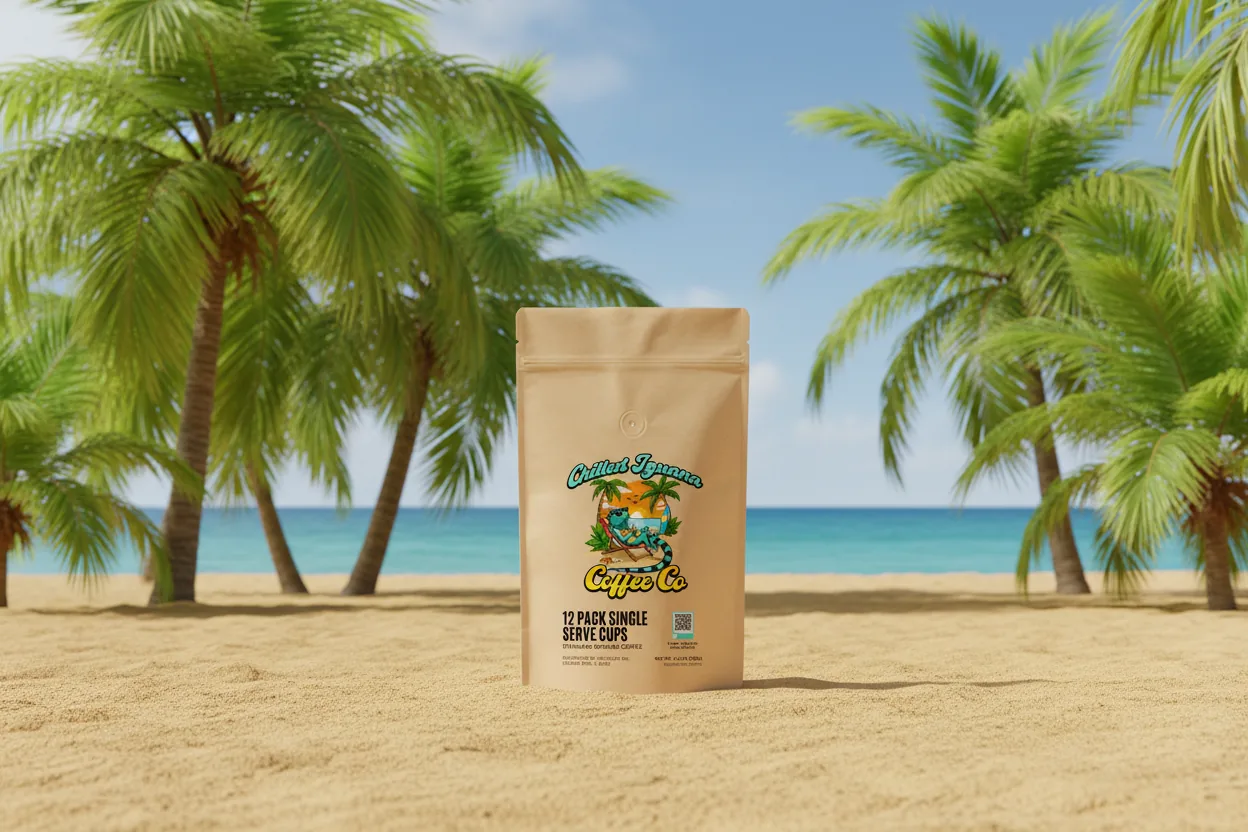
Each capsule is sealed with no oxygen inside. That design helps protect the coffee from air while it waits in your bag. For a weekend near the coast, that matters more than carrying a grinder, a scale, or loose grounds.
The capsules also have an improved filter design. It absorbs more grounds instead of letting water shoot straight through the middle. The stated goal is a lively cup without slowing the brew time, which suits a dawn session when every minute counts.
This pack has a Standard grind and comes in a 12 Pack size. The listed price is USD 17.99. Since there is one portion per capsule, it is simple to plan your supply before leaving home.
- Best for: Weekend trips, shared cabins, and simple morning brews.
- Pack size: 12 Pack.
- Grind: Standard.
- Listed price: USD 17.99.
The catch is clear. These pods only make sense if your brewing setup accepts that capsule format. They also give you less control than whole beans, since you can't change the grind or dose at the beach.
Pick this one when packing space and clean-up matter more than fine control. It is the most straightforward choice in the shortlist.
2. 60 Pack Single Serve Coffee Pods
60 Pack Single Serve Coffee Pods suit a longer stay, a surf house with several guests, or a group that wants the same Original Roast each morning. The coffee description matches the 12-pack, including the sealed capsule design and improved filter.
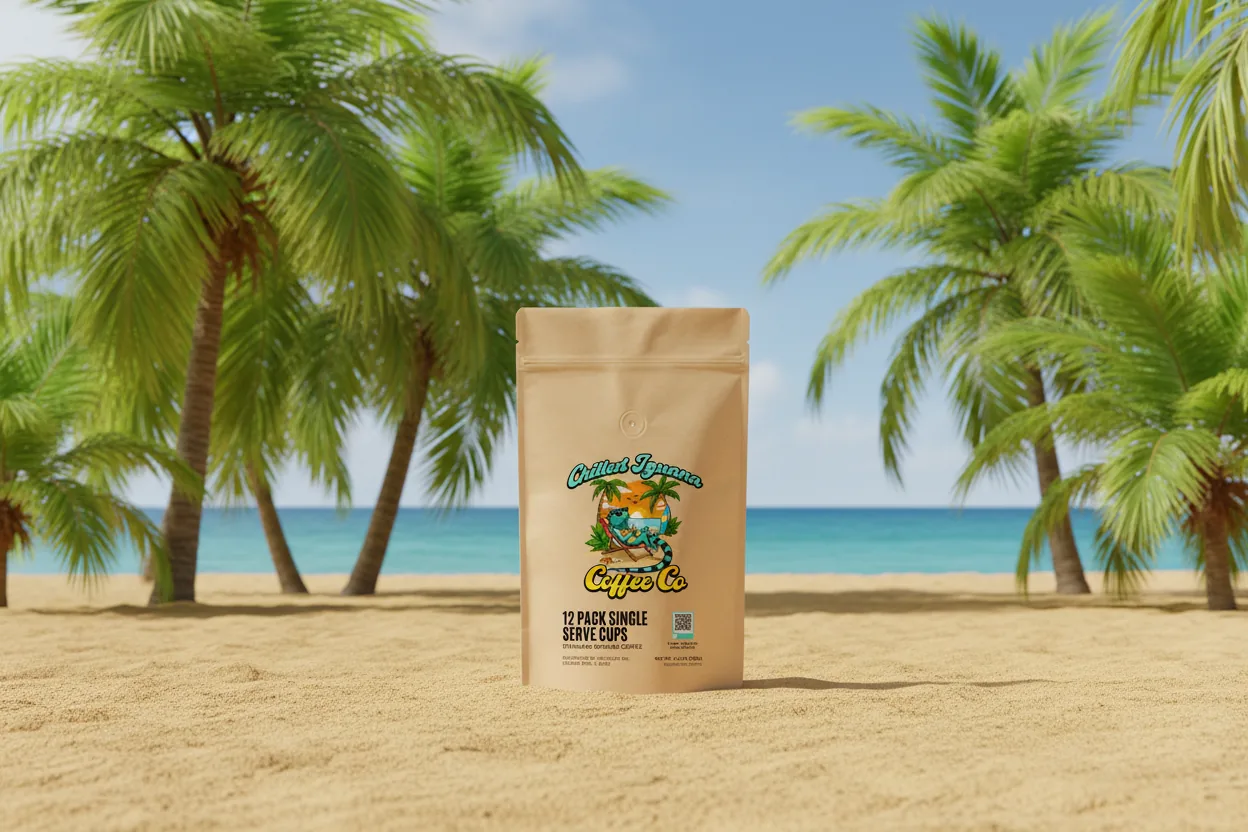
The main difference is the quantity. The pack includes 60 capsules with a Standard grind. The listed price is USD 57.99, so it gives you a larger supply without asking someone to measure loose coffee before the first paddle out.
That makes the pack useful for a rented house or a small surf camp. One person can handle the morning brew without taking over the kitchen. Used capsules still need to be gathered and disposed of, though, so place a small container near the brewer before the first cup.
The no-oxygen seal also helps when the pack sits in a cupboard or travel bin. Still, keep the capsules dry and away from direct sun. A sealed capsule is useful protection, not a reason to leave coffee in a hot car.
When the larger pack makes sense
- You're staying long enough to need a steady supply.
- Several people want the same coffee.
- You want a fixed portion for each brew.
- You'd rather skip a grinder and loose grounds.
As with the smaller pack, the brewing system is the deciding point. If the rental kitchen lacks a compatible machine, the convenience disappears. Check the setup before you pack the coffee.
There is also a storage question. Sixty capsules take more room than twelve, so keep them in a dry tote or cupboard instead of spreading them around your gear. This option works best when the group has one clear brew station.
For group travel, consistency beats novelty. The 60 Pack is the sensible supply choice when several early mornings are already on the calendar.
3. Cold Brew Coffee
Cold Brew Coffee is the strongest match for hot beach days and trips where you can plan the night before. It has a medium, smooth profile with chocolate, toffee, and floral tones.
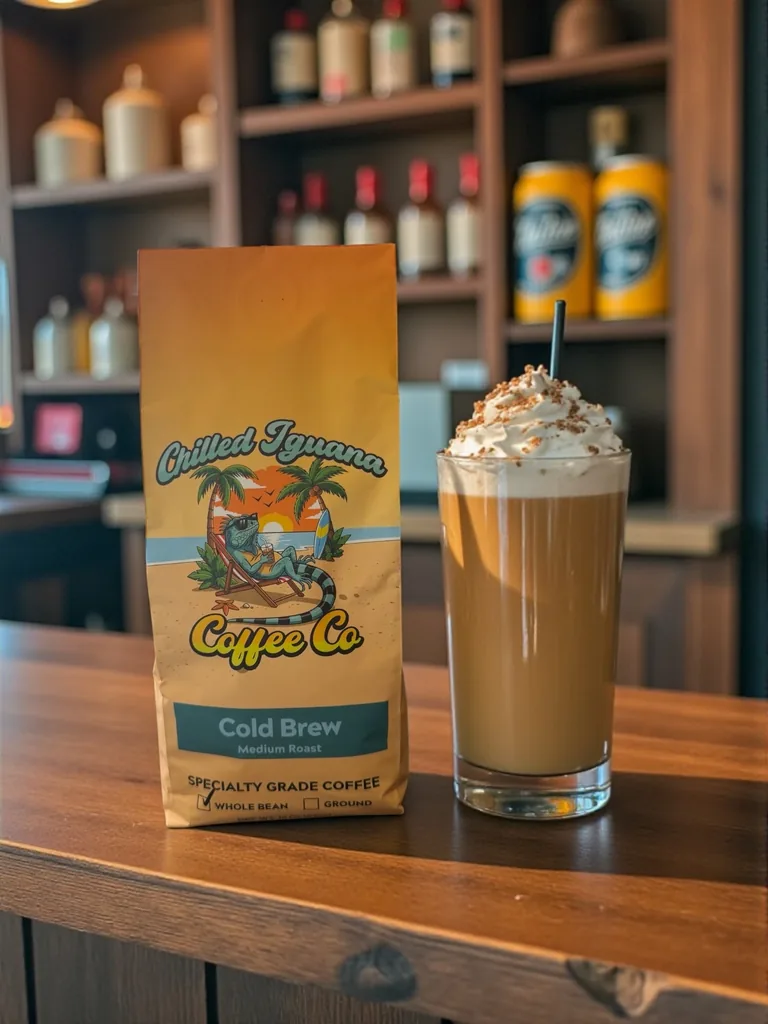
Chilled Iguana Coffee Co. lists this coffee in a 12oz size with Whole Bean and Standard grind options. The listed price is USD 16.99. The product is designed for cold brew or nitro, so it fits a chilled drink plan rather than a rushed hot cup.
Cold extraction can be a good beach choice because the finished drink is already cool. You don't need to carry a kettle to the sand, and ice can turn the concentrate into a morning drink after a hot walk back from the water.
Whole bean or Standard grind?
Whole bean gives you the option to grind coarse just before steeping. Standard grind is simpler if you don't want another tool in your bag, but the product guidance still calls for coarse coffee for cold brew. Match the grind to the method whenever you can.
The flavor notes also give you a clear serving path. Chocolate and toffee tones can sit well with milk, while the floral note may show more when the drink is served black over ice. These are flavor choices, not rules. Try a small batch at home before the trip.
The limitation is time. Cold brew isn't the pick for a sudden dawn departure unless you prepared it in advance. It also needs a way to strain the coffee and a container that won't leak in a dry bag.
If your trip includes several warm afternoons, this is the one to plan around. Start the steep before sleep, then keep the finished drink cold until you're ready to sit down.
Coffee Bean Fundamentals for Surf Trips: Origin, Processing, Roast, and Flavor
Coffee beans for surf trips should match the way you want to brew, not just the place printed on the bag. Origin can shape flavor, processing changes how the bean is prepared after harvest, and roast changes the taste you notice in the cup.
Coffee comes from the seed inside a coffee fruit. Britannica's coffee reference describes coffee as a beverage made from roasted and ground seeds of coffee plants. That simple fact helps explain why storage and grinding matter so much. Once the seed is roasted and ground, more surface area meets air.
Origin and flavor
Origin is a clue, not a guarantee. Soil, altitude, weather, plant type, harvest work, and roast all affect the final cup. A coffee with bright fruit notes may feel lively before a surf, while a cup with chocolate or caramel notes may feel rounder with breakfast.
For a trip, choose a flavor you already enjoy. A beach morning is a poor time to test a style you may dislike. If you normally add milk, pick a coffee that still tastes good after dilution. If you drink it black, pay more attention to acidity and floral notes.
Processing methods
Processing is the work that removes the fruit from the coffee seed after harvest. Common descriptions include washed, natural, and honey processing. Each method can affect sweetness, fruit character, and clarity, but the method alone cannot tell you exactly how the cup will taste.
Research material for this topic repeatedly points readers toward origin and processing because both give useful context. Still, trip planning should stay simple. Read the flavor description first, then check the brew format. A beautiful origin story won't help if you packed whole beans without a grinder.
Roast level and caffeine assumptions
Roast level changes the balance of aroma, body, and roast flavor. Lighter roasts may show more of the bean's origin. Darker roasts tend to bring stronger roast notes and a heavier feel. Medium roast sits between those profiles, though labels aren't perfectly consistent across sellers.
Don't pick a roast based only on the idea that darker coffee always has more caffeine. The amount in a cup depends on factors such as the coffee dose and brew method. The Food and Drug Administration provides general information about caffeine in foods and drinks through its caffeine guidance.
More caffeine isn't always better before a paddle. If you already know that coffee can upset your stomach, keep the serving modest and drink water too. Surf trips include heat and exertion, so coffee shouldn't replace basic hydration.
Match the grind to the method
- Cold brew usually needs coarse coffee.
- Single serve capsules use the grind supplied for that format.
- Whole bean coffee needs a grinder before brewing.
That last check prevents a common packing mistake. Whole beans are easy to carry but useless if the only brew tool on the trip needs ground coffee.
Beach Brewing, Freshness, Recovery, and Surf-Café Culture
The best beach brew is the one you can make safely with the gear you brought. Sand gets into hinges, salt air sits on metal, and a hot car can change the conditions inside a bag within hours. Keep the setup small and give every part a place.
AeroPress-style brewers and travel French presses are popular choices because they need little space. A basic pour-over can also work, but it needs more control over water and a stable place to sit. Single serve pods reduce loose grounds, while cold brew moves the work to the night before.
Don't brew beside the waterline. Use a flat camp table or a clean section of a rental kitchen. Boil water away from children and loose towels. Let hot parts cool before packing them.
Freshness starts with storage. Keep beans or capsules in an airtight container that blocks moisture and light. Don't open a large bag every morning if you can divide the coffee into smaller portions before leaving. Avoid storing coffee beside sunscreen, fuel, or foods with strong smells.
Moisture-absorbing packets can help protect a travel case, but they should stay separate from the coffee itself. They don't fix stale coffee, and they don't replace a sealed container. The same rule applies to a cooler. Cold storage may add condensation when the coffee comes back into warm air, so keep the coffee sealed.
After-surf pairings
Coffee can sit beside food that helps you feel ready for the next part of the day. Think of a breakfast with protein, a carb source, and enough fluid. Milk or a milk alternative can add body to cold brew. An electrolyte drink can sit alongside coffee, but it shouldn't be treated as a substitute for water.
That mix explains why a surf café can feel like a meeting point before and after a session.
The same idea works on a trip without copying a café menu. Bring one familiar add-in, buy a local pastry when available, or make the first cup part of the group's morning routine. Coffee becomes a useful pause between checking the swell and heading out.
Ethical sourcing without guesswork
Ethical coffee claims need detail. Look for clear information about sourcing, organic production, fair trade, cooperatives, or small-farm relationships when those points matter to you. Don't assume a beach-themed label proves anything about farming or worker pay.
Ask what the seller can explain. A useful answer should name a standard, a sourcing relationship, or a clear practice. If the claim stays vague, treat it as a branding statement rather than proof.
Chilled Iguana Coffee Co. positions its coffee around fresh roasting and ethical sourcing. For your trip, pair that value with a usable check: choose a pack you can store well and brew without waste.
Coffee Options for Surf Trips Compared
The best choice depends on the trip shape. A short solo stay has different needs from a shared surf house, and a hot morning brew asks for different gear than a cold afternoon drink.
| Option | Best trip fit | What it simplifies | Main limit |
|---|---|---|---|
| 12 Pack Single Serve Coffee Pods | Short stay or solo travel | Portion control and quick packing | Needs a compatible brewer |
| 60 Pack Single Serve Coffee Pods | Long stay or group trip | Supplying several people | Takes more storage space |
| Cold Brew Coffee | Hot days and planned mornings | Chilled serving with no beachside kettle | Needs a 12 to 18 hour steep |
The 12 Pack is the cleanest pick for a quick escape. The 60 Pack makes more sense when a group will share one brew station. Cold Brew Coffee wins when you can prepare ahead and want a smooth drink over ice.
For a wider travel routine, Chilled Iguana Coffee Co.'s coffee tips for camping trips cover the same packing problem in a land-based setting. The useful lesson carries over: choose the brew method before you pack the beans.
Don't compare only by pack size or price. Compare the work involved at 5 a.m. If a method needs a tool you won't carry, it isn't a good travel choice, even if the flavor sounds ideal.
FAQ
What are the best coffee beans for surf trips?
The best coffee beans for surf trips are the ones that match your brew method and storage plan. Choose the 12 Pack Single Serve Coffee Pods for a short, simple trip. Choose the 60 Pack for a group or longer stay. Pick Cold Brew Coffee when you can steep it for 12 to 18 hours before serving.
Is cold brew coffee good for a beach trip?
Cold brew coffee is good for a beach trip when you can prepare it ahead. Cold Brew Coffee from Chilled Iguana Coffee Co. is described with chocolate, toffee, and floral tones. The product guidance calls for a coarse grind and a 12 to 18 hour steep, followed by dilution to taste.
How should I store coffee on a surf trip?
Store coffee in a sealed container away from heat, moisture, light, and strong smells. Keep the container out of a hot car when possible. Moisture-absorbing packets can sit in the travel case, but they shouldn't touch the coffee. Open larger supplies as little as possible.
Are coffee pods easier to pack for surfing trips?
Coffee pods are often easier to pack for surfing trips because each capsule is already portioned. The 12 Pack and 60 Pack Single Serve Coffee Pods use the Original Roast and have a Standard grind. Their main limit is the need for a compatible brewer, so check your accommodation first.
What roast is best before surfing?
No single roast is best before surfing because taste and personal tolerance differ. A lighter roast may show more origin character, while a darker roast may taste heavier. Start with a coffee you already enjoy, drink water alongside it, and avoid using caffeine as a replacement for food or hydration.
Conclusion
For a short trip, choose the 12 Pack Single Serve Coffee Pods. For a group, choose the 60 Pack. If you want a cold drink after a warm session, start Cold Brew Coffee the night before. Pick one method now, then pack the matching brewer and storage container before you leave.